The query concerning the optimal sustainable power solution represents a multifaceted inquiry with no singular, universally applicable answer. Evaluating different options necessitates a thorough consideration of numerous factors, including geographical location, resource availability, technological maturity, economic viability, and environmental impact.
The significance of identifying effective clean power generation methods lies in mitigating climate change, reducing reliance on finite fossil fuels, and enhancing energy security. Historically, the pursuit of alternative energy sources has intensified with growing awareness of the environmental consequences associated with traditional power generation and the increasing demand for electricity worldwide. Early adoption faced challenges related to cost and efficiency, but ongoing advancements have rendered many of these options increasingly competitive.
This analysis will explore the comparative advantages and disadvantages of various sustainable power resources. It will consider solar power generation, wind energy harvesting, hydropower generation, geothermal energy extraction, and biomass energy conversion, examining their respective contributions to a sustainable energy future. Each option presents unique opportunities and limitations that must be carefully weighed when developing effective energy strategies.
Strategies for Evaluating Sustainable Power Options
A systematic approach is crucial when determining the suitability of different sustainable power sources. A comprehensive evaluation considers various factors to identify the most appropriate energy solution for specific needs and contexts.
Tip 1: Assess Resource Availability: The presence and accessibility of renewable resources, such as solar irradiance, wind speed, water flow, geothermal gradients, or biomass feedstocks, significantly influence the feasibility of each energy technology. Conduct thorough resource assessments to determine the potential energy yield at a given location. For instance, solar farms are best suited for regions with high solar irradiance, while wind farms thrive in areas with consistent wind patterns.
Tip 2: Evaluate Technological Maturity: Different energy technologies are at varying stages of development and deployment. Mature technologies like hydropower and some forms of solar photovoltaic (PV) generation offer proven reliability and established supply chains. Emerging technologies, such as advanced geothermal systems or wave energy converters, may offer greater long-term potential but also carry higher risks associated with performance and scalability.
Tip 3: Analyze Economic Viability: The economic competitiveness of sustainable energy sources is a crucial determinant of their adoption. Perform a comprehensive cost-benefit analysis that considers capital expenditures (CAPEX), operational expenditures (OPEX), and long-term energy production costs. Government incentives, tax credits, and carbon pricing mechanisms can significantly influence the financial attractiveness of sustainable energy projects.
Tip 4: Consider Environmental Impact: Evaluate the environmental footprint of each energy technology throughout its lifecycle, from resource extraction to decommissioning. While generally cleaner than fossil fuels, sustainable energy sources can still have environmental impacts, such as land use changes, habitat disruption, or water consumption. Quantify and mitigate these impacts to ensure environmentally responsible energy development.
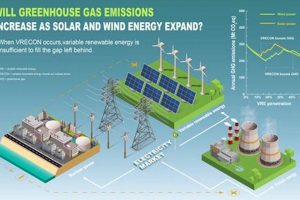
Tip 5: Assess Grid Integration Challenges: The intermittent nature of some sustainable energy sources, such as solar and wind, can pose challenges for grid stability. Evaluate the grid infrastructure’s capacity to accommodate variable renewable energy output and consider implementing energy storage solutions, demand response programs, and smart grid technologies to enhance grid flexibility and reliability.
Tip 6: Analyze Regulatory and Policy Frameworks: Government policies and regulations play a crucial role in shaping the adoption of sustainable energy. Understand the existing regulatory landscape, including permitting requirements, environmental regulations, and renewable energy mandates. Advocate for supportive policies that incentivize sustainable energy development and create a level playing field for different energy technologies.
A meticulous examination of these factors provides a robust foundation for selecting and implementing the most appropriate and effective sustainable power solution.
Moving forward, a detailed examination of specific power source follows.
1. Scalability

Scalability, in the context of sustainable energy, refers to the ability to expand energy production to meet increasing demand efficiently and cost-effectively. Its connection to the selection of the most suitable renewable energy source is paramount, as an option with limited scalability cannot adequately address long-term energy needs. The potential to scale affects overall energy security and the feasibility of transitioning away from fossil fuels on a global level.
Consider solar photovoltaic (PV) technology. Its modular nature inherently lends itself to scalability. Solar farms can be expanded by adding more panels, and distributed rooftop solar installations collectively contribute significant energy. However, land use requirements and the variability of sunlight can present scalability challenges. Hydropower, while a well-established renewable energy source, often faces significant environmental hurdles and limited availability of suitable locations for new large-scale projects, thus constraining its overall scalability. The scalability of geothermal energy is limited by the geographical distribution of geothermal resources.
Ultimately, an informed decision regarding the optimal renewable energy mix hinges on evaluating the scalability of each available option. Factors such as resource availability, technological maturity, grid integration capabilities, and social acceptance all influence the extent to which a given source can be expanded. Prioritizing sources with high scalability potential is vital for ensuring a sustainable and secure energy future. A portfolio approach, incorporating a variety of sources with differing scalability characteristics, often provides the most robust solution.
2. Reliability

The reliability of a sustainable energy source is a critical determinant in evaluating its overall suitability. Reliability, in this context, refers to the consistent and dependable delivery of energy to meet demand, even under varying environmental conditions and operational stresses. The selection process necessitates an assessment of how well each energy source can maintain a stable energy supply, minimizing disruptions and ensuring grid stability. Inherent variability in energy production directly impacts the overall effectiveness of a renewable energy portfolio. An unreliable source requires either extensive energy storage solutions or reliance on conventional backup generation, diminishing its environmental benefits and economic viability.
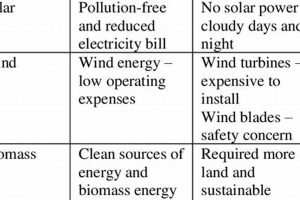
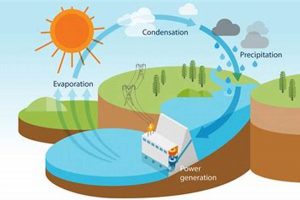
Solar and wind power, due to their dependence on weather patterns, present inherent challenges to reliability. For instance, solar energy production ceases during nighttime hours and is significantly reduced during cloudy conditions. Wind energy generation fluctuates with wind speed and can be completely absent during periods of calm. Hydropower, while generally reliable, can be affected by seasonal variations in rainfall and drought conditions, as demonstrated by reduced power output during prolonged dry spells in regions dependent on hydroelectricity. Geothermal energy, in contrast, offers a high degree of reliability due to its consistent, year-round availability. Biomass energy can also provide a reliable source of power, but its sustainability depends on responsible resource management and efficient conversion technologies.
Ultimately, the decision regarding the integration of renewable energy sources must prioritize reliability to ensure a stable and resilient energy system. This involves not only selecting sources with inherent reliability characteristics but also implementing strategies to mitigate the variability of intermittent sources. Diversification of the energy mix, coupled with advanced grid management technologies and energy storage solutions, is essential for achieving a reliable and sustainable energy future. Successfully integrating these technologies necessitates a comprehensive understanding of the reliability profiles of each available renewable resource.
3. Cost-effectiveness

Cost-effectiveness is a pivotal factor in determining the optimal renewable energy source. The levelized cost of energy (LCOE), a metric encompassing the total cost of an energy source over its lifetime divided by the total energy produced, provides a benchmark for comparing different technologies. Lower LCOE values indicate greater economic viability. Without cost-competitiveness, the widespread adoption of a particular renewable energy source becomes significantly hindered, regardless of its environmental benefits or technological maturity. For instance, early solar photovoltaic (PV) technology suffered from high production costs, limiting its deployment despite its potential for clean energy generation. The increasing affordability of solar and wind power in recent years has been a major driver of their accelerated integration into global energy markets.
The cost-effectiveness of a renewable energy source is not static; it evolves with technological advancements, economies of scale, and policy support. Innovations in manufacturing processes, such as improved solar cell efficiency and larger wind turbine designs, have contributed to significant cost reductions. Government subsidies, tax incentives, and carbon pricing mechanisms can further enhance the economic competitiveness of renewable energy projects, leveling the playing field with conventional fossil fuel-based power generation. The variability of some renewable energy sources, like solar and wind, necessitates investment in energy storage solutions, which currently add to the overall system cost. However, advancements in battery technology and pumped hydro storage are steadily reducing the cost of integrating these intermittent resources. In some regions, the cost of renewable energy has already achieved grid parity, meaning it is competitive with or even cheaper than traditional fossil fuel-based electricity generation.
In conclusion, evaluating the cost-effectiveness of renewable energy sources requires a comprehensive assessment of LCOE, technological trends, and policy landscapes. While initial capital costs may be higher for some renewable technologies, their long-term operational costs are often lower due to the absence of fuel expenses. Furthermore, the environmental and social benefits associated with renewable energy, such as reduced greenhouse gas emissions and improved air quality, are often not fully reflected in market prices but represent significant societal value. Prioritizing cost-effective renewable energy solutions is essential for achieving a sustainable and economically viable energy transition. The optimal choice frequently involves a diversified approach, leveraging the unique cost and performance characteristics of various renewable technologies to optimize the overall energy system.
4. Environmental impact

The evaluation of environmental impact forms a cornerstone in determining the most suitable renewable energy source. While often perceived as inherently benign, each renewable energy technology carries a distinct ecological footprint that necessitates careful consideration and mitigation strategies.
- Land Use Considerations
Solar farms and wind turbine arrays require significant land areas, potentially leading to habitat fragmentation and displacement of existing ecosystems. The construction of large-scale hydroelectric dams inundates vast tracts of land, impacting terrestrial and aquatic biodiversity. Geothermal energy extraction can result in land subsidence and the release of greenhouse gases, depending on the specific geological conditions and extraction techniques. The choice of which renewable source is best involves balancing land use requirements with the preservation of natural habitats and biodiversity.
- Water Resource Implications
Hydropower generation alters river flow regimes, impacting aquatic ecosystems and downstream water availability. Concentrated solar power (CSP) plants can consume significant quantities of water for cooling purposes, particularly in arid regions, potentially exacerbating water scarcity issues. Geothermal energy production may involve the extraction and reinjection of water, carrying the risk of groundwater contamination if not managed properly. An assessment of water resource implications is essential when evaluating the environmental sustainability of different renewable energy options. Identifying which renewable energy source is the best depends partly on its impacts on this precious resource.
- Material Extraction and Manufacturing
The production of solar panels, wind turbines, and battery storage systems requires the extraction of raw materials, such as lithium, cobalt, and rare earth elements, which can have significant environmental and social consequences. Mining activities can lead to habitat destruction, water pollution, and human rights abuses. The manufacturing processes involved in these technologies can also generate greenhouse gas emissions and hazardous waste. Analyzing the full lifecycle environmental impact, from material extraction to end-of-life disposal, is crucial for a comprehensive evaluation of which renewable energy source is best.
- Impacts on Wildlife
Wind turbines can pose a threat to avian and bat populations, resulting in collisions and habitat disruption. Hydropower dams impede fish migration, impacting fish populations and ecosystem connectivity. Solar farms can disrupt desert ecosystems and alter the behavior of local wildlife. A thorough understanding of the potential impacts on wildlife is essential when selecting and siting renewable energy projects to minimize ecological damage. Choosing which renewable energy source is best necessitates careful consideration of potential effects on the natural world.
In conclusion, determining which renewable energy source is the best necessitates a holistic assessment of environmental impacts across various dimensions. While renewable energy technologies generally offer significant advantages over fossil fuels in terms of greenhouse gas emissions, their ecological footprints cannot be ignored. Careful planning, responsible resource management, and continuous technological innovation are essential for minimizing the environmental consequences of renewable energy development and ensuring a truly sustainable energy future.
5. Resource Availability

Resource availability serves as a primary determinant in assessing the viability and suitability of a specific renewable energy technology. The geographical distribution and intensity of renewable resources, such as solar irradiance, wind patterns, geothermal gradients, water resources for hydropower, and biomass feedstocks, dictate the technical and economic feasibility of harnessing these energy sources. Regions with high solar irradiance are inherently more conducive to solar energy development than those with frequent cloud cover. Similarly, areas with consistent and strong wind patterns present optimal locations for wind energy generation. The absence or scarcity of a particular resource effectively eliminates that renewable energy option as a practical choice, regardless of its other potential benefits. Consider the impracticality of establishing large-scale solar farms in regions characterized by persistently low solar irradiance or attempting to develop geothermal power plants in areas lacking geothermal reservoirs.
The connection between resource availability and the selection of an appropriate renewable energy source extends beyond mere feasibility. It also influences the scale and efficiency of energy production. For example, the development of large-scale hydropower facilities is contingent upon the presence of substantial water resources and suitable topographical features for dam construction. The efficiency of wind energy conversion is directly proportional to wind speed, necessitating the deployment of wind turbines in locations with consistently high average wind speeds. The economic viability of biomass energy projects depends on the sustainable availability of biomass feedstocks, such as agricultural residues or dedicated energy crops, within a reasonable proximity to the conversion facility. Limitations in resource availability can lead to reduced energy output, increased operational costs, and compromised overall project economics. Consequently, a thorough assessment of resource availability is paramount during the initial planning stages of any renewable energy project to ensure long-term sustainability and economic competitiveness.
In summary, resource availability establishes the fundamental preconditions for the successful deployment of renewable energy technologies. It dictates the types of renewable energy sources that are technically and economically viable in a given region and influences the scale, efficiency, and sustainability of energy production. Overlooking resource availability can lead to project failures and inefficient resource allocation. Therefore, a comprehensive assessment of resource availability is not merely a preliminary step but a critical component in the decision-making process for selecting the most suitable renewable energy sources. The effective utilization of available resources is key to achieving a sustainable and resilient energy future.
6. Technological Maturity
Technological maturity significantly influences the selection of the most suitable renewable energy source. Mature technologies offer proven reliability, established supply chains, and predictable performance, reducing investment risk and facilitating widespread adoption. Conversely, less mature technologies, while potentially offering higher future performance, face challenges related to scalability, cost, and unproven long-term operational characteristics. The decision-making process, therefore, involves a trade-off between the demonstrated reliability of established technologies and the potential for future gains offered by emerging alternatives. For instance, solar photovoltaic (PV) and wind turbine technologies represent relatively mature options, evidenced by their widespread deployment and steadily declining costs. In contrast, wave energy converters and advanced geothermal systems remain in earlier stages of development, facing hurdles in achieving commercial viability.
The impact of technological maturity extends to the economic considerations of renewable energy projects. Mature technologies typically benefit from economies of scale, resulting in lower upfront capital costs and reduced operational expenses. Established supply chains ensure the availability of components and skilled labor, further contributing to cost-effectiveness. Furthermore, mature technologies often have well-defined regulatory frameworks and established performance standards, simplifying the permitting and financing processes. The deployment of less mature technologies, on the other hand, often requires significant research and development investment, as well as demonstration projects to validate their performance and address potential technical challenges. These factors translate into higher project costs and increased financial risks, potentially hindering widespread adoption. The development of carbon capture and storage (CCS) provides an example, where despite significant research, its economic viability remains a significant barrier to adoption.
In conclusion, technological maturity is a critical determinant in the evaluation and selection of renewable energy sources. It impacts project feasibility, economic viability, and overall risk profile. While emerging technologies hold promise for future energy solutions, mature technologies offer a more immediate and reliable pathway to decarbonizing the energy sector. The optimal approach involves a balanced portfolio of renewable energy technologies, strategically incorporating both mature and emerging options to ensure a sustainable and resilient energy future. Prioritizing investment in research and development is also crucial for advancing the technological maturity of promising but less-established renewable energy sources.
7. Geographical suitability
Geographical suitability constitutes a fundamental constraint in the selection of the optimal renewable energy source. The inherent characteristics of a particular location including its climate, topography, and access to natural resources directly influence the effectiveness and viability of different renewable energy technologies. Therefore, an assessment of geographical suitability is paramount in determining which energy source is most appropriate for a given region.
- Solar Irradiance and Latitude
Solar energy generation is highly dependent on solar irradiance, which varies significantly with latitude, cloud cover, and seasonal changes. Regions near the equator generally receive higher levels of solar radiation, making solar photovoltaic (PV) systems more efficient and cost-effective. Conversely, higher-latitude locations may experience reduced solar energy output, particularly during winter months. The geographical suitability of solar energy, therefore, hinges on optimizing system design and resource management to account for local irradiance conditions. For instance, desert regions often boast high solar irradiance, enabling large-scale solar farm development, while temperate climates require careful consideration of panel orientation and energy storage solutions to maximize energy capture.
- Wind Patterns and Topography
Wind energy potential is closely tied to regional wind patterns, influenced by topography, prevailing weather systems, and coastal effects. Locations with consistent, high-velocity winds, such as mountain passes, coastal areas, and open plains, are ideally suited for wind turbine deployment. Topographical features can either enhance or obstruct wind flow, necessitating careful site selection to maximize energy capture. The geographical suitability of wind energy projects demands detailed wind resource assessments to determine turbine placement and optimize energy production. Offshore wind farms, for example, capitalize on consistent and strong offshore winds, while mountainous regions often experience complex wind patterns requiring advanced modeling techniques.
- Hydrological Conditions and Watershed Characteristics
Hydropower generation depends on the availability of water resources and suitable topographical features for dam construction. The geographical suitability of hydropower projects is determined by factors such as river flow rates, watershed size, and the presence of natural reservoirs. Steep river gradients and ample water supply are conducive to hydropower development, while arid regions with limited water resources are not. Hydrological conditions also influence the environmental impact of hydropower projects, with considerations such as fish passage, sediment transport, and downstream water availability playing a critical role in site selection and dam design. The Three Gorges Dam in China, situated on the Yangtze River, illustrates the potential for large-scale hydropower generation in regions with abundant water resources, while smaller run-of-river projects can be suitable for locations with moderate flow rates.
- Geothermal Gradients and Geological Structures
Geothermal energy utilization requires access to geothermal reservoirs, which are characterized by high subsurface temperatures and permeable geological formations. The geographical suitability of geothermal energy projects is dictated by the presence of active volcanic regions, fault lines, and areas with elevated geothermal gradients. Enhanced Geothermal Systems (EGS) seek to expand geothermal access by creating artificial reservoirs in hot, dry rock formations, albeit with technological and economic challenges. Iceland, situated on the Mid-Atlantic Ridge, benefits from abundant geothermal resources, enabling widespread utilization for electricity generation and district heating, while other regions may necessitate deep drilling and advanced stimulation techniques to access geothermal energy.
These considerations underscore the critical role of geographical suitability in determining the optimal renewable energy mix. A comprehensive assessment of local conditions is essential for maximizing energy production, minimizing environmental impacts, and ensuring the long-term sustainability of renewable energy investments. The most effective strategy often involves a diversified approach, leveraging the unique geographical advantages of a region to deploy a combination of renewable energy technologies tailored to local resources and needs. Choosing which renewable energy source is best therefore hinges on a comprehensive understanding of local geography and its implications for energy production.
Frequently Asked Questions
The following questions address common misconceptions and provide clarification on the selection of appropriate sustainable power resources.
Question 1: Is there a single “best” renewable energy source applicable to all situations?
No. The optimal choice is highly context-dependent, influenced by resource availability, geographical location, technological maturity, economic factors, and environmental considerations.
Question 2: How does resource availability impact the selection process?
The presence and accessibility of renewable resources, such as solar irradiance, wind speed, water flow, geothermal gradients, or biomass feedstocks, critically determine the feasibility of each energy technology. A comprehensive resource assessment is essential.
Question 3: What role does technological maturity play in the decision?
Mature technologies, like hydropower and some solar photovoltaic systems, offer proven reliability. Emerging technologies may present long-term potential but carry higher performance and scalability risks.
Question 4: How is the economic viability of different renewable energy sources assessed?
A thorough cost-benefit analysis is crucial, considering capital expenditures, operational expenditures, and long-term energy production costs. Government incentives and carbon pricing mechanisms also impact financial attractiveness.
Question 5: What environmental impacts should be considered?
Evaluate the environmental footprint throughout the lifecycle, from resource extraction to decommissioning. Impacts may include land use changes, habitat disruption, or water consumption.
Question 6: How are grid integration challenges addressed with variable renewable energy sources?
Intermittency poses challenges for grid stability. Energy storage solutions, demand response programs, and smart grid technologies enhance grid flexibility and reliability.
A comprehensive and systematic evaluation of these factors provides a foundation for selecting the most appropriate sustainable power solution.
The next section summarizes the key takeaways regarding selecting sustainable power options.
Determining the Optimal Sustainable Energy Solution
The preceding analysis underscores the multifaceted nature of determining “which renewable energy source is the best.” No single option emerges as universally superior. Instead, the most effective solution hinges on a comprehensive evaluation of resource availability, technological maturity, economic viability, environmental impact, and geographical suitability. A diversified approach, leveraging the unique strengths of various renewable technologies, often proves most resilient and sustainable.
Ultimately, the responsible pursuit of a clean energy future demands a commitment to informed decision-making, continuous innovation, and adaptive strategies. By carefully weighing the trade-offs and embracing a holistic perspective, stakeholders can pave the way for a reliable, affordable, and environmentally sound energy landscape. Continued progress in this area requires ongoing research, policy support, and collaborative efforts to address the challenges and unlock the full potential of renewable energy resources.