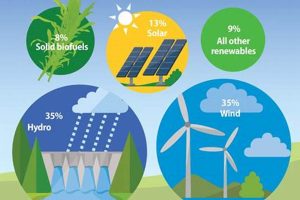
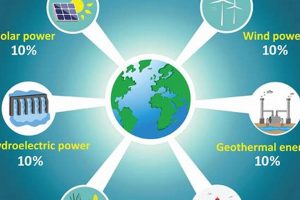
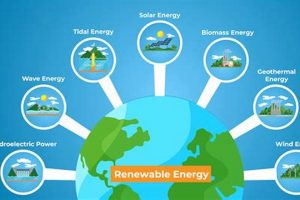
The employment of naturally replenishing energy forms presents a dual-faceted reality. On one hand, it offers pathways to sustainable power generation, mitigating reliance on finite resources. On the other, it faces challenges related to technological maturity, infrastructure development, and economic competitiveness. For example, solar power, while inexhaustible, is intermittent and requires substantial land area for large-scale deployment. Wind energy, similarly, depends on consistent airflow and can face opposition due to aesthetic or environmental concerns.
The shift towards these energy alternatives represents a crucial step in addressing climate change and ensuring long-term energy security. Historically, societies have relied heavily on fossil fuels, contributing to greenhouse gas emissions and environmental degradation. Embracing renewable options offers a path towards reducing carbon footprints, diversifying energy portfolios, and fostering innovation in energy technologies. The transition, however, requires significant investment and policy support to overcome existing barriers and accelerate widespread adoption.
Therefore, a thorough examination of the positive and negative aspects associated with the adoption of these energy alternatives is essential. Factors to consider include environmental impact, economic viability, technological feasibility, social acceptance, and the potential for job creation and economic growth. This comprehensive approach allows for informed decision-making and the development of strategies to maximize the benefits while minimizing the drawbacks.
This section offers guidance on effectively evaluating and implementing renewable energy solutions. The following points provide a framework for maximizing benefits and mitigating potential challenges.
Tip 1: Conduct a Comprehensive Resource Assessment: Prior to any investment, a detailed assessment of available renewable resources (solar irradiance, wind speed, geothermal potential, etc.) is crucial. This assessment should include seasonal variations, geographical limitations, and potential grid integration complexities.
Tip 2: Prioritize Grid Modernization: Effective renewable energy integration necessitates a modern and flexible grid infrastructure. Investments in smart grid technologies, energy storage solutions, and enhanced transmission capacity are essential to accommodate the variable nature of many renewable sources.
Tip 3: Implement Supportive Policy Frameworks: Governments play a vital role in fostering renewable energy adoption through policies such as feed-in tariffs, renewable portfolio standards, and carbon pricing mechanisms. Clear and consistent policies reduce investor risk and incentivize innovation.
Tip 4: Explore Energy Storage Solutions: Battery storage, pumped hydro, and other energy storage technologies are critical for addressing the intermittency of solar and wind power. Implementing robust storage solutions enhances grid stability and ensures a reliable energy supply.
Tip 5: Focus on Lifecycle Cost Analysis: While the initial investment in renewable energy technologies can be substantial, a lifecycle cost analysis should be conducted to account for long-term operational savings, reduced fuel costs, and environmental benefits. This provides a more accurate assessment of economic viability.
Tip 6: Engage in Community Consultation: Successful renewable energy projects require community support. Transparent communication, stakeholder engagement, and addressing local concerns are crucial for overcoming potential opposition and ensuring project acceptance.
Tip 7: Invest in Research and Development: Continuous innovation is essential for improving the efficiency and reducing the cost of renewable energy technologies. Supporting research and development initiatives accelerates technological advancements and enhances competitiveness.
These considerations highlight the complexities associated with widespread utilization. By carefully evaluating these aspects, stakeholders can make informed decisions and contribute to a more sustainable energy future.
The following sections will further examine specific strategies for optimizing the integration of these energy sources into existing infrastructure.
1. Environmental impact reduction

The reduction of environmental impact stands as a primary driver behind the increasing interest in and deployment of renewable energy sources. This reduction stems from the displacement of fossil fuels, which are associated with significant air pollution, greenhouse gas emissions, and ecological damage from extraction and transportation. Renewable sources like solar, wind, and hydro, by contrast, generate electricity with minimal or no direct emissions during operation. The consideration of reduced environmental impact is fundamentally interwoven with assessing the advantages and disadvantages of renewable energy utilization. The extent to which a renewable energy technology can lessen pollution and resource depletion directly influences its overall attractiveness and viability as an alternative to conventional energy systems.
However, the “environmental impact reduction” component is not without nuance. The manufacturing of solar panels and wind turbines, for example, does involve some environmental impacts, including resource extraction and energy consumption during production. Hydroelectric dams can alter river ecosystems and displace communities. Therefore, a comprehensive life-cycle assessment is necessary to fully understand the net environmental benefits. For example, while a coal-fired power plant produces constant emissions, a solar farms impact is front-loaded during manufacturing. Careful consideration must be given to factors such as material sourcing, manufacturing processes, end-of-life recycling, and the potential for land-use changes. Comparing these factors across different renewable and conventional energy options provides a more accurate picture of their relative environmental footprints.
In conclusion, the pursuit of reduced environmental impact forms a cornerstone argument for the advantages of renewable energy utilization. Nevertheless, a comprehensive analysis requires acknowledging the inherent environmental burdens associated with the development and operation of these sources, advocating for strategies that minimize these impacts across the entire life cycle. Understanding this balance is critical for crafting effective and responsible energy policies and for promoting the widespread adoption of truly sustainable energy solutions.
2. Resource availability variability

Resource availability variability, in the context of renewable energy sources, presents a significant factor influencing the advantages and disadvantages of their utilization. The intermittent nature of many renewable resources directly affects energy production consistency, grid stability, and overall economic feasibility.
- Geographical Dependency
The availability of renewable resources is strongly influenced by geographical location. Solar irradiation levels vary significantly across regions, impacting the efficiency of photovoltaic systems. Similarly, wind resources are concentrated in specific areas with consistent wind patterns. This geographical dependence necessitates careful site selection and often limits the widespread deployment of certain renewable technologies. The advantage of tapping into abundant local resources in one region becomes a disadvantage in another, demanding diversified energy strategies.
- Temporal Fluctuations
Renewable resources exhibit temporal fluctuations, ranging from daily cycles to seasonal variations. Solar energy is obviously limited to daylight hours, and wind power generation is subject to changing weather patterns. Hydropower availability can fluctuate based on rainfall and snowmelt patterns. These temporal variations create challenges for grid operators, who must balance supply and demand in real-time. Energy storage solutions and grid management strategies are crucial to mitigate these fluctuations and ensure a reliable energy supply. The unpredictability affects the reliability and therefore affects overall utilization.
- Predictability Limitations
While forecasting techniques have improved, accurately predicting renewable resource availability remains a challenge. Weather patterns can be unpredictable, impacting the output of solar and wind farms. Long-term climate change also introduces uncertainty into resource availability projections. The limitations in predictability require flexible grid infrastructure and backup generation sources to compensate for potential shortfalls. The more unpredictable that a resource becomes limits it usefulness and creates more disadvantages to utilizing it.
- Impact on Grid Stability
The variability of renewable energy sources poses challenges to grid stability. Fluctuations in renewable energy production can lead to voltage and frequency imbalances, potentially disrupting the entire grid. Advanced grid management techniques, such as smart grids and demand response programs, are necessary to integrate variable renewable resources without compromising grid reliability. Failure to manage this variability increases the risk of power outages and negatively impacts the perceived benefits of renewable energy. The reliability of the power grids are therefore paramount, limiting the integration.
These facets of resource availability variability highlight the complex interplay between the potential benefits and challenges of renewable energy utilization. Addressing these challenges through technological innovation, strategic planning, and policy support is essential to unlocking the full potential of renewable resources and transitioning to a sustainable energy future. The impact of this variability directly influences both the economic viability and the environmental effectiveness of renewable energy deployment, underscoring the importance of a comprehensive and informed approach.
3. Technological maturity gaps

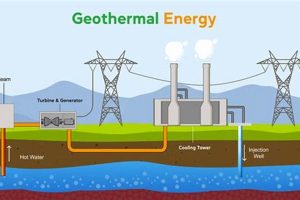
Technological maturity gaps present a pivotal aspect when assessing the advantages and disadvantages of renewable energy source utilization. Disparities in technological advancement across various renewable energy sectors directly impact their efficiency, reliability, and cost-effectiveness. For example, photovoltaic (PV) technology, while commercially established, continually evolves, with ongoing research focused on improving cell efficiency and reducing manufacturing costs. Conversely, technologies such as advanced geothermal systems or wave energy converters remain in relatively early stages of development, facing challenges in scalability and economic viability. These disparities result in a complex landscape where certain renewable sources offer immediate, practical solutions while others require further innovation before widespread adoption becomes feasible. The rate of adoption of some techology will be affected if this gap exists.
The presence of these gaps influences investment decisions and policy considerations. Mature technologies like wind and solar often benefit from established supply chains and economies of scale, attracting greater investment and enabling wider deployment. Nascent technologies, however, require targeted research funding and supportive policies to bridge the maturity gap and reach commercial viability. Examples include government-funded pilot projects for advanced energy storage solutions and incentives for developing innovative geothermal drilling techniques. Without such support, potentially promising renewable energy technologies may struggle to compete with established, albeit less sustainable, alternatives. This is often because other technology like gas and coal is already well-entrenched into our grid’s power grid.
In summary, technological maturity gaps significantly shape the relative advantages and disadvantages of different renewable energy sources. Addressing these gaps through strategic research and development, supportive policies, and targeted investments is critical for accelerating the transition to a sustainable and diversified energy mix. Recognizing the current state of technological advancement within each sector enables a more nuanced and informed assessment of the overall potential and challenges associated with renewable energy utilization, allowing stakeholders to prioritize resources and implement effective strategies for achieving long-term energy sustainability.
4. Economic competitiveness factors

Economic competitiveness factors play a central role in determining the rate and extent of renewable energy integration. These factors influence the financial viability of renewable energy projects and, consequently, their ability to compete with traditional fossil fuel-based power generation. Understanding these factors is crucial for a balanced assessment of the advantages and disadvantages of renewable energy utilization.
- Initial Capital Investment
Renewable energy projects often require significant upfront capital investment. Solar and wind farms, for instance, involve substantial expenses for equipment procurement, installation, and grid connection. High initial costs can deter potential investors, particularly in developing countries where access to capital may be limited. However, these costs are offset by lower operating expenses compared to fossil fuel plants. The scale of initial outlay is therefore a major determinant in weighing up the advantages (long-term operational savings) against the disadvantages (high upfront investment) of renewables.
- Operating and Maintenance Costs
While renewable energy facilities typically have lower operating and maintenance (O&M) costs compared to fossil fuel plants, these costs are not negligible. Wind turbines, for example, require periodic maintenance and repairs, and solar panels may need cleaning to maintain optimal efficiency. O&M costs can vary depending on the technology, location, and operating conditions. Accurately projecting these costs is crucial for assessing the long-term economic viability of renewable energy projects. These costs also become crucial to weigh up when determining how useful it will be to use and maintain.
- Government Incentives and Subsidies
Government policies, such as tax credits, feed-in tariffs, and renewable energy mandates, can significantly influence the economic competitiveness of renewable energy. These incentives reduce the financial burden on renewable energy developers and encourage investment in clean energy technologies. However, the long-term sustainability of these incentives is uncertain, and changes in policy can impact the economic viability of renewable energy projects. Therefore weighing up the advantages and disadvantages and determining if incentives will exist is paramount.
- Fuel Costs and Price Volatility
Renewable energy sources, such as solar and wind, do not require fuel, shielding them from fluctuations in fuel prices. Fossil fuel plants, on the other hand, are susceptible to price volatility, which can significantly impact their operating costs. The stability of renewable energy costs provides a competitive advantage in the long run, particularly as fossil fuel prices continue to rise and become more unpredictable. However, this advantage can be offset by the intermittency of renewable resources, which may require the use of backup generation sources. The stability then becomes paramount and adds an extra layer to the decision to use or not.
The aforementioned economic competitiveness factors interact in complex ways to influence the overall attractiveness of renewable energy. Initial investment hurdles, ongoing operational costs, the influence of governmental support, and the volatility of fossil fuel expenses collectively determine the economic feasibility of transitioning to cleaner energy sources. By addressing these factors through strategic investments, supportive policies, and technological innovations, the widespread adoption of renewable energy can be accelerated, paving the way for a more sustainable energy future.
5. Grid integration challenges

Grid integration challenges constitute a critical dimension within the broader assessment of advantages and disadvantages regarding renewable energy source utilization. These challenges arise from the fundamental differences between the operational characteristics of renewable energy systems and those of conventional, centralized power plants. Renewable sources, particularly solar and wind, are inherently variable and geographically dispersed, posing significant difficulties for maintaining grid stability, reliability, and overall system efficiency. Effectively addressing these challenges is paramount to realizing the potential benefits of renewable energy while mitigating potential drawbacks.
A primary obstacle stems from the intermittent nature of renewable energy supply. Solar power generation fluctuates with daylight hours and weather conditions, while wind power depends on wind speed variability. This contrasts sharply with the dispatchable nature of traditional fossil fuel or nuclear power plants, which can adjust their output to meet real-time demand. To accommodate this variability, grid operators must invest in advanced forecasting techniques, energy storage solutions, and flexible grid infrastructure. For example, the integration of large-scale solar farms in California has necessitated significant upgrades to transmission lines and the implementation of sophisticated grid management tools to handle the influx of power during peak sunlight hours. The failure to adequately address intermittency issues can lead to grid instability, increased reliance on backup generation, and reduced overall efficiency of the renewable energy system. Furthermore, the geographically dispersed nature of renewable energy resources necessitates the construction of new transmission lines to connect remote generation sites to load centers. These infrastructure projects can be costly, time-consuming, and face environmental and social opposition. Germany’s experience with expanding its wind power capacity highlights this challenge, as the construction of new transmission lines to transport wind power from the north to the industrial south has been delayed due to regulatory hurdles and public concerns.
In conclusion, grid integration challenges represent a significant impediment to the widespread adoption of renewable energy. Addressing these challenges requires a multi-faceted approach that encompasses technological innovation, infrastructure investment, and policy support. Overcoming these obstacles is essential to unlock the full potential of renewable energy and ensure a reliable, sustainable, and cost-effective energy future. A failure to properly consider the costs associated to improve grid structure can skew an overall assessment of viability.
6. Long-term sustainability gains
Long-term sustainability gains constitute a primary motivator and a key anticipated outcome of transitioning from fossil fuel-based energy systems to renewable alternatives. The extent to which renewable energy source utilization can deliver genuine and enduring sustainability benefits is central to evaluating its overall value proposition, encompassing both advantages and disadvantages.
- Reduced Greenhouse Gas Emissions
A core long-term sustainability gain lies in the substantial reduction of greenhouse gas emissions. Replacing fossil fuels with renewable sources such as solar, wind, and hydropower directly decreases the release of carbon dioxide and other heat-trapping gases into the atmosphere, mitigating climate change impacts. The German Energiewende, while facing challenges, illustrates the potential for significant emissions reductions through renewable energy deployment. However, the actual emissions reduction depends on factors such as the lifecycle emissions of renewable energy technologies and the efficiency of grid integration. If manufacturing processes for wind turbines continue to rely on fossil fuels, or if renewable power is used inefficiently, the net sustainability gains will be diminished.
- Resource Depletion Mitigation
Fossil fuels are finite resources, and their continued extraction and combustion lead to resource depletion. Renewable energy sources, on the other hand, rely on naturally replenishing resources, such as sunlight, wind, and water. By shifting towards renewable energy, societies can reduce their dependence on dwindling fossil fuel reserves, ensuring greater long-term resource security. For example, countries with limited fossil fuel resources, such as Denmark, have successfully invested in wind power to reduce their reliance on imported energy. However, the extraction of materials needed for renewable energy technologies, such as rare earth minerals for wind turbines and solar panels, can pose new resource depletion challenges. Sustainable sourcing and recycling of these materials are crucial for maximizing long-term sustainability gains.
- Improved Air and Water Quality
Combustion of fossil fuels releases harmful air pollutants, such as particulate matter, sulfur dioxide, and nitrogen oxides, which contribute to respiratory illnesses and other health problems. Renewable energy sources produce little to no air pollution during operation, leading to improved air quality and public health benefits. Furthermore, fossil fuel extraction and transportation can contaminate water resources through oil spills and fracking activities. Renewable energy technologies, such as solar and wind, have minimal impact on water quality. For example, the transition to renewable energy in cities like Los Angeles has been driven, in part, by the desire to reduce smog and improve air quality for residents. However, hydroelectric dams can alter river ecosystems and impact water availability downstream. A comprehensive assessment must consider the potential impacts of renewable energy projects on water resources and implement mitigation measures to minimize any negative effects.
- Energy Security Enhancement
Reliance on imported fossil fuels can make countries vulnerable to geopolitical instability and price fluctuations. Renewable energy sources offer a pathway to greater energy independence and security, as they can be developed domestically and are not subject to the same supply chain vulnerabilities as fossil fuels. Countries like Iceland, which relies almost entirely on renewable energy sources, demonstrate the potential for achieving energy self-sufficiency. However, the global supply chains for renewable energy technologies, such as solar panels and batteries, can still be vulnerable to disruptions. Diversifying supply chains and promoting domestic manufacturing of renewable energy components can further enhance energy security.
These facets of long-term sustainability gains underscore the potential benefits of transitioning to renewable energy sources. However, realizing these gains requires careful planning, strategic investments, and a comprehensive assessment of the potential disadvantages. Addressing challenges such as intermittency, grid integration, and resource extraction is crucial for maximizing the long-term sustainability benefits of renewable energy utilization and ensuring a truly sustainable energy future.
Frequently Asked Questions
This section addresses common inquiries regarding the benefits and drawbacks of adopting renewable energy sources, providing factual answers to facilitate a better understanding of this complex topic.
Question 1: Are renewable energy sources truly carbon-neutral?
While renewable energy sources produce minimal to no emissions during operation, the manufacturing, transportation, and installation of renewable energy technologies, such as solar panels and wind turbines, do involve some carbon emissions. A comprehensive life-cycle assessment is necessary to determine the net carbon footprint of each technology.
Question 2: How does the intermittency of solar and wind energy affect grid reliability?
The variable nature of solar and wind energy can pose challenges to grid stability. Fluctuations in renewable energy production require advanced grid management techniques, energy storage solutions, and backup generation sources to maintain a reliable electricity supply. Smart grids and demand response programs can also help to mitigate the impact of intermittency.
Question 3: What are the primary economic barriers to widespread renewable energy adoption?
High upfront capital costs, limited access to financing, and inconsistent government policies are among the primary economic barriers. While operating costs are typically lower for renewable energy facilities, the initial investment can be a significant deterrent. Government incentives, such as tax credits and feed-in tariffs, can help to overcome these barriers.
Question 4: Are renewable energy sources land-intensive?
Some renewable energy technologies, such as solar and wind farms, require significant land areas. This can raise concerns about land use conflicts and potential impacts on ecosystems. However, the land used for renewable energy facilities can often be co-located with other activities, such as agriculture, and offshore wind farms minimize land use concerns.
Question 5: What is the role of energy storage in facilitating renewable energy integration?
Energy storage technologies, such as batteries, pumped hydro, and compressed air energy storage, are crucial for addressing the intermittency of solar and wind energy. Energy storage systems can store excess renewable energy during periods of high production and release it when demand is high, ensuring a more reliable electricity supply.
Question 6: How does renewable energy development affect local communities?
Renewable energy projects can bring economic benefits to local communities through job creation, tax revenues, and lease payments to landowners. However, they can also have negative impacts, such as noise pollution from wind turbines and visual impacts on the landscape. Engaging with local communities and addressing their concerns is essential for ensuring that renewable energy projects are developed in a sustainable and equitable manner.
In conclusion, the effective integration of renewable energy sources hinges on addressing technical challenges, mitigating economic barriers, and engaging stakeholders in a transparent and collaborative manner. A balanced perspective that acknowledges both the advantages and disadvantages is essential for making informed decisions and promoting a sustainable energy transition.
The following section delves into future trends and innovations in the renewable energy sector.
Concluding Assessment
The preceding analysis demonstrates the complex interplay of benefits and drawbacks associated with the integration of renewable energy sources. While offering substantial long-term advantages in environmental sustainability and resource security, the effective utilization of these sources requires careful consideration of economic competitiveness, technological maturity, and grid integration challenges. The examination has highlighted the need for strategic planning, supportive policies, and continuous innovation to maximize the positive impacts and mitigate potential negative consequences.
The future trajectory of energy systems necessitates a continued commitment to addressing the inherent limitations of renewable energy technologies while capitalizing on their potential. Prioritizing research and development, implementing robust grid infrastructure, and fostering collaborative partnerships are essential steps in achieving a sustainable and resilient energy future. The ongoing evolution of the energy landscape demands informed decision-making and a holistic perspective that acknowledges both the opportunities and the complexities of renewable energy source utilization.