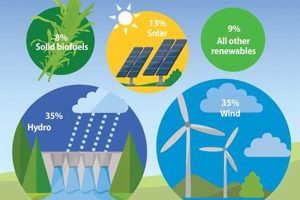
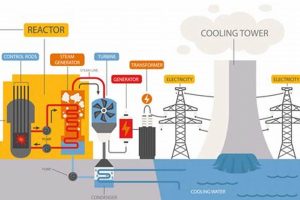
Powering modern society requires a diverse array of methods for converting natural resources and phenomena into usable forms. These methods range from harnessing the sun’s radiant power to extracting subterranean geological fuels. Examples include photovoltaic panels converting sunlight to electricity, wind turbines transforming kinetic energy into power, hydroelectric dams utilizing gravitational potential, and combustion plants burning fuels for thermal generation.
The ability to generate electricity and fuel various processes is fundamental to economic development, technological advancement, and societal well-being. Historically, the reliance on specific methods has shaped geopolitical landscapes, driven industrial revolutions, and influenced environmental considerations. Expanding access to diverse and reliable powering methods increases resilience, promotes sustainability, and allows for customized solutions based on regional resources and demands.
This article will delve into the various categories available today, examining the operational principles, advantages, limitations, and environmental impacts of each. Consideration will be given to both established and emerging methods, analyzing their role in meeting present and future powering requirements. Furthermore, the economic factors, technological innovations, and policy frameworks that shape their adoption and deployment will be discussed.
Considerations for Implementing Varied Power Generation Methods
Implementing diverse power generation approaches requires a multifaceted strategy that balances technological feasibility, economic viability, and environmental responsibility.
Tip 1: Assess Resource Availability: Evaluate the geographically specific availability of resources such as solar irradiance, wind velocity, geothermal gradients, and biomass potential. This assessment forms the foundation for selecting appropriate techniques.
Tip 2: Prioritize Energy Efficiency: Invest in technologies and practices that minimize energy consumption across all sectors. Reduced demand lightens the load on power generation infrastructure and lowers the overall requirement for resource extraction.
Tip 3: Diversify the Energy Mix: Avoid over-reliance on a single method. A diverse portfolio, incorporating a combination of intermittent and baseload generation technologies, enhances grid stability and reduces vulnerability to supply disruptions.
Tip 4: Invest in Grid Modernization: Modernize the transmission and distribution infrastructure to accommodate the variability of intermittent methods. Smart grids with enhanced monitoring and control capabilities are essential.
Tip 5: Promote Energy Storage: Integrate energy storage solutions, such as battery storage, pumped hydro, and compressed air storage, to mitigate the intermittency challenges associated with renewable methods and improve grid reliability.
Tip 6: Establish Supportive Policy Frameworks: Implement policies that incentivize investment in renewable methods, promote energy efficiency, and facilitate grid modernization. These policies should be stable, transparent, and long-term oriented.
Tip 7: Foster Innovation and Research: Support research and development efforts focused on improving the efficiency, reducing the cost, and enhancing the reliability of both established and emerging power generation technologies.
Tip 8: Conduct Life Cycle Assessments: Employ comprehensive life cycle assessments to evaluate the environmental impacts of different techniques, considering the entire supply chain from resource extraction to decommissioning. This provides a holistic understanding of the sustainability of each method.
Adopting these considerations enhances the probability of a successful transition to a resilient, sustainable, and economically viable energy future.
These considerations will be further examined in the subsequent sections of this article.
1. Availability and Accessibility

The practicality of any power generating method is fundamentally linked to the prevalence and ease of acquiring its primary source. Resource abundance does not inherently translate to accessibility, as geographical constraints, infrastructural limitations, and geopolitical factors often impede efficient harnessing. The uneven distribution of resources, therefore, necessitates careful consideration of logistical challenges and strategic planning when determining regional powering strategies. This intersection of prevalence and ease profoundly influences the viability and widespread adoption of specific energy solutions.
Hydroelectric power, for instance, depends on substantial water sources and suitable topography for dam construction. Regions lacking these features are precluded from harnessing this method effectively, irrespective of the inherent advantages of hydropower. Similarly, geothermal power generation requires access to subsurface geothermal gradients, which are concentrated in specific tectonic regions. The availability of solar irradiance, while geographically widespread, varies significantly with latitude and cloud cover, impacting the efficiency and economic feasibility of photovoltaic systems. The accessibility of fossil fuel reserves is often determined by complex geopolitical factors and the economic viability of extraction, impacting pricing and long-term supply security.
In summary, the interplay between resource prevalence and accessibility forms a critical determinant in shaping a nation’s powering landscape. Overcoming the challenges associated with geographically constrained resources requires investment in advanced grid infrastructure, innovative transmission technologies, and strategic resource diversification. Understanding this intricate relationship is paramount for designing robust, sustainable, and equitable powering solutions capable of meeting the evolving needs of modern society.
2. Conversion Efficiency

Conversion efficiency represents a critical parameter in evaluating the viability and overall effectiveness of different power generation methodologies. It quantifies the proportion of raw material or energy input successfully transformed into usable electricity or thermal energy. Maximizing this ratio directly influences resource utilization, environmental impact, and economic competitiveness. Lower efficiencies translate to increased resource depletion, heightened emissions, and elevated costs, underscoring the importance of technological advancements aimed at optimizing the conversion process.
- Thermodynamic Limits
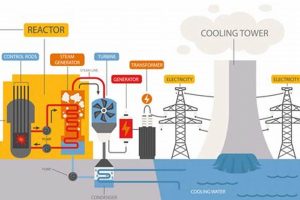
The laws of thermodynamics impose fundamental limits on the maximum attainable efficiency of specific conversion processes. The Carnot efficiency, for example, defines the theoretical upper bound for heat engines operating between two temperature reservoirs. Real-world power plants, utilizing fossil fuels or nuclear reactions to generate steam, invariably fall short of this ideal due to inherent irreversibilities. These thermodynamic constraints necessitate ongoing research into alternative conversion pathways that circumvent these limitations and achieve higher efficiencies.
- Material Science Advancements
The development of novel materials plays a pivotal role in enhancing conversion efficiency across various power generation methods. In photovoltaic technology, for instance, advancements in semiconductor materials, such as perovskites and multi-junction solar cells, have led to substantial improvements in light-to-electricity conversion rates. Similarly, in wind turbine technology, the use of advanced composite materials allows for the construction of larger, more efficient blades capable of capturing a greater proportion of wind energy.
- Technological Optimization
Beyond fundamental physical limits and material properties, the efficiency of power generating systems can be significantly improved through optimized design and operational strategies. In combined cycle gas turbines, for example, waste heat from the gas turbine is utilized to generate steam, which then drives a steam turbine, thereby increasing the overall cycle efficiency. Similarly, smart grid technologies and advanced control algorithms can optimize the performance of renewable installations, maximizing energy capture and minimizing losses.
- Environmental Considerations
Improving conversion efficiency directly contributes to reducing the environmental footprint of power generation. Higher efficiency means that less primary resource is required to produce a given amount of power, leading to lower emissions of greenhouse gasses, air pollutants, and reduced land use for resource extraction and power plant infrastructure. This underscores the crucial role of efficiency improvements in achieving sustainable energy transitions and mitigating the effects of climate change.
The pursuit of enhanced conversion efficiency remains a central driver of innovation across the spectrum of energy options. From fundamental research into novel materials to the implementation of advanced engineering solutions, continuous efforts to optimize the transformation of source into usable power are essential for creating a cleaner, more sustainable, and economically viable energy future. The specific efficiency characteristics of each power generation method critically influence its applicability within a broader diversified powering portfolio.
3. Environmental Consequences
The environmental implications associated with various power-generating methods constitute a critical consideration in the comprehensive evaluation of energy strategies. Each method, from fossil fuel combustion to renewable harvesting, presents unique environmental challenges and opportunities, influencing ecological integrity, human health, and climate stability.
- Atmospheric Emissions
The combustion of fossil fuels, such as coal, oil, and natural gas, releases greenhouse gasses (carbon dioxide, methane, and nitrous oxide) and air pollutants (sulfur dioxide, nitrogen oxides, and particulate matter) into the atmosphere. Greenhouse gas emissions contribute to climate change, driving global warming, sea-level rise, and extreme weather events. Air pollutants negatively impact human health, causing respiratory illnesses, cardiovascular diseases, and premature mortality. Mitigation strategies include carbon capture and storage technologies, fuel switching to cleaner alternatives, and implementation of stringent emission control regulations.
- Land Use Impacts
Power generation infrastructure often necessitates substantial land areas, leading to habitat loss, deforestation, and disruption of ecosystems. Hydroelectric dams inundate vast tracts of land, displacing communities and altering riverine ecosystems. Solar farms and wind farms require extensive land areas for deployment, potentially impacting biodiversity and land use patterns. Mining operations for fuel extraction can cause significant environmental damage, including soil erosion, water contamination, and habitat destruction. Careful land use planning, site selection, and ecological restoration efforts are essential to minimize these impacts.
- Water Consumption and Pollution
Many power generation processes require significant amounts of water for cooling, extraction, and processing. Thermal power plants, including coal, nuclear, and natural gas plants, consume large volumes of water, potentially depleting water resources and altering aquatic ecosystems. Hydraulic fracturing for natural gas extraction can contaminate groundwater resources with chemicals and methane. Water pollution from power generation activities can harm aquatic life, degrade water quality, and pose risks to human health. Water-efficient technologies, closed-loop cooling systems, and responsible water management practices are crucial for mitigating these impacts.
- Waste Generation and Disposal
Certain power generation methods produce significant amounts of waste that require careful management and disposal. Nuclear power plants generate radioactive waste, which must be stored safely for thousands of years. Coal-fired power plants produce ash, which can contaminate soil and water resources if not properly managed. The manufacturing of solar panels and wind turbines generates hazardous waste materials. Proper waste management practices, recycling initiatives, and the development of waste-to-energy technologies are necessary to minimize the environmental burdens associated with power generation.
The overarching objective is to transition towards a diversified mix that prioritizes environmental sustainability, minimizes ecological disruption, and safeguards the health and well-being of present and future generations. This demands continuous innovation, rigorous environmental impact assessments, and the implementation of responsible environmental management practices throughout the entire energy life cycle. The selection and development of technologies must align with global efforts to mitigate climate change, protect biodiversity, and promote a circular economy.
4. Economic Considerations

Economic factors exert a profound influence on the deployment and widespread adoption of various powering options. The economic viability of each method determines its competitiveness within the broader energy market and shapes investment decisions, policy interventions, and consumer behavior. A comprehensive understanding of these considerations is essential for crafting sustainable and cost-effective powering strategies.
- Capital Costs and Infrastructure Investment
The initial investment required to construct and deploy power generating facilities represents a significant barrier to entry for certain technologies. Renewable methods, such as solar and wind, often entail high upfront capital costs for manufacturing and installation. Fossil fuel plants necessitate substantial investments in infrastructure, including extraction equipment, pipelines, and transportation networks. Government subsidies, tax incentives, and innovative financing mechanisms can play a crucial role in mitigating these capital costs and promoting investment in preferred powering options.
- Operating and Maintenance Expenses
Beyond initial capital costs, ongoing operating and maintenance expenses significantly impact the long-term economic viability of power plants. Fossil fuel plants incur fuel costs, which can fluctuate significantly depending on market conditions and geopolitical factors. Nuclear power plants face high operating costs associated with fuel management, waste disposal, and safety compliance. Renewable installations, while typically having low operating costs, may require periodic maintenance and component replacements. Efficient operation, proactive maintenance strategies, and technological advancements can help minimize these expenses and improve overall economic performance.
- Levelized Cost of Energy (LCOE)
The Levelized Cost of Energy (LCOE) serves as a standardized metric for comparing the economic competitiveness of diverse methods across their entire life cycle. LCOE incorporates all costs associated with building, operating, and decommissioning a power plant, expressed as a cost per unit of electricity generated (e.g., dollars per megawatt-hour). Lower LCOE values indicate greater economic competitiveness. LCOE calculations provide valuable insights for policymakers, investors, and consumers in evaluating the economic attractiveness of different powering options and informing investment decisions.
- Market Dynamics and Revenue Streams
The revenue generated by power plants depends on market dynamics, electricity demand, and pricing structures. Wholesale electricity markets, regulated by independent system operators, determine the prices at which electricity is sold to utilities and consumers. Renewable installations may benefit from feed-in tariffs, net metering policies, or renewable energy certificates, which provide guaranteed revenue streams and incentivize investment. The economic viability of power plants is contingent on their ability to generate sufficient revenue to cover costs and achieve a reasonable return on investment.
The interplay of these economic factors shapes the powering landscape, influencing technology choices, investment patterns, and energy policy decisions. A comprehensive understanding of these considerations is essential for promoting a sustainable and economically viable energy future. As technology evolves and markets mature, ongoing assessments of economic factors are necessary to ensure that power systems remain efficient, competitive, and responsive to evolving needs.
5. Technological Maturity

The level of technological development significantly influences the feasibility, reliability, and scalability of various methods. Methods with mature technologies benefit from established infrastructure, proven performance records, and readily available expertise, whereas those relying on nascent technologies often face challenges related to technical uncertainties, high development costs, and limited operational experience. Assessing this level is crucial for making informed decisions about powering strategies and resource allocation.
- Proven Reliability and Performance
Mature technologies demonstrate consistent and predictable performance under various operating conditions. For example, conventional nuclear power plants, with decades of operational history, exhibit a well-established reliability record. Conversely, emerging technologies like fusion power remain unproven at a commercial scale, facing significant challenges in achieving sustained energy output and maintaining system stability.
- Scalability and Deployment Capacity
Mature technologies possess the capacity for large-scale deployment and integration into existing energy systems. The widespread use of natural gas power plants is facilitated by a well-developed natural gas pipeline network and established manufacturing capabilities. In contrast, methods such as advanced geothermal systems, while promising, face constraints related to site-specific geological conditions and limited infrastructure for large-scale energy extraction and distribution.
- Cost-Effectiveness and Economic Viability
Mature technologies benefit from economies of scale and optimized manufacturing processes, resulting in lower production costs and improved economic competitiveness. Wind energy, for instance, has experienced significant cost reductions in recent years due to technological advancements and large-scale manufacturing, making it competitive with traditional fossil fuels in many regions. Technologies still in the developmental phase often face high costs associated with research, prototyping, and early-stage deployment.
- Integration with Existing Infrastructure
Mature technologies can be seamlessly integrated into existing energy grids and infrastructure networks. The integration of solar photovoltaic systems into electricity grids is facilitated by established grid management practices and standardized interconnection protocols. However, methods like hydrogen production from renewable sources may require significant infrastructure upgrades and adaptations to accommodate the unique characteristics of hydrogen as an fuel.
In conclusion, the maturity of the underlying technologies directly shapes the prospects for each method. While mature technologies offer established reliability and scalability, emerging technologies hold the potential for transformative breakthroughs but require sustained investment and rigorous testing to realize their full potential. Balancing the deployment of established technologies with the development of promising innovations is crucial for building a resilient and sustainable energy future.
Frequently Asked Questions About Varied Power Generation Methods
The following addresses prevalent inquiries concerning different sources of energy, aiming to clarify misconceptions and provide accurate information.
Question 1: What constitutes a “renewable” energy source, and what distinguishes it from a “non-renewable” one?
A renewable resource is naturally replenished at a rate comparable to its consumption. Examples include solar, wind, hydro, and geothermal. A non-renewable resource, such as fossil fuels and uranium, exists in finite quantities and is not replenished within a human timescale.
Question 2: How does intermittency affect the reliability of solar and wind powering methods?
Intermittency refers to the variable and unpredictable nature of solar and wind resources. This variability necessitates the integration of energy storage solutions, grid modernization, and diversified generating portfolios to ensure continuous and reliable power supply.
Question 3: What are the primary environmental impacts associated with hydroelectric power generation?
Hydroelectric dams can cause habitat destruction, alter riverine ecosystems, impede fish migration, and release greenhouse gasses from decaying vegetation in reservoirs. Proper environmental impact assessments and mitigation strategies are essential for minimizing these adverse effects.
Question 4: Is nuclear power a “clean” energy source?
Nuclear power generation does not directly emit greenhouse gasses during operation. However, it poses risks related to radioactive waste disposal, potential accidents, and nuclear proliferation. A comprehensive evaluation of its environmental footprint requires consideration of the entire nuclear fuel cycle.
Question 5: What is carbon capture and storage (CCS), and how does it mitigate the environmental impacts of fossil fuel combustion?
CCS involves capturing carbon dioxide emissions from power plants and industrial facilities, transporting the CO2, and storing it permanently underground. This technology aims to prevent CO2 from entering the atmosphere and contributing to climate change. However, CCS remains a costly and energy-intensive process.
Question 6: What role does energy efficiency play in transitioning to a sustainable energy future?
Improving energy efficiency reduces overall energy demand, lessening the strain on generating infrastructure and lowering emissions. Energy efficiency measures encompass a wide range of actions, including building insulation, efficient appliances, and optimized industrial processes. Promoting energy efficiency is a crucial step towards a more sustainable and resilient energy system.
Understanding these questions is crucial for informed discussions on power generation. Choosing the right path forward needs diligent analysis of pros and cons.
The next section will delve into future trends and developments in the realm of varying power generation techniques.
Conclusion
The preceding exploration of the variety of power generation methods underscores the complex interplay of technical feasibility, economic viability, and environmental responsibility. Each method, whether established or emerging, presents distinct advantages and limitations. The selection and implementation of these methods must be guided by a comprehensive understanding of resource availability, conversion efficiency, environmental consequences, economic considerations, and technological maturity.
The future energy landscape will be shaped by the ongoing pursuit of innovative solutions, the refinement of existing technologies, and the implementation of sound policies. Continuous research and development are essential for unlocking the potential of sustainable, efficient, and resilient generating methods. Ultimately, a commitment to informed decision-making and responsible resource management is imperative for ensuring a reliable and sustainable energy supply for generations to come.