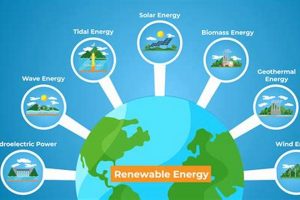
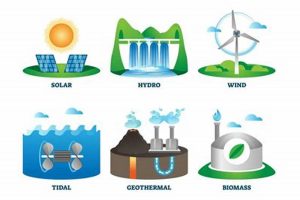
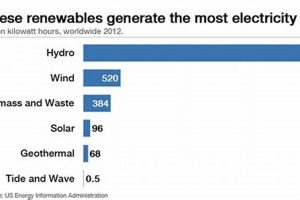
The categorization of nuclear power as a renewable resource is a complex issue. Renewable energy sources are generally defined as those that replenish naturally over a human timescale, such as solar, wind, and hydropower. These sources rely on continuous natural processes. Nuclear power, conversely, utilizes the energy stored within the nucleus of atoms, typically uranium, through a process called nuclear fission.
The debate around whether nuclear power qualifies for renewable status hinges on the availability of its fuel source and waste management. Uranium, while abundant, is a finite resource extracted from the earth. Furthermore, the spent nuclear fuel generates long-lived radioactive waste that requires careful storage and disposal. Proponents argue that breeder reactors, which can produce more fissile material than they consume, could potentially make nuclear power a more sustainable energy option. Some countries also consider nuclear power a vital component in achieving carbon emission reduction targets and energy security, recognizing its low carbon footprint during operation.
Therefore, understanding the nuances of resource availability, waste disposal strategies, and technological advancements is essential when evaluating nuclear energy’s place in a sustainable energy future. The subsequent discussion will delve into the key considerations that inform this categorization, exploring both the potential benefits and challenges associated with nuclear power’s role in meeting global energy demands.
Considerations Regarding Nuclear Energy’s Classification
This section outlines key considerations relevant to classifying nuclear power within the framework of renewable energy sources. A thorough understanding of these points is crucial for informed decision-making regarding energy policy and resource allocation.
Tip 1: Resource Depletion Assessment: Evaluate the long-term availability of uranium and thorium reserves. While currently abundant, these are finite resources, and projections of future demand must be considered. Assess the potential of advanced reactor technologies like breeder reactors to extend resource longevity.
Tip 2: Waste Management Solutions: Analyze the safety and sustainability of nuclear waste disposal strategies. Deep geological repositories are the current leading option, but research into advanced recycling techniques that reduce waste volume and radioactivity should be prioritized. Account for the long-term environmental impact and associated monitoring costs.
Tip 3: Carbon Footprint Analysis: Conduct a comprehensive life-cycle assessment of greenhouse gas emissions associated with nuclear power, including uranium mining, fuel enrichment, reactor construction, operation, and decommissioning. Compare this footprint to other energy sources, including fossil fuels and renewables, to determine its contribution to climate change mitigation.
Tip 4: Energy Security Implications: Evaluate the potential for nuclear power to enhance energy independence and reduce reliance on imported fossil fuels. Consider the geopolitical factors related to uranium supply and the impact on national security.
Tip 5: Technological Advancements: Monitor the development and deployment of new reactor designs, such as small modular reactors (SMRs) and Generation IV reactors, which offer improved safety, efficiency, and waste management capabilities. These advancements may significantly impact the long-term viability and sustainability of nuclear power.
Tip 6: Economic Considerations: Analyze the capital costs associated with building and operating nuclear power plants, as well as the operating expenses for waste disposal. Compare these costs with other energy alternatives to determine the economic competitiveness of nuclear power.
Tip 7: Regulatory Frameworks: Ensure that robust and transparent regulatory frameworks are in place to oversee the safe operation of nuclear facilities and the secure management of nuclear materials. International cooperation and standardization are essential to maintain high safety standards globally.
These points highlight the multifaceted nature of the issue and the need for a holistic perspective. By addressing these considerations, stakeholders can make informed decisions regarding the role of nuclear energy in a sustainable energy future.
The final section will summarize these key takeaways and offer concluding remarks regarding the ongoing debate.
1. Fuel Source (Uranium)

The classification of nuclear power relative to renewable energy is intrinsically linked to its fuel source, uranium. The characteristics of uranium, its availability, and extraction methods are key determinants in evaluating nuclear power’s long-term sustainability and, consequently, its categorization.
- Finite Resource Nature
Uranium, unlike solar radiation or wind, is a finite resource extracted from the earth’s crust. Its quantity is limited, and extraction depletes reserves. This inherent limitation contrasts with the defining characteristic of renewable resources, which are continuously replenished through natural processes. The finite nature of uranium raises questions about the long-term viability of nuclear power as a truly sustainable energy source.
- Geopolitical Considerations
Uranium resources are unevenly distributed across the globe, leading to geopolitical dependencies. Countries without domestic uranium deposits must rely on imports, potentially creating vulnerabilities in energy supply. This dependence contrasts with the inherent energy independence often associated with renewable sources like solar and wind, which are geographically ubiquitous.
- Extraction and Environmental Impact
Uranium mining and processing can have significant environmental consequences, including habitat destruction, water contamination, and radiation exposure. These impacts are often associated with conventional mining practices and can raise concerns about the overall sustainability of nuclear power. While advancements in mining techniques aim to mitigate these effects, they remain a crucial factor in assessing nuclear power’s environmental footprint.
- Breeder Reactor Potential
Breeder reactor technology offers the potential to extend uranium resources by converting non-fissile isotopes into fissile material. This technology, while not widely deployed, could theoretically address the finite resource concern by significantly increasing the available fuel supply. The successful implementation and widespread adoption of breeder reactors could alter the perception of uranium as a limiting factor in nuclear power’s sustainability.
Ultimately, the reliance on uranium as a fuel source presents a fundamental challenge to classifying nuclear power as renewable. While advanced technologies like breeder reactors offer potential solutions, the finite nature of uranium and the environmental impacts of its extraction require careful consideration when evaluating nuclear power’s long-term sustainability and its place within the spectrum of energy sources.
2. Waste Management

The debate surrounding whether nuclear power is a renewable energy source is significantly influenced by the issue of waste management. Nuclear fission, the process that generates energy in nuclear reactors, produces radioactive waste products. These waste products, comprising spent nuclear fuel and other radioactive materials, remain hazardous for thousands of years. The long-term storage and disposal of this waste pose a substantial environmental challenge, directly impacting the assessment of nuclear power’s sustainability and its potential classification alongside renewable energy sources, which ideally produce minimal or no long-lived waste.
Effective waste management strategies are therefore crucial for mitigating the environmental impact of nuclear power. Currently, the most widely accepted approach is deep geological disposal, involving the burial of radioactive waste in stable geological formations deep underground. However, the selection of suitable disposal sites, public acceptance, and the assurance of long-term containment remain significant hurdles. Alternative waste management approaches, such as reprocessing and transmutation, aim to reduce the volume and radioactivity of nuclear waste, but these technologies are still under development and face economic and technical challenges. Examples such as the Yucca Mountain project in the United States, a proposed long-term storage facility that faced significant political and public opposition, illustrate the complexities involved in implementing waste management solutions. The successful development and implementation of safe and sustainable waste management strategies are therefore critical for enhancing the viability and acceptability of nuclear power as a long-term energy source.
In conclusion, the challenge of managing nuclear waste is a key factor that distinguishes nuclear power from conventional renewable energy sources. The absence of inherently long-lived waste streams is a defining characteristic of renewables. While advancements in waste management technologies offer potential solutions for minimizing the environmental impact of nuclear waste, the issue remains a significant barrier to classifying nuclear power as a renewable energy source. Future progress in this area will play a critical role in shaping the perception and long-term sustainability of nuclear energy.
3. Carbon Emissions

The assessment of carbon emissions associated with nuclear power is central to the discussion of whether it should be considered a renewable energy source. The extent to which nuclear energy contributes to or mitigates greenhouse gas emissions directly impacts its classification within sustainable energy portfolios.
- Operational Carbon Footprint
During electricity generation, nuclear power plants produce virtually no direct carbon dioxide emissions. This contrasts sharply with fossil fuel-based power plants, which are significant sources of atmospheric carbon. The absence of operational emissions is a key argument in favor of nuclear power’s role in decarbonizing the energy sector. For example, France’s reliance on nuclear power has contributed to its relatively low carbon emissions per capita compared to other industrialized nations.
- Life Cycle Emissions Analysis
A comprehensive evaluation necessitates considering the entire life cycle of a nuclear power plant, including uranium mining and processing, reactor construction, fuel enrichment, waste management, and decommissioning. These activities involve energy consumption and can contribute to carbon emissions. Studies vary in their estimates, but life cycle emissions from nuclear power are generally lower than those from fossil fuels and comparable to some renewable energy sources, such as solar power, when accounting for manufacturing and installation.
- Comparison with Renewable Alternatives
While nuclear power has lower carbon emissions than fossil fuels, the comparison with renewable energy sources is more nuanced. Wind and solar power, for instance, have minimal operational emissions and generally lower life cycle emissions than nuclear. However, the intermittency of these renewable sources often necessitates backup power from fossil fuels or energy storage solutions, which can increase their overall carbon footprint. Nuclear power offers a baseload energy supply with a relatively low carbon footprint, providing a more consistent alternative.
- Impact on Decarbonization Strategies
The role of nuclear power in achieving deep decarbonization goals is a subject of ongoing debate. Some argue that nuclear power is essential for replacing fossil fuels and ensuring a reliable energy supply, while others prioritize the development and deployment of renewable energy technologies. The optimal mix of energy sources will likely vary depending on regional factors, technological advancements, and policy decisions. However, the carbon emission profile of nuclear power makes it a relevant consideration in any comprehensive decarbonization strategy.
The relatively low carbon emissions associated with nuclear power, particularly during operation, contribute to the argument that it can play a role in mitigating climate change. However, the life cycle emissions and the availability of alternative low-carbon energy sources must be considered when evaluating its overall sustainability and its position in the spectrum of renewable energy options. The long-term viability of nuclear power as a climate solution hinges on continued efforts to minimize its environmental impact and improve its economic competitiveness.
4. Energy Security

Energy security, defined as the uninterrupted availability of energy sources at an affordable price, is a critical factor in evaluating the role of nuclear power and its potential categorization alongside renewable energy sources. The stability and independence of energy supply are essential for economic stability and national security. The contribution of nuclear power to energy security must be assessed in relation to the characteristics of renewable sources and the complexities of global energy markets.
- Diversification of Energy Supply
Nuclear power can diversify a nation’s energy portfolio, reducing reliance on single sources and mitigating risks associated with supply disruptions or price volatility. This diversification is particularly relevant in countries heavily dependent on imported fossil fuels. Nuclear power, with its domestic fuel cycle (even if importing uranium), can provide a buffer against geopolitical instability and market fluctuations that affect the availability and cost of imported energy. For instance, France’s investment in nuclear power has significantly reduced its dependence on imported oil and gas.
- Baseload Power Provision
Nuclear power plants provide a stable and reliable baseload electricity supply, operating continuously for extended periods. This contrasts with the intermittent nature of some renewable energy sources, such as solar and wind, which are dependent on weather conditions. The consistent output of nuclear power can ensure a reliable grid operation and meet the continuous energy demands of industrial and residential consumers. Germany’s experience with fluctuating renewable energy output highlights the value of a stable baseload power source.
- Domestic Resource Utilization
While uranium, the primary fuel for nuclear power, is a finite resource, it can often be sourced from domestic reserves or secured through long-term contracts with stable trading partners. This reduces vulnerability to international market disruptions and enhances national control over energy resources. Countries with significant uranium deposits, such as Canada and Australia, can leverage these resources to enhance their energy security.
- Infrastructure Resilience
Nuclear power plants are typically designed with robust safety features and security measures to withstand external threats, including natural disasters and acts of terrorism. This enhances the resilience of the energy infrastructure and ensures continued operation during emergencies. The ability of nuclear power plants to withstand severe weather events, such as hurricanes and earthquakes, is a critical factor in ensuring energy security and protecting essential services.
The multifaceted contribution of nuclear power to energy security underscores its strategic importance in a rapidly changing global energy landscape. While the classification of nuclear power as a renewable energy source remains a subject of debate, its role in ensuring a stable, reliable, and diversified energy supply cannot be overlooked. The integration of nuclear power into national energy strategies can enhance energy independence, reduce vulnerability to external shocks, and support long-term economic stability.
5. Technology Advancements

Technology advancements exert a profound influence on the ongoing debate regarding whether nuclear power should be classified as a renewable energy source. Innovations in reactor design, fuel cycles, and waste management directly address key concerns related to sustainability, resource utilization, and environmental impact, thereby affecting nuclear power’s potential alignment with the principles of renewable energy.
- Advanced Reactor Designs (Small Modular Reactors)
Small Modular Reactors (SMRs) represent a significant advancement in nuclear technology. These reactors, typically with a capacity of up to 300 MW(e), offer enhanced safety features, reduced capital costs, and greater flexibility in deployment compared to traditional large-scale nuclear power plants. Their modular design allows for factory fabrication and on-site assembly, reducing construction time and costs. Furthermore, SMRs can be deployed in remote locations and integrated with renewable energy sources, enhancing grid stability. The enhanced safety and flexibility of SMRs address concerns regarding the scalability and deployment of nuclear power, potentially positioning it as a more viable component of a sustainable energy mix.
- Advanced Fuel Cycles (Thorium Reactors)
Thorium-based reactors offer the potential to address concerns related to uranium resource depletion and waste management. Thorium is more abundant in the Earth’s crust than uranium, and thorium fuel cycles can produce less long-lived radioactive waste. Furthermore, thorium reactors are inherently proliferation-resistant, reducing the risk of nuclear weapons proliferation. India, for instance, has been actively pursuing thorium-based reactor technology to enhance its energy security and reduce its reliance on uranium imports. The development and deployment of thorium reactors could significantly enhance the sustainability and acceptability of nuclear power.
- Waste Management Innovations (Reprocessing and Recycling)
Advanced reprocessing and recycling technologies aim to reduce the volume and radioactivity of nuclear waste. Reprocessing involves separating reusable fissile materials from spent nuclear fuel, which can then be fabricated into new fuel. This reduces the demand for uranium mining and enrichment. Recycling technologies can further reduce the long-term radiotoxicity of nuclear waste by transmuting long-lived isotopes into shorter-lived or stable isotopes. France’s reprocessing facilities, for example, demonstrate the potential to recover valuable resources from spent nuclear fuel. The successful implementation of these technologies could significantly reduce the environmental burden associated with nuclear waste, enhancing the sustainability of nuclear power.
- Enhanced Safety Systems (Passive Safety Features)
Modern nuclear reactors incorporate passive safety features that rely on natural forces, such as gravity and convection, to prevent accidents without requiring active operator intervention or external power sources. These features enhance the inherent safety of nuclear power plants and reduce the risk of catastrophic accidents. Examples include passive core cooling systems and containment structures designed to withstand extreme events. The increased safety of modern reactors addresses public concerns regarding nuclear accidents and strengthens the case for nuclear power as a safe and reliable energy source. The development of Enhanced safety systems can reduce dependece to external power sources.
In conclusion, technological advancements are continuously reshaping the landscape of nuclear power. These innovations address critical challenges related to resource utilization, waste management, safety, and economics, potentially positioning nuclear energy as a more sustainable and acceptable component of a future energy mix. The extent to which these advancements are successfully implemented and deployed will ultimately determine nuclear power’s role in achieving long-term energy security and environmental sustainability.
6. Resource Depletion
The debate surrounding whether nuclear power constitutes a renewable energy source is intrinsically linked to the concept of resource depletion, particularly in the context of uranium, the primary fuel for most nuclear reactors. The finite nature of uranium reserves and the rate at which they are consumed are critical factors when evaluating nuclear power’s long-term sustainability and its categorization alongside renewable energy sources, which are replenished by natural processes within a human timescale.
- Uranium’s Finite Reserves and Extraction Rate
Uranium, while relatively abundant in the Earth’s crust, is a finite resource. The rate at which it is extracted and consumed influences the long-term viability of nuclear power. Current estimates of economically recoverable uranium reserves vary, but projections suggest that these reserves could be depleted within decades at current consumption rates if nuclear power becomes a dominant global energy source. The Paladin Energy Langer Heinrich Mine in Namibia serves as an example of a uranium extraction site contributing to the global supply. The depletion of easily accessible uranium deposits necessitates the exploration and exploitation of lower-grade ores, which often require more energy-intensive extraction methods, potentially increasing the environmental footprint of nuclear power.
- Breeder Reactor Technology as a Mitigation Strategy
Breeder reactor technology offers a potential solution to the challenge of uranium resource depletion. These reactors, such as the BN-800 reactor in Russia, are designed to produce more fissile material than they consume, effectively extending the lifespan of uranium reserves. By converting non-fissile isotopes into fissile plutonium, breeder reactors can significantly increase the available fuel supply. However, the widespread adoption of breeder reactor technology faces technical and economic hurdles, including concerns about nuclear proliferation and the higher capital costs associated with their construction and operation. Despite these challenges, breeder reactors represent a viable pathway for mitigating the resource depletion issue and enhancing the sustainability of nuclear power.
- Thorium as an Alternative Nuclear Fuel Source
Thorium presents an alternative nuclear fuel source that is more abundant than uranium. Thorium reactors, such as those under development in India, operate on a different nuclear fuel cycle and can potentially reduce the reliance on uranium. The Earth’s crust contains significantly more thorium than uranium, and thorium fuel cycles can produce less long-lived radioactive waste. However, thorium reactor technology is still in the developmental stage, and significant research and development are required to overcome technical challenges and ensure its safe and efficient operation. The successful deployment of thorium reactors could diversify the nuclear fuel supply and alleviate concerns regarding uranium resource depletion.
- The Interplay with Renewable Energy Adoption
The rate of uranium resource depletion is influenced by the adoption of renewable energy technologies. As renewable energy sources, such as solar and wind, become more prevalent, the demand for nuclear power may decrease, thereby slowing the depletion of uranium reserves. However, the intermittent nature of some renewable energy sources necessitates the availability of baseload power generation, which nuclear power can provide. The interplay between nuclear power and renewable energy sources will ultimately determine the rate at which uranium resources are consumed and the long-term viability of nuclear power as a sustainable energy source. Policies that promote energy efficiency and the development of renewable energy technologies can contribute to reducing the pressure on uranium reserves and enhancing the overall sustainability of the energy sector.
The finite nature of uranium resources poses a fundamental challenge to classifying nuclear power as a renewable energy source. While breeder reactor technology and the use of thorium fuel offer potential mitigation strategies, the long-term sustainability of nuclear power remains contingent on addressing the issue of resource depletion. The interplay between nuclear power, renewable energy sources, and energy efficiency measures will ultimately determine the role of nuclear power in a sustainable energy future.
7. Economic Viability

The categorization of nuclear power within the spectrum of renewable energy sources is significantly intertwined with its economic viability. The financial costs associated with constructing, operating, and decommissioning nuclear power plants, as well as managing nuclear waste, influence its competitiveness compared to other energy sources, including renewables. If nuclear power proves economically unsustainable, its long-term viability as a component of a diverse energy portfolio, irrespective of its environmental attributes, becomes questionable. The economic burden, if excessive, can hinder widespread adoption, thereby limiting its potential contribution to carbon emission reduction and energy security goals often associated with renewable energy.
Real-world examples illustrate this intricate relationship. The Vogtle Electric Generating Plant expansion in Georgia, United States, exemplifies the challenge. Significant cost overruns and construction delays have raised concerns about the economic feasibility of future nuclear projects. Conversely, countries like France, with established nuclear infrastructure and standardized designs, have historically benefited from relatively low electricity costs. These examples highlight the impact of factors such as regulatory frameworks, supply chain efficiency, and technological innovation on the economic viability of nuclear power. Practical understanding of these aspects is essential for informed policy decisions regarding energy investments and the formulation of realistic energy transition strategies.
Ultimately, the economic competitiveness of nuclear power is a critical determinant of its potential role in a sustainable energy future. Addressing the economic challenges through technological advancements, streamlined regulatory processes, and innovative financing mechanisms is essential to ensure that nuclear power can contribute effectively to meeting global energy demands while minimizing environmental impact. Only when nuclear power is both environmentally sound and economically viable can it be seriously considered as a key component of a diversified and sustainable energy mix, even if it doesn’t strictly fit the definition of “renewable”.
Frequently Asked Questions About Nuclear Power’s Renewable Status
This section addresses common queries regarding the classification of nuclear power as a renewable energy source. The information presented aims to provide clarity and inform understanding of the complexities surrounding this topic.
Question 1: Is nuclear power inherently renewable?
No, nuclear power is not inherently renewable. Renewable energy sources, such as solar and wind, are continuously replenished by natural processes. Nuclear power relies on uranium, a finite resource extracted from the earth.
Question 2: Can nuclear power be considered sustainable despite using a finite resource?
The sustainability of nuclear power is a complex issue. While uranium is finite, advanced reactor designs, such as breeder reactors, could potentially extend fuel resources by creating more fissile material than they consume. Additionally, responsible waste management practices are crucial for ensuring long-term sustainability.
Question 3: How do carbon emissions from nuclear power compare to renewable sources?
Nuclear power plants produce virtually no carbon emissions during operation. Life cycle emissions, including uranium mining, processing, and plant construction, are generally lower than fossil fuels and comparable to some renewable sources. However, renewable sources like wind and solar have minimal life cycle emissions.
Question 4: What role does nuclear waste play in determining its renewable status?
Nuclear waste management is a significant challenge. The long-term storage and disposal of radioactive waste present environmental concerns that distinguish nuclear power from most renewable energy sources, which produce minimal waste.
Question 5: How do advancements in nuclear technology impact its classification?
Advancements in reactor designs, fuel cycles, and waste management could enhance the sustainability of nuclear power. Small modular reactors, thorium reactors, and waste recycling technologies have the potential to improve resource utilization and reduce environmental impact. These advancements may influence its potential to be considered more sustainable.
Question 6: Does nuclear power contribute to energy security?
Nuclear power can enhance energy security by diversifying energy sources and reducing reliance on fossil fuel imports. Nuclear power plants provide a stable baseload electricity supply, contributing to grid reliability and resilience.
In summary, while nuclear power offers certain advantages, such as low carbon emissions during operation and enhanced energy security, its reliance on a finite resource and the challenges associated with waste management prevent its straightforward classification as a renewable energy source. Technological advancements and responsible waste disposal strategies are crucial for evaluating its long-term sustainability.
The subsequent section will offer concluding thoughts on the classification of nuclear power and its role in a sustainable energy future.
Is Nuclear Power Renewable Energy Source
This exploration has dissected the multifaceted nature of the assertion “is nuclear power renewable energy source.” The inherent limitations of uranium as a finite fuel, coupled with the challenges of long-term nuclear waste disposal, fundamentally differentiate it from resources that naturally replenish. While nuclear energy demonstrably offers low carbon emissions during operation and can bolster energy security, these benefits do not inherently qualify it as renewable. Technological advancements hold promise for improving sustainability, yet these solutions remain works in progress, not fully realized realities.
Therefore, a pragmatic approach is warranted. Nuclear power may serve as a transitional energy source, potentially bridging the gap between reliance on fossil fuels and a future dominated by demonstrably renewable technologies. However, its deployment must be coupled with rigorous safety standards, responsible waste management strategies, and continuous investment in truly renewable energy alternatives. Only through such a balanced and forward-looking approach can the potential benefits of nuclear power be harnessed while mitigating its inherent limitations, ensuring a genuinely sustainable energy future.