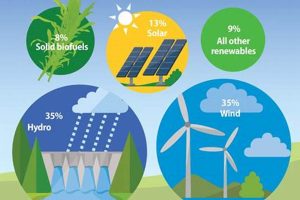
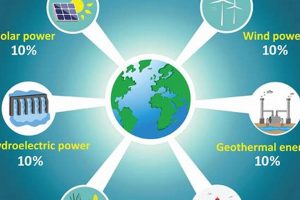
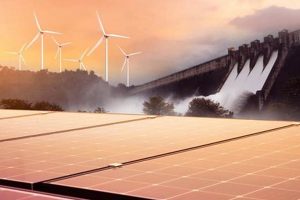
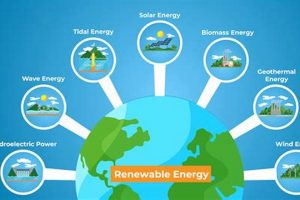
Energy derived from naturally replenishing processes is considered renewable. These resources are virtually inexhaustible on a human timescale, offering a sustainable alternative to fossil fuels. Solar radiation, wind, flowing water, geothermal heat, and biomass are examples of these constantly replenished sources.
The utilization of these resources offers numerous advantages, including reduced greenhouse gas emissions, decreased reliance on finite resources, and the potential for energy independence. Historically, societies have harnessed some of these energies for centuries, with recent advancements focusing on increasing efficiency and scalability.
This article will explore the specific categories of energy derived from these replenishing resources, detailing the technologies involved in their collection and conversion into usable power.
Harnessing Replenishable Power
Maximizing the potential of replenishable power demands careful planning and execution. The following tips offer practical guidance for informed decision-making regarding various technologies.
Tip 1: Evaluate Resource Availability: Before investing in any technology, conduct a thorough assessment of the available resource at the location. Solar irradiation levels, wind speeds, and geothermal gradients vary significantly, directly impacting potential energy production.
Tip 2: Understand System Sizing: Accurately estimate energy demands to avoid oversizing or undersizing. An appropriately sized system optimizes cost-effectiveness and ensures sufficient power generation. Factors such as peak demand, average consumption, and future growth should be considered.
Tip 3: Prioritize Energy Storage: Intermittency is inherent to some. Implementing energy storage solutions, such as batteries or pumped hydro, enhances reliability and allows for continuous power supply, even when the source is unavailable.
Tip 4: Consider Lifecycle Costs: Evaluate the total cost of ownership, including installation, operation, maintenance, and eventual decommissioning. Cheaper upfront costs may be offset by higher long-term expenses.
Tip 5: Research Available Incentives: Many governments and organizations offer financial incentives to encourage the adoption. Explore available tax credits, grants, and rebates to reduce the initial investment.
Tip 6: Partner with Experienced Professionals: Seek guidance from qualified engineers, installers, and consultants with expertise in the specific technology being considered. Professional expertise ensures proper system design, installation, and ongoing maintenance.
Tip 7: Monitor Performance and Adapt: Regularly monitor system performance to identify and address any issues that may arise. Data analysis enables optimization and maximizes long-term energy output.
Careful consideration of these factors enables effective implementation and ensures the realization of numerous benefits, including energy independence and reduced environmental impact.
The following sections will delve deeper into specific types and associated technologies.
1. Solar Photovoltaic (PV)

Solar photovoltaic (PV) technology is a prominent element within the diverse landscape of replenishable energy sources. Its ability to directly convert sunlight into electricity positions it as a key contributor to decarbonizing the energy sector and reducing reliance on fossil fuels.
- Direct Energy Conversion
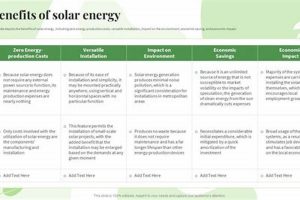
Solar PV cells utilize semiconductor materials to absorb photons from sunlight, releasing electrons and generating a direct current (DC). This direct conversion eliminates the need for intermediate mechanical processes, resulting in a clean and efficient energy source. Examples include rooftop solar panels on residential and commercial buildings, as well as large-scale solar farms supplying power to the grid. This approach minimizes energy loss and simplifies system design.
- Scalability and Versatility
Solar PV systems are adaptable to various scales, from small off-grid applications to utility-scale power plants. This versatility allows for integration into diverse environments and energy demands. For instance, solar panels can power individual homes in remote areas or contribute substantial energy to regional power grids, showcasing their adaptability to various contexts.
- Modular Design and Installation
PV systems are inherently modular, facilitating incremental expansion and customized configurations. Individual panels can be combined to meet specific energy requirements, streamlining installation and reducing upfront costs. This modularity enables phased deployment, aligning energy infrastructure investments with growing needs.
- Environmental Benefits and Sustainability
The operation of solar PV systems produces minimal emissions, contributing to a reduction in greenhouse gas emissions and air pollution. Sourcing components from sustainable suppliers and responsible end-of-life recycling further enhances their environmental profile. A complete lifecycle analysis reveals the substantial environmental benefits compared to traditional fossil fuels.
The attributes outlined above contribute to the expanding adoption of solar PV as a core component of a global energy mix. Ongoing technological advancements are poised to enhance its efficiency, lower costs, and expand its role in achieving energy sustainability.
2. Concentrated solar power

Concentrated solar power (CSP) represents a prominent subset within the broader scope of replenishable energy technologies. Its distinct approach to harnessing solar energy positions it as a key alternative to traditional power generation, particularly in regions with high solar irradiance.
- Solar Energy Concentration
CSP systems employ mirrors or lenses to focus a large area of sunlight onto a smaller receiver. This concentrated solar energy heats a working fluid, typically water or molten salt, which then drives a turbine to generate electricity. Examples include power towers that utilize heliostats to reflect sunlight onto a central receiver atop a tower, and parabolic trough systems that focus sunlight along a linear receiver tube. The effectiveness depends on direct sunlight and is best suited for arid climates.
- Thermal Energy Storage
A distinguishing feature of CSP is its capacity for thermal energy storage. Excess heat generated during periods of high solar irradiance can be stored in insulated tanks, allowing for electricity generation even when sunlight is not available. Molten salt is often used as the storage medium due to its high heat capacity and ability to maintain high temperatures. This storage capability enhances grid stability and provides dispatchable power, addressing the intermittency challenges associated with other replenishable sources.
- Hybridization Potential
CSP plants can be integrated with other energy sources, such as natural gas, to create hybrid power plants. This hybridization allows for a more consistent and reliable power output, leveraging fossil fuels during periods of low solar irradiance. While this approach reduces the reliance on purely fossil fuel-based generation, it also diminishes the overall renewability of the energy source.
- Land Use Considerations
CSP systems typically require significant land areas to accommodate the mirror arrays or lens systems. The environmental impact of land clearing and habitat disruption must be carefully considered during project development. Strategies for minimizing land use impacts, such as co-locating CSP plants with agricultural activities or utilizing marginal lands, are essential for sustainable implementation.
The attributes of CSP, including solar energy concentration, thermal storage capabilities, hybridization potential, and land use considerations, highlight its distinctive role among the various types of replenishable energy resources. Continued technological advancements and responsible deployment practices are crucial for realizing its full potential in a sustainable energy landscape.
3. Onshore/offshore wind power

Onshore and offshore wind power constitute a significant category within the framework of energy derived from replenishable sources. The kinetic energy of wind is converted into electrical energy via wind turbines, contributing substantially to the global renewable energy portfolio. Turbine placement, either on land or in marine environments, impacts energy generation capacity and associated challenges. Understanding the distinctions between these approaches is fundamental to assessing their roles in a diversified energy strategy. For example, large-scale wind farms located in the Great Plains region of the United States provide a considerable portion of the nation’s renewable electricity.
Onshore wind power benefits from lower installation and maintenance costs compared to its offshore counterpart. However, land availability, noise pollution, and aesthetic concerns can impede project development. Offshore wind power, though more expensive, often experiences stronger and more consistent wind speeds, resulting in higher energy yields. The London Array, one of the world’s largest offshore wind farms, exemplifies the capacity of this technology to generate substantial electricity. Moreover, offshore wind farms can mitigate visual impact concerns, albeit at a higher financial and logistical cost.
The integration of wind power into the grid necessitates addressing the intermittency of wind resources. Energy storage solutions, grid modernization, and accurate forecasting are crucial for ensuring a reliable electricity supply. The expansion of both onshore and offshore wind power is contingent upon overcoming these challenges and fostering supportive regulatory frameworks. Ultimately, harnessing wind power effectively requires a comprehensive approach that considers environmental impacts, economic feasibility, and technological advancements within the broader context of sustainable energy development.
4. Hydropower (dams, rivers)

Hydropower, encompassing electricity generation from dams and flowing rivers, represents a well-established component within the spectrum of replenishable energy sources. Its significance lies in the conversion of potential energy, stored in elevated water reservoirs or kinetic energy within river currents, into usable electrical power. Dams impounding large reservoirs exemplify this principle, converting the potential energy of stored water into kinetic energy as it flows through turbines. The Hoover Dam in the United States stands as a historical example, supplying electricity and water resources to multiple states.
Run-of-river hydropower plants, conversely, divert a portion of a river’s flow through turbines without creating large reservoirs. These projects often have lower environmental impacts compared to large dams but also typically generate less electricity. A prominent example is the numerous small-scale hydropower plants along the Rhine River in Europe, contributing to regional power grids. Understanding the specific hydrological characteristics of a river system is crucial for determining the optimal hydropower technology. The choice between dam-based and run-of-river approaches hinges on a balance between energy generation potential, environmental impact, and water resource management considerations.
Hydropower’s integration within the broader mix of replenishable energy sources requires careful consideration of its environmental consequences. Dam construction can disrupt river ecosystems, alter sediment transport, and impact fish migration. Modern hydropower projects increasingly incorporate fish ladders and other mitigation measures to minimize these effects. The long-term sustainability of hydropower relies on responsible water resource management and a commitment to minimizing environmental disruption. Its continued role as a provider of renewable electricity is dependent on balancing energy needs with ecological preservation.
5. Geothermal energy resources

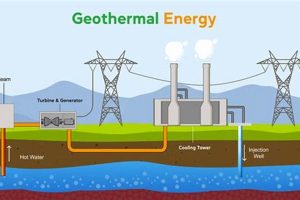
Geothermal energy represents a distinct category within the domain of replenishable sources. It harnesses thermal energy from the Earth’s interior, offering a consistent energy supply independent of atmospheric conditions. This positions it as a valuable element in a diversified energy portfolio.
- Geothermal Power Plants
Geothermal power plants extract steam or hot water from underground reservoirs to drive turbines connected to generators. These plants provide baseload electricity, operating continuously with high capacity factors. The Geysers in California, one of the world’s largest geothermal fields, exemplifies the scale of geothermal power generation. This baseload capability offers a stable and predictable energy source, unlike some intermittent replenishable options.
- Geothermal Direct Use
Direct use applications harness geothermal heat for various purposes without electricity generation. Examples include district heating systems, greenhouse heating, aquaculture, and industrial processes. Iceland utilizes geothermal energy extensively for heating homes and businesses, showcasing the effectiveness of direct use applications. This efficient use of geothermal resources reduces reliance on fossil fuels for heating and cooling.
- Geothermal Heat Pumps
Geothermal heat pumps utilize the Earth’s relatively constant temperature a few feet below the surface for heating and cooling buildings. These systems circulate a fluid through underground pipes to extract heat in the winter and dissipate heat in the summer. Geothermal heat pumps offer energy-efficient heating and cooling solutions for residential and commercial buildings, reducing energy consumption and associated emissions.
- Enhanced Geothermal Systems (EGS)
EGS technology expands the accessibility of geothermal resources by creating artificial reservoirs in hot, dry rocks. This involves injecting water into fractured rock formations to extract heat. EGS has the potential to significantly increase the availability of geothermal energy, extending its geographic reach. Ongoing research and development aim to improve the efficiency and economic viability of EGS technology, unlocking vast untapped geothermal resources.
The varied applications of geothermal energy, from baseload power generation to direct use and heat pumps, illustrate its versatility as a component of replenishable resources. Its consistent availability and potential for widespread deployment contribute to the transition toward a sustainable energy future.
6. Biomass energy options

Biomass energy constitutes a notable category within the various replenishable energy resources. Deriving energy from organic matter, it presents both opportunities and challenges in the pursuit of sustainable energy systems. The following outlines some key aspects of biomass utilization.
- Direct Combustion
Direct combustion involves burning biomass materials, such as wood, crops, and waste, to generate heat. This heat can be used for heating buildings, producing steam for electricity generation, or industrial processes. An example is a dedicated biomass power plant that burns wood chips to produce electricity. While direct combustion is a straightforward method, it can result in significant air pollution if not managed properly, requiring advanced emission control technologies.
- Biogas Production
Biogas is produced through anaerobic digestion, a process where microorganisms break down organic matter in the absence of oxygen. The resulting biogas, primarily methane, can be used for heating, cooking, or electricity generation. Wastewater treatment plants often utilize anaerobic digestion to produce biogas from sewage sludge. The carbon footprint can be low if sourced from waste streams, but methane leakage during production and transport are a concern.
- Biofuel Production
Biofuels are liquid fuels produced from biomass. Ethanol, produced from corn or sugarcane, and biodiesel, produced from vegetable oils or animal fats, are common examples. These biofuels can be used in internal combustion engines as alternatives to gasoline and diesel. The widespread adoption of biofuels raises concerns regarding land use, food security, and net energy balance, particularly with first-generation biofuels.
- Co-firing with Coal
Co-firing involves burning biomass alongside coal in existing coal-fired power plants. This reduces the amount of coal burned and lowers greenhouse gas emissions. This approach provides a relatively low-cost way to incorporate biomass into the energy mix, leveraging existing infrastructure. However, it also perpetuates the use of fossil fuels and may not be a long-term solution for a fully sustainable energy system.
These diverse methods highlight the varied ways in which biomass can contribute to the replenishable energy landscape. Each option presents unique advantages and disadvantages, requiring careful consideration of environmental impacts, economic viability, and resource availability. Sustainable biomass utilization necessitates responsible management of land resources, minimizing emissions, and optimizing energy efficiency.
7. Ocean energy technologies
Ocean energy technologies represent a diverse category within the spectrum of replenishable energy sources. They harness the energy inherent in ocean waves, tides, currents, and thermal gradients, offering a significant, yet largely untapped, potential for electricity generation.
- Wave Energy Conversion
Wave energy converters capture the kinetic energy of ocean waves and transform it into electricity. Various technologies exist, including oscillating water columns, wave-activated bodies, and overtopping devices. The Pelamis Wave Power device, for example, demonstrates the potential of wave energy conversion, though large-scale deployment faces challenges related to survivability in harsh marine environments and cost-effectiveness. Its intermittent nature requires integration with energy storage or grid stabilization measures.
- Tidal Energy Extraction
Tidal energy systems utilize the predictable rise and fall of tides to generate electricity. Tidal barrages, which dam off estuaries, and tidal stream generators, which resemble underwater wind turbines, are the primary methods. The La Rance Tidal Power Station in France stands as a long-standing example of tidal barrage technology. Tidal stream generators are gaining traction, but environmental impacts on marine ecosystems require careful assessment. Its predictable nature offers an advantage over other forms.
- Ocean Current Energy Conversion
Ocean current energy converters harness the kinetic energy of continuous ocean currents, such as the Gulf Stream, to generate electricity. Similar in concept to tidal stream generators, these devices are deployed in areas with strong and consistent currents. The potential for large-scale electricity generation exists, but technological challenges and environmental considerations, particularly regarding marine life interaction, remain significant.
- Ocean Thermal Energy Conversion (OTEC)
OTEC systems exploit the temperature difference between warm surface water and cold deep ocean water to drive a heat engine and generate electricity. OTEC plants can operate in either closed-cycle or open-cycle configurations. While the resource potential is substantial, OTEC technology faces significant engineering challenges related to efficiency, cost, and environmental impact, including the potential disruption of marine ecosystems.
The ongoing development of ocean energy technologies reflects a growing recognition of the ocean as a significant source of replenishable energy. Overcoming the technical, economic, and environmental hurdles associated with these technologies is crucial for realizing their full potential and integrating them into a sustainable energy future.
Frequently Asked Questions
This section addresses common inquiries and clarifies misconceptions regarding the diverse range of energy derived from naturally replenished sources.
Question 1: What are the fundamental distinctions among solar photovoltaic (PV) and concentrated solar power (CSP) technologies?
Solar PV directly converts sunlight into electricity using semiconductor materials. CSP, conversely, employs mirrors or lenses to focus sunlight onto a receiver, generating heat for electricity production.
Question 2: How does onshore wind power differ from offshore wind power in terms of energy output and environmental impact?
Offshore wind farms typically experience stronger and more consistent wind speeds, leading to higher energy yields compared to onshore installations. However, offshore projects entail higher construction and maintenance costs and potential impacts on marine ecosystems.
Question 3: What are the primary environmental concerns associated with hydropower generation, particularly in the context of large dams?
Large dams can disrupt river ecosystems, impede fish migration, and alter sediment transport patterns. Mitigation measures, such as fish ladders and careful water management, are essential to minimize these impacts.
Question 4: What are the key advantages and disadvantages of utilizing biomass as an energy source?
Biomass offers a replenishable fuel source and can reduce reliance on fossil fuels. However, unsustainable harvesting practices, air pollution from combustion, and competition with food production are potential drawbacks.
Question 5: What is geothermal energy, and what are its most common applications?
Geothermal energy harnesses heat from the Earth’s interior. Common applications include electricity generation, direct heating, and geothermal heat pumps for residential and commercial buildings.
Question 6: Why is ocean energy considered an underutilized resource, and what are the main challenges hindering its widespread adoption?
Ocean energy possesses significant potential, but technologies for harnessing wave, tidal, and thermal energy are still under development. Challenges include high costs, technological complexities, and potential environmental impacts on marine life.
The diverse range discussed offers numerous options for powering our world.
Further details regarding their implementation and sustainability considerations will be presented in the subsequent sections.
Conclusion
The preceding discussion detailed a spectrum of naturally replenishing energy sources, each with unique characteristics, applications, and challenges. From solar photovoltaic to ocean thermal energy conversion, each possesses the potential to contribute to a diversified and sustainable energy future. Understanding the nuances of each technology is paramount for effective energy planning and resource allocation.
The transition to a sustainable energy paradigm necessitates informed decision-making, technological innovation, and responsible resource management. Continued research, development, and deployment of these technologies are crucial for mitigating climate change, enhancing energy security, and fostering a more environmentally conscious future. The information presented serves as a foundation for further exploration and engagement with these critical energy resources.