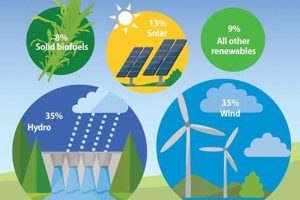
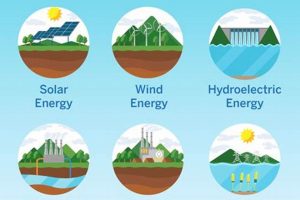
Harnessing power from naturally replenishing resources provides a sustainable alternative to fossil fuels. These resources offer a pathway towards reducing carbon emissions and mitigating the environmental impact associated with traditional energy production. Examples include solar, wind, hydro, and geothermal power.
The utilization of these energy alternatives presents numerous advantages. Energy security is enhanced through reliance on domestically available resources. Furthermore, the reduction in greenhouse gas emissions contributes to cleaner air and a healthier planet. Historically, these technologies have evolved significantly, becoming increasingly efficient and cost-effective, furthering their adoption across various sectors.
The subsequent discussion will delve into the specific characteristics and applications of several of these sustainable energy options, highlighting their potential for future energy landscapes.
Considerations for Sustainable Energy Adoption
The selection and implementation of sustainable energy solutions require careful assessment and planning to maximize effectiveness and minimize potential drawbacks.
Tip 1: Conduct a Thorough Resource Assessment: Prior to investing in any sustainable energy technology, accurately evaluate the available resources at the intended location. For example, assess solar irradiance levels for photovoltaic installations or wind speeds for wind turbine projects.
Tip 2: Prioritize Energy Efficiency: Implement energy-efficient practices and technologies to reduce overall energy demand. Lowering consumption makes the transition to sustainable sources more manageable and cost-effective.
Tip 3: Evaluate Life Cycle Costs: Consider the entire life cycle of the energy system, including initial investment, operational expenses, and decommissioning costs. This provides a more accurate comparison to conventional energy sources.
Tip 4: Assess Environmental Impacts: While generally cleaner, all energy technologies have some environmental impact. Evaluate potential impacts on land use, water resources, and wildlife to minimize negative consequences.
Tip 5: Engage with Stakeholders: Consult with local communities, environmental groups, and regulatory agencies to ensure that projects are socially and environmentally responsible. Public support is crucial for successful implementation.
Tip 6: Explore Energy Storage Solutions: Address the intermittent nature of certain sources with energy storage technologies like batteries or pumped hydro. Storage can provide a reliable power supply even when the source is unavailable.
Adhering to these considerations ensures that the transition to these energy alternatives is both environmentally sound and economically viable, fostering a sustainable energy future.
The subsequent discussion will summarize the key advantages and challenges associated with the adoption of these energy sources, offering a comprehensive perspective on their role in the future energy mix.
1. Solar energy availability

Solar energy availability represents a fundamental factor in the efficacy and implementation of photovoltaic power systems, one element within sustainable electricity generation. The intensity and duration of sunlight at a specific geographic location directly determine the potential electricity output of solar panels. In regions with high solar irradiance, such as desert climates, solar energy can serve as a primary power source. Conversely, areas with frequent cloud cover or shorter daylight hours require supplementary energy sources or storage solutions to ensure a reliable power supply. The geographic distribution of sunlight thus dictates the economic and practical viability of solar energy as part of energy infrastructure.
The correlation between sunlight and solar panel output has significant implications for energy planning and investment decisions. For instance, large-scale solar farms are often located in areas with optimal sunlight conditions to maximize energy production. The availability of sunlight influences system design, necessitating adjustments such as panel tilt angles and tracking systems to optimize energy capture. Furthermore, accurate forecasting of solar energy availability is crucial for grid operators to manage fluctuations in electricity supply and demand, ensuring grid stability. Real-world examples, like the solar energy infrastructure in California, which balances large-scale solar farms with energy storage solutions, illustrate the practical importance of understanding solar availability.
In summary, solar energy availability stands as a foundational element when evaluating the viability of harnessing solar power. Its impact on system design, grid integration, and overall energy production underscores the need for thorough resource assessment and strategic planning. Addressing challenges related to sunlight intermittency is essential for realizing the full potential of solar energy and creating a sustainable and reliable electricity grid.
2. Wind power consistency

Wind power consistency is a pivotal factor in determining the reliability and effectiveness of wind energy as a sustainable power source, alongside solar, hydro, and geothermal. While wind is abundant, its intermittent nature poses challenges to grid stability and requires sophisticated forecasting and management strategies to integrate it effectively into electricity grids. Understanding the nuances of wind patterns and technological advancements in forecasting is crucial for optimizing wind energy’s contribution to the overall energy mix.
- Variability and Geographic Location
Wind power generation is highly dependent on geographic location. Some regions, such as coastal areas and mountain passes, experience more consistent and stronger winds than others. This variability requires careful site selection for wind farms to maximize energy output. For instance, wind farms in the Great Plains of the United States benefit from relatively consistent wind patterns, while those in other regions may experience more significant fluctuations. This geographical dependency impacts the feasibility and economic viability of wind energy projects.
- Forecasting Techniques and Technological Advancements
Advanced forecasting techniques are essential for managing wind power’s intermittency. These techniques utilize weather models, historical data, and real-time measurements to predict wind patterns. Recent technological advancements, such as improved weather sensors and machine learning algorithms, have enhanced forecasting accuracy. Accurate forecasting allows grid operators to anticipate fluctuations in wind power generation and adjust other power sources accordingly, maintaining grid stability.
- Energy Storage Solutions
Energy storage systems play a critical role in mitigating the variability of wind power. Technologies like batteries, pumped hydro storage, and compressed air energy storage can store excess energy generated during periods of high wind and release it when wind speeds are low. These storage solutions enhance the reliability of wind power, making it a more viable baseload power source. For example, battery storage systems are increasingly being integrated with wind farms to smooth out power fluctuations and ensure a consistent supply of electricity to the grid.
- Grid Integration Strategies
Effective grid integration strategies are necessary to accommodate the variable nature of wind power. These strategies include upgrading transmission infrastructure to facilitate the flow of electricity from wind farms to load centers, implementing smart grid technologies to balance supply and demand, and coordinating wind power generation with other power sources. A well-integrated grid can absorb fluctuations in wind power without compromising reliability, enabling a greater share of wind energy in the overall power mix.
In conclusion, wind power consistency is a critical consideration when assessing wind energy’s role in a sustainable energy portfolio. Its variability necessitates the implementation of advanced forecasting techniques, energy storage solutions, and effective grid integration strategies to ensure a reliable power supply. Understanding and addressing these challenges is essential for maximizing the contribution of wind energy to a cleaner and more sustainable energy future, alongside other sustainable sources.
3. Hydroelectric environmental impact

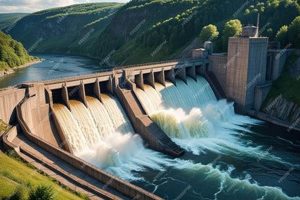
Hydroelectric power, while often categorized within the list of sustainable energy options, carries significant environmental consequences that warrant careful consideration. The construction of dams and reservoirs alters river ecosystems, impacting aquatic life and riparian habitats. These alterations disrupt natural flow patterns, sediment transport, and water temperatures, leading to habitat fragmentation and declines in native species populations. The flooding of terrestrial areas for reservoir creation also results in the loss of forests, agricultural lands, and cultural heritage sites. The release of greenhouse gases, particularly methane, from decomposing vegetation in reservoirs further contributes to climate change, offsetting some of the carbon emission reductions achieved by displacing fossil fuel-based power generation. An example includes the Three Gorges Dam in China, which, while providing substantial electricity generation, has resulted in significant ecological damage and displacement of human populations. This demonstrates that the designation of hydropower within sustainable lists requires qualification and careful evaluation of specific project impacts.
The scale and design of hydroelectric projects significantly influence the magnitude of environmental impact. Smaller, run-of-river hydroelectric facilities, which divert a portion of the river’s flow without creating large reservoirs, generally have lower environmental footprints compared to large-scale dam projects. Implementing mitigation measures, such as fish ladders to facilitate fish passage and regulated water releases to mimic natural flow patterns, can help reduce some of the negative effects. However, these measures are not always fully effective and can be costly. The integration of environmental impact assessments into the planning and permitting processes for hydroelectric projects is crucial to ensure that potential impacts are thoroughly evaluated and minimized. Examples of successful mitigation strategies include the restoration of riparian habitats and the implementation of water quality monitoring programs to detect and address pollution issues.
In conclusion, while hydroelectric power represents a renewable source of energy, its environmental impact presents a complex challenge in the pursuit of sustainable energy solutions. The balance between electricity generation and ecological preservation requires careful planning, implementation of mitigation measures, and ongoing monitoring. Categorizing hydroelectricity under the banner of sustainability mandates a nuanced understanding of its potential environmental consequences, alongside considerations of its contribution to energy security and climate change mitigation. It is essential that future energy strategies adopt a holistic approach, recognizing that renewable energy solutions must also be ecologically responsible to achieve true sustainability.
4. Geothermal resource location

Geothermal resource location is a critical determinant in the feasibility and deployment of geothermal energy, a significant inclusion in any list of renewable energy sources. Unlike solar or wind energy, which can be harnessed in many geographic regions, geothermal energy is concentrated in specific areas where geological conditions allow for the extraction of heat from the Earth’s interior. The distribution of these resources directly influences the potential for geothermal energy to contribute to the overall energy mix.
- Tectonic Boundaries and Volcanic Activity
Geothermal resources are predominantly found near tectonic plate boundaries and areas with recent volcanic activity. These regions have higher geothermal gradients, meaning the temperature increases more rapidly with depth. Examples include the Pacific Ring of Fire, which encompasses areas like Iceland, Japan, and the western coast of the Americas. In these locations, shallow geothermal reservoirs can be accessed for electricity generation and direct-use applications such as heating and industrial processes. The concentration of geothermal potential in these geologically active zones dictates where significant geothermal energy production can occur.
- Hydrothermal Systems
Hydrothermal systems, where groundwater is heated by subsurface magma or hot rock and then rises to the surface, are common targets for geothermal development. These systems can manifest as hot springs, geysers, or fumaroles. Geothermal power plants tap into these hydrothermal reservoirs by drilling wells to extract steam or hot water, which is then used to drive turbines and generate electricity. The presence of permeable rock formations and a caprock to trap the heated fluids is essential for the formation of productive hydrothermal systems. Examples include the Geysers geothermal field in California and the Larderello field in Italy, which have been producing electricity for decades.
- Enhanced Geothermal Systems (EGS)
Enhanced Geothermal Systems (EGS) offer the potential to expand geothermal energy production beyond traditional hydrothermal areas. EGS involves creating artificial fractures in hot, dry rock formations to allow water to circulate and extract heat. This technology can potentially unlock vast geothermal resources that are otherwise inaccessible. However, EGS development faces technical challenges, including the creation and management of fractures, the potential for induced seismicity, and the cost of drilling and fluid injection. Successful EGS projects could significantly increase the geographic availability of geothermal energy, making it a more widespread renewable energy option.
- Low-Temperature Geothermal Resources
Beyond high-temperature geothermal resources suitable for electricity generation, low-temperature geothermal resources can be utilized for direct-use applications. These resources, found in many regions, can provide heat for space heating, greenhouse heating, aquaculture, and industrial processes. Geothermal heat pumps, which transfer heat between the ground and buildings, are an example of a technology that can tap into low-temperature geothermal resources for heating and cooling. The widespread availability of low-temperature geothermal resources makes it a versatile option for reducing reliance on fossil fuels for heating and cooling needs.
The multifaceted relationship between geothermal resource location and the feasibility of utilizing geothermal energy for electricity production, heating, and cooling highlights the geographic constraints and opportunities associated with this renewable energy source. The concentration of high-temperature geothermal resources in tectonically active regions, coupled with the potential of EGS to expand resource availability, and the widespread presence of low-temperature geothermal resources, dictates the strategic deployment of geothermal technologies to contribute to a sustainable energy future. The economic and environmental viability of geothermal projects are directly influenced by the characteristics and location of these resources.
5. Scalability potential

The capacity for expansion, or scalability potential, represents a critical attribute within the list of renewable energy sources, determining their ability to transition from niche applications to large-scale contributors to the global energy supply. High scalability potential implies that an energy source can be efficiently and economically expanded to meet growing energy demands without encountering insurmountable technological, economic, or resource constraints. Conversely, energy sources with limited scalability may be confined to specific geographic locations or applications, restricting their overall impact on the energy landscape. This factor directly influences investment decisions, policy development, and the ultimate role of various renewable energy sources in achieving energy independence and reducing carbon emissions. A prominent example is solar photovoltaic (PV) technology, which, due to declining costs and advancements in manufacturing, has demonstrated significant scalability, enabling large-scale solar farms and distributed rooftop installations.
The scalability of renewable energy sources is also interconnected with infrastructure development, energy storage solutions, and grid integration capabilities. For instance, the scalability of wind energy is contingent upon the availability of transmission lines to transport electricity from wind farms to population centers and the implementation of energy storage technologies to address intermittency issues. Geothermal energy, while providing a stable baseload power source, faces scalability limitations due to its reliance on specific geological formations. Hydropower, similarly, is constrained by the availability of suitable dam sites and concerns regarding environmental impacts. Successful scalability, therefore, requires a holistic approach that considers not only the resource potential but also the supporting infrastructure and technologies necessary for its effective deployment. Furthermore, the cost-effectiveness of scaling up renewable energy sources is essential for their competitiveness against traditional fossil fuels. Government policies, such as feed-in tariffs and tax incentives, can play a crucial role in promoting the scalability of renewable energy technologies by reducing financial barriers and encouraging private investment.
In summary, scalability potential is a vital consideration when evaluating the long-term viability of the list of renewable energy sources. It affects their capacity to meet rising energy demands, lower carbon emissions, and establish a sustainable energy future. Overcoming barriers to scalability, such as infrastructure constraints, high initial costs, and technological limitations, necessitates sustained research and development efforts, supportive government policies, and innovative financing mechanisms. Only by addressing these challenges can renewable energy sources fully realize their potential to transform the global energy landscape and mitigate the adverse effects of climate change.
6. Technology advancements

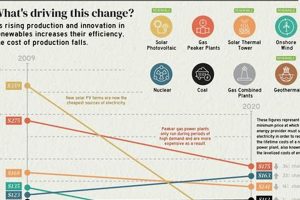
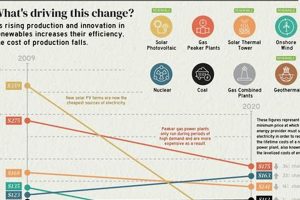
Technological progress constitutes a driving force behind the viability and efficiency of renewable energy, directly impacting the “list 4 renewable energy sources” and their ability to contribute significantly to global energy needs. Innovations across various fields have reduced costs, improved performance, and expanded the applicability of solar, wind, hydro, and geothermal power, making them increasingly competitive with traditional fossil fuels.
- Improved Solar Cell Efficiency
Advancements in solar cell technology have led to higher energy conversion rates, maximizing electricity output from photovoltaic panels. Materials such as perovskites and multi-junction cells offer the potential to surpass the efficiency limits of traditional silicon-based cells. This improved efficiency translates to reduced land use requirements and lower overall system costs, making solar energy more attractive for large-scale deployment and distributed generation.
- Advanced Wind Turbine Design
Technological progress in wind turbine design has resulted in larger, more efficient turbines capable of capturing more energy from wind resources. Innovations in blade aerodynamics, generator technology, and control systems have increased turbine capacity factors and reduced operational costs. Furthermore, offshore wind turbine technology is advancing, enabling the harnessing of stronger and more consistent winds in coastal regions, thereby expanding the geographic applicability of wind power.
- Enhanced Geothermal Systems (EGS)
EGS technologies are transforming geothermal energy by allowing access to geothermal resources in areas where traditional hydrothermal systems are not present. By creating artificial fractures in hot, dry rock formations, EGS enables the extraction of heat for electricity generation and direct-use applications. Ongoing research and development efforts are focused on improving fracture creation techniques, managing induced seismicity, and enhancing heat extraction efficiency, thereby expanding the potential of geothermal energy as a renewable resource.
- Smart Grid Integration
The integration of renewable energy sources into the grid requires advanced smart grid technologies to manage the intermittent nature of solar and wind power. Smart grids utilize sensors, communication networks, and advanced control algorithms to balance supply and demand, optimize energy flow, and enhance grid stability. Technologies such as energy storage systems, demand response programs, and advanced forecasting tools are essential for integrating variable renewable energy sources and ensuring a reliable electricity supply.
These technological advancements are crucial for enhancing the competitiveness and scalability of the “list 4 renewable energy sources”. Continuous innovation in materials science, engineering, and information technology is essential for reducing costs, improving performance, and expanding the geographic applicability of renewable energy technologies, thereby accelerating the transition to a sustainable energy future.
7. Grid integration challenges

The integration of renewable energy sources into existing electricity grids presents substantial technical and economic challenges that directly impact the effective utilization of resources within the “list 4 renewable energy sources”. These challenges stem from the inherent variability and uncertainty associated with many renewable energy generation profiles, requiring innovative solutions to ensure grid stability and reliability.
- Variability and Intermittency Management
Solar and wind energy generation fluctuates depending on weather conditions, creating intermittent power supply. Balancing this variability requires flexible grid infrastructure, advanced forecasting techniques, and responsive dispatchable generation resources. For example, California’s experience with large-scale solar integration demonstrates the need for sophisticated forecasting models and fast-ramping natural gas plants to compensate for sudden drops in solar output. This necessitates careful planning and investment to mitigate the potential for grid instability and ensure a consistent power supply.
- Transmission Infrastructure Limitations
Many renewable energy resources are located in remote areas far from population centers, requiring significant investments in new transmission lines and upgrades to existing infrastructure. The construction of new transmission lines faces challenges related to permitting, land acquisition, and environmental concerns. The existing grid infrastructure may also lack the capacity to handle the increased flow of electricity from renewable energy sources. Addressing these limitations is essential for unlocking the full potential of renewable energy resources and ensuring that electricity can be delivered to where it is needed.
- Grid Stability and Frequency Regulation
Integrating variable renewable energy sources can impact grid stability and frequency regulation. Conventional power plants provide inertia, which helps stabilize the grid during disturbances. As renewable energy sources replace traditional power plants, new mechanisms are needed to provide the same level of grid stability. Technologies such as synchronous condensers and fast-response energy storage systems can provide inertia and frequency regulation services. Maintaining grid stability is crucial for preventing blackouts and ensuring the reliable operation of electrical equipment.
- Energy Storage Solutions
Energy storage technologies play a critical role in addressing the intermittency of renewable energy sources and enabling grid integration. Batteries, pumped hydro storage, and compressed air energy storage can store excess energy generated during periods of high renewable energy output and release it when demand is high or renewable energy generation is low. Energy storage can also provide ancillary services such as frequency regulation and voltage support, enhancing grid stability. The deployment of cost-effective energy storage solutions is essential for maximizing the utilization of renewable energy resources and enabling a reliable and resilient electricity grid.
Overcoming the grid integration challenges associated with the “list 4 renewable energy sources” requires a combination of technological innovation, strategic planning, and policy support. Addressing these challenges is critical for realizing the full potential of renewable energy resources and creating a sustainable and reliable electricity grid. Future research and development efforts should focus on improving grid flexibility, enhancing energy storage technologies, and developing innovative grid management strategies.
Frequently Asked Questions Regarding Renewable Energy Resources
This section addresses common inquiries concerning sustainable energy alternatives, providing concise and objective responses.
Question 1: What are the primary advantages of transitioning to renewable energy sources?
Transitioning to energy resources offers multiple benefits, including reduced greenhouse gas emissions, mitigation of climate change impacts, increased energy security through reliance on domestic resources, and the creation of new economic opportunities in the renewable energy sector.
Question 2: How reliable are renewable energy sources compared to traditional fossil fuels?
The reliability of sustainable resources depends on specific factors such as weather conditions and geographic location. Implementing energy storage solutions and advanced grid management techniques mitigates the intermittency of sources like solar and wind, enhancing their reliability. Geothermal and hydroelectric energy offer more consistent power generation.
Question 3: What are the initial costs associated with implementing sustainable technologies?
The initial costs for implementing sustainable technologies can be higher compared to traditional fossil fuel-based systems. However, the costs have decreased substantially over the past decade and are expected to continue to decline. Government incentives, tax credits, and long-term operational savings can offset initial investment costs.
Question 4: What environmental impacts are associated with sustainable energy?
While generally cleaner than fossil fuels, all energy technologies have some environmental impacts. Solar energy requires land use for solar farms, wind turbines can affect bird and bat populations, hydroelectric dams alter river ecosystems, and geothermal energy can cause induced seismicity. Careful planning and mitigation measures can minimize these impacts.
Question 5: How does storage play a role in the widespread adoption of sustainable energy?
Energy storage technologies are crucial for addressing the intermittent nature of solar and wind energy. Storage systems such as batteries, pumped hydro, and thermal storage can store excess energy generated during periods of high production and release it when demand is high, thereby enhancing grid stability and reliability.
Question 6: What policies and regulations are in place to promote the use of resources?
Various policies and regulations promote resources, including feed-in tariffs, renewable portfolio standards, tax incentives, and carbon pricing mechanisms. These policies aim to create a level playing field for sustainable energy technologies and encourage investment in renewable energy infrastructure.
In summary, sustainable resources offer a promising pathway toward a cleaner and more sustainable energy future. Addressing challenges related to cost, reliability, and environmental impact is essential for realizing their full potential.
The subsequent discussion will summarize the key advantages and challenges associated with the adoption of these energy sources, offering a comprehensive perspective on their role in the future energy mix.
Conclusion
This examination of list 4 renewable energy sourcessolar, wind, hydro, and geothermalunderscores their collective potential to reshape global energy production. Each resource presents unique advantages and challenges that necessitate careful consideration in energy planning. Solar and wind offer abundant availability but require advanced grid integration and storage solutions to manage intermittency. Hydroelectric, while a mature technology, carries significant environmental consequences that must be mitigated through careful project design. Geothermal energy, although geographically constrained, provides a stable baseload power source.
The long-term viability of these energy sources hinges on continued technological advancements, strategic policy support, and comprehensive assessments of environmental impacts. Investment in research and development, coupled with supportive regulatory frameworks, is essential to unlock the full potential of resources and foster a sustainable energy future. The pursuit of a diversified energy portfolio that leverages the strengths of each renewable resource is crucial for achieving energy security and mitigating the effects of climate change.