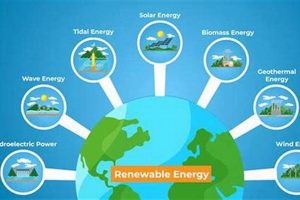
Harnessing power from naturally replenishing resources offers a sustainable alternative to traditional energy generation. These resources, such as sunlight, wind, and geothermal heat, provide a means of powering residences with minimal environmental impact. Examples include installing photovoltaic panels for electricity generation, utilizing wind turbines to capture kinetic energy, or employing geothermal systems for heating and cooling.
Adopting these methods contributes to a reduction in carbon emissions and reliance on fossil fuels. The transition towards these power alternatives enhances energy independence and often results in long-term cost savings through reduced utility bills. Historically, the development and implementation of these technologies represent a significant shift towards environmental stewardship and sustainable living practices.
The following sections will delve into specific types, cost considerations, and practical applications for residential implementation. Examination of the regulatory landscape and available incentives will also be discussed, providing a comprehensive understanding of the opportunities and challenges involved in integrating these power alternatives into domestic settings.
Practical Guidance for Implementing Renewable Power Solutions
Effective integration of sustainable power generation into a residential setting requires careful planning and execution. The following points provide actionable guidance for individuals considering this transition.
Tip 1: Conduct a Comprehensive Energy Audit. Before investing in any system, assess current energy consumption patterns. This will inform the appropriate size and type of system required, maximizing efficiency and cost-effectiveness.
Tip 2: Research Available Incentives and Rebates. Government programs and utility companies often offer financial incentives to encourage adoption. Investigate local, state, and federal options to reduce upfront installation costs.
Tip 3: Select the Appropriate Technology. Solar photovoltaic (PV) systems, small wind turbines, and geothermal heat pumps each have unique advantages and disadvantages. Consider factors such as geographical location, available space, and energy needs when making a selection.
Tip 4: Ensure Proper System Sizing. An undersized system will fail to meet energy demands, while an oversized system will result in wasted investment. Consult with qualified professionals to determine the optimal size based on energy usage and available resources.
Tip 5: Prioritize Professional Installation. Proper installation is crucial for safety, performance, and longevity. Engage certified installers with experience in the chosen technology to ensure compliance with building codes and industry standards.
Tip 6: Establish a Maintenance Plan. Like any mechanical or electrical system, these power solutions require regular maintenance to ensure optimal performance. Develop a schedule for inspections, cleaning, and repairs to prevent costly breakdowns.
Tip 7: Monitor System Performance. Regularly track energy production and consumption to identify potential issues and optimize system efficiency. Utilize monitoring software or consult with a professional to analyze data and make adjustments as needed.
Implementing these guidelines can facilitate a seamless and beneficial transition towards sustainable power generation, contributing to both environmental preservation and long-term cost savings.
The subsequent sections will address potential challenges and offer solutions for overcoming common obstacles in this process.
1. Initial Investment Costs

The financial outlay required for procuring and installing renewable energy systems represents a significant barrier to widespread adoption in residential settings. Understanding the composition and factors influencing these upfront expenses is crucial for informed decision-making.
- Equipment Procurement
The purchase of core components, such as photovoltaic panels, wind turbines, inverters, and battery storage systems, constitutes a primary cost driver. Pricing is influenced by technology type, system capacity, and manufacturer, with higher efficiency models typically commanding a premium. For instance, a solar panel system with advanced micro-inverters will have a higher initial cost than a basic string inverter system, reflecting the enhanced performance and monitoring capabilities.
- Installation Labor and Permitting
Professional installation ensures adherence to safety standards and optimal system performance. Labor costs vary based on system complexity, geographic location, and installer expertise. Additionally, securing necessary permits from local authorities entails fees and administrative expenses, adding to the overall initial investment. Complex installations requiring specialized equipment or structural modifications will predictably involve higher labor costs.
- Grid Interconnection Expenses
Connecting a residential renewable energy system to the existing electrical grid often involves costs associated with utility company inspections, equipment upgrades, and interconnection agreements. These expenses ensure the safe and reliable flow of electricity between the home and the grid, particularly for net metering arrangements. Rural locations may face higher interconnection costs due to infrastructure limitations or required upgrades.
- Financing Charges
Many homeowners finance their renewable energy system investments through loans or leases. Interest rates and financing fees contribute to the overall cost of the project, particularly when considering long-term repayment schedules. Exploring different financing options and comparing interest rates can mitigate this expense. Secured loans, government-backed programs, and power purchase agreements represent alternative financing strategies with varying cost implications.
Addressing the initial investment barrier requires a multifaceted approach, encompassing technological advancements, supportive government policies, and innovative financing mechanisms. While these costs can appear substantial, it is essential to consider the long-term financial benefits, environmental advantages, and increased property value associated with renewable energy integration.
2. Long-Term Savings Potential

The implementation of residential renewable energy systems directly impacts long-term financial outcomes. By generating electricity on-site, homeowners reduce their dependence on traditional utility providers and associated consumption charges. This reduction in monthly utility bills constitutes the primary driver of long-term savings. The magnitude of these savings is contingent upon factors such as system size, energy consumption patterns, local electricity rates, and the availability of net metering programs, which allow homeowners to receive credit for excess electricity fed back into the grid.
Maintenance costs associated with renewable energy systems are generally lower than those of conventional energy sources. Solar panels, for example, require minimal maintenance beyond periodic cleaning. Furthermore, the durability of renewable energy equipment ensures extended operational lifecycles, contributing to sustained savings over time. A homeowner investing in a solar panel system with a 25-year warranty, coupled with reduced utility expenses, can accumulate substantial savings over the system’s lifespan. Geothermal systems, while involving a higher initial investment, offer significant long-term savings through efficient heating and cooling, with lifespans often exceeding 20 years.
In conclusion, the incorporation of residential renewable energy systems presents a tangible opportunity for homeowners to realize substantial long-term financial benefits. Reduced utility bills, minimal maintenance expenses, and extended system lifecycles collectively contribute to a favorable economic outcome. While the initial investment remains a consideration, the potential for sustained savings over the operational lifespan of the system makes renewable energy a financially prudent and environmentally responsible choice. Future challenges lie in optimizing system performance and expanding access to financing options to further enhance long-term savings potential.
3. Environmental Impact Reduction

Mitigating environmental degradation is a primary driver for the adoption of renewable energy sources in residential settings. The transition from fossil fuel-based electricity generation to sustainable alternatives yields significant reductions in pollution, greenhouse gas emissions, and resource depletion, thus minimizing the overall ecological footprint of domestic energy consumption.
- Lowered Greenhouse Gas Emissions
Renewable energy systems, such as solar and wind, generate electricity without directly emitting greenhouse gases like carbon dioxide and methane, which are major contributors to climate change. By replacing fossil fuel-based power sources, homeowners directly reduce their contribution to global warming, diminishing the potential for adverse environmental effects such as rising sea levels and extreme weather events. For example, a typical residential solar installation can offset several tons of carbon dioxide emissions annually.
- Reduced Air and Water Pollution
Combustion of fossil fuels in power plants releases pollutants into the air and water, leading to respiratory problems, acid rain, and water contamination. Renewable energy systems, such as solar panels and wind turbines, produce electricity with minimal or no air and water pollutants. Replacing coal-fired electricity with solar power, for instance, reduces the release of harmful substances like sulfur dioxide and nitrogen oxides, thereby improving air quality and reducing the risk of associated health problems.
- Conservation of Natural Resources
Traditional energy sources, such as coal, oil, and natural gas, are finite resources that require extraction and transportation, often causing environmental damage. Renewable energy sources, such as solar, wind, and geothermal, are naturally replenishing and readily available in many locations, reducing reliance on depleting resources. Utilizing geothermal energy for heating and cooling, for instance, reduces the need for fossil fuel extraction and minimizes disturbance to ecosystems.
- Decreased Ecosystem Disruption
The extraction, transportation, and combustion of fossil fuels can disrupt ecosystems through habitat destruction, oil spills, and pollution. Renewable energy systems typically have a smaller environmental footprint, minimizing the impact on natural habitats. Properly sited wind turbines, for instance, can generate electricity with minimal disruption to bird and bat populations, while solar panels can be installed on existing rooftops, avoiding the need for land clearing.
The collective impact of these environmental benefits underscores the significance of residential renewable energy adoption. The direct reduction of greenhouse gas emissions, minimized air and water pollution, conservation of finite resources, and decreased ecosystem disruption all contribute to a more sustainable and environmentally responsible energy future. Comparing these factors against the impacts of fossil fuel-based energy highlights the critical role of renewable options in safeguarding the environment.
4. Technology Options Available
The availability and suitability of specific technologies profoundly influence the viability of integrating renewable energy solutions into residential properties. The selection of appropriate technologies directly affects the efficiency, cost-effectiveness, and environmental impact of these systems. The range of available options, including photovoltaic (PV) solar panels, wind turbines, geothermal heat pumps, and solar water heating systems, dictates the extent to which a homeowner can reduce reliance on traditional energy sources and lower carbon emissions. Technological advancements continually improve efficiency and reduce costs, thereby broadening the applicability of these systems. For example, the increasing efficiency of PV panels, coupled with decreasing manufacturing costs, has made solar energy a more accessible and practical solution for many homeowners. The absence of viable technological options in certain geographic locations or due to specific property constraints can limit the feasibility of such installations.
Practical applications vary widely depending on the selected technology. Solar PV systems convert sunlight directly into electricity, powering appliances and lighting within the home. Excess electricity can be fed back into the grid, often resulting in credits on utility bills. Wind turbines convert wind energy into electricity, suitable for areas with consistent wind resources. Geothermal heat pumps utilize the earth’s constant temperature to efficiently heat and cool homes, significantly reducing energy consumption. Solar water heating systems use sunlight to heat water for domestic use, lowering reliance on conventional water heaters. The choice of technology must align with site-specific conditions, energy needs, and budget constraints. For example, a home in a sunny region might prioritize solar PV, while a home in a windy area could consider wind energy. Furthermore, integrating battery storage systems with solar PV installations allows for greater energy independence by storing excess energy for use during periods of low sunlight.
Understanding the correlation between technological availability and residential renewable energy is crucial for effective decision-making. Challenges include the initial investment costs, system complexity, and the need for skilled installers. However, ongoing technological advancements, coupled with government incentives and increasing public awareness, are driving wider adoption. As technology continues to evolve, these systems are becoming more efficient, affordable, and user-friendly, further enhancing their role in shaping a sustainable energy future for residential properties.
5. Government Incentives Impact

Government incentives serve as a significant catalyst in promoting the adoption of renewable energy solutions for residential properties. These incentives, encompassing tax credits, rebates, grants, and loan programs, directly address the substantial upfront costs often associated with implementing technologies such as solar photovoltaic (PV) systems, wind turbines, and geothermal heat pumps. By reducing the financial burden on homeowners, these programs effectively accelerate the transition towards sustainable energy practices and contribute to the broader societal goals of carbon emission reduction and energy independence. The interplay between governmental support and individual investment creates a positive feedback loop, driving technological innovation, market expansion, and ultimately, a more resilient and environmentally responsible energy infrastructure.
The Solar Investment Tax Credit (ITC) in the United States exemplifies the profound impact of government incentives. This federal program provides a tax credit for a percentage of the cost of installing solar energy systems. By lowering the net cost of solar installations, the ITC has spurred significant growth in the residential solar market, making solar energy a more economically viable option for homeowners. Similar initiatives at the state and local levels, such as property tax exemptions for renewable energy equipment and net metering policies that compensate homeowners for excess electricity generated, further enhance the financial attractiveness of these investments. The effectiveness of these incentives is contingent on their design, stability, and accessibility to homeowners. Complex application processes or fluctuating incentive levels can undermine their intended impact, highlighting the importance of well-structured and consistently implemented policies.
In conclusion, government incentives play a pivotal role in driving the adoption of renewable energy sources for residential applications. These financial mechanisms effectively mitigate the initial investment barriers, fostering wider participation and accelerating the transition towards a sustainable energy future. Understanding the impact of these incentives is essential for homeowners considering renewable energy investments, as well as for policymakers seeking to optimize the effectiveness of these programs. The sustained and strategic deployment of government incentives is crucial for achieving long-term energy sustainability goals and realizing the full potential of renewable energy technologies in residential settings. Challenges remain in ensuring equitable access to these incentives and in adapting them to evolving market conditions.
Frequently Asked Questions
The following section addresses common inquiries concerning the implementation of sustainable power generation for domestic consumption. The aim is to provide clear and concise answers, dispelling misconceptions and offering factual information to facilitate informed decision-making.
Question 1: What renewable energy systems are suitable for most homes?
Solar photovoltaic (PV) systems are generally applicable to a wide range of residential properties, contingent upon adequate sunlight exposure and suitable roof orientation. Geothermal heat pumps also represent a viable option, provided appropriate geological conditions exist and land area is available for installation. Wind turbines have more specific requirements regarding wind resources and zoning regulations.
Question 2: How does net metering work with residential solar panels?
Net metering enables homeowners with solar panels to receive credit on their electricity bills for excess energy fed back into the grid. The utility meter tracks both electricity consumed and electricity generated by the solar panels. If the homeowner generates more electricity than consumed in a given month, the excess is credited to their account, effectively reducing future electricity bills.
Question 3: What are the primary factors influencing the cost of a solar panel installation?
The cost of a solar panel installation is determined by factors such as system size (kilowatt capacity), panel efficiency, inverter type, installation labor, permitting fees, and the availability of government incentives. Geographic location also plays a role, as labor costs and permitting requirements vary across different regions.
Question 4: How long does it take for a renewable energy system to pay for itself?
The payback period for a renewable energy system varies depending on factors such as initial investment costs, energy savings, and available incentives. Solar PV systems typically have a payback period ranging from 7 to 12 years, while geothermal heat pumps may have a longer payback period due to higher upfront costs. Government incentives and favorable financing options can significantly shorten the payback period.
Question 5: What maintenance is required for residential solar panels?
Residential solar panels require minimal maintenance, typically involving periodic cleaning to remove dust, dirt, and debris. Regular inspections by a qualified technician can help identify and address any potential issues, such as damaged panels or inverter malfunctions. Most solar panels have a lifespan of 25 years or more.
Question 6: Are there any environmental concerns associated with renewable energy systems?
While renewable energy systems offer significant environmental benefits, some concerns exist. The manufacturing of solar panels involves the use of certain materials, and the disposal of end-of-life panels requires proper recycling to prevent environmental contamination. Wind turbines can pose a risk to bird and bat populations, requiring careful siting and mitigation strategies.
Residential renewable energy offers distinct opportunities for reducing environmental impact and long-term energy costs. Understanding the practical aspects of integrating these technologies in domestic settings requires comprehensive information on system suitability, financial incentives, and maintenance requirements.
The next section will explore strategies for maximizing the benefits of renewable energy and addressing potential challenges encountered during implementation.
Conclusion
This exploration of renewable energy sources for your home has illuminated critical aspects of their implementation, from initial costs and long-term savings to environmental impact and available technologies. The analyses presented underscore the necessity of informed decision-making, tailored to individual circumstances and regional resources.
The continued advancement and strategic deployment of renewable energy sources for your home are paramount to achieving a sustainable energy future. The transition to these sources demands ongoing commitment from individuals, policymakers, and technological innovators. Future success hinges on collaborative efforts to overcome remaining barriers and maximize the benefits of clean, reliable power for residential use.