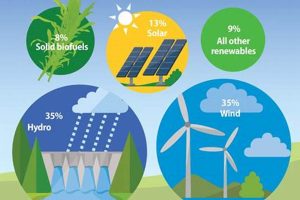
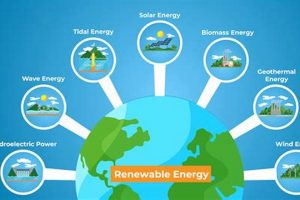
Hydroelectric power relies on a naturally replenishing water cycle. The process involves harnessing the energy of flowing water, typically through the use of dams and turbines. Precipitation, through rain or snow, replenishes rivers and reservoirs, ensuring a consistent supply of water. This continuous replenishment distinguishes it from finite resources like fossil fuels.
The benefits of this power generation method extend to reduced greenhouse gas emissions compared to fossil fuel-based power plants. While construction of hydroelectric facilities can have environmental impacts, the ongoing operation is relatively clean. Historically, it has provided a reliable source of electricity, supporting industrial growth and societal development with a technology that predates modern energy systems.
Understanding the cycle of water replenishment, the emission profile, and the long-term reliability underscores its classification as a sustainable energy solution. This framework helps to illuminate the specific factors that contribute to its role in a balanced energy portfolio, and justifies its place among other green energy sources.
Understanding Hydroelectric Power as a Renewable Resource
These insights emphasize the factors supporting hydroelectric power’s classification as a renewable energy source and highlight key considerations for its evaluation.
Tip 1: Acknowledge the Water Cycle’s Role: Recognize that the continuous water cycle, driven by precipitation, is fundamental to hydroelectric power’s renewability. Without a replenishing water source, the power generation process is unsustainable.
Tip 2: Evaluate Emissions Holistically: Consider the full lifecycle emissions associated with hydroelectric power. While operational emissions are low, construction and land inundation can have environmental impacts that require careful evaluation.
Tip 3: Assess Reservoir Management: Understand that reservoir management practices influence the sustainability of hydroelectric projects. Proper management ensures continued water availability and minimizes potential ecological damage downstream.
Tip 4: Differentiate from Finite Resources: Distinguish hydroelectric power from non-renewable resources like fossil fuels. The reliance on a naturally replenished resource defines its renewability in contrast to the depletion associated with finite energy sources.
Tip 5: Promote Technological Advancements: Support innovations in hydroelectric technology that improve efficiency and minimize environmental impacts. Upgrades and new designs can further enhance the sustainability of hydroelectric power generation.
Tip 6: Consider Location-Specific Factors: Recognize that the renewability of hydroelectric power is context-dependent and may vary by geographic location. Factors such as rainfall patterns and watershed management influence its long-term viability in a given region.
These insights illuminate the core principles justifying its designation as a renewable source. Acknowledging the water cycle, addressing environmental concerns, and optimizing management practices contribute to its long-term sustainability.
Understanding these facets helps to better position hydroelectric power within a diversified and sustainable energy future.
1. Water cycle

The water cycle is the cornerstone of hydroelectric power’s renewable status. This cyclical process, driven by solar energy, involves evaporation, condensation, precipitation, and collection. Precipitation, in the form of rain or snow, replenishes rivers and reservoirs, providing the necessary water flow to drive turbines and generate electricity. Without the water cycle, the source material for hydroelectric power would deplete over time, rendering it a non-renewable resource, akin to fossil fuels or nuclear energy. The continuous nature of the cycle is a cause-and-effect relationship, where consistent precipitation directly enables the power generation process.
The importance of the water cycle is exemplified by regions with consistent and abundant rainfall, such as the Pacific Northwest of the United States or the Himalayan regions of Asia. These areas possess significant hydroelectric power potential due to their reliable water sources. Conversely, regions experiencing prolonged droughts or altered precipitation patterns due to climate change face challenges in maintaining consistent hydroelectric power output, illustrating the vulnerability of this energy source to disruptions in the water cycle. Effective water resource management, including reservoir storage and controlled release, is critical to ensure stable hydroelectric power generation while balancing ecological concerns and other water usage needs.
In summary, the water cycle’s continuous replenishment of water resources is the fundamental reason that hydroelectric power is considered a renewable source of energy. The practical significance of understanding this connection lies in the need for sustainable water management practices and consideration of climate change impacts on regional water availability. Ensuring the preservation of the water cycle is paramount for maintaining the long-term viability of hydroelectric power as a clean and renewable energy solution.
2. Constant replenishment

Constant replenishment of water resources is intrinsic to the classification of hydroelectric power as a renewable energy source. This facet addresses the continuous availability of water, ensuring the sustainability of power generation.
- The Role of Precipitation
Precipitation, primarily in the form of rainfall and snowfall, provides the continual input necessary for maintaining water levels in rivers, lakes, and reservoirs. This replenishing action ensures that water used for power generation is continuously restored. Without adequate precipitation, hydroelectric facilities face diminished capacity and potential operational disruptions. Regions with high precipitation rates, such as mountainous areas and tropical zones, typically exhibit greater hydroelectric potential. The absence of constant replenishment from precipitation would necessitate reliance on finite water reserves, negating hydroelectric power’s renewable status.
- Water Cycle Dynamics
The earths water cycle is the primary mechanism driving constant replenishment. This cycle encompasses evaporation, condensation, and precipitation, effectively distributing water across the planet. Hydroelectric power leverages this cycle by harnessing the potential energy of water flowing from higher to lower elevations. Interruption or significant alteration of the water cycle, such as through prolonged droughts or deforestation, can compromise the consistent availability of water required for hydroelectric operations. Thus, maintaining healthy ecosystems that support the water cycle is crucial for ensuring continued replenishment.
- Reservoir Management and Regulation
Effective reservoir management plays a key role in ensuring constant replenishment. Reservoirs act as storage facilities, capturing and regulating water flow to meet power generation demands throughout the year. Proper management involves balancing water release for electricity generation with other needs, such as irrigation, flood control, and environmental preservation. Sustainable reservoir practices contribute to a more predictable and consistent water supply, mitigating fluctuations caused by seasonal variations in precipitation. Inadequate reservoir management can lead to water shortages and reduced hydroelectric output.
- Climate Change Impacts
Climate change poses a significant threat to constant replenishment by altering precipitation patterns and increasing the frequency and intensity of droughts and floods. These changes can disrupt the water cycle, leading to unreliable water supplies for hydroelectric power. Shifts in temperature and increased evaporation rates can further exacerbate water scarcity. Adapting to climate change through water conservation strategies, diversification of energy sources, and improved water management practices is essential for sustaining the viability of hydroelectric power as a renewable resource.
The continuous replenishment of water resources, driven by the water cycle and managed through effective practices, is a cornerstone of hydroelectric power’s renewable designation. However, maintaining this renewability necessitates proactive measures to address the challenges posed by climate change and ensure responsible water resource management.
3. Low emissions

The characteristic of low emissions is pivotal in classifying hydroelectric power as a renewable energy source. This stems from the minimal greenhouse gas emissions during power generation, distinguishing it from fossil fuel alternatives.
- Absence of Combustion
Unlike fossil fuel power plants that rely on burning coal, oil, or natural gas, hydroelectric facilities do not involve combustion processes to generate electricity. This absence of combustion results in significantly reduced emissions of carbon dioxide (CO2), nitrogen oxides (NOx), sulfur dioxide (SO2), and particulate matter, which are major contributors to air pollution and climate change. Hydroelectric facilities harness the kinetic energy of flowing water to turn turbines, thereby generating electricity without releasing harmful pollutants into the atmosphere. For instance, the operation of the Grand Coulee Dam in the United States produces electricity with virtually no direct air emissions, contrasting sharply with a similarly sized coal-fired power plant.
- Reduced Greenhouse Gas Footprint
While the construction of hydroelectric dams and reservoirs can result in some greenhouse gas emissions due to land inundation and the decomposition of organic matter, the overall greenhouse gas footprint of hydroelectric power is generally much lower than that of fossil fuel-based energy sources. Studies have shown that hydroelectric power plants typically emit only a fraction of the greenhouse gases per kilowatt-hour (kWh) of electricity generated compared to coal or natural gas plants. This reduced greenhouse gas footprint is a key factor in promoting hydroelectric power as a climate-friendly alternative. A case study of the Itaipu Dam, one of the world’s largest hydroelectric facilities, revealed a substantial reduction in greenhouse gas emissions compared to an equivalent fossil fuel-based power source.
- Clean Energy Production
Hydroelectric power is considered a clean energy source because it produces electricity with minimal environmental impact beyond the initial construction phase. The clean energy production of hydroelectric facilities helps to improve air quality, reduce respiratory health problems, and mitigate the effects of acid rain. By replacing fossil fuel-based power plants with hydroelectric facilities, communities can reduce their reliance on polluting energy sources and promote a cleaner, healthier environment. The implementation of hydroelectric power in Norway, for example, has contributed to the country’s low carbon footprint and high air quality standards.
- Lifecycle Emissions Considerations
It is essential to consider the lifecycle emissions associated with hydroelectric power, including those from dam construction, reservoir maintenance, and decommissioning. While these emissions are generally lower than those from fossil fuel plants, they can still be significant, particularly in projects involving large-scale land inundation. Careful planning, sustainable construction practices, and responsible reservoir management can help to minimize these lifecycle emissions and further enhance the environmental benefits of hydroelectric power. The Three Gorges Dam project in China has faced scrutiny due to its substantial environmental impacts, underscoring the importance of comprehensive lifecycle assessments in evaluating the sustainability of hydroelectric projects.
In summary, the attribute of low emissions significantly bolsters the classification of hydroelectric power as a renewable energy source. The absence of combustion, the reduced greenhouse gas footprint, and the clean energy production contribute to environmental benefits compared to fossil fuel alternatives. However, a comprehensive assessment of lifecycle emissions and responsible project management is vital for maximizing the sustainability of hydroelectric power.
4. Sustainable resource

The concept of a sustainable resource is directly intertwined with its classification as a renewable energy source. It signifies that hydroelectric power relies on naturally replenished resources that can support long-term energy production without depletion.
- Perpetual Water Availability
A sustainable resource ensures the perpetual availability of water. The water cycle provides a constant supply through precipitation, which replenishes rivers and reservoirs used for generating power. Sustainable resource management prioritizes maintaining this balance, ensuring water usage does not outpace natural replenishment rates. For example, regulated river flows and reservoir levels prevent over-extraction, preserving the ecosystem and ensuring continued energy production.
- Minimal Environmental Degradation
A sustainable resource approach minimizes environmental degradation. Hydroelectric projects, when planned and managed responsibly, can mitigate negative ecological impacts. Fish ladders, for instance, facilitate fish migration, while controlled water releases help maintain downstream ecosystems. The adoption of sustainable practices reduces the environmental footprint and reinforces the viability of hydroelectric power as a long-term energy solution. Projects that neglect these considerations risk harming local ecosystems and undermining the sustainability claim.
- Resource Use Optimization
Sustainable resource practices involve optimizing resource use. This includes improving the efficiency of hydroelectric facilities to generate more power from the same amount of water, therefore reducing the demand on the available water supply. Technological advancements in turbine design and water management systems contribute to this goal. Projects prioritizing resource use optimization exemplify commitment to long-term sustainability and energy independence.
- Long-term Economic Viability
The characteristic of being a sustainable resource directly contributes to long-term economic viability. By relying on a consistently replenished resource, hydroelectric power reduces the risk of resource scarcity and price volatility associated with fossil fuels. This stability makes hydroelectric projects attractive investments, providing reliable and affordable energy for communities and industries over extended periods. Such predictability is essential for supporting economic growth and energy security.
These components underscore the fundamental relationship between it as a sustainable resource and the rationale for its designation as a renewable energy source. By upholding sustainable practices in water management, environmental protection, resource optimization, and long-term planning, hydroelectric power can contribute to a balanced and ecologically sound energy mix.
5. Renewable process

A key determinant of its classification lies in its nature as a renewable process. The generation of electricity through hydropower leverages naturally replenishing cycles, fundamentally differentiating it from energy sources dependent on finite reserves. The renewable process consists of harnessing the potential energy of water, which is subsequently converted into kinetic energy as it flows through turbines. This process is inherently sustainable because the water, unlike fossil fuels, is not consumed or permanently altered during energy production but remains available for subsequent use downstream or for other environmental needs. For instance, the operation of a dam along the Columbia River in the Pacific Northwest exemplifies this, where water released for electricity generation continues to support irrigation and ecological habitats further downstream.
The reliance on a renewable process implies a continuous supply of energy, provided the natural cycles remain intact. Disruptions to these cycles, such as prolonged droughts or climate change-induced alterations in precipitation patterns, pose a challenge to the sustainability of hydropower. Therefore, effective watershed management, climate change mitigation strategies, and responsible water resource allocation are critical for maintaining the renewability of this energy source. Furthermore, advancements in hydroelectric technology, such as the development of run-of-river projects that minimize environmental impact, further enhance the renewable process by ensuring minimal disruption to natural water flows and ecosystems. The practical significance of understanding the interplay between the renewable process and environmental conditions emphasizes the importance of comprehensive planning and proactive adaptation measures in hydropower development.
In conclusion, the inherent renewability of the energy generation process is central to its designation as a renewable energy source. By harnessing the continuous cycle of water replenishment and minimizing environmental impacts through sustainable management practices, hydroelectric power can contribute to a diversified and environmentally responsible energy portfolio. However, vigilance in addressing climate-related risks and fostering technological innovations is essential to ensure the long-term viability of this energy source as a truly renewable solution.
6. Natural origin

The natural origin of hydroelectric power is a cornerstone in its classification as a renewable energy source. Its reliance on naturally occurring processes, independent of human creation, is a primary factor in this designation. This origin distinguishes it from energy sources requiring manufactured components or extracted materials subject to depletion.
- Water Cycle Dependency
Hydroelectric power’s reliance on the water cycle exemplifies its natural origin. The energy generation process depends on precipitation, runoff, and the gravitational flow of water. This cycle is a self-sustaining natural phenomenon driven by solar energy, ensuring a continuous supply of water for power generation. For example, the consistent rainfall in regions like the Amazon basin facilitates substantial hydroelectric power generation. The cyclical nature contrasts sharply with the one-time use of fossil fuels.
- Sun-Driven Replenishment
The suns energy drives the water cycle, underscoring the natural origin. Evaporation, a crucial component of the cycle, depends on solar radiation. The sun’s energy lifts water from oceans and land, forming clouds that release precipitation. This cycle is a fundamental aspect of Earth’s climate system, enabling the continuous replenishment of water resources used in hydroelectric power. The natural, solar-driven nature of this replenishment is key to its classification.
- Geographic Determinants
The suitability of a location for hydroelectric power is determined by natural geographic features. Topography, elevation, and watershed characteristics influence the availability of water resources and the potential for energy generation. Mountainous regions with abundant rainfall are naturally conducive to hydroelectric development. The natural arrangement of these geographic elements determines the feasibility and efficiency of hydroelectric power projects, highlighting the strong connection to the natural environment.
- Minimal Resource Consumption
Compared to energy sources requiring extraction and consumption of finite resources, hydroelectric power exhibits minimal resource consumption during operation. The primary input, water, is returned to the environment after passing through turbines. This contrasts with the irreversible consumption of fossil fuels. The near absence of resource depletion during power generation underscores the sustainable and naturally-derived nature of hydroelectric energy.
These facets highlight the inseparable link between hydroelectric power and the natural world. The dependence on solar-driven water cycles, naturally occurring geographic features, and minimal resource consumption reinforces the rationale for considering it a renewable energy source. The inherent connection to natural processes, rather than manufactured or extracted resources, is central to this classification.
Frequently Asked Questions
The following questions address common inquiries regarding the classification of hydroelectric power as a renewable energy source, providing clear and concise explanations.
Question 1: What fundamentally establishes hydroelectric power as a renewable energy source?
The continuous water cycle, driven by solar energy and gravitational forces, provides the foundation for its renewability. This cycle ensures a consistent replenishment of water resources, the primary input for hydroelectric power generation, unlike finite resources such as fossil fuels.
Question 2: How does the absence of combustion contribute to hydroelectric power’s renewable status?
Hydroelectric facilities do not rely on the combustion of fuels to generate electricity. This absence translates to significantly lower greenhouse gas emissions during operation, differentiating it from fossil fuel-based power plants and supporting its classification as a clean and renewable energy source.
Question 3: Why is the geographical location significant in determining the renewability of hydroelectric power?
Geographical factors, such as precipitation patterns, topography, and watershed characteristics, directly influence water availability and power generation potential. Regions with consistent and abundant rainfall are better suited for long-term sustainable hydroelectric power, highlighting the importance of location-specific context.
Question 4: What role does reservoir management play in the long-term sustainability of hydroelectric power?
Effective reservoir management practices, including water regulation and release protocols, are essential for ensuring consistent water availability and minimizing ecological impacts. Sustainable management is crucial for maintaining the long-term viability of hydroelectric projects and reinforcing their renewable status.
Question 5: How does climate change affect the renewability of hydroelectric power?
Climate change can disrupt precipitation patterns, increase the frequency of droughts and floods, and alter water availability, posing a significant threat to the consistent operation of hydroelectric facilities. Adapting to these changes through water conservation strategies and diversified energy sources is vital for sustaining its role as a renewable resource.
Question 6: What are the lifecycle emissions considerations regarding hydroelectric power?
While operational emissions are low, the construction of dams and reservoirs can generate greenhouse gases, particularly from land inundation and decomposition. Lifecycle assessments are crucial for evaluating the overall environmental impact and ensuring sustainable construction and management practices minimize emissions.
In summary, the renewability of hydroelectric power depends on a combination of natural processes, sustainable management practices, and proactive adaptation to environmental changes. A comprehensive understanding of these factors is essential for evaluating its role in a balanced and sustainable energy future.
The next section will address the future prospects of hydroelectric power and its potential for further development.
Conclusion
This exploration has illuminated why is hydroelectric power considered a renewable source of energy. The foundation rests upon the consistent replenishment of water via the naturally occurring water cycle, the minimal emissions during power generation compared to fossil fuels, and the reliance on geographic features and sustainable resource management. All elements underscore the inherent capacity of hydroelectric power to contribute to long-term energy production without depleting essential resources.
Continued research and conscientious application of sustainable practices are imperative to uphold hydroelectric power’s renewable status and mitigate potential environmental impacts. Understanding and addressing these complexities is crucial for responsible implementation, ensuring this power source remains a vital component of a diversified and environmentally sound energy future.