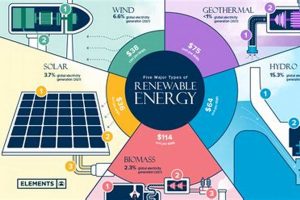
Renewable energy sources, such as solar, wind, hydro, and geothermal power, are often promoted as alternatives to fossil fuels due to their potential for reducing environmental impact. These energy sources harness naturally replenishing resources rather than depleting finite reserves. While frequently considered “clean” energy, a more nuanced examination reveals a more complex picture regarding their contribution to atmospheric greenhouse gas (GHG) emissions.
The primary benefit of renewable energy lies in its displacement of fossil fuel combustion, which is the dominant source of anthropogenic GHG emissions. Historically, reliance on coal, oil, and natural gas for electricity generation and transportation has led to significant increases in atmospheric concentrations of carbon dioxide and other GHGs, contributing to global warming and climate change. Renewable energy offers a pathway to mitigate these impacts by providing energy with a potentially lower carbon footprint.
The ensuing discussion will delve into the lifecycle assessment of various renewable energy technologies, exploring the specific stages in their production, operation, and decommissioning that may result in some degree of GHG emissions. This will encompass the manufacturing of solar panels, the construction of wind turbines, and the potential environmental impacts associated with hydroelectric dams, among other considerations.
Considerations Regarding Greenhouse Gas Emissions from Renewable Energy Sources
The pursuit of renewable energy as a solution to climate change necessitates a comprehensive understanding of its environmental impact, including potential, albeit often minimized, greenhouse gas (GHG) emissions.
Tip 1: Conduct Lifecycle Assessments: Evaluate the full lifecycle GHG emissions of different renewable technologies. This includes emissions associated with manufacturing, transportation, installation, operation, decommissioning, and waste management. For example, solar panel manufacturing requires energy-intensive processes that contribute to GHG emissions.
Tip 2: Prioritize Low-Impact Technologies: Not all renewable energy sources are created equal in terms of their environmental footprint. Wind and solar power typically have lower lifecycle GHG emissions compared to biomass combustion, which can release significant amounts of carbon dioxide. Careful consideration should be given to selecting technologies with the lowest possible impact.
Tip 3: Optimize Grid Integration: The intermittent nature of some renewable sources, such as wind and solar, can necessitate the use of backup power generation, often from fossil fuel sources. Improving grid integration and developing energy storage solutions can reduce the need for fossil fuel backup and minimize overall GHG emissions.
Tip 4: Promote Sustainable Manufacturing Practices: Encourage manufacturers of renewable energy equipment to adopt sustainable practices that minimize energy consumption, reduce waste, and utilize recycled materials. This can significantly lower the GHG emissions associated with the production of renewable energy technologies.
Tip 5: Address Land Use Impacts: Large-scale renewable energy projects, such as solar farms and wind farms, can require significant land areas. Careful planning and consideration should be given to minimizing land use impacts and avoiding deforestation or disruption of sensitive ecosystems.
Tip 6: Evaluate Material Sourcing: The materials used in renewable energy technologies, such as rare earth elements in wind turbines and solar panels, can have significant environmental and social impacts associated with their extraction and processing. Responsible sourcing of materials is crucial for minimizing the overall environmental footprint.
Tip 7: Invest in Research and Development: Continued investment in research and development is essential for improving the efficiency, reducing the cost, and minimizing the environmental impact of renewable energy technologies. This includes research into advanced materials, improved manufacturing processes, and innovative energy storage solutions.
By carefully considering these factors, it is possible to maximize the climate benefits of renewable energy and minimize its potential environmental drawbacks. A holistic approach is essential for ensuring that the transition to a renewable energy future is truly sustainable.
The subsequent sections will provide further details regarding the specific GHG emissions associated with various renewable energy sources and strategies for mitigating these impacts.
1. Lifecycle emissions assessment

The question of whether renewable energy sources result in greenhouse gas production is intrinsically linked to lifecycle emissions assessment. This comprehensive evaluation method examines the total greenhouse gas emissions generated throughout the entire lifespan of a renewable energy technology, from raw material extraction to manufacturing, operation, and eventual decommissioning or recycling. For instance, while a wind turbine produces electricity with minimal operational emissions, the process of mining rare earth minerals for its magnets, manufacturing the steel tower and blades, transporting components, and constructing the foundation all contribute to a quantifiable carbon footprint. Failing to account for these upstream and downstream emissions provides an incomplete and potentially misleading picture of the technology’s true environmental impact.
The importance of lifecycle assessment stems from its ability to identify “emission hotspots” within the renewable energy supply chain. For example, studies may reveal that a significant portion of solar panel emissions originates from the production of silicon wafers or the use of specific refrigerants during manufacturing. Armed with this knowledge, researchers and manufacturers can focus on developing alternative materials, improving energy efficiency in production processes, or implementing better recycling strategies to reduce overall emissions. The process of lifecycle assessment ensures a more accurate assessment of the benefits and limitations of each type of renewable energy source.
In conclusion, the assertion that renewable energy sources are entirely greenhouse gas emission-free is an oversimplification. A rigorous lifecycle emissions assessment provides a more nuanced understanding, accounting for the entirety of emissions produced during the lifespan of the energy system. This comprehensive perspective is vital for developing effective climate change mitigation strategies and ensuring that renewable energy deployment truly minimizes environmental impact.
2. Material production impact

The consideration of material production impact is crucial when evaluating if renewable energy sources produce greenhouse gases. The construction of renewable energy technologies, while intended to displace fossil fuels, relies on resource extraction and manufacturing processes that themselves generate greenhouse gas emissions. This necessitates a thorough examination of the materials used and their associated carbon footprints.
- Extraction and Processing of Raw Materials
Renewable energy systems require various materials, including steel, concrete, aluminum, copper, and rare earth elements. The extraction and processing of these materials are often energy-intensive, resulting in significant greenhouse gas emissions. For instance, the production of aluminum from bauxite ore is a particularly carbon-intensive process. The environmental impact is compounded by the geographical location of these extraction sites, which may be subject to less stringent environmental regulations.
- Manufacturing of Components
The fabrication of solar panels, wind turbines, and other renewable energy components involves complex manufacturing processes that rely on fossil fuels for energy. Solar panel production, for example, requires high-purity silicon, the production of which releases greenhouse gases. Wind turbine blade manufacturing often involves the use of composite materials that are difficult to recycle, creating end-of-life waste management challenges that can contribute to emissions if improperly handled.
- Transportation of Materials and Components
The transportation of raw materials and finished components from manufacturing sites to deployment locations contributes to greenhouse gas emissions. This is particularly true for large-scale projects that require the movement of heavy equipment and materials over long distances. The reliance on trucks, ships, and other transportation modes powered by fossil fuels exacerbates the carbon footprint of renewable energy projects.
- Material Recycling and End-of-Life Management
The end-of-life management of renewable energy components presents a significant challenge. Many components, such as solar panels and wind turbine blades, are difficult to recycle, leading to landfill disposal. Landfilling these materials can result in the release of greenhouse gases and other pollutants. The development of effective recycling technologies and strategies is essential for minimizing the environmental impact of renewable energy systems.
The cumulative effect of material production impact underscores the complexity of assessing the carbon footprint of renewable energy sources. While these sources offer the potential to displace fossil fuels and reduce overall greenhouse gas emissions, a comprehensive analysis must account for the emissions associated with material extraction, manufacturing, transportation, and end-of-life management. Addressing these challenges through sustainable material sourcing, improved manufacturing processes, and enhanced recycling practices is crucial for maximizing the environmental benefits of renewable energy.
3. Transportation requirements

Transportation requirements represent a significant, yet often underestimated, contributor to the greenhouse gas emissions profile of renewable energy sources. The extraction of raw materials, manufacturing of components, and assembly of renewable energy infrastructure typically occur in geographically dispersed locations. This spatial separation necessitates the movement of substantial volumes of materials and equipment, often over considerable distances, before the commencement of energy generation. This transportation relies heavily on fossil fuels, thereby directly increasing the overall greenhouse gas emissions associated with the deployment of renewable energy technologies. Consider, for example, the construction of a large-scale solar farm. Photovoltaic panels manufactured in Asia might need to be shipped to a project site in North America. Similarly, wind turbine components, including blades and towers, are frequently produced in specialized factories and transported to wind farm locations, often requiring specialized heavy-haul transportation methods. These shipping and trucking activities contribute directly to the greenhouse gas footprint of the “clean” energy project.
The impact of transportation requirements is further amplified by the scale of renewable energy projects. As nations pursue ambitious renewable energy targets, the demand for materials and equipment increases proportionally. This, in turn, generates more transportation activity and associated emissions. Furthermore, the siting of renewable energy projects in remote locations, often chosen for optimal resource availability (e.g., strong winds or abundant sunshine), can exacerbate transportation challenges. These remote locations may lack adequate infrastructure, necessitating the construction of new roads and transport facilities, which introduces further emissions and environmental disturbances. The practical significance of understanding transportation-related emissions lies in the potential for mitigation. Optimizing supply chains, utilizing more fuel-efficient transportation methods, and prioritizing local sourcing of materials can significantly reduce the greenhouse gas footprint of renewable energy projects.
In conclusion, while renewable energy sources offer a vital pathway to decarbonize the energy sector, it is crucial to acknowledge and address the greenhouse gas emissions associated with their transportation requirements. Overlooking this factor can lead to an underestimation of the true environmental impact of these technologies. By implementing strategies to minimize transportation-related emissions, the climate benefits of renewable energy can be further enhanced, contributing to a more sustainable and low-carbon energy future. A holistic approach to lifecycle assessments, encompassing all stages from resource extraction to energy generation, is essential for accurately quantifying and mitigating the environmental footprint of renewable energy deployment.
4. Decommissioning processes

The end-of-life phase of renewable energy infrastructure, encompassing decommissioning processes, introduces a critical dimension to the assessment of greenhouse gas emissions. While renewable energy sources are lauded for their reduced operational emissions, the eventual dismantling, removal, and disposal or recycling of components can result in a non-negligible carbon footprint. The specific emissions profile during decommissioning is contingent on the technology, materials involved, and the chosen decommissioning strategy. For example, the decommissioning of a wind turbine necessitates the dismantling of large blades and towers, requiring heavy machinery and transportation that consumes fossil fuels. Similarly, solar panel decommissioning involves the removal of panels containing materials such as silicon, cadmium telluride, or copper indium gallium selenide, some of which pose environmental hazards and require specialized handling and disposal methods. Improper handling or disposal can lead to the release of greenhouse gases or other pollutants.
The importance of carefully planned decommissioning processes lies in their potential to either mitigate or exacerbate the overall greenhouse gas impact of renewable energy. A proactive approach that prioritizes material recycling and reuse can significantly reduce emissions compared to a scenario where components are simply landfilled. For instance, steel and aluminum from wind turbine towers can be recycled, offsetting the need for virgin material production, which is energy-intensive. Similarly, efforts are underway to develop more effective recycling methods for solar panels, aiming to recover valuable materials such as silicon and silver. However, the lack of established recycling infrastructure and the complexity of material separation often present economic and technical challenges. The cost of recycling can sometimes exceed the value of recovered materials, leading to landfill disposal as the more economically attractive option, despite its environmental implications. An effective decommissioning strategy must, therefore, consider both environmental and economic factors.
In conclusion, decommissioning processes are an integral component in the lifecycle assessment of greenhouse gas emissions from renewable energy sources. Ignoring this phase can lead to an incomplete and potentially misleading evaluation of the environmental benefits of renewable energy. By prioritizing sustainable decommissioning practices, such as material recycling and reuse, it is possible to minimize the carbon footprint associated with the end-of-life phase and ensure that the transition to a renewable energy future is truly sustainable. The development of clear regulatory frameworks and economic incentives that promote responsible decommissioning practices is essential for realizing the full potential of renewable energy as a climate change mitigation strategy.
5. Intermittency implications

The inherent intermittency of certain renewable energy sources, particularly solar and wind power, introduces complexities regarding greenhouse gas emissions. Unlike fossil fuel-based power plants, which can operate continuously, solar and wind generation fluctuate depending on weather conditions. This variability necessitates backup power sources or energy storage solutions to ensure a consistent electricity supply. The choice of backup power significantly influences the overall greenhouse gas emissions profile of a renewable energy system. Frequently, natural gas-fired power plants are employed as dispatchable backup, capable of rapidly increasing output to compensate for dips in solar or wind generation. The combustion of natural gas releases carbon dioxide, methane, and other greenhouse gases, contributing to atmospheric warming. Thus, while solar and wind generation themselves produce minimal operational emissions, the reliance on natural gas backup can partially offset their climate benefits.
Energy storage technologies, such as batteries and pumped hydro storage, offer a potentially cleaner alternative to natural gas backup. However, these technologies also have embedded greenhouse gas emissions associated with their manufacturing, installation, and operation. Battery production, for example, requires the extraction and processing of raw materials, including lithium, cobalt, and nickel, which can have a substantial environmental footprint. Pumped hydro storage involves the construction of large reservoirs, which can disrupt ecosystems and release methane from decaying vegetation. The selection and deployment of energy storage solutions, therefore, require careful consideration of their lifecycle greenhouse gas emissions. Furthermore, efficient grid management is crucial for mitigating the intermittency implications of renewable energy. Improved forecasting of solar and wind generation, coupled with smart grid technologies that can dynamically balance supply and demand, can reduce the need for backup power and minimize reliance on fossil fuels.
In conclusion, the intermittency of solar and wind power introduces a crucial consideration in evaluating the overall greenhouse gas emissions associated with renewable energy systems. The use of fossil fuel-based backup power can diminish the climate benefits of these renewable sources. Addressing intermittency through the development and deployment of cleaner energy storage technologies and enhanced grid management practices is essential for maximizing the greenhouse gas reduction potential of renewable energy and achieving a truly sustainable energy future.
Frequently Asked Questions
The following section addresses common queries regarding the production of greenhouse gases by renewable energy sources. It aims to provide clear, concise answers based on scientific understanding and lifecycle assessment principles.
Question 1: Are renewable energy sources completely free of greenhouse gas emissions?
No. While renewable energy sources generally produce significantly lower greenhouse gas emissions compared to fossil fuels during operation, emissions are generated during other stages of their lifecycle, including manufacturing, transportation, installation, and decommissioning.
Question 2: Which stages of a renewable energy system’s lifecycle contribute to greenhouse gas emissions?
Emissions can arise from several stages: the extraction and processing of raw materials (e.g., silicon for solar panels, rare earth elements for wind turbines), the energy-intensive manufacturing of components, the transportation of equipment to project sites, and the eventual decommissioning and disposal or recycling of infrastructure.
Question 3: How do the emissions from renewable energy compare to those from fossil fuels?
Lifecycle assessments consistently demonstrate that renewable energy technologies, such as solar, wind, and hydro, have substantially lower greenhouse gas emissions per unit of electricity generated compared to coal, oil, and natural gas power plants. However, the magnitude of the difference varies depending on the specific technology and the methodologies used in the assessment.
Question 4: Does the intermittency of solar and wind energy affect greenhouse gas emissions?
Yes. The intermittent nature of solar and wind power often necessitates the use of backup power sources, frequently natural gas-fired plants. The emissions from these backup sources can partially offset the emissions reductions achieved by the renewable energy component of the system. Energy storage solutions can mitigate this effect, but their own lifecycle emissions must also be considered.
Question 5: Are there specific renewable energy technologies with higher greenhouse gas emissions than others?
Yes. Biomass combustion, for example, can have relatively high greenhouse gas emissions, particularly if unsustainable forestry practices are employed. Large-scale hydropower projects can also result in significant methane emissions from reservoirs, depending on the local environment.
Question 6: What steps can be taken to minimize greenhouse gas emissions from renewable energy sources?
Strategies include improving energy efficiency in manufacturing processes, utilizing recycled materials, optimizing transportation logistics, developing more effective recycling technologies, and deploying energy storage solutions to reduce reliance on fossil fuel-based backup power.
A nuanced understanding of greenhouse gas emissions associated with renewable energy is essential for informed decision-making and the development of effective climate change mitigation strategies.
The subsequent section will explore policies and strategies aimed at further reducing the carbon footprint of renewable energy technologies.
Do Renewable Energy Sources Produce Greenhouse Gases
The preceding analysis confirms that renewable energy sources are not entirely devoid of greenhouse gas emissions. While operational emissions are often minimal, a comprehensive lifecycle assessment reveals emissions associated with material extraction, manufacturing, transportation, installation, and decommissioning processes. Factors such as the intermittency of solar and wind power, and the reliance on backup power sources, also contribute to the overall emissions profile. The relative magnitude of these emissions varies depending on the specific renewable energy technology and the implementation strategies employed.
Continued efforts to optimize manufacturing processes, promote sustainable material sourcing, and develop efficient recycling technologies are essential for minimizing the greenhouse gas footprint of renewable energy. A commitment to comprehensive lifecycle assessment and informed policy decisions will facilitate the responsible deployment of renewable energy and contribute to a more sustainable and low-carbon energy future. Ignoring these considerations risks undermining the climate benefits that renewable energy is intended to provide.