Electricity generation in Hawai’i has historically relied heavily on imported fossil fuels. The pursuit of sustainable power on the islands involves harnessing locally available resources like solar, wind, geothermal, and wave energy. For instance, rooftop solar photovoltaic systems are becoming increasingly common on residential and commercial buildings, contributing to the grid’s energy mix. Exploring and implementing diverse renewable sources is crucial for achieving energy independence and reducing the state’s carbon footprint.
The shift towards sustainable power sources offers significant advantages for the archipelago. Reduced reliance on imported fossil fuels enhances energy security, stabilizes electricity prices against volatile global markets, and stimulates local job growth in the renewable energy sector. Furthermore, transitioning to cleaner energy sources mitigates the environmental impact of electricity generation, contributing to a healthier ecosystem and supporting the state’s commitment to combating climate change. This transition is ongoing, with continuous efforts to improve grid stability, integrate new technologies, and expand renewable energy capacity.
This discussion will further explore the various renewable energy technologies currently deployed and under development in Hawai’i, analyze the challenges and opportunities associated with this transition, and examine the role of policy and community engagement in shaping the future of sustainable power generation in the state.
Tips for Supporting Sustainable Energy in Hawai’i
Residents and businesses can contribute to the growth of sustainable power generation in Hawai’i through informed choices and proactive measures. The following tips offer practical guidance for supporting this important transition.
Tip 1: Explore rooftop solar photovoltaic (PV) systems. Installing solar panels on residential or commercial buildings can significantly reduce reliance on grid electricity and lower energy costs. Net metering programs allow excess energy generated to be fed back into the grid, further offsetting expenses.
Tip 2: Consider battery storage solutions. Pairing battery storage with solar PV systems allows for greater energy independence and provides backup power during grid outages. This can be particularly beneficial in remote areas or during emergencies.
Tip 3: Invest in energy-efficient appliances and lighting. Energy Star certified appliances and LED lighting consume less electricity, reducing overall energy demand and lowering utility bills. This contributes to a lower carbon footprint and supports the transition to cleaner energy.
Tip 4: Participate in demand response programs. These programs offer incentives for reducing electricity consumption during peak demand periods, helping to stabilize the grid and integrate more renewable energy sources.
Tip 5: Support policies that promote renewable energy development. Staying informed about local energy policies and advocating for supportive legislation can accelerate the transition to a sustainable energy future.
Tip 6: Engage with community initiatives. Numerous organizations in Hawai’i promote sustainable energy practices and offer educational resources. Participating in community events and workshops can provide valuable insights and foster collaborative efforts.
By adopting these practices, individuals and businesses can actively participate in building a more sustainable energy future for Hawai’i. These combined efforts contribute to greater energy independence, economic stability, and environmental protection.
The transition to sustainable energy in Hawai’i requires collective action. Understanding the available options and actively engaging in these practices empowers residents and businesses to play a vital role in shaping a cleaner, more resilient energy landscape.
1. Solar Power

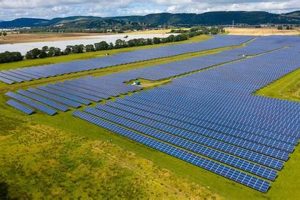
Solar power plays a pivotal role in Hawai’i’s transition to renewable energy. The archipelago’s abundant sunshine makes it an ideal location for harnessing solar energy. Photovoltaic (PV) systems, which convert sunlight directly into electricity, are widely deployed across the islands, from rooftop installations on residential homes to large-scale solar farms. This widespread adoption is driven by several factors, including decreasing costs of solar technology, government incentives, and growing public awareness of the environmental and economic benefits of renewable energy. For example, the feed-in tariff program, which guaranteed a fixed price for solar energy fed back into the grid, encouraged early adoption and helped establish a robust solar industry in the state.
The integration of solar power into the electricity grid presents both opportunities and challenges. While solar energy significantly reduces reliance on fossil fuels, its intermittent nature requires innovative solutions for grid stability and reliability. Battery storage technologies are increasingly deployed alongside solar installations to address this intermittency, providing a consistent power supply even when the sun isn’t shining. Furthermore, advanced grid management systems are crucial for optimizing the integration of solar power and ensuring efficient distribution of electricity across the islands. For instance, smart inverters can adjust the flow of electricity from solar panels to match grid demand, enhancing grid stability and reducing the need for costly upgrades.
Continued growth of solar power is essential for achieving Hawai’i’s renewable energy goals. Ongoing research and development efforts focus on improving the efficiency and affordability of solar technologies, as well as developing innovative solutions for grid integration. The successful integration of solar power into the electricity grid not only reduces the state’s carbon footprint but also enhances energy security, stabilizes electricity prices, and creates new economic opportunities in the renewable energy sector. Addressing the remaining technical and regulatory challenges will further unlock the potential of solar energy to power Hawai’i’s sustainable future.
2. Wind Energy

Wind energy represents a significant component of Hawai’i’s renewable energy portfolio, complementing solar power and other sustainable sources. The consistent trade winds that sweep across the islands offer a valuable resource for generating clean electricity. Harnessing this wind potential is crucial for reducing reliance on fossil fuels and achieving the state’s ambitious clean energy targets. Effective integration of wind power requires careful consideration of various factors, including site selection, environmental impact, and grid infrastructure.
- Resource Assessment and Site Selection
Accurate assessment of wind resources is essential for identifying optimal locations for wind turbines. Detailed wind mapping studies analyze wind speed, direction, and consistency to determine the energy production potential of specific sites. Considerations such as proximity to transmission lines, environmental sensitivity, and community acceptance play a crucial role in the site selection process. For example, the Kahuku Wind project on O’ahu demonstrates the importance of balancing energy production with community concerns.
- Turbine Technology and Deployment
Advances in wind turbine technology have significantly increased the efficiency and cost-effectiveness of wind energy generation. Modern wind turbines are designed to capture wind energy effectively even in varying wind conditions. Careful consideration of turbine size, placement, and spacing is crucial for maximizing energy output while minimizing environmental impact. The Pakini Nui Wind Farm on Maui utilizes advanced turbine technology to generate clean energy.
- Grid Integration and Infrastructure
Integrating wind power into the existing electricity grid requires robust infrastructure and advanced grid management systems. Upgrading transmission lines and substations ensures efficient delivery of wind-generated electricity to consumers. Smart grid technologies, such as advanced forecasting and control systems, help balance the intermittent nature of wind power with fluctuating energy demand. The use of battery storage systems can further enhance grid stability and reliability by storing excess wind energy for use when wind resources are low.
- Environmental and Community Considerations
Developing wind energy projects requires careful consideration of potential environmental impacts. Environmental impact assessments evaluate the effects on wildlife, habitats, and visual landscapes. Engaging with local communities and addressing their concerns is crucial for ensuring project acceptance and minimizing potential conflicts. Community engagement efforts often involve public meetings, educational programs, and collaborative initiatives to address potential impacts and ensure equitable distribution of benefits.
Effective integration of wind energy into Hawai’i’s electricity system contributes significantly to the state’s renewable energy goals. By strategically developing wind projects and addressing the associated technical and community considerations, Hawai’i can further reduce its reliance on fossil fuels, enhance energy security, and create a more sustainable energy future. Ongoing research and development efforts focus on improving wind turbine technology, optimizing grid integration strategies, and minimizing environmental impacts to maximize the contribution of wind energy to the state’s clean energy transition.
3. Geothermal Resources

Geothermal energy represents a unique renewable resource in Hawai’i, offering a firm and dispatchable source of electricity unlike the intermittent nature of solar and wind power. Harnessing the heat from within the Earth provides a consistent baseload power supply, crucial for grid stability as the state transitions to a higher percentage of renewable energy. Understanding the potential and challenges associated with geothermal development is essential for maximizing its contribution to Hawai’i’s sustainable energy future.
- Geological Context and Resource Potential
Hawai’i’s volcanic origins create unique geological conditions favorable for geothermal energy production. The active volcanoes and underlying magma chambers provide a substantial heat source. Assessing the geothermal resource potential involves geological surveys, geophysical exploration, and exploratory drilling to determine the temperature, depth, and extent of geothermal reservoirs. The Puna Geothermal Venture on Hawai’i Island demonstrates the potential of harnessing this volcanic heat for electricity generation.
- Power Plant Technology and Operation
Geothermal power plants utilize various technologies to convert geothermal heat into electricity. The most common method involves extracting hot water or steam from geothermal reservoirs and using it to drive turbines connected to generators. Binary cycle power plants, which use a secondary working fluid with a lower boiling point, can also harness geothermal heat from lower-temperature reservoirs. Operational considerations include maintaining reservoir pressure, managing wastewater, and minimizing environmental impacts. The optimization of power plant design and operation is crucial for maximizing energy efficiency and minimizing operational costs.
- Environmental Considerations and Mitigation
Geothermal development requires careful consideration of potential environmental impacts. These may include land use changes, emissions of gases such as hydrogen sulfide, and potential impacts on groundwater resources. Environmental mitigation strategies include minimizing surface disturbance, implementing air quality control measures, and carefully managing wastewater disposal. Continuous monitoring and assessment are essential for ensuring compliance with environmental regulations and minimizing any adverse effects. The ongoing discussions surrounding the expansion of geothermal energy on Hawai’i Island highlight the importance of addressing these considerations.
- Community Engagement and Cultural Sensitivity
Geothermal resources often hold cultural significance for indigenous communities. Engaging with local communities and respecting cultural values is essential for ensuring that geothermal development proceeds in a socially responsible manner. This engagement involves open communication, collaborative decision-making, and incorporating traditional ecological knowledge into project planning and implementation. Successful integration of geothermal energy requires balancing energy needs with cultural sensitivity and ensuring equitable distribution of benefits.
Geothermal energy offers a valuable resource for diversifying Hawai’i’s renewable energy portfolio. By carefully addressing the technical, environmental, and cultural considerations associated with geothermal development, the state can leverage this resource to enhance energy security, reduce greenhouse gas emissions, and create a more sustainable energy future. Continued research and development efforts focus on improving geothermal technologies, minimizing environmental impacts, and fostering community partnerships to maximize the contribution of geothermal energy to Hawai’i’s clean energy transition.
4. Ocean Energy Potential

Ocean energy represents a largely untapped renewable resource with significant potential to contribute to Hawai’i’s clean energy transition. The state’s extensive coastline and unique oceanographic conditions offer opportunities to harness various forms of ocean energy, including wave energy, tidal energy, ocean thermal energy conversion (OTEC), and ocean currents. Exploring and developing these technologies is crucial for diversifying the state’s renewable energy portfolio and reducing reliance on fossil fuels. Realizing this potential requires overcoming technical challenges, addressing environmental considerations, and fostering community acceptance.
- Wave Energy Conversion
Wave energy converters capture the kinetic energy of ocean waves and transform it into electricity. Various technologies exist, including oscillating water columns, point absorbers, and overtopping devices. The feasibility of wave energy in Hawai’i is supported by the consistent wave patterns along the coastlines. Pilot projects, such as the deployment of wave energy converters off the coast of O’ahu, aim to demonstrate the technology’s effectiveness and assess its environmental impact. Successfully harnessing wave energy could provide a significant contribution to Hawai’i’s renewable energy mix.
- Tidal Energy
Tidal energy harnesses the predictable rise and fall of tides to generate electricity. Tidal barrages and tidal turbines are the primary technologies employed for capturing tidal energy. While Hawai’i’s tidal range is relatively small compared to other regions, specific locations may offer suitable conditions for tidal energy projects. Further research and site-specific assessments are necessary to determine the viability and potential contribution of tidal energy in the state.
- Ocean Thermal Energy Conversion (OTEC)
OTEC utilizes the temperature difference between warm surface water and cold deep ocean water to generate electricity. This technology is particularly well-suited for tropical locations like Hawai’i. The Natural Energy Laboratory of Hawai’i Authority (NELHA) on Hawai’i Island has been a pioneer in OTEC research and development. OTEC plants can also produce desalinated water as a byproduct, offering a valuable resource for water-stressed regions. Overcoming the technical challenges and high initial investment costs associated with OTEC is crucial for unlocking its full potential.
- Ocean Currents
Harnessing the energy of ocean currents remains a relatively nascent technology. Specialized turbines designed to capture the kinetic energy of flowing water can generate electricity. The strong currents around the Hawaiian Islands offer potential for this technology. Further research and development are needed to refine the technology and assess its environmental impact. Successful implementation of ocean current energy conversion could provide a consistent and predictable source of renewable energy.
Developing ocean energy technologies presents both opportunities and challenges for Hawai’i. While these resources offer the potential to significantly contribute to the state’s renewable energy goals, further research, technological advancements, and strategic deployment are necessary to fully realize their potential. Addressing environmental concerns, ensuring community acceptance, and securing necessary funding will be critical for the successful integration of ocean energy into Hawai’i’s electricity grid. By continuing to explore and invest in ocean energy technologies, Hawai’i can diversify its energy portfolio, enhance energy security, and create a more sustainable future.
5. Grid Modernization Efforts

Modernizing Hawai’i’s electricity grid is essential for effectively integrating high levels of renewable energy and achieving the state’s clean energy targets. The existing grid infrastructure, designed primarily for centralized fossil fuel-based generation, requires significant upgrades and enhancements to accommodate the distributed and intermittent nature of renewable sources like solar, wind, and wave energy. Grid modernization efforts focus on improving grid stability, reliability, and resilience while enabling greater penetration of renewable energy resources.
- Advanced Metering Infrastructure (AMI)
Deploying smart meters provides real-time data on energy consumption, enabling dynamic pricing mechanisms and demand response programs. This allows consumers to adjust their energy usage based on price signals and grid conditions, facilitating better integration of intermittent renewable energy sources. For example, time-of-use rates can incentivize consumers to shift energy-intensive activities to periods when renewable energy generation is high. Smart meters also improve grid management by providing real-time visibility into energy flows and enabling faster detection and response to outages.
- Distribution System Upgrades
Enhancing the distribution system involves upgrading transformers, power lines, and other grid components to handle the bidirectional flow of electricity associated with distributed renewable energy generation. This includes strengthening the grid’s capacity to accommodate rooftop solar photovoltaic systems, community-based renewable energy projects, and electric vehicle charging infrastructure. Investing in grid hardening measures, such as burying power lines and installing stronger poles, improves grid resilience against extreme weather events and natural disasters.
- Energy Storage Solutions
Integrating energy storage technologies, such as batteries and pumped hydro storage, is crucial for addressing the intermittency of renewable energy sources. Storing excess renewable energy during periods of high generation and releasing it during periods of low generation or peak demand ensures a stable and reliable power supply. Battery storage systems can also provide grid stabilization services, such as frequency regulation and voltage support, further enhancing grid reliability and enabling greater penetration of renewable energy. The use of pumped hydro storage, which utilizes excess renewable energy to pump water uphill and then releases it to generate electricity during periods of high demand, offers a large-scale energy storage solution for grid balancing.
- Grid Management Systems
Implementing advanced grid management systems, including sophisticated software and control technologies, is essential for optimizing grid operations in a high-renewable energy environment. These systems utilize real-time data from smart meters, weather forecasts, and renewable energy generation sources to predict and manage fluctuations in energy supply and demand. Advanced grid management systems enable more efficient dispatch of renewable energy resources, minimize curtailment of renewable generation, and enhance grid stability. These systems also facilitate the integration of microgrids, which can operate independently or in conjunction with the main grid, providing enhanced resilience and reliability.
These grid modernization efforts are crucial for maximizing the benefits of Hawai’i’s transition to renewable energy. By investing in advanced grid technologies and implementing innovative grid management strategies, the state can ensure a reliable, resilient, and sustainable electricity system that supports high levels of renewable energy penetration while minimizing costs and maximizing benefits for consumers. The ongoing evolution of grid modernization technologies and the increasing integration of distributed energy resources will continue to shape the future of Hawai’i’s electricity grid and its role in achieving a clean energy future.
6. Community Engagement

Community engagement plays a vital role in the successful transition to renewable energy in Hawai’i. Public acceptance and support are essential for the development and implementation of renewable energy projects. Effective engagement builds trust, addresses concerns, and fosters a sense of shared ownership in the transition. This collaborative approach recognizes that energy decisions impact communities in various ways, including land use, visual impacts, and economic opportunities. For example, community-led initiatives, such as the Hoahu Energy Cooperative Molokai, demonstrate the power of local ownership and control in driving renewable energy adoption. These initiatives prioritize community benefits and ensure that the transition aligns with local values and priorities.
Several factors contribute to the importance of community engagement in renewable energy transitions. Open communication and transparent decision-making processes are crucial for building trust and addressing potential concerns. Providing accessible information about the benefits and impacts of renewable energy projects empowers communities to make informed decisions. Early and ongoing engagement allows for meaningful input from residents, ensuring that projects reflect community needs and preferences. This participatory approach can lead to greater project acceptance, smoother implementation, and more equitable distribution of benefits. Incorporating local knowledge and cultural values into project design further enhances community support and fosters a sense of shared responsibility for the energy transition. For instance, engaging with Native Hawaiian communities ensures that renewable energy development respects cultural landscapes and traditional practices.
Successful community engagement requires proactive outreach, inclusive dialogue, and ongoing collaboration. Establishing clear communication channels, organizing public forums, and creating opportunities for feedback are essential steps. Utilizing diverse communication methods, such as community meetings, online platforms, and local media, ensures that information reaches all segments of the population. Building strong partnerships with community organizations, local leaders, and indigenous groups strengthens relationships and facilitates effective communication. By prioritizing community engagement, Hawai’i can build a more equitable and sustainable energy future that benefits all residents. This collaborative approach fosters greater public acceptance of renewable energy projects, accelerates the clean energy transition, and creates a more resilient and prosperous future for the state.
Frequently Asked Questions
This section addresses common inquiries regarding the transition to sustainable energy resources in Hawai’i. Clear and accurate information is crucial for informed decision-making and fostering public understanding of this important endeavor.
Question 1: How does the intermittent nature of renewable energy sources like solar and wind affect grid reliability?
Grid stability is maintained through a combination of strategies. Advanced forecasting, diversified renewable resources, and energy storage solutions, such as batteries and pumped hydro, help balance fluctuating supply and demand. Grid modernization efforts, including smart grids and improved transmission infrastructure, also play a key role.
Question 2: What is being done to mitigate the environmental impact of renewable energy development?
Environmental assessments are conducted for all renewable energy projects to evaluate potential impacts on ecosystems, wildlife, and cultural resources. Mitigation strategies are implemented to minimize adverse effects, and ongoing monitoring ensures compliance with environmental regulations. Community input is essential to this process.
Question 3: How does the shift to renewable energy impact energy affordability for consumers?
Reducing reliance on imported fossil fuels helps stabilize energy prices and protect consumers from volatile global markets. Government incentives and innovative financing mechanisms, such as community solar programs, further enhance affordability and accessibility of renewable energy technologies.
Question 4: What role does energy storage play in maximizing the use of renewable energy?
Energy storage technologies, such as batteries, pumped hydro, and thermal storage, address the intermittency of renewable resources like solar and wind. Stored energy can be dispatched to the grid during periods of low generation or peak demand, ensuring a consistent and reliable power supply.
Question 5: How are indigenous communities involved in the renewable energy transition?
Respecting cultural values and incorporating traditional ecological knowledge is paramount. Meaningful consultation with indigenous communities ensures that renewable energy development aligns with cultural practices, protects sacred sites, and provides equitable benefits.
Question 6: What steps can individuals take to support the growth of renewable energy?
Individuals can contribute by exploring rooftop solar installations, investing in energy-efficient appliances, participating in demand response programs, and supporting policies that promote renewable energy development. Staying informed about local energy initiatives and engaging with community organizations further strengthens collective efforts.
Transitioning to a sustainable energy future requires a collective effort. Understanding the complexities and benefits of this transition empowers individuals, communities, and policymakers to make informed decisions and contribute to a cleaner, more resilient energy system.
For further information and resources regarding the transition to sustainable energy in Hawai’i, please explore the links provided below.
Hawaiian Electric Renewable Energy
The pursuit of sustainable power generation in Hawai’i represents a multifaceted undertaking with significant implications for the state’s future. This exploration has highlighted the diverse range of renewable energy resources available, including solar, wind, geothermal, and ocean energy, each with its own potential and challenges. Grid modernization efforts, coupled with robust community engagement, are essential for effectively integrating these resources and ensuring a reliable and resilient electricity system. The transition necessitates addressing technical hurdles, environmental considerations, and cultural sensitivities to create a sustainable energy landscape that benefits all stakeholders. From rooftop solar installations empowering individual homeowners to large-scale wind farms harnessing the archipelago’s consistent trade winds, the journey toward energy independence requires collaborative efforts and innovative solutions.
The transition toward renewable energy embodies more than just a technological shift; it represents a fundamental change in the relationship between energy production and consumption. It signifies a commitment to environmental stewardship, economic diversification, and enhanced energy security. The pursuit of sustainable power in Hawai’i serves as a model for other island nations and regions facing similar challenges. Continued investment in research, development, and community engagement will be crucial for realizing the full potential of renewable energy and forging a sustainable energy future for generations to come. The choices made today will shape not only the energy landscape of tomorrow but also the very future of these islands.