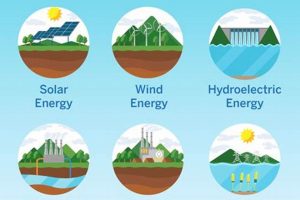
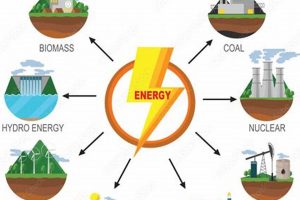
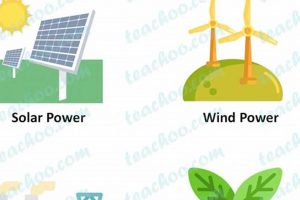
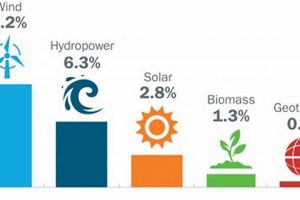
A naturally replenished power supply, continuously available within a human lifespan, offers a sustainable alternative to finite resources. Sunlight, wind, geothermal heat, and flowing water exemplify these self-recharging assets. The characteristic of being naturally replenished distinguishes these resources from those that are depleted upon use, such as fossil fuels.
The adoption of these sustainable power systems presents numerous advantages. Reduced greenhouse gas emissions mitigate climate change, contributing to a healthier environment. Diversification of power generation enhances energy security, lessening dependence on volatile global markets. Furthermore, the deployment of these technologies often stimulates economic growth and creates employment opportunities within local communities. Historically, societies have utilized these power sources on a small scale for centuries, but recent advancements are facilitating large-scale integration into modern grids.
The following sections will delve into the various types of sustainable power systems, examining their technological principles, economic viability, and environmental impact. These topics will further illuminate the role these resources play in shaping a more sustainable energy future and contribute to a more resilient and environmentally conscious global economy.
Harnessing Sustainable Power
The transition toward sustainable power requires informed decision-making and strategic implementation. The following points offer guidance for individuals and organizations seeking to integrate sustainable power into their energy portfolios.
Tip 1: Conduct a Comprehensive Energy Audit: Before implementing any sustainable solution, perform a thorough assessment of current energy consumption. Identify areas of inefficiency and prioritize reduction strategies. This data-driven approach ensures that implemented solutions are appropriately sized and effectively address actual energy needs.
Tip 2: Prioritize Passive Strategies: Maximize the use of natural resources through passive design. Orient buildings to optimize solar gain in winter and minimize it in summer. Implement natural ventilation strategies to reduce reliance on air conditioning. These measures minimize energy demand from the outset.
Tip 3: Invest in Energy-Efficient Technologies: Upgrade to high-efficiency appliances, lighting systems, and HVAC equipment. Although the initial investment may be higher, the long-term operational cost savings will yield a significant return. Look for Energy Star certified products to ensure verified performance.
Tip 4: Explore On-Site Generation Options: Assess the feasibility of installing on-site generation technologies such as solar photovoltaic (PV) panels or small-scale wind turbines. These systems can significantly reduce reliance on grid-supplied electricity and provide a hedge against fluctuating energy prices.
Tip 5: Evaluate Energy Storage Solutions: Consider incorporating energy storage systems to maximize the benefits of intermittent resources like solar and wind. Battery storage can store excess power generated during peak production periods for use during periods of low production or high demand.
Tip 6: Engage with Local Utilities and Government Programs: Research available incentives, rebates, and tax credits offered by local utilities and government agencies. These programs can significantly reduce the upfront cost of implementing these types of power systems and improve their economic viability.
Tip 7: Implement Energy Monitoring and Management Systems: Install systems to track and analyze energy consumption patterns in real-time. This data can be used to identify opportunities for further optimization and to verify the effectiveness of implemented measures.
Implementing these recommendations enables a practical path towards greater independence from traditional power sources, offering environmental and economic benefits. Continuous monitoring and adaptation are crucial for optimizing performance and realizing the full potential of these power solutions.
The subsequent section will present a detailed examination of the challenges and opportunities associated with the widespread adoption of these resources, paving the way for a more sustainable and resilient energy future.
1. Naturally replenished

The characteristic of being “naturally replenished” is fundamental to the very concept of a sustainable energy source. Without this inherent ability to regenerate within a human timeframe, a resource cannot be accurately classified as a sustainable energy option. This replenishment distinguishes them from finite resources like fossil fuels, which are consumed at rates exceeding their natural formation. Solar radiation, constantly emitted by the sun, is a prime example, enabling solar photovoltaic systems to generate electricity without depleting the initial power supply. Similarly, wind patterns, driven by solar heating and atmospheric pressure gradients, continuously renew, powering wind turbines effectively.
The importance of this natural replenishment lies in its implications for long-term resource availability and environmental impact. Resources that deplete create scarcity and necessitate the extraction of further resources, often with significant environmental consequences. In contrast, harnessing perpetually replenished resources reduces reliance on destructive extraction methods. Geothermal energy, drawing on the Earth’s internal heat, represents a further instance, constantly available regardless of external factors, thereby ensuring ongoing power generation. Tidal power, stemming from the gravitational forces of the moon and sun, offers a consistent and predictable source, demonstrating its ability to replenish continuously.
A clear understanding of “naturally replenished” is crucial for informed decision-making in energy policy and investment. Recognizing that a source’s ability to renew itself is paramount guides the selection of strategies. While the intermittent nature of some sustainable resources presents challenges, the fact that they are constantly restored alleviates the concern of ultimate exhaustion. This underscores the critical role of research and development in optimizing the use of these resources, ensuring a more secure and environmentally responsible energy future. The pursuit of sustainable energy is inextricably linked to the availability and effective utilization of naturally replenished sources.
2. Environmental sustainability

The principle of environmental sustainability is inextricably linked to the definition and deployment of these power systems. Sustainable practices minimize adverse impacts on ecosystems, conserve natural resources, and promote long-term ecological health. The shift towards these resources is, in large part, driven by the imperative to mitigate the environmental damage associated with traditional power generation methods.
- Reduced Greenhouse Gas Emissions
A primary benefit of sustainable power is the significant reduction in greenhouse gas emissions, a key driver of climate change. Unlike fossil fuels, many of these power technologies, such as solar and wind, produce minimal to no greenhouse gases during operation. This reduction contributes to mitigating global warming and its associated consequences, including sea-level rise, extreme weather events, and disruptions to ecosystems.
- Decreased Air and Water Pollution
Traditional power plants are major sources of air pollutants, including particulate matter, sulfur dioxide, and nitrogen oxides, which contribute to respiratory problems and other health issues. Furthermore, coal-fired power plants can contaminate water sources with heavy metals and other toxins. Sustainable power generation, especially from sources like solar and wind, minimizes these pollutants, leading to cleaner air and water resources.
- Conservation of Natural Resources
The extraction, processing, and transportation of fossil fuels deplete natural resources and often involve destructive environmental practices, such as mountaintop removal coal mining and oil spills. Sustainable power, on the other hand, relies on resources that are continuously replenished, reducing the pressure on finite resources and minimizing habitat destruction.
- Protection of Ecosystems and Biodiversity
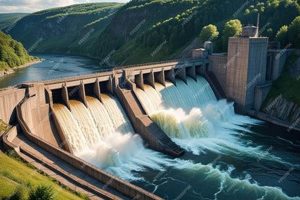
The development of large-scale energy projects can have significant impacts on ecosystems and biodiversity. Hydropower dams can alter river flows and disrupt aquatic habitats, while wind farms can pose a threat to bird and bat populations. However, careful planning and siting of projects, coupled with mitigation measures, can minimize these impacts. Moreover, the overall environmental benefits of reducing reliance on fossil fuels often outweigh the localized impacts of these power installations.
In summary, the integration of environmental sustainability into the definition of power sources necessitates a holistic assessment of energy systems, considering not only their ability to provide power but also their impacts on the planet’s ecological health. These resources offer a viable pathway towards a future where energy production and environmental stewardship are mutually reinforcing, ensuring a healthy planet for current and future generations.
3. Finite Resource Alternative
The designation of a power source as a “finite resource alternative” fundamentally connects to the meaning of a sustainable energy resource. This relationship highlights the critical role these power systems play in mitigating the depletion of exhaustible resources and transitioning toward a more secure and environmentally responsible energy future.
- Depletion Mitigation
The primary role of a finite resource alternative is to lessen dependence on resources with fixed supplies. Fossil fuels, such as coal, oil, and natural gas, are finite and are subject to eventual exhaustion. Sustainable energy alternatives, like solar, wind, and geothermal, offer a virtually inexhaustible supply, thereby reducing the demand for and extending the lifespan of finite resources. The increasing adoption of solar power in regions heavily reliant on coal exemplifies this role.
- Price Stability Influence
Finite resources are often subject to price volatility due to geopolitical factors, supply disruptions, and increasing scarcity. Alternatives can provide a buffer against these fluctuations. By diversifying the energy mix and reducing reliance on single sources, they contribute to greater price stability in the energy market. The development of domestic wind power industries, for example, can insulate national economies from international oil price shocks.
- Environmental Impact Reduction
The extraction and combustion of finite resources carry significant environmental consequences, including greenhouse gas emissions, air and water pollution, and habitat destruction. Alternatives generally have a smaller environmental footprint, contributing to cleaner air, reduced carbon emissions, and the preservation of natural ecosystems. The expansion of electric vehicle infrastructure, powered by sustainable sources, directly reduces reliance on gasoline and its associated environmental impacts.
- Energy Independence Enhancement
Reliance on imported finite resources can create energy dependence, making nations vulnerable to supply disruptions and geopolitical pressures. Developing domestic alternatives enhances energy independence and security. Countries investing in geothermal energy, for instance, are leveraging indigenous resources to reduce their reliance on foreign oil and gas imports.
These facets underscore the vital role of finite resource alternatives in shaping a sustainable energy landscape. By mitigating depletion, fostering price stability, reducing environmental impact, and enhancing energy independence, sustainable sources offer a pathway toward a more secure and resilient energy future. The continued development and deployment of these alternatives are essential for mitigating the risks associated with finite resources and ensuring a sustainable energy supply for generations to come.
4. Energy Security
Energy security, defined as the uninterrupted availability of energy sources at an affordable price, is intricately linked to the adoption and expansion of sustainable power systems. These systems play a pivotal role in diversifying energy supplies, reducing dependence on volatile global markets, and enhancing the resilience of national energy infrastructures.
- Diversification of Energy Sources
Reliance on a limited number of energy sources, particularly fossil fuels, exposes nations to supply disruptions and price fluctuations. Sustainable energy sources, such as solar, wind, geothermal, and hydropower, diversify the energy mix, reducing vulnerability to geopolitical instability and resource depletion. Germany’s investment in solar and wind power has reduced its reliance on Russian natural gas, enhancing its energy security.
- Decentralized Power Generation
Traditional centralized power systems are susceptible to large-scale outages caused by natural disasters, cyberattacks, or infrastructure failures. Sustainable energy systems often facilitate decentralized power generation, with distributed solar panels, microgrids, and community wind farms enhancing the resilience of the energy grid. Puerto Rico’s efforts to develop microgrids powered by sustainable resources following Hurricane Maria aim to improve energy security in the face of grid disruptions.
- Reduced Import Dependence
Nations that rely heavily on imported fossil fuels are vulnerable to supply disruptions and price volatility. Sustainable energy systems utilize domestically available resources, reducing import dependence and enhancing energy independence. Iceland’s reliance on geothermal and hydropower has made it virtually energy independent, insulating it from global energy market fluctuations.
- Enhanced Grid Resilience
Sustainable energy technologies can enhance the resilience of the power grid. Smart grids, coupled with energy storage systems, can integrate variable sources like solar and wind into the grid, balancing supply and demand and preventing blackouts. California’s deployment of battery storage systems alongside solar farms is aimed at improving grid stability and reducing the risk of power outages.
The integration of sustainable power systems is essential for achieving long-term energy security. By diversifying energy sources, decentralizing power generation, reducing import dependence, and enhancing grid resilience, nations can mitigate energy supply risks and ensure a stable and affordable energy supply for their citizens. The continued development and deployment of these systems are crucial for fostering a secure and sustainable energy future.
5. Long-term viability
The assessment of long-term viability is paramount when considering sustainable energy resources. The stability and reliability of these resources over extended periods determine their efficacy as lasting replacements for conventional energy sources. This concept extends beyond mere availability, encompassing economic, environmental, and social dimensions.
- Resource Availability and Consistency
A sustainable energy source must demonstrate consistent resource availability over decades, if not centuries. Solar irradiance, wind patterns, geothermal gradients, and hydrological cycles must remain sufficiently stable to ensure continuous energy generation. Climate change impacts, however, introduce uncertainty, requiring careful resource monitoring and adaptation strategies. For instance, shifts in precipitation patterns can affect hydropower generation, demanding proactive water management.
- Technological Scalability and Durability
Technological solutions for harnessing sustainable energy must be scalable to meet growing energy demands without compromising performance or lifespan. Solar panels, wind turbines, and geothermal plants must exhibit durability under varying environmental conditions, minimizing maintenance and replacement costs. The development of more robust and efficient technologies is crucial for enhancing the economic viability of these energy sources over time. For example, advancements in wind turbine blade materials improve resistance to erosion, extending operational lifespan.
- Economic Competitiveness and Investment Attractiveness
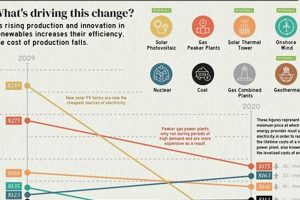
Sustainable energy resources must achieve economic competitiveness with conventional energy sources to attract investment and widespread adoption. Levelized cost of energy (LCOE) is a key metric for comparing the cost-effectiveness of different energy technologies over their lifespan. Government policies, such as tax incentives and carbon pricing, can play a significant role in leveling the playing field and promoting investment in sustainable energy. The declining cost of solar photovoltaic technology, coupled with government subsidies, has made solar power increasingly competitive with fossil fuels.
- Environmental and Social Acceptability
The long-term viability of a sustainable energy source depends on its environmental and social acceptability. While these energy sources generally have lower environmental impacts than fossil fuels, they are not without consequences. Hydropower dams can disrupt river ecosystems, wind farms can pose risks to birds and bats, and geothermal plants can release greenhouse gases. Careful siting, mitigation measures, and community engagement are essential for minimizing these impacts and ensuring social acceptance. For example, implementing fish ladders at hydropower dams can help mitigate the impact on fish migration.
The interplay of these factorsresource availability, technological maturity, economic competitiveness, and environmental acceptabilitydetermines the long-term viability of sustainable energy resources. A comprehensive assessment considering these dimensions is crucial for guiding energy policy, investment decisions, and technological development, ultimately fostering a sustainable energy future.
Frequently Asked Questions
This section addresses common queries and misconceptions surrounding the concept of renewable sources of energy, providing clear and concise answers to enhance understanding.
Question 1: What fundamentally distinguishes a renewable power resource from a non-renewable one?
The defining characteristic is the rate of natural replenishment. A power resource is classified as renewable if it is replenished at a rate comparable to or faster than its rate of consumption. Non-renewable resources, conversely, are consumed at a rate far exceeding their natural regeneration, leading to eventual depletion.
Question 2: Are renewable power resources entirely free from environmental impact?
While generally possessing a lower environmental impact than fossil fuels, these resources are not entirely impact-free. Hydroelectric dams can disrupt aquatic ecosystems, wind turbines can pose risks to avian populations, and geothermal plants can release greenhouse gases. Responsible development and mitigation strategies are crucial to minimize these impacts.
Question 3: How does the variability of renewable power sources, such as solar and wind, affect grid stability?
The intermittent nature of some of these sources presents challenges for grid stability. Integration strategies, including energy storage solutions, smart grids, and geographically diverse deployments, are employed to mitigate variability and ensure a reliable power supply.
Question 4: What role does technological advancement play in the viability of renewable resources?
Technological advancements are critical for improving the efficiency, reducing the costs, and enhancing the reliability of these power systems. Innovations in solar panel technology, wind turbine design, and energy storage systems are continuously driving down the cost and improving the performance of renewable energy.
Question 5: How do governmental policies influence the adoption of renewable resources?
Governmental policies, such as tax incentives, subsidies, renewable portfolio standards, and carbon pricing mechanisms, significantly influence the adoption of these power systems. These policies can create a level playing field, incentivize investment, and drive demand for these sources.
Question 6: Is a complete transition to renewable power sources a realistic goal?
A complete transition presents both technical and economic challenges, but is increasingly viewed as a feasible and necessary goal. Continued technological innovation, supportive governmental policies, and sustained investment are essential for achieving a fully renewable energy future.
In conclusion, a comprehensive understanding of the defining characteristics, challenges, and opportunities associated with the term is crucial for informed decision-making in energy policy and investment.
The subsequent section will delve into the future prospects of sustainable power, exploring emerging technologies and their potential to reshape the energy landscape.
Renewable Source of Energy Meaning
The preceding sections have elucidated the defining characteristics and implications of a renewable power resource. The capacity for natural replenishment, coupled with reduced environmental impact and the potential for enhanced energy security, distinguishes these sources from their finite counterparts. The long-term viability of these systems hinges on continued technological advancements, supportive policy frameworks, and a sustained commitment to environmental stewardship.
The pursuit of sustainable energy systems represents a critical imperative for ensuring a resilient and environmentally responsible future. Understanding the nuanced facets of “renewable source of energy meaning” is paramount for informed decision-making and effective implementation of sustainable energy strategies. Continued investment in research, development, and deployment of these technologies will be essential for mitigating the risks associated with climate change and securing a stable and affordable energy supply for generations to come.