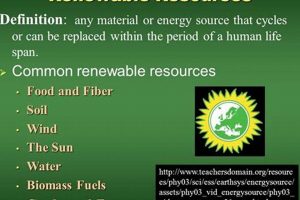
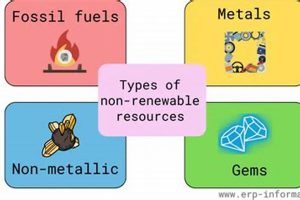
These are natural materials from the Earth that exist in limited quantities and cannot be easily replaced or replenished at the rate they are consumed. Once depleted, they are essentially gone, at least within a human timescale. Examples include fossil fuels like coal, oil, and natural gas, as well as nuclear fuels such as uranium.
Their extraction and use have historically been fundamental to industrial development and energy production, powering economies and enabling technological advancements. However, reliance on these finite supplies presents significant challenges, including environmental damage, contribution to climate change through greenhouse gas emissions, and eventual resource exhaustion. The availability of these resources has also influenced geopolitical landscapes and economic strategies worldwide.
The increasing awareness of the limitations and negative impacts associated with these supplies has spurred a global movement towards developing alternative, sustainable energy sources. This shift aims to mitigate environmental consequences, ensure long-term energy security, and promote responsible resource management for future generations. Understanding their properties and limitations is critical in facilitating this transition and shaping informed energy policies.
Mitigating Reliance on Finite Resources
The following outlines strategies for minimizing dependence on substances that are not naturally replenished at a rate comparable to their consumption.
Tip 1: Enhance Energy Efficiency: Implementing measures to reduce energy consumption in buildings, transportation, and industrial processes is paramount. This includes improved insulation, efficient appliances, and optimized manufacturing techniques.
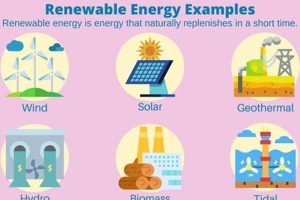
Tip 2: Invest in Renewable Energy Sources: Transitioning to energy derived from solar, wind, hydro, and geothermal sources is critical. Government incentives, research funding, and private sector investment should prioritize these technologies.
Tip 3: Promote Energy Conservation: Public awareness campaigns and educational programs can encourage behavioral changes that reduce energy demand. Examples include using public transportation, carpooling, and reducing unnecessary electricity usage.
Tip 4: Develop Advanced Energy Storage Technologies: Efficient and cost-effective energy storage solutions, such as advanced batteries and pumped hydro storage, are essential for integrating intermittent renewable energy sources into the grid.
Tip 5: Implement Carbon Capture and Storage (CCS): CCS technologies can mitigate the environmental impact of power plants and industrial facilities that still rely on resources that are not naturally replenished. However, the long-term viability and environmental risks of CCS must be carefully considered.
Tip 6: Prioritize Sustainable Consumption and Production: Shifting towards a circular economy model that emphasizes reuse, recycling, and waste reduction can minimize the demand for virgin materials and reduce the environmental footprint of manufacturing processes.
Tip 7: Support Policies Promoting Sustainable Energy: Governmental regulations, tax incentives, and carbon pricing mechanisms can create a favorable environment for the adoption of renewable energy technologies and discourage reliance on unsustainable energy sources.
Adopting these strategies will significantly reduce the demand for resources that are finite, fostering a more sustainable and resilient energy future.
The successful implementation of these strategies requires a coordinated effort involving governments, businesses, and individuals, all working towards a common goal of environmental stewardship and resource conservation.
1. Finite Quantity

The defining characteristic of materials not naturally replenished is their existence in a limited, exhaustible amount. This inherent finiteness directly dictates their classification. Unlike solar or wind energy, which are constantly replenished by natural processes, these substances are formed over geological timescales, rendering their regeneration practically impossible within a human lifespan. Consequently, their extraction and consumption progressively deplete the Earth’s reserves, ultimately leading to exhaustion. The dependence on sources with a finite quantity poses significant challenges, including resource depletion, price volatility, and the imperative to transition to sustainable alternatives. For example, global oil reserves, while substantial, are finite and subject to depletion, creating concerns about future energy security and driving the search for alternative energy sources.
The concept of a finite quantity is not merely a theoretical concern; it has tangible economic and geopolitical implications. The scarcity of these substances influences market prices, often leading to price fluctuations and economic instability. Furthermore, nations with significant deposits often wield considerable geopolitical power, as access to these materials is critical for industrial development and energy production. The strategic importance of these resources has historically been a source of international conflict and competition. For example, the control of oil reserves in the Middle East has been a long-standing geopolitical concern, influencing international relations and economic policies.
Understanding the inherent finiteness of resources that cannot be replenished naturally is crucial for shaping responsible energy policies and promoting sustainable development. Recognizing that these materials are not inexhaustible necessitates a shift towards renewable energy sources and the implementation of conservation measures. It also underscores the importance of investing in research and development to improve energy efficiency and discover alternative materials. The challenge lies in mitigating the environmental and economic consequences of their depletion while ensuring a smooth transition to a more sustainable energy future. Ultimately, acknowledging their finite nature is fundamental to addressing the energy and environmental challenges facing the global community.
2. Fossil Fuels

Fossil fuels constitute a primary component within the category of resources that are not naturally replenished. Formed over millions of years from the remains of ancient plants and animals, these fuelscoal, oil, and natural gasexist in finite quantities beneath the Earth’s surface. Their extraction and combustion release energy that powers industries, transportation, and electricity generation. The fundamental connection lies in their non-renewable nature: once consumed, their geological formation process precludes their replenishment within a human timescale. An example is the extraction of crude oil from deep-sea reserves; while technology allows access to these reserves, the rate of extraction far exceeds the rate of natural oil formation.
The reliance on fossil fuels has significant consequences. The combustion of these materials releases greenhouse gasses, contributing to climate change and global warming. The environmental impacts extend beyond climate, including air pollution, habitat destruction from extraction processes, and potential water contamination. Furthermore, the uneven distribution of fossil fuel reserves creates geopolitical dependencies and economic disparities among nations. The development of renewable energy technologies and the implementation of energy efficiency measures aim to mitigate these adverse effects and reduce dependence on these finite resources. For example, government policies promoting solar energy adoption seek to decrease reliance on coal-fired power plants.
In summary, fossil fuels are a critical subset of materials that are not naturally replenished, playing a dominant role in global energy production, yet posing substantial environmental and geopolitical challenges. Understanding this relationship is essential for formulating sustainable energy strategies that prioritize renewable alternatives and responsible resource management. The transition away from these fuels represents a fundamental shift towards a more sustainable and environmentally conscious energy future, addressing the long-term consequences of their depletion and environmental impact.
3. Environmental Impact

The environmental consequences associated with extracting, processing, and utilizing materials that are not naturally replenished are substantial and multifaceted. These impacts extend across various ecosystems and contribute significantly to global environmental challenges. Understanding these effects is crucial for informed decision-making regarding energy policy and resource management.
- Air Pollution
Combustion of fossil fuels, a primary example of a resource that is not naturally replenished, releases pollutants such as particulate matter, sulfur dioxide, and nitrogen oxides into the atmosphere. These pollutants contribute to respiratory illnesses, acid rain, and smog formation, affecting both human health and ecosystem integrity. Coal-fired power plants, for instance, are significant emitters of these pollutants, leading to localized and regional air quality degradation.
- Greenhouse Gas Emissions
The burning of fossil fuels is a major source of greenhouse gases, including carbon dioxide, methane, and nitrous oxide. These gases trap heat in the atmosphere, contributing to global warming and climate change. Rising global temperatures lead to sea-level rise, altered weather patterns, and increased frequency of extreme weather events. The long-term effects of these emissions pose a significant threat to ecosystems and human societies worldwide. Deforestation to clear land for oil extraction further exacerbates the problem.
- Habitat Destruction
The extraction of resources that are not naturally replenished often involves significant habitat destruction. Mining operations, for example, can lead to deforestation, soil erosion, and water contamination, displacing wildlife and disrupting ecosystems. Oil and gas exploration can also fragment habitats, disrupting migration patterns and reducing biodiversity. Mountaintop removal coal mining is a stark example, transforming entire landscapes and devastating local ecosystems.
- Water Contamination
The extraction and processing of fossil fuels and nuclear materials can lead to water contamination. Oil spills, for example, can devastate marine ecosystems, while mining operations can release heavy metals and toxic chemicals into waterways. Nuclear waste disposal poses a long-term risk of groundwater contamination. Hydraulic fracturing (“fracking”) for natural gas has also raised concerns about the potential contamination of groundwater sources. Accidental discharge from these activities can impact aquatic life, and the surrounding areas.
These environmental consequences underscore the urgency of transitioning to sustainable energy sources and implementing responsible resource management practices. The continued reliance on materials that are not naturally replenished poses a significant threat to the environment and human well-being, necessitating a shift towards a more sustainable and environmentally conscious approach to energy production and consumption. The long-term health of the planet depends on reducing our dependence on these resources and mitigating their associated environmental impacts.
4. Energy Security

Energy security, defined as the uninterrupted availability of energy sources at an affordable price, is inextricably linked to resources that are not naturally replenished. Dependence on these finite supplies creates inherent vulnerabilities and necessitates a careful examination of the factors that influence energy stability.
- Resource Depletion and Price Volatility
As reserves of non-renewable resources diminish, the cost of extraction increases, leading to higher energy prices. This price volatility can destabilize economies, particularly those heavily reliant on imported energy. The Organization of the Petroleum Exporting Countries (OPEC) actions influence global oil prices, demonstrating the impact of resource control on energy security. Nations without substantial domestic reserves are particularly vulnerable to these price fluctuations.
- Geopolitical Risks and Dependence
Concentrations of resources that are not naturally replenished in specific geographic regions create geopolitical risks. Reliance on these regions for energy supplies can lead to political leverage, potential conflicts, and supply disruptions. The ongoing tensions in the Middle East and the reliance of many nations on this region for oil exemplify this risk. Diversifying energy sources is a strategy to mitigate such dependence.
- Infrastructure Vulnerabilities
The infrastructure required to extract, transport, and process resources that are not naturally replenished is susceptible to disruptions, whether from natural disasters, accidents, or deliberate attacks. Pipeline explosions, oil tanker spills, and cyberattacks on energy grids can all compromise energy security. Investment in resilient and secure infrastructure is essential to minimizing these vulnerabilities. The Colonial Pipeline cyberattack in 2021 demonstrated the potential impact of infrastructure vulnerabilities on energy supply.
- Environmental Regulations and Transition Risks
Increasingly stringent environmental regulations aimed at mitigating the climate impacts of resources that are not naturally replenished can create transition risks for economies reliant on these supplies. The shift towards renewable energy sources requires significant investments and can lead to job losses in traditional energy sectors. Managing this transition is crucial for ensuring energy security while addressing environmental concerns. The European Union’s “Fit for 55” package, aimed at reducing emissions, reflects this challenge and the need for a managed transition.
The pursuit of energy security necessitates a diversified energy portfolio, including increased investment in renewable energy sources and improved energy efficiency. Reducing dependence on finite resources that are not naturally replenished mitigates geopolitical risks, stabilizes energy prices, and promotes environmental sustainability. The transition towards a more sustainable energy future is essential for ensuring long-term energy security and economic stability.
5. Geopolitical Influence

The distribution of resources that are not naturally replenished, such as oil, natural gas, and certain minerals, exerts a significant influence on global geopolitics. Control over these resources translates into economic and political power, shaping international relations and national security strategies. Nations possessing substantial reserves often wield considerable influence, enabling them to dictate production levels, set prices, and exert pressure on energy-dependent countries. This dynamic can lead to alliances, rivalries, and even conflicts, as nations vie for access to these critical materials.
Historical and contemporary examples underscore this connection. The Middle East, with its vast oil reserves, has been a focal point of geopolitical maneuvering for decades. Control over these reserves has shaped regional alliances and international interventions, demonstrating the strategic importance of energy resources. Similarly, Russia’s position as a major natural gas supplier to Europe has provided it with significant leverage in its dealings with European nations. The competition for access to rare earth minerals, essential for various technologies, is another example of resources that are not naturally replenished shaping geopolitical dynamics. These minerals, largely controlled by China, are crucial for the production of electronics, electric vehicles, and renewable energy technologies, granting China significant influence in these sectors. Any disruption to these resource supplies has profound consequences on regional and global stability.
Understanding the geopolitical influence associated with these finite materials is crucial for formulating effective energy policies and promoting international cooperation. Diversifying energy sources, investing in renewable energy technologies, and fostering stable international relations are key strategies for mitigating the risks associated with reliance on geographically concentrated supplies. Promoting transparency and cooperation in resource governance can help prevent conflicts and ensure a more equitable distribution of benefits. Ultimately, acknowledging the geopolitical dimension of these materials is essential for building a more secure and sustainable energy future.
6. Sustainability Concerns

The continued reliance on resources that are not naturally replenished presents profound sustainability concerns that extend beyond immediate economic and energy considerations. These concerns encompass long-term environmental impacts, intergenerational equity, and the stability of global ecosystems. The inherent limitations of these resources necessitate a critical examination of their role in a sustainable future.
- Climate Change Mitigation
The combustion of fossil fuels, a primary category of resources that are not naturally replenished, is a leading contributor to greenhouse gas emissions and climate change. Mitigating climate change requires a substantial reduction in the use of these fuels and a transition to renewable energy sources. Failure to address this issue poses significant risks to global ecosystems, economies, and human societies. International agreements, such as the Paris Agreement, highlight the urgency of reducing emissions from fossil fuels and transitioning to a low-carbon economy. The environmental cost of continued emissions far outweighs the economic benefits of relying on these resources.
- Resource Depletion and Future Availability
The finite nature of resources that are not naturally replenished raises concerns about their long-term availability and the potential for resource scarcity. As reserves diminish, extraction becomes more challenging and expensive, potentially leading to economic instability and geopolitical tensions. Ensuring equitable access to remaining reserves and promoting resource conservation are critical for addressing this concern. Strategies include improving energy efficiency, developing alternative materials, and investing in resource recovery technologies. The potential exhaustion of critical minerals used in electronics and renewable energy technologies further underscores the need for sustainable resource management.
- Environmental Degradation and Pollution
The extraction, processing, and transportation of resources that are not naturally replenished often result in significant environmental degradation and pollution. Mining operations can lead to habitat destruction, soil erosion, and water contamination. Oil spills can devastate marine ecosystems. Nuclear waste disposal poses long-term risks to human health and the environment. Minimizing these environmental impacts requires stringent regulations, responsible resource management practices, and the development of cleaner extraction and processing technologies. The Deepwater Horizon oil spill, for example, highlighted the devastating consequences of inadequate environmental safeguards in the offshore drilling industry.
- Intergenerational Equity
The unsustainable use of resources that are not naturally replenished raises ethical questions about intergenerational equity. Depleting these resources at current rates leaves future generations with fewer options and potentially irreversible environmental damage. Ensuring a sustainable future requires responsible resource management that balances current needs with the needs of future generations. This includes investing in renewable energy technologies, promoting resource conservation, and addressing climate change. Failing to act responsibly today jeopardizes the well-being of future generations and undermines the principles of sustainable development.
These interconnected sustainability concerns underscore the imperative to transition away from resources that are not naturally replenished. Addressing climate change, mitigating environmental degradation, ensuring resource availability, and promoting intergenerational equity all require a fundamental shift towards a more sustainable and equitable energy future. This transition necessitates a concerted effort by governments, businesses, and individuals to prioritize renewable energy sources, improve energy efficiency, and adopt responsible resource management practices. The long-term well-being of the planet and its inhabitants depends on addressing these critical sustainability challenges.
Frequently Asked Questions
The following addresses common inquiries regarding materials that are not naturally replenished. These resources play a significant role in modern society, but their limited nature necessitates careful consideration.
Question 1: What are the primary examples of materials classified as not naturally replenished?
The most prevalent examples include fossil fuels (coal, oil, and natural gas) and nuclear fuels (uranium). These resources are formed over geological timescales, rendering their replenishment practically impossible within a human lifespan.
Question 2: How does the use of materials that are not naturally replenished contribute to climate change?
The combustion of fossil fuels, in particular, releases significant quantities of greenhouse gases, such as carbon dioxide, into the atmosphere. These gases trap heat and contribute to global warming and climate change.
Question 3: What are the primary concerns related to the depletion of resources that are not naturally replenished?
Concerns include resource scarcity, increased extraction costs, geopolitical instability, and the environmental consequences associated with their extraction and use.
Question 4: How does reliance on resources that are not naturally replenished impact energy security?
Dependence on geographically concentrated supplies can create vulnerabilities to supply disruptions and price volatility. Nations lacking domestic reserves are particularly susceptible.
Question 5: What are some strategies for mitigating the negative impacts associated with the use of resources that are not naturally replenished?
Strategies include promoting energy efficiency, investing in renewable energy sources, implementing carbon capture and storage technologies, and adopting sustainable consumption and production patterns.
Question 6: How can individuals contribute to reducing the reliance on resources that are not naturally replenished?
Individuals can reduce their energy consumption, support policies promoting renewable energy, and make informed purchasing decisions that favor sustainable products and practices.
Understanding the characteristics and consequences associated with materials that are not naturally replenished is crucial for promoting a sustainable energy future.
The following sections will explore strategies for transitioning to a more sustainable energy economy.
Understanding Finite Resources
The exploration of resources that are not naturally replenished has revealed their fundamental role in shaping modern society, alongside the substantial environmental and geopolitical challenges they present. Key points include their contribution to climate change, the finite nature of their reserves, and the resulting impacts on energy security. Acknowledging these realities is crucial for informed decision-making.
The transition towards sustainable alternatives represents a complex but necessary undertaking. The development and implementation of renewable energy technologies, coupled with responsible resource management practices, are paramount for mitigating the long-term risks associated with continued reliance on these limited materials. A concerted global effort is essential to ensure a more secure and environmentally responsible future.
![Guide to What Energy Resources Are Renewable [+Future] | Renewable Energy Solutions for a Sustainable Future | Clean & Green Power](https://pplrenewableenergy.com/wp-content/uploads/2026/03/th-516-300x200.jpg "Guide to What Energy Resources Are Renewable [+Future] Renewable Energy Solutions for a Sustainable Future | Clean & Green Power")