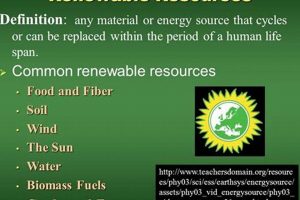
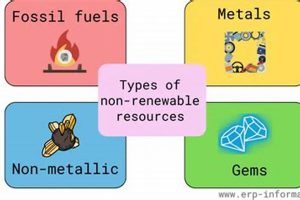
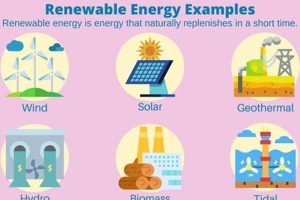
Drawbacks associated with environmentally friendly power sources encompass various challenges that hinder their widespread adoption and complete replacement of traditional fossil fuels. These limitations manifest in areas such as intermittency, geographical constraints, infrastructure requirements, and economic considerations.
Addressing these limitations is crucial for achieving a sustainable energy future. While environmentally conscious energy technologies offer significant long-term benefits in terms of reduced greenhouse gas emissions and resource depletion, the practical realities of their implementation require careful consideration and strategic planning. Understanding the obstacles allows for focused research and development efforts aimed at overcoming these hurdles and maximizing the potential of cleaner energy options.
Several key areas deserve careful examination when considering the practical deployment of alternative energy solutions. These include the unpredictable nature of certain resources, the need for significant upfront investment, impacts on land use and aesthetics, and the ongoing need for energy storage solutions to ensure grid stability.
Mitigating the Challenges
Addressing limitations effectively requires a multi-faceted approach that focuses on technological advancements, policy support, and strategic infrastructure development. Overcoming these obstacles is essential for a successful transition to a sustainable energy future.
Tip 1: Invest in Energy Storage Technologies: The fluctuating nature of solar and wind power necessitates robust storage solutions. Battery technology, pumped hydro storage, and compressed air energy storage are crucial for ensuring a reliable energy supply, particularly during periods of low renewable energy generation. Government incentives and private investment can accelerate the development and deployment of these technologies.
Tip 2: Diversify Renewable Energy Portfolio: Reliance on a single renewable source increases vulnerability to intermittency. A diversified energy mix incorporating solar, wind, hydro, geothermal, and biomass reduces dependence on any one variable source and improves overall system resilience. Regional energy planning should prioritize resource availability and complementary characteristics.
Tip 3: Improve Grid Infrastructure: Modernizing electrical grids is essential for integrating geographically dispersed alternative energy sources. Investment in smart grids, high-voltage transmission lines, and distribution networks enhances grid capacity, reduces transmission losses, and enables the efficient transport of environmentally conscious energy from remote locations to urban centers.
Tip 4: Implement Supportive Policies and Regulations: Government policies play a critical role in fostering a favorable environment for renewable energy deployment. Feed-in tariffs, tax incentives, renewable portfolio standards, and carbon pricing mechanisms incentivize investment, reduce financial risk, and promote a level playing field for cleaner energy technologies. Streamlined permitting processes can also accelerate project development.
Tip 5: Conduct Thorough Environmental Impact Assessments: While generally considered environmentally friendly, these technologies can have localized environmental impacts. Wind farms can affect bird and bat populations, while large-scale solar installations can alter land use patterns. Comprehensive environmental impact assessments are crucial for minimizing negative effects and ensuring sustainable development practices. Mitigation strategies should be implemented to address identified risks.
Tip 6: Foster Public Awareness and Acceptance: Public perception and acceptance are crucial for the successful deployment of renewable energy projects. Educational campaigns that highlight the benefits of these technologies, address concerns about visual impact and noise pollution, and engage communities in the planning process can foster support and minimize opposition.
Effectively addressing the drawbacks associated with alternative energy sources necessitates a coordinated approach involving technological innovation, supportive policies, strategic infrastructure investments, and proactive environmental stewardship. Overcoming these challenges is essential for unlocking the full potential of environmentally conscious energy and achieving a sustainable energy future.
These strategies offer a pathway to mitigate challenges. The next step involves examining the long-term outlook for renewable energy and its role in a global energy transition.
1. Intermittency

Intermittency is a central challenge associated with renewable energy sources, significantly impacting their reliability and integration into existing power grids. This inherent variability stems from the dependence on naturally fluctuating resources such as sunlight and wind, posing considerable obstacles to consistent energy supply.
- Fluctuating Power Output
Solar power generation varies with daylight hours, weather conditions, and seasonal changes. Wind power fluctuates based on wind speed and patterns. This inconsistent output necessitates sophisticated grid management strategies and backup power sources to compensate for periods of low or no renewable energy production. The variability contrasts sharply with the consistent output of traditional power plants, such as nuclear or coal-fired facilities.
- Grid Stability Challenges
Integrating intermittent sources into the grid presents challenges to maintaining stability. Sudden increases or decreases in renewable energy generation can cause frequency and voltage fluctuations, potentially leading to grid instability and outages. Effective grid management requires advanced forecasting techniques, responsive control systems, and sufficient reserve capacity to balance supply and demand in real-time.
- Need for Energy Storage Solutions
To mitigate the effects of intermittency, energy storage solutions are essential. Battery storage, pumped hydro storage, and other technologies can store excess renewable energy generated during peak production periods and release it when demand exceeds supply. However, energy storage systems often involve significant upfront costs and efficiency losses, which can impact the overall economic viability of renewable energy projects.
- Increased Reliance on Backup Generation
In the absence of adequate storage or grid management capabilities, intermittency can lead to an increased reliance on conventional power plants as backup generation sources. This reliance can offset some of the environmental benefits of renewable energy if backup plants are fossil-fuel-based. Optimizing the mix of renewable and conventional energy sources, along with improving grid infrastructure, is crucial for minimizing carbon emissions.
The challenge of intermittency underscores the complex interplay between environmental benefits and practical limitations. Addressing this key disadvantage requires ongoing innovation in energy storage technologies, grid management strategies, and a holistic approach to energy planning that considers the broader implications for grid stability and energy reliability. Overcoming intermittency is essential for unlocking the full potential of renewable energy and achieving a sustainable energy future.
2. High upfront costs

The considerable initial capital investment required for renewable energy projects constitutes a significant impediment to their widespread adoption. This financial barrier directly contributes to the overall disadvantages of renewable energy resources. Constructing solar farms, wind turbine arrays, hydroelectric dams, and geothermal plants demands substantial expenditure on materials, manufacturing, installation, and grid connection. For instance, establishing a large-scale offshore wind farm can involve billions of dollars in initial investment, encompassing turbine procurement, foundation construction, undersea cable laying, and grid upgrades. This contrasts with the relatively lower initial capital costs often associated with fossil fuel power plants, despite their long-term operational and environmental liabilities.
The impact of high upfront costs extends beyond project financing. It influences the competitiveness of renewable energy in electricity markets, potentially leading to higher consumer prices in the short term. Developing nations and regions with limited access to capital often find it particularly challenging to invest in renewable energy infrastructure, perpetuating reliance on cheaper, but environmentally damaging, fossil fuels. Furthermore, high initial investment can deter private sector participation, limiting the pace of renewable energy development. Government subsidies, tax incentives, and innovative financing mechanisms are crucial in mitigating this barrier and attracting investment.
In summary, the substantial capital outlay required for renewable energy projects forms a critical obstacle to their wider deployment, impacting competitiveness, accessibility, and investment. Overcoming this economic hurdle requires a multifaceted approach encompassing policy support, technological innovation, and financial engineering to reduce initial costs and promote the long-term economic viability of environmentally sound energy sources. Addressing this challenge is essential for facilitating a transition towards a sustainable and resilient energy future.
3. Land use impact

The footprint of renewable energy infrastructure is a significant consideration within the broader assessment of its disadvantages. Certain renewable energy technologies, particularly solar and wind, require extensive land areas to generate substantial power output. Solar farms, for example, can occupy several square kilometers, potentially displacing agricultural land, natural habitats, and ecosystems. Similarly, wind farms, although allowing for some land use compatibility such as grazing or farming between turbines, still necessitate considerable space and can impact avian migration patterns and wildlife corridors. Hydroelectric dams, while providing significant power generation and water management capabilities, often lead to the inundation of large tracts of land, resulting in habitat loss and displacement of human populations. The sheer scale of these land requirements presents challenges in densely populated areas or regions with competing land use demands.
A critical aspect of the land use impact is its effect on biodiversity and ecological integrity. Large-scale renewable energy projects can disrupt ecosystems, alter natural drainage patterns, and fragment habitats. While environmental impact assessments are typically conducted before project approval, the long-term consequences on local flora and fauna may not be fully understood. Mitigating these effects requires careful site selection, implementation of habitat restoration measures, and ongoing monitoring of environmental conditions. Furthermore, the extraction and processing of raw materials used in renewable energy technologies, such as rare earth minerals for solar panels and wind turbines, can have additional land use and environmental consequences at mining sites.
In conclusion, the land use implications of renewable energy infrastructure represent a noteworthy disadvantage. While renewable energy offers significant benefits in terms of emissions reduction and energy security, the spatial requirements of certain technologies necessitate careful planning and management to minimize environmental impacts and competing land use demands. Sustainable development strategies must prioritize land use optimization, habitat conservation, and community engagement to ensure that the transition to renewable energy does not come at the expense of ecological integrity and social well-being. Addressing this challenge is essential for maximizing the net benefits of renewable energy and achieving a truly sustainable energy future.
4. Geographic limitations

Geographic constraints represent a significant disadvantage associated with several renewable energy resources, hindering their universal applicability and widespread adoption. The effectiveness of solar energy is inherently tied to latitude, solar irradiance levels, and cloud cover, rendering regions with consistently overcast conditions or high latitudes less suitable for photovoltaic power generation. Similarly, wind energy potential is heavily dependent on consistent wind patterns and speeds, with areas lacking these characteristics unable to support commercially viable wind farms. Geothermal energy exploitation requires access to geothermal reservoirs, typically located in tectonically active regions. Hydroelectric power generation necessitates suitable topography, precipitation patterns, and river systems, limiting its applicability in arid or flat landscapes. These spatial dependencies restrict the geographical distribution of economically feasible renewable energy projects, introducing disparities in access to clean energy and impeding the transition away from fossil fuels in certain regions.
The practical implications of geographic limitations are far-reaching. For example, countries in equatorial regions may be ideally suited for solar power generation, while those in northern latitudes must rely on alternative energy sources or develop advanced energy storage solutions to mitigate the effects of seasonal variations in sunlight. Similarly, nations with extensive coastlines may possess significant offshore wind energy potential, while landlocked countries face challenges in harnessing this resource. Iceland’s abundant geothermal resources provide a significant portion of its electricity and heating needs, an advantage not readily available to many other countries. This unequal distribution of renewable energy resources necessitates international cooperation, energy trade, and the development of technologies that can overcome geographic constraints, such as long-distance power transmission or advanced energy storage systems.
In summary, geographic limitations impose substantial constraints on the development and deployment of several renewable energy technologies, creating disparities in energy access and impacting the overall feasibility of a global transition to clean energy. Overcoming these limitations requires technological innovation, strategic energy planning, and international collaboration to ensure that all regions can benefit from sustainable energy sources, irrespective of their geographic endowments. Addressing this challenge is critical for achieving a more equitable and resilient energy future.
5. Storage challenges
The inherent variability of many renewable energy sources, such as solar and wind power, gives rise to significant storage challenges, directly contributing to the disadvantages associated with these resources. Due to the intermittent nature of sunlight and wind, electricity generation fluctuates, necessitating the development and deployment of robust energy storage systems to ensure a consistent and reliable power supply. The absence of effective and economically viable storage solutions directly undermines the ability of renewable energy sources to function as dependable baseload power providers. The intermittency problem, amplified by the lack of adequate storage, forces reliance on conventional power plants or other sources to meet demand during periods when renewable energy generation is low. This reliance can offset the environmental benefits associated with using renewable resources. A real-life example of this challenge is seen in regions with high solar penetration, where excess energy generated during peak daylight hours can go unused without effective storage, leading to curtailed production and wasted energy potential.
Further, the storage challenge extends beyond simple battery technology. Grid-scale energy storage solutions must be capable of handling large volumes of electricity and providing sustained power output over extended periods. Technologies such as pumped hydro storage, compressed air energy storage, and advanced battery chemistries are being explored, but each faces its own set of technical, economic, and environmental challenges. Pumped hydro storage, for instance, requires specific geographical conditions and can have significant environmental impacts on aquatic ecosystems. Advanced battery technologies, while promising, can be expensive and may rely on rare earth minerals with associated supply chain and environmental concerns. The cost and scalability of these storage technologies remain major hurdles to the widespread adoption of renewable energy, impacting project feasibility and overall system costs.
In conclusion, storage challenges are intrinsically linked to the disadvantages of renewable energy resources. The intermittency of these sources necessitates effective and scalable energy storage solutions to ensure a reliable and consistent power supply. Overcoming these challenges requires ongoing innovation in energy storage technologies, reductions in storage costs, and strategic planning to integrate storage into existing power grids. Failure to address the storage challenge effectively will limit the potential of renewable energy to fully replace fossil fuels and achieve a sustainable energy future.
6. Material dependency
Material dependency constitutes a critical, and often overlooked, aspect of the disadvantages associated with renewable energy resources. This dependency refers to the reliance on specific raw materials and minerals required for the manufacture and deployment of renewable energy technologies. Solar panels, wind turbines, and energy storage systems all necessitate substantial quantities of materials such as rare earth elements, lithium, cobalt, copper, and silicon. The extraction, processing, and refining of these materials can have significant environmental and social consequences, creating a paradox where environmentally friendly energy technologies rely on potentially damaging practices. The limited availability, geographic concentration, and geopolitical control of these materials introduce vulnerabilities to supply chains, impacting the cost, scalability, and security of renewable energy projects. A prime example is the global reliance on China for the processing of rare earth elements, which are essential components of wind turbine magnets and solar panel components, giving the nation considerable leverage in the renewable energy market.
The dependence on specific materials poses several practical challenges. Price volatility and supply disruptions can increase the cost of renewable energy technologies, making them less competitive with fossil fuels. Unsustainable mining practices, including deforestation, water pollution, and the displacement of local communities, can undermine the environmental credentials of renewable energy projects. The concentration of material production in a few countries introduces geopolitical risks, potentially leading to trade disputes, export restrictions, and supply shortages. Diversifying supply chains, promoting responsible mining practices, and investing in material innovation are crucial for mitigating these risks. Exploring alternative materials, reducing material intensity, and enhancing recycling efforts can help to decrease dependence on critical resources and promote a more circular economy.
In summary, material dependency represents a significant disadvantage of renewable energy resources, posing economic, environmental, and geopolitical challenges. Addressing this issue requires a multi-faceted approach encompassing responsible sourcing practices, supply chain diversification, material innovation, and international cooperation. Mitigating the risks associated with material dependency is essential for ensuring the long-term sustainability, scalability, and security of renewable energy technologies and achieving a truly clean energy future. Ignoring this aspect undermines the overall benefits and feasibility of transitioning to a renewable-based energy system.
Frequently Asked Questions
This section addresses common inquiries regarding the limitations associated with renewable energy technologies, providing objective and detailed answers.
Question 1: What are the primary factors limiting the widespread adoption of renewable energy sources?
The widespread adoption of renewable energy is primarily limited by intermittency, high upfront costs, land-use considerations, geographic constraints, energy storage challenges, and material dependencies.
Question 2: How does intermittency affect the reliability of renewable energy systems?
Intermittency, stemming from the variable nature of sunlight and wind, results in fluctuating power output. This necessitates robust grid management strategies and energy storage solutions to ensure a consistent electricity supply.
Question 3: Why are the initial costs of renewable energy projects often higher than those of conventional power plants?
Renewable energy projects require substantial capital investment for materials, manufacturing, installation, and grid connection. This high upfront cost can deter investment despite potential long-term operational savings.
Question 4: What are the potential land use impacts associated with large-scale renewable energy installations?
Large-scale solar and wind farms can require significant land areas, potentially displacing agricultural land, natural habitats, and ecosystems. Hydroelectric dams can lead to the inundation of large tracts of land.
Question 5: How do geographic limitations restrict the deployment of renewable energy technologies?
The effectiveness of various technologies is intrinsically tied to geographic factors. Solar energy depends on sunlight levels, wind energy on consistent wind patterns, and geothermal energy on geothermal reservoirs, limiting deployment in certain regions.
Question 6: What are the main challenges associated with energy storage in renewable energy systems?
Grid-scale energy storage solutions must be capable of handling large volumes of electricity and providing sustained power output. Current technologies, such as batteries and pumped hydro, face technical, economic, and environmental challenges.
In summary, while offering significant long-term environmental benefits, renewable energy technologies face practical limitations that must be addressed through technological innovation, strategic planning, and policy support.
The subsequent discussion will delve into potential mitigation strategies for these identified challenges.
Disadvantages of Renewable Energy Resources
The preceding analysis has meticulously outlined the inherent limitations associated with environmentally friendly energy technologies. Intermittency, high upfront costs, land use impact, geographic limitations, storage challenges, and material dependency represent significant impediments to the unreserved adoption of these resources. These constraints underscore the complexity of transitioning to a sustainable energy future and highlight the necessity for thoughtful planning, technological innovation, and strategic policy implementation.
Recognizing and addressing these disadvantages remains crucial for ensuring a reliable, affordable, and environmentally responsible energy future. Continued research, strategic investment, and collaborative efforts are essential to overcome these challenges and unlock the full potential of environmentally conscious energy sources, thereby fostering a more sustainable and resilient global energy system.
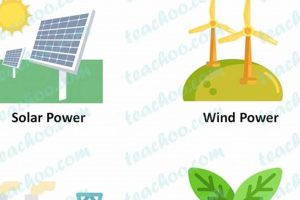
![Guide to What Energy Resources Are Renewable [+Future] | Renewable Energy Solutions for a Sustainable Future | Clean & Green Power](https://pplrenewableenergy.com/wp-content/uploads/2026/03/th-516-300x200.jpg "Guide to What Energy Resources Are Renewable [+Future] Renewable Energy Solutions for a Sustainable Future | Clean & Green Power")