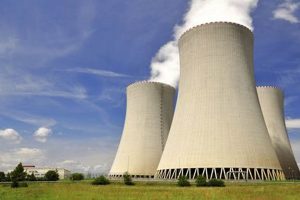
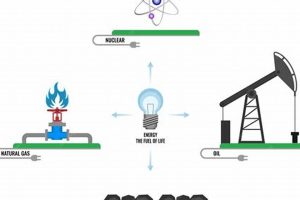
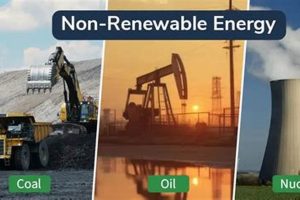
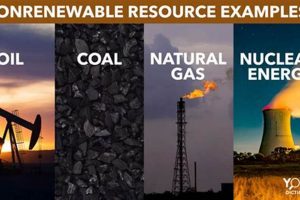
Non-renewable energy sources, despite their environmental impact, offer certain practical benefits that have contributed to their widespread use. These sources, primarily fossil fuels (coal, oil, and natural gas) and nuclear energy, possess characteristics that have shaped global energy infrastructure.
Historically, the high energy density of these resources has made them incredibly efficient for power generation. Their established infrastructure and readily available technology facilitate relatively inexpensive energy production compared to some renewable alternatives. The reliability and consistent output of these power plants also make them valuable for baseload power, providing a stable energy supply regardless of weather conditions. Furthermore, the existing global economic framework heavily relies on these established energy industries, creating significant employment opportunities and economic benefits in related sectors. Their transportability, particularly for oil and gas, simplifies distribution across vast distances and supports various transportation needs.
Exploring these individual benefits in detail will provide a more comprehensive understanding of the role non-renewable energy sources have played and continue to play in meeting global energy demands. This analysis will cover energy density, established infrastructure and cost-effectiveness, reliability and baseload power capacity, economic implications, and the ease of transportation and distribution.
Practical Considerations Related to Non-Renewable Energy
While non-renewable energy sources offer certain advantages, their use requires careful consideration of their long-term impacts and potential drawbacks. The following points offer guidance for navigating the complexities associated with these energy resources.
Tip 1: Energy Efficiency: Maximize the efficiency of energy consumption to mitigate the demand on non-renewable resources. Investing in energy-efficient technologies and practices helps reduce reliance on these finite sources.
Tip 2: Diversification: Encourage a diversified energy portfolio. Over-reliance on any single energy source creates vulnerabilities. Balancing non-renewable sources with renewable alternatives enhances energy security and resilience.
Tip 3: Technological Advancements: Support research and development of technologies that improve the extraction, processing, and utilization of non-renewable resources with reduced environmental impact. Innovations like carbon capture and storage can potentially minimize harmful emissions.
Tip 4: Environmental Mitigation: Prioritize environmental protection measures. Implement and enforce stringent regulations to minimize the environmental consequences associated with the extraction, transportation, and consumption of non-renewable resources.
Tip 5: Transition Strategies: Develop and implement long-term transition strategies toward sustainable energy solutions. Phased approaches that gradually reduce dependence on non-renewable resources while increasing reliance on renewables are essential for a sustainable energy future.
By carefully considering these factors, stakeholders can make informed decisions regarding the use of non-renewable energy sources, balancing their current benefits with the imperative for a sustainable energy future.
Understanding the advantages and limitations of non-renewable energy provides a foundation for making informed decisions about energy policy and future energy investments.
1. High Energy Density

High energy density is a critical factor contributing to the prevalence of non-renewable energy sources. It refers to the amount of energy stored in a given mass or volume of fuel. A higher energy density translates to greater energy output for a smaller quantity of fuel, making these sources highly efficient for power generation and various other applications. This characteristic significantly influences the practical advantages associated with non-renewable energy.
- Power Generation Efficiency:
Fossil fuels and nuclear energy possess significantly higher energy densities compared to most renewable alternatives. This allows power plants to generate substantial electricity from relatively small quantities of fuel, maximizing energy output and minimizing storage requirements. For instance, a small volume of gasoline can power a vehicle for hundreds of miles, underscoring the practical implications of this concentrated energy.
- Cost-Effectiveness:
The high energy density contributes to the cost-effectiveness of non-renewable energy. Less fuel is required to produce a given amount of energy, reducing transportation and storage costs. This economic advantage has historically made non-renewable sources attractive for large-scale power generation and industrial applications.
- Transportation and Logistics:
High energy density simplifies fuel transportation and storage. The compact nature of fuels like oil and natural gas allows for efficient transport over long distances via pipelines, tankers, and trucks. This ease of transportation is crucial for meeting global energy demands and fueling various sectors, including transportation and industry.
- Industrial Applications:
The concentrated energy of non-renewable sources is essential for various industrial processes. High heat output from burning fossil fuels is crucial for manufacturing processes like steel production and cement manufacturing. Similarly, the concentrated energy in nuclear fuel enables efficient generation of electricity for industrial applications.
The high energy density of non-renewable sources offers practical advantages related to efficiency, cost-effectiveness, and transportation logistics. While these benefits contribute to their widespread use, the environmental impact associated with their extraction and combustion necessitates a transition toward sustainable energy alternatives. Balancing the advantages of high energy density with the need for environmental responsibility remains a key challenge in the global energy landscape.
2. Established Infrastructure
Established infrastructure plays a crucial role in the continued reliance on non-renewable energy sources. Decades of investment and development have created a vast and intricate network for the extraction, processing, transportation, and utilization of fossil fuels and nuclear energy. This existing infrastructure represents a significant advantage for non-renewable energy, contributing to its cost-effectiveness and reliability.
Existing pipelines, refineries, power plants, and distribution networks facilitate the seamless flow of energy from source to consumer. This well-established system reduces the need for substantial upfront investments in new infrastructure, unlike renewable energy sources which often require significant initial capital outlay for infrastructure development. For example, the extensive network of pipelines transporting natural gas across continents represents a sunk cost that makes natural gas a readily available and economically viable energy source. Similarly, the existing fleet of oil tankers and refineries contributes to the efficient global distribution of petroleum products.
Furthermore, the established infrastructure supports a skilled workforce and specialized industries dedicated to non-renewable energy. This expertise and established supply chain contribute to the operational efficiency and reliability of these energy systems. However, this reliance on existing infrastructure presents challenges for transitioning to renewable alternatives. Significant investments are required to develop new infrastructure and retrain workforces, posing a barrier to rapid decarbonization. Understanding the role of established infrastructure in the non-renewable energy landscape provides valuable context for navigating the complexities of energy transitions and developing sustainable energy strategies.
3. Reliable Baseload Power
Reliable baseload power represents a significant advantage of non-renewable energy sources, particularly fossil fuels and nuclear power. Baseload power refers to the minimum level of electricity demand required 24/7. Non-renewable energy sources excel in meeting this constant demand due to their ability to generate consistent power output regardless of external factors like weather conditions. This reliability contrasts sharply with intermittent renewable sources like solar and wind power, which are dependent on variable weather patterns.
The consistent energy supply from non-renewable sources ensures grid stability and supports critical infrastructure requiring uninterrupted power, such as hospitals and data centers. For example, nuclear power plants operate continuously for extended periods, providing a stable baseload supply crucial for maintaining grid reliability. This consistency is essential for preventing blackouts and ensuring the continuous operation of essential services. Fossil fuel power plants also offer controllable power output, allowing operators to adjust electricity generation based on demand fluctuations, further enhancing grid stability.
While renewable energy sources are becoming increasingly important in meeting global energy demands, their intermittency poses challenges for providing reliable baseload power. Battery storage technologies and grid management systems are evolving to address this issue, but non-renewable sources currently offer a proven and dependable solution for meeting constant energy requirements. The reliability of baseload power from non-renewable sources remains a critical factor in ensuring energy security and supporting the functioning of modern societies. Understanding the role of baseload power in the context of non-renewable energy’s advantages provides valuable insights for balancing energy needs with sustainability goals.
4. Cost-Effective Production
Cost-effective production is a significant driver of the continued reliance on non-renewable energy sources. Historically, the established infrastructure and mature technologies associated with fossil fuels and nuclear energy have enabled relatively low production costs compared to some renewable alternatives. This economic advantage has played a crucial role in shaping global energy markets and influencing energy choices.
- Mature Technologies & Economies of Scale:
Decades of research and development have led to highly efficient extraction, processing, and conversion technologies for non-renewable resources. Large-scale operations and established supply chains further contribute to economies of scale, reducing production costs. For example, advanced drilling techniques and economies of scale in oil and gas extraction have historically resulted in lower per-unit energy costs compared to nascent renewable technologies. This cost advantage has made fossil fuels a dominant energy source for industries and transportation.
- Existing Infrastructure:
The extensive existing infrastructure for non-renewable energyincluding pipelines, refineries, power plants, and distribution networksrepresents a significant sunk cost. Leveraging this existing infrastructure avoids the substantial upfront investments required for developing new infrastructure for renewable energy sources. This contributes to lower short-term costs for non-renewable energy production.
- Subsidies and Government Support:
In many regions, non-renewable energy industries have benefited from government subsidies and tax incentives, further lowering production costs and enhancing their competitiveness. These policies have historically aimed to secure energy supplies and support domestic industries, but they can create an uneven playing field for emerging renewable technologies.
- Fuel Availability and Accessibility:
Abundant reserves of fossil fuels in certain regions have historically contributed to lower extraction costs. Easy access to these reserves simplifies logistics and reduces transportation expenses, further contributing to cost-effective production. However, as easily accessible reserves are depleted, extraction costs can rise, and the environmental impact of accessing more remote or challenging reserves can increase.
While cost-effective production has been a major advantage of non-renewable energy, the landscape is evolving. The declining costs of renewable energy technologies, coupled with growing concerns about environmental sustainability, are shifting the economic balance. Understanding the factors contributing to the cost-effectiveness of non-renewable energy is essential for evaluating future energy choices and developing sustainable energy strategies that balance economic considerations with environmental imperatives.
5. Easy Transportability
Easy transportability is a significant advantage of certain non-renewable energy sources, particularly oil and natural gas. This characteristic refers to the relative ease and efficiency with which these fuels can be moved from extraction sites to processing facilities and ultimately to end-users. This advantage stems from the physical properties of these fuels, which allow for efficient transport via pipelines, tankers, and trucks. This established and extensive transportation infrastructure contributes significantly to the global availability and accessibility of these energy sources.
Pipelines provide a cost-effective and efficient means of transporting large volumes of oil and natural gas over long distances. Tankers facilitate the movement of these fuels across oceans, connecting geographically dispersed production and consumption centers. The ability to efficiently transport these energy sources supports global trade and enables access to energy resources in regions lacking domestic production. For instance, the global network of oil tankers allows for the efficient distribution of crude oil from major producing regions like the Middle East to consumers worldwide. Similarly, natural gas pipelines connect production fields to power plants and industrial facilities, ensuring a reliable energy supply.
This ease of transportability contributes significantly to the economic viability and widespread use of oil and natural gas. It facilitates access to global markets, enhances energy security for importing nations, and supports various sectors, including transportation, industry, and power generation. However, this reliance on easily transportable fossil fuels has also contributed to greenhouse gas emissions and dependence on finite resources. Understanding the role of easy transportability in the non-renewable energy landscape is crucial for developing sustainable energy strategies that balance energy access with environmental responsibility. The ongoing transition to renewable energy sources necessitates addressing the challenges associated with the transportation and storage of alternative fuels, such as electricity generated from intermittent sources like solar and wind power.
Frequently Asked Questions about Non-Renewable Energy Advantages
This section addresses common inquiries regarding the perceived advantages of non-renewable energy sources, offering clarity and context for informed decision-making.
Question 1: Why is high energy density considered an advantage for non-renewable energy?
High energy density allows significant energy extraction from smaller fuel volumes, increasing efficiency in power generation and transportation. This translates to lower storage and transportation costs compared to lower-density alternatives.
Question 2: How does established infrastructure benefit non-renewable energy?
Existing infrastructure, such as pipelines and refineries, reduces upfront investment costs for non-renewable energy production and distribution. This existing network provides a readily available framework for continued reliance on these sources.
Question 3: What is the significance of reliable baseload power from non-renewable sources?
Non-renewable sources offer consistent power output, unlike intermittent renewable sources like solar and wind. This reliability is crucial for maintaining grid stability and meeting constant energy demands essential for critical infrastructure.
Question 4: How does cost-effectiveness factor into the advantages of non-renewable energy?
Mature technologies, economies of scale, and existing infrastructure contribute to relatively lower production costs for non-renewable energy compared to some renewable alternatives, making them economically attractive in many markets.
Question 5: Why is easy transportability an advantage for certain non-renewable sources?
Oil and natural gas are easily transported via pipelines and tankers due to their physical properties. This facilitates efficient distribution across vast distances, supporting global trade and access to energy resources.
Question 6: Are these advantages sustainable in the long term?
While these advantages contribute to the current prevalence of non-renewable energy, their long-term sustainability is questionable due to finite resources and environmental concerns. Transitioning towards renewable energy is crucial for long-term environmental and economic sustainability.
Understanding these aspects is crucial for evaluating the role of non-renewable energy in the broader energy landscape and for informed decision-making regarding future energy strategies.
The next section will delve deeper into the environmental considerations associated with non-renewable energy sources.
Conclusion
Exploration of the five key advantages of non-renewable energyhigh energy density, established infrastructure, reliable baseload power, cost-effective production, and ease of transportabilityreveals their significant contribution to meeting global energy demands. These advantages have historically driven their widespread adoption and continue to influence energy choices in many sectors. However, the finite nature of these resources and the associated environmental consequences necessitate a shift towards more sustainable alternatives. Understanding these advantages provides crucial context for evaluating the complexities of energy transitions and developing informed energy strategies.
While non-renewable resources have played a crucial role in powering industrial development, the future of energy hinges on transitioning towards sustainable and environmentally responsible solutions. Continued reliance on non-renewable sources carries significant long-term risks, including resource depletion, climate change, and environmental degradation. Embracing innovation, investing in renewable energy technologies, and promoting responsible energy consumption patterns are essential for securing a sustainable energy future for generations to come. The transition may present challenges, but the imperative for change is clear.