Crude petroleum, formed from ancient organic matter under immense pressure and heat over geological timescales, is a finite resource. Extraction involves drilling into subterranean reservoirs, often located deep beneath the earth’s surface or offshore.
This energy source has fueled global industrialization and transportation for over a century, underpinning economic growth and shaping modern society. Its derivatives power vehicles, heat homes, and serve as the raw material for countless products, from plastics to pharmaceuticals. However, its finite nature and the environmental consequences of its combustion are driving the search for sustainable alternatives.
The following sections will delve into the extraction processes, environmental impact, geopolitical implications, and the future of energy beyond this vital yet dwindling resource.
Practical Steps Towards Responsible Energy Consumption
Minimizing reliance on finite fossil fuels requires a multifaceted approach encompassing both individual actions and systemic change. The following recommendations offer practical guidance for promoting more sustainable energy practices.
Tip 1: Improve Vehicle Fuel Efficiency: Opting for vehicles with higher fuel economy ratings or exploring electric and hybrid alternatives significantly reduces petroleum consumption. Regular vehicle maintenance, proper tire inflation, and minimizing unnecessary idling also contribute to fuel efficiency.
Tip 2: Embrace Energy-Efficient Home Practices: Utilizing energy-efficient appliances, employing effective insulation, and adopting smart thermostats can considerably lower household energy demands. Simple habits like switching off lights when leaving a room and utilizing natural light also contribute to savings.
Tip 3: Support Renewable Energy Initiatives: Advocating for policies that promote renewable energy sources like solar, wind, and geothermal, and investing in such technologies at the individual or community level, accelerates the transition towards a sustainable energy future.
Tip 4: Reduce, Reuse, Recycle: Manufacturing many products requires petroleum-derived resources. Reducing consumption, reusing items whenever possible, and diligently recycling materials minimizes demand for these resources.
Tip 5: Advocate for Public Transportation and Active Transportation: Utilizing public transportation systems, cycling, or walking instead of relying solely on private vehicles lessens reliance on petroleum-based fuels and reduces traffic congestion.
Tip 6: Promote Sustainable Manufacturing Practices: Supporting businesses that prioritize sustainable manufacturing processes and minimize their reliance on fossil fuels encourages wider adoption of environmentally responsible practices.
Tip 7: Stay Informed and Educate Others: Staying informed about current energy trends, technological advancements, and policy developments empowers individuals to make informed decisions and advocate for effective energy solutions.
By implementing these practical strategies, individuals and communities can collectively contribute to a more sustainable energy landscape, minimizing reliance on finite resources and promoting a cleaner, healthier environment.
These individual actions, combined with systemic changes, pave the way for a future powered by sustainable alternatives, lessening our dependence on finite resources and mitigating the environmental impact of energy consumption.
1. Formation
The formation of crude oil is a complex process occurring over vast geological timescales, ultimately determining the location and characteristics of extractable reserves. Understanding these processes is crucial for effective exploration and production.
- Organic Matter Accumulation:
The process begins with the accumulation of massive quantities of deceased organic matter, primarily microscopic marine organisms like algae and plankton, in ancient seas and lakes. This organic material settles to the bottom, forming layers of sediment.
- Sedimentation and Burial:
Over millions of years, layers of sediment accumulate on top of the organic matter, burying it deep beneath the earth’s surface. The increasing pressure and temperature at these depths initiate the transformation of the organic material.
- Diagenesis and Catagenesis:
As burial continues, diagenesis, the initial stage of organic matter transformation, occurs, involving compaction and chemical changes. Further burial and increasing temperature lead to catagenesis, where the organic matter converts into kerogen, a waxy precursor to oil and natural gas.
- Oil and Gas Generation and Migration:
Continued heat and pressure transform kerogen into hydrocarbons oil and natural gas. These hydrocarbons then migrate upwards through porous rock formations until they encounter impermeable layers, creating underground reservoirs.
These geological processes, spanning millennia, create the concentrated deposits of crude oil exploited today. The specific geological conditions influence the type and quality of the oil formed, impacting extraction methods and refining processes. The finite nature of these geological formations underscores the limited availability of this resource.
2. Extraction

Accessing and processing crude oil involves intricate procedures, transforming raw petroleum into usable forms. These processes, while technologically advanced, carry significant environmental and economic implications.
- Exploration and Drilling:
Locating subsurface reservoirs requires extensive geological surveys, including seismic imaging and exploratory drilling. Once a viable reservoir is identified, production wells are drilled, often reaching depths of several kilometers. Onshore and offshore drilling operations utilize specialized equipment and techniques, each presenting unique challenges and environmental risks. Offshore drilling, for instance, poses potential hazards to marine ecosystems.
- Extraction Techniques:
Various techniques, including primary, secondary, and tertiary recovery methods, are employed to extract oil from reservoirs. Primary recovery relies on natural reservoir pressure. Secondary methods, like waterflooding or gas injection, maintain pressure and enhance extraction. Tertiary recovery utilizes advanced techniques like steam injection or chemical flooding to further increase recovery rates, but these methods can be more complex and costly.
- Transportation and Storage:
Extracted crude oil is transported via pipelines, tankers, or rail to refineries. Storage facilities, including large tanks and underground caverns, hold the crude oil until processing. These transportation and storage operations present environmental risks, such as pipeline leaks or tanker spills, which can have devastating consequences.
- Refining Processes:
Crude oil undergoes fractional distillation in refineries, separating it into various components based on their boiling points. These components, including gasoline, diesel, kerosene, and asphalt, are further processed and treated to meet specific quality standards. Refineries are complex industrial facilities with significant energy demands and potential environmental impacts, including air and water pollution.
The extraction and refining processes, essential for utilizing this energy source, highlight the complex interplay between resource availability, technological advancements, environmental considerations, and economic factors. These stages represent a significant portion of the overall environmental impact associated with this finite resource, further emphasizing the need for sustainable energy alternatives.
3. Uses
Crude oil’s versatility as a raw material underpins its widespread use across diverse sectors, driving global demand and shaping modern industrial processes. Its refinement yields a spectrum of products essential to transportation, manufacturing, and daily life.
- Fuel: Combustion of refined petroleum products like gasoline, diesel, and jet fuel powers transportation networks globally, from personal vehicles to aircraft and maritime vessels. This reliance on oil-derived fuels makes transportation a significant contributor to greenhouse gas emissions.
- Plastics: Petrochemicals, derived from crude oil, serve as the building blocks for a vast array of plastics. These ubiquitous materials appear in packaging, construction, consumer goods, and countless other applications. The durability and pervasiveness of plastics contribute significantly to environmental challenges, including plastic pollution and waste management issues.
- Chemicals: Crude oil serves as a feedstock for a wide range of chemical products, including fertilizers, pharmaceuticals, synthetic fabrics, and detergents. These chemicals play crucial roles in agriculture, healthcare, and various industrial processes, highlighting the deep integration of oil-derived products into modern society.
The dependence on crude oil across these diverse sectors underscores the complex challenge of transitioning to alternative resources. The sheer volume of petroleum-based products consumed globally necessitates comprehensive strategies for reducing reliance on this finite resource and mitigating its environmental impact. For example, the development of bio-based plastics offers a potential pathway towards reducing plastic waste and dependence on fossil fuels. Similarly, advancements in electric vehicle technology and renewable energy sources aim to decarbonize the transportation sector.
The multifaceted applications of crude oil illustrate its profound influence on modern society, while simultaneously highlighting the urgency of developing and implementing sustainable alternatives. Addressing the environmental challenges posed by its extraction, processing, and consumption remains a critical focus for ensuring a sustainable future. The transition towards renewable resources and circular economies represents a necessary step in mitigating the long-term impacts of this finite resource.
4. Impact

Exploitation and utilization of crude oil present significant environmental challenges throughout its lifecycle, from extraction to combustion and waste disposal. Understanding these consequences is crucial for informed decision-making and the development of sustainable energy strategies.
- Greenhouse Gas Emissions:
Combustion of oil-derived fuels releases substantial amounts of greenhouse gases, primarily carbon dioxide, into the atmosphere. These emissions contribute significantly to global warming and climate change, driving alterations in weather patterns, sea-level rise, and increased frequency of extreme weather events. The cumulative impact of these emissions poses a significant threat to global ecosystems and human societies.
- Oil Spills and Leaks:
Accidental spills during transportation and leaks from pipelines or storage facilities pose immediate and long-term threats to marine and terrestrial environments. Oil spills contaminate water sources, harm wildlife, and disrupt delicate ecological balances. Cleaning up spills is costly and often only partially effective, leaving lasting environmental damage. For example, the Deepwater Horizon oil spill in 2010 had devastating consequences for the Gulf of Mexico ecosystem.
- Air and Water Pollution:
Extraction, refining, and combustion of crude oil contribute to air and water pollution. Refineries release various pollutants into the atmosphere, impacting air quality and human health. Wastewater from drilling operations can contaminate water sources with harmful chemicals. Furthermore, particulate matter released during combustion contributes to respiratory problems and other health issues. These localized impacts often disproportionately affect communities near extraction and refining facilities.
- Plastic Pollution:
The vast majority of plastics are derived from petrochemicals. The durability of plastic materials leads to persistent pollution in both terrestrial and aquatic environments. Plastic waste accumulates in landfills, pollutes oceans, and harms wildlife. Microplastics, tiny fragments of degraded plastic, are increasingly pervasive, entering food chains and posing potential health risks. Addressing plastic pollution requires a shift towards biodegradable alternatives and improved waste management practices.
These environmental consequences, inextricably linked to the lifecycle of crude oil, underscore the urgent need for a transition to more sustainable energy sources and consumption patterns. Mitigating these impacts requires a multi-pronged approach, encompassing technological innovation, policy changes, and shifts in individual behavior. The development and adoption of renewable energy technologies, coupled with strategies for reducing consumption and improving waste management, are crucial steps towards a more sustainable future.
5. Geopolitics
Control over crude oil reserves exerts significant influence on international relations, shaping alliances, driving conflicts, and impacting global power dynamics. The uneven distribution of these finite resources creates interdependencies and vulnerabilities, influencing national strategies and international policy.
- Resource Nationalism:
Nations with substantial oil reserves often prioritize national interests in managing these resources, sometimes leading to policies that restrict foreign access or prioritize domestic supply. This can create tension with nations reliant on imports and influence global energy markets. For example, nationalization of oil industries in some countries has historically reshaped the landscape of global energy production and trade.
- International Competition and Conflict:
Competition for access to and control of oil resources has historically been a driver of international conflicts and geopolitical tensions. Securing reliable energy supplies is a national security priority for many nations, leading to strategic alliances and interventions in resource-rich regions. The Gulf Wars, for example, highlight the geopolitical significance of Middle Eastern oil reserves.
- Energy Security and Diplomacy:
Nations heavily reliant on oil imports often engage in diplomatic efforts to secure access to stable and affordable supplies. This can involve building strategic partnerships with oil-producing countries and investing in infrastructure to diversify supply routes. Energy security considerations play a crucial role in shaping foreign policy and international relations.
- OPEC and Market Influence:
The Organization of the Petroleum Exporting Countries (OPEC) plays a significant role in influencing global oil prices and production levels. OPEC member states collectively control a substantial portion of global oil reserves, giving them leverage in international energy markets. OPEC’s decisions regarding production quotas can impact global oil prices and influence economic activity.
The geopolitical implications of crude oil underscore its strategic importance as a finite resource. Control over these resources significantly impacts international relations, influencing national strategies, shaping alliances, and driving conflicts. The transition to renewable energy sources has the potential to reshape these geopolitical dynamics, reducing dependence on oil-producing nations and promoting greater energy independence. However, the control and access to resources necessary for renewable energy technologies, such as rare earth minerals, may introduce new geopolitical considerations in the future.
6. Economics
The interplay of supply and demand fundamentally shapes the global market for crude oil, influencing price volatility, investment decisions, and economic activity. Understanding these economic forces is crucial for navigating the complexities of this vital yet finite resource.
- Price Volatility:
Fluctuations in global supply and demand exert significant influence on oil prices. Geopolitical events, natural disasters, or changes in production levels can disrupt supply, leading to price spikes. Conversely, decreased demand due to economic downturns or increased energy efficiency can lead to price declines. This inherent price volatility creates uncertainty for businesses and consumers, impacting investment decisions and economic planning. For example, the oil price shocks of the 1970s significantly impacted global economies, highlighting the interconnectedness of energy markets and economic stability.
- Investment in Exploration and Production:
High oil prices incentivize investment in exploration and production activities, as companies seek to capitalize on market opportunities. Conversely, low prices can lead to reduced investment, potentially impacting future supply. The cyclical nature of investment in the oil industry reflects the interplay of supply, demand, and price expectations. Technological advancements, such as hydraulic fracturing, can also influence investment decisions by altering the economics of extraction.
- Economic Impact:
Oil price fluctuations have cascading effects throughout economies. High oil prices increase transportation costs, impacting businesses and consumers. These price increases can contribute to inflation and reduce economic growth. Conversely, low oil prices can stimulate economic activity by reducing energy costs, but they can also negatively impact oil-producing regions and companies. The interconnectedness of global energy markets means that changes in oil prices have far-reaching economic consequences.
- Elasticity of Demand:
The responsiveness of demand to price changes, known as price elasticity of demand, is a key factor in oil markets. In the short term, demand for oil tends to be relatively inelastic, meaning that consumption does not change dramatically in response to price fluctuations. This inelasticity stems from the essential role of oil in transportation and industry. However, over the long term, demand can become more elastic as consumers and businesses adapt to higher prices by adopting more fuel-efficient technologies or switching to alternative energy sources.
These economic factors, intertwined with geopolitical considerations and technological advancements, highlight the complex dynamics governing the crude oil market. Understanding these forces is crucial for policymakers, businesses, and individuals navigating the challenges and opportunities presented by this finite resource. The transition to a more sustainable energy future will require careful consideration of these economic factors, as well as the development of policies and technologies that promote affordability, reliability, and environmental responsibility.
7. Alternatives
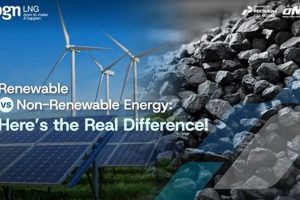
The finite nature and environmental consequences associated with non-renewable oil necessitate the exploration and adoption of sustainable energy alternatives. Renewable energy sources, derived from naturally replenishing resources, offer a viable pathway towards a more sustainable energy future. This transition represents a fundamental shift in energy production and consumption, with far-reaching implications for economies, environments, and geopolitics.
- Solar Power:
Photovoltaic cells convert sunlight directly into electricity, while concentrated solar power systems utilize mirrors to focus sunlight, generating heat to drive turbines. Solar energy offers a decentralized and abundant energy source, particularly in sun-rich regions. Widespread adoption of solar technologies reduces reliance on centralized power generation from fossil fuels, mitigating greenhouse gas emissions and enhancing energy independence. Growth in the solar industry also stimulates economic activity and job creation. For example, Germany’s Energiewende policy has significantly increased the nation’s reliance on solar power.
- Wind Power:
Wind turbines capture kinetic energy from wind and convert it into electricity. Onshore and offshore wind farms provide a substantial source of renewable energy, especially in areas with consistent wind patterns. Wind power, like solar, offers a clean and sustainable alternative to fossil fuels, contributing to reduced greenhouse gas emissions and diversified energy portfolios. Denmark, for example, has become a global leader in wind energy, demonstrating the potential for significant wind power integration into national grids.
- Hydropower:
Harnessing the energy of flowing water through dams and turbines generates electricity. Hydropower provides a reliable and established source of renewable energy, although large-scale dam projects can have significant environmental and social impacts, including habitat alteration and displacement of communities. Balancing the benefits of hydropower with its potential environmental consequences requires careful planning and consideration of sustainable practices. Norway, for instance, relies heavily on hydropower for its electricity generation.
- Geothermal Energy:
Utilizing heat from the Earth’s interior, geothermal power plants generate electricity. Geothermal resources provide a consistent and reliable energy source, particularly in geologically active regions. While geothermal energy offers a sustainable alternative to fossil fuels, its availability is geographically limited, and extraction can sometimes have environmental impacts, such as the release of geothermal gases. Iceland, located in a volcanically active area, utilizes geothermal energy extensively for heating and electricity generation.
These renewable energy alternatives, while each possessing unique characteristics and challenges, offer viable pathways for reducing reliance on non-renewable oil. Transitioning towards a diverse portfolio of renewable energy sources necessitates significant investments in infrastructure, technological advancements, and supportive policies. This shift away from fossil fuels presents opportunities for economic growth, job creation, and enhanced energy security, while simultaneously mitigating the environmental consequences associated with non-renewable oil consumption. The ongoing development and deployment of these technologies, coupled with increasing public awareness and policy support, are crucial for realizing a sustainable energy future.
Frequently Asked Questions about Non-Renewable Oil
This section addresses common inquiries regarding non-renewable oil, providing concise and informative responses.
Question 1: Why is crude oil considered “non-renewable”?
Crude oil formation takes millions of years, significantly exceeding human timescales. Current consumption rates vastly outpace natural replenishment, effectively rendering it a finite resource.
Question 2: How does reliance on crude oil contribute to climate change?
Combustion of oil-derived fuels releases greenhouse gases, primarily carbon dioxide, trapping heat in the atmosphere and contributing to global warming and associated climate change impacts.
Question 3: What are the primary environmental risks associated with oil extraction?
Oil spills, habitat disruption, water contamination, and air pollution are among the key environmental risks associated with extraction activities.
Question 4: How does dependence on oil influence geopolitics?
Control over oil reserves plays a significant role in international relations, influencing national strategies, shaping alliances, and sometimes contributing to conflicts.
Question 5: What are the economic implications of fluctuating oil prices?
Oil price volatility affects transportation costs, inflation, investment decisions, and economic growth, impacting both oil-producing and oil-consuming nations.
Question 6: What viable alternatives exist to reduce reliance on crude oil?
Renewable energy sources like solar, wind, hydropower, and geothermal, along with increased energy efficiency measures, offer viable pathways for reducing dependence on crude oil.
Understanding these key aspects of non-renewable oil is essential for informed decision-making and promotes responsible energy consumption practices. Transitioning towards sustainable alternatives is crucial for mitigating environmental risks and ensuring long-term energy security.
Further exploration of specific aspects of non-renewable oil and its alternatives can be found in the following resources [links to additional resources or related articles would be placed here].
Non-Renewable Oil
This exploration of non-renewable oil has traversed its formation over geological timescales, the intricacies of its extraction and refining, its pervasive uses across diverse sectors, and its undeniable environmental consequences. The geopolitical implications of its uneven distribution and the economic forces governing its supply and demand underscore its profound influence on global dynamics. Finally, the examination of renewable energy alternatives has illuminated potential pathways towards a more sustainable energy future.
Non-renewable oil stands at a crossroads. While it remains a critical energy source underpinning modern society, its finite nature and environmental impact necessitate a decisive transition towards sustainable alternatives. The future of energy requires embracing innovation, fostering responsible consumption, and implementing policies that promote a diversified and resilient energy landscape. This collective effort is essential not only for mitigating environmental challenges but also for ensuring long-term energy security and a sustainable future for generations to come.