Applications designed to maximize the output and efficiency of sustainable power sources, such as solar, wind, hydro, and geothermal, fall under a specific software category. These programs often employ sophisticated algorithms and machine learning to predict energy generation, manage grid integration, and optimize energy storage. For instance, a platform might analyze weather patterns to forecast solar panel output and adjust energy distribution accordingly.
Improving the performance of clean energy systems is critical for reducing reliance on fossil fuels and mitigating climate change. Effective management tools can significantly increase the return on investment in renewable energy infrastructure by minimizing downtime, improving predictive maintenance, and optimizing energy distribution. Historically, managing these systems was complex and often relied on manual processes. The development of specialized software has revolutionized the sector, enabling greater automation and more intelligent control of energy resources.
This discussion will further explore key functionalities, specific applications in different renewable energy sectors, and the evolving role of artificial intelligence in optimizing clean power generation.
Tips for Implementing Energy Optimization Solutions
Successful integration of optimization tools requires careful planning and execution. The following tips offer guidance for organizations looking to enhance their renewable energy infrastructure.
Tip 1: Clearly Define Objectives: Establish specific, measurable, achievable, relevant, and time-bound (SMART) goals before selecting a platform. Objectives might include maximizing energy production, minimizing curtailment losses, or improving grid stability.
Tip 2: Conduct a Thorough Needs Assessment: Evaluate the specific requirements of the renewable energy system. Factors to consider include the type of renewable energy source, the scale of the installation, and existing infrastructure.
Tip 3: Evaluate Software Features: Different platforms offer varying functionalities, such as forecasting, real-time monitoring, and energy storage management. Select a solution that aligns with the defined objectives and system requirements.
Tip 4: Prioritize Data Integration: Ensure seamless data flow between the optimization software and existing systems, such as SCADA systems and weather data feeds. Accurate and comprehensive data is crucial for effective optimization.
Tip 5: Consider Scalability and Flexibility: Choose a solution that can adapt to future expansion and evolving technology. This is particularly important for rapidly growing renewable energy projects.
Tip 6: Factor in Training and Support: Adequate training for personnel is essential for successful implementation. Ensure the software vendor provides comprehensive training and ongoing technical support.
Tip 7: Focus on Cybersecurity: Protecting energy management systems from cyber threats is paramount. Implement robust security measures to safeguard data integrity and system reliability.
By adhering to these guidelines, organizations can significantly enhance the performance and profitability of their renewable energy investments.
This information provides a foundation for making informed decisions about implementing optimization strategies. The subsequent sections will delve deeper into specific applications and case studies.
1. Forecasting

Accurate forecasting is fundamental to the effective operation of renewable energy systems. Predicting energy generation allows operators to optimize energy storage, schedule maintenance, and participate effectively in energy markets. Sophisticated software utilizes various data inputs to generate these predictions, improving the overall performance and profitability of renewable energy assets.
- Short-Term Forecasting
Short-term forecasting, typically covering minutes to hours, is crucial for real-time operational decisions. This type of forecasting utilizes current weather data, historical generation patterns, and other relevant factors to predict immediate energy output. For example, a solar power plant can use short-term forecasts to adjust the angle of solar panels for optimal energy capture or to prepare for grid fluctuations caused by cloud cover. Accurate short-term forecasting enables efficient energy management and reduces the risk of imbalances in the power grid.
- Medium-Term Forecasting
Medium-term forecasting, often spanning days to weeks, is essential for planning maintenance schedules, optimizing energy storage strategies, and managing energy trading. These forecasts incorporate weather models, historical data, and seasonal trends to predict energy generation. For example, wind farm operators can use medium-term forecasts to schedule turbine maintenance during periods of low wind speeds, minimizing downtime and maximizing energy production. This forecasting horizon also enables more effective management of energy storage resources, ensuring sufficient capacity to meet anticipated demand.
- Long-Term Forecasting
Long-term forecasting, encompassing months to years, informs investment decisions, resource planning, and grid infrastructure development. These forecasts consider long-term climate patterns, projected energy demand, and technological advancements. For instance, long-term solar irradiance forecasts can guide the optimal placement and sizing of new solar power plants. This longer-term perspective is vital for strategic planning and ensuring the long-term viability of renewable energy investments.
- Probabilistic Forecasting
Probabilistic forecasting, rather than providing a single deterministic value, generates a range of possible outcomes with associated probabilities. This approach acknowledges the inherent uncertainty in predicting renewable energy generation. For example, a wind power forecast might predict a range of possible output levels with associated probabilities, allowing grid operators to better manage the risks associated with intermittent resources. Probabilistic forecasting enhances decision-making by providing a more comprehensive understanding of potential outcomes.
The various types of forecasting integrated into renewable energy optimization software provide critical insights that drive efficient resource management, improve grid stability, and maximize the return on investment in renewable energy projects. The accuracy and reliability of these forecasts directly impact the effectiveness of the overall optimization strategy.
2. Grid Integration

Seamless grid integration is paramount for maximizing the effectiveness of renewable energy sources. Specialized software plays a crucial role in managing the complexities of incorporating intermittent renewable energy into existing power grids. This integration involves balancing supply and demand, ensuring grid stability, and optimizing the dispatch of renewable energy resources.
- Real-Time Monitoring and Control
Real-time monitoring of grid conditions and renewable energy generation is essential for effective grid integration. Software platforms provide dashboards and visualization tools that offer operators a comprehensive view of the system. This real-time insight enables dynamic control of renewable energy resources, allowing operators to adjust power output based on grid conditions. For example, during periods of high demand, software can automatically dispatch energy from battery storage systems to support the grid. Conversely, during periods of low demand, excess renewable energy can be curtailed or directed to storage.
- Frequency Regulation
Maintaining grid frequency within a narrow range is critical for stable operation. Renewable energy sources, particularly those connected via inverters, can impact grid frequency. Optimization software utilizes advanced control algorithms to ensure that renewable energy resources contribute to frequency regulation. For instance, the software can rapidly adjust the output of wind turbines or solar inverters to compensate for frequency fluctuations. This capability enables greater penetration of renewable energy without compromising grid stability.
- Voltage Support
Maintaining proper voltage levels is another key aspect of grid stability. Renewable energy integration can influence voltage profiles, particularly in distribution networks with high penetrations of distributed generation. Optimization software incorporates functionalities to manage voltage levels by controlling reactive power flow. For example, solar inverters can be controlled to inject or absorb reactive power, helping to maintain voltage within acceptable limits. This voltage support capability is crucial for ensuring reliable grid operation with increasing amounts of renewable energy.
- Predictive Grid Management
Predictive capabilities enable grid operators to anticipate potential challenges and optimize resource allocation. By integrating weather forecasts, load predictions, and renewable energy generation forecasts, optimization software can proactively manage grid operations. For instance, anticipating a period of high solar generation, the software can schedule conventional power plants to reduce output, minimizing curtailment of renewable energy. This predictive approach enhances grid flexibility and maximizes the utilization of renewable resources.
These facets of grid integration, facilitated by advanced software solutions, are essential for successfully transitioning to a cleaner energy future. By optimizing the interaction between renewable energy resources and the existing power grid, these tools enhance grid reliability, maximize the utilization of clean energy, and pave the way for a more sustainable energy landscape. Further development and refinement of grid integration technologies will be critical as renewable energy penetration continues to grow.
3. Energy Storage

Energy storage is a critical component of renewable energy systems, addressing the intermittency of sources like solar and wind. Effective management of stored energy is essential for maximizing the utilization of renewable resources and ensuring grid stability. Renewable energy optimization software plays a vital role in coordinating energy storage operations with real-time grid conditions and predicted energy generation.
- Battery Storage Management
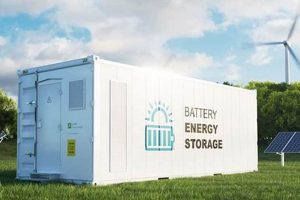
Battery storage systems are increasingly deployed alongside renewable energy installations. Optimization software controls charging and discharging cycles based on factors such as predicted energy generation, grid demand, and electricity pricing. For example, the software can charge batteries during periods of excess solar generation and discharge them during peak demand periods, maximizing the value of stored energy. Advanced algorithms optimize battery usage to prolong lifespan and enhance overall system performance.
- Pumped Hydro Storage Optimization
Pumped hydro storage, a mature energy storage technology, utilizes reservoirs at different elevations. Optimization software coordinates the pumping of water uphill during periods of excess renewable energy generation and the release of water downhill to generate electricity during peak demand. The software considers factors such as reservoir levels, electricity prices, and grid stability requirements to optimize the operation of pumped hydro facilities. This coordination ensures efficient utilization of water resources and maximizes the contribution of pumped hydro to grid stability.
- Thermal Energy Storage Integration
Thermal energy storage systems store energy in the form of heat or cold. Optimization software integrates these systems into the overall energy management strategy. For example, excess solar energy can be used to heat water or molten salt, which can then be used to generate electricity or provide heating during periods of low solar generation. The software optimizes the charging and discharging of thermal storage to meet energy demands and minimize energy losses.
- Hybrid Storage System Management
Combining different energy storage technologies, such as batteries and pumped hydro, can offer significant advantages. Optimization software manages the complex interactions within hybrid systems, optimizing the operation of each component based on its characteristics and current system conditions. For instance, batteries might be used for short-term frequency regulation while pumped hydro provides longer-duration energy storage. This coordinated approach maximizes the benefits of each technology and enhances the overall system performance.
By intelligently managing energy storage resources, renewable energy optimization software enables greater penetration of renewable energy, enhances grid reliability, and reduces reliance on fossil fuels. The continued advancement of energy storage technologies and optimization algorithms will be crucial for achieving a sustainable energy future.
4. Performance Monitoring
Performance monitoring constitutes a crucial element of renewable energy optimization software. Continuous tracking of key performance indicators (KPIs) provides insights into the operational efficiency of renewable energy assets, enabling proactive identification of potential issues and optimization opportunities. This data-driven approach allows operators to maximize energy production, minimize downtime, and ensure the long-term viability of renewable energy projects. For example, monitoring the output of individual solar panels within a large array can pinpoint underperforming panels, enabling targeted maintenance and preventing widespread performance degradation. Similarly, tracking wind turbine performance data, such as rotor speed and power output, can identify early signs of wear and tear, allowing for timely maintenance and preventing costly failures. The cause-and-effect relationship between performance monitoring and optimized operation is clear: data informs decisions, leading to improved outcomes.
Real-life applications further underscore the practical significance of performance monitoring. Consider a wind farm utilizing optimization software integrated with a comprehensive monitoring system. The software analyzes real-time data from each turbine, including wind speed, power output, and vibration levels. By detecting anomalous patterns, such as a gradual decline in power output from a specific turbine, the software can alert operators to potential issues. This early detection enables proactive maintenance, preventing further degradation and potentially catastrophic failures. Furthermore, aggregated performance data across the entire wind farm allows operators to assess the effectiveness of different operational strategies, optimize turbine settings, and maximize overall energy production. This granular level of insight translates directly into improved efficiency and profitability.
Effective performance monitoring empowers informed decision-making, contributing directly to the financial success of renewable energy projects. Challenges remain, however, including data security, the need for robust data analytics capabilities, and the integration of diverse data sources. Addressing these challenges through continuous innovation in monitoring technology and data analysis techniques will further enhance the value and impact of performance monitoring within the broader context of renewable energy optimization.
5. Predictive Maintenance

Predictive maintenance, facilitated by advanced software, plays a crucial role in optimizing the operation and longevity of renewable energy assets. This approach leverages data analysis and machine learning to forecast potential equipment failures and schedule maintenance proactively, minimizing downtime and maximizing energy production. By analyzing historical performance data, real-time sensor readings, and environmental factors, these platforms can identify patterns indicative of impending failures. This allows operators to address issues before they escalate, reducing costly repairs and maximizing the operational lifespan of critical components like wind turbine gearboxes or solar inverters. The cause-and-effect relationship is clear: data-driven insights lead to timely interventions, preventing significant disruptions and optimizing performance.
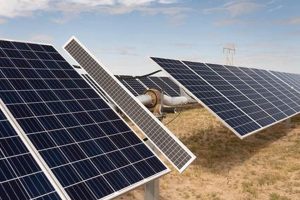
The practical significance of predictive maintenance within the renewable energy sector is substantial. Consider a large-scale solar farm. Traditional maintenance schedules often rely on fixed intervals or reactive responses to failures, leading to either unnecessary maintenance or costly downtime. In contrast, predictive maintenance, powered by sophisticated software, analyzes data from individual solar panels, including power output, temperature, and voltage. By identifying subtle deviations from normal operating parameters, the software can predict potential failures weeks or even months in advance. This allows operators to schedule maintenance during periods of low solar irradiance, minimizing the impact on energy production. Furthermore, predictive maintenance can optimize the allocation of maintenance resources, ensuring that technicians focus on the most critical issues first. This data-driven approach enhances efficiency, reduces operational costs, and maximizes the return on investment in renewable energy infrastructure.
While predictive maintenance offers significant benefits, challenges remain, including data security, integration with legacy systems, and the need for specialized expertise. Addressing these challenges through ongoing innovation in data analytics, sensor technology, and software development will further enhance the effectiveness and adoption of predictive maintenance strategies within the renewable energy sector. This continued evolution will contribute significantly to the long-term sustainability and profitability of renewable energy projects worldwide.
6. Data Analytics

Data analytics forms the cornerstone of effective renewable energy optimization software. Analyzing vast datasets generated by renewable energy systems from weather patterns and energy consumption to equipment performance and grid stability enables informed decision-making, driving operational efficiency and maximizing return on investment. This cause-and-effect relationship is fundamental: data insights directly influence operational strategies, leading to measurable improvements in performance. For instance, analyzing historical wind speed data alongside turbine performance metrics allows operators to optimize turbine settings, maximizing energy capture during periods of high wind resource availability. Without robust data analytics capabilities, optimization software would lack the intelligence to adapt to dynamic conditions and effectively manage the complexities of renewable energy systems. The practical significance is clear: data analytics transforms raw data into actionable insights, enabling optimized performance and improved financial outcomes.
Real-world applications demonstrate the tangible benefits of data analytics within the renewable energy sector. Consider a solar power plant utilizing optimization software integrated with advanced data analytics capabilities. The software analyzes historical solar irradiance data, weather forecasts, and real-time energy consumption patterns to predict energy generation and optimize energy storage strategies. This predictive capability allows operators to anticipate periods of high or low energy production and adjust grid interactions accordingly, maximizing revenue generation and minimizing curtailment losses. Furthermore, by analyzing performance data from individual solar panels, the software can identify underperforming units, enabling targeted maintenance and preventing widespread performance degradation. This granular level of insight translates directly into improved operational efficiency and cost savings. These practical applications highlight the essential role of data analytics in driving the effectiveness of renewable energy optimization software.
While the potential of data analytics within the renewable energy sector is immense, challenges remain. Data security, integration with legacy systems, and the need for specialized expertise in data science pose ongoing hurdles. Addressing these challenges through continued innovation in data management, analytics techniques, and software development will further unlock the transformative power of data analytics. This ongoing evolution will be crucial for maximizing the performance, reliability, and profitability of renewable energy projects worldwide, ultimately contributing to a more sustainable energy future.
7. Automation

Automation plays a vital role in enhancing the efficiency and effectiveness of renewable energy systems. By automating routine tasks and optimizing complex processes, specialized software significantly reduces operational costs, improves system performance, and minimizes human intervention. This automation empowers renewable energy projects to operate more efficiently, reliably, and profitably. It allows human resources to focus on higher-level tasks such as strategic planning and analysis, rather than manual control and monitoring.
- Real-Time Control and Optimization
Automated control systems, driven by sophisticated algorithms, continuously adjust the operation of renewable energy assets based on real-time conditions. For example, in a solar power plant, the software automatically adjusts the angle of solar panels throughout the day to maximize energy capture as the sun’s position changes. In wind farms, turbine blade pitch can be adjusted automatically to optimize energy production based on wind speed and direction. This real-time optimization maximizes energy generation and minimizes curtailment losses.
- Automated Grid Integration
Automation streamlines the complex process of integrating renewable energy resources into the power grid. Software platforms automatically manage the flow of energy between renewable energy sources, energy storage systems, and the grid, ensuring grid stability and maximizing the utilization of clean energy. For instance, during periods of high renewable energy generation, the software can automatically curtail excess power or direct it to storage. Conversely, during periods of low renewable generation, the software can dispatch energy from storage or conventional power plants to balance supply and demand. This automated grid integration enhances reliability and facilitates greater penetration of renewable energy.
- Automated Data Acquisition and Analysis
Renewable energy optimization software automates the collection and analysis of vast amounts of data from various sources, including weather sensors, grid monitors, and equipment performance logs. This automated data acquisition and analysis provides valuable insights into system performance, enabling proactive identification of potential issues and optimization opportunities. For example, by analyzing performance data from individual wind turbines, the software can identify early signs of wear and tear, allowing for timely maintenance and preventing costly failures. This data-driven approach enhances operational efficiency and reduces maintenance costs.
- Automated Reporting and Alerts
Automated reporting and alert systems provide operators with real-time information about system performance, enabling prompt responses to critical events. The software automatically generates reports on key performance indicators, such as energy generation, equipment status, and grid stability metrics. Furthermore, the system can trigger alerts when pre-defined thresholds are exceeded, notifying operators of potential issues requiring immediate attention. For instance, an alert might be triggered if a solar inverter malfunctions or if grid frequency deviates from the acceptable range. This automated reporting and alert functionality enhances situational awareness and enables proactive management of renewable energy assets.
These automation capabilities are integral to the effectiveness of renewable energy optimization software. By automating complex tasks and providing data-driven insights, these platforms enable more efficient, reliable, and profitable operation of renewable energy systems. The ongoing development and refinement of automation technologies within the renewable energy sector will be crucial for achieving a sustainable energy future. As the complexity and scale of renewable energy projects continue to grow, automation will become increasingly important for maximizing performance and minimizing operational challenges.
Frequently Asked Questions
This section addresses common inquiries regarding renewable energy optimization software, providing concise and informative responses.
Question 1: What types of renewable energy sources can this software optimize?
These applications can be utilized across a diverse range of renewable energy technologies, including solar photovoltaic (PV) systems, wind farms, hydroelectric plants, geothermal facilities, and biomass energy projects. The specific functionalities and algorithms may vary depending on the energy source, but the fundamental goal remains consistent: maximizing energy production and efficiency.
Question 2: How does this software improve the return on investment in renewable energy projects?
Return on investment is enhanced through several mechanisms, including increased energy production, reduced downtime through predictive maintenance, optimized energy storage utilization, and improved grid integration. These factors contribute to increased revenue generation and lower operational costs, ultimately boosting profitability.
Question 3: What are the key features to look for when selecting an optimization platform?
Essential features include robust forecasting capabilities, real-time monitoring and control functionalities, advanced data analytics tools, energy storage management features, seamless grid integration capabilities, and comprehensive reporting and alert systems. The specific requirements will vary depending on the project’s unique characteristics and objectives.
Question 4: What is the role of machine learning in optimizing renewable energy systems?
Machine learning algorithms analyze vast datasets to identify patterns and make predictions, enabling more accurate forecasting, optimized control strategies, and automated decision-making. This data-driven approach enhances the efficiency and responsiveness of renewable energy systems to dynamic conditions.
Question 5: What are the primary challenges associated with implementing these solutions?
Challenges can include data security concerns, integration with existing legacy systems, the need for specialized technical expertise, and the ongoing evolution of renewable energy technologies. Addressing these challenges requires careful planning, robust cybersecurity measures, and ongoing training and support.
Question 6: How does this software contribute to grid stability with increasing renewable energy penetration?
The software contributes to grid stability by enabling advanced grid integration functionalities, such as real-time monitoring and control of renewable energy resources, frequency regulation, voltage support, and predictive grid management. These features ensure that renewable energy resources can be seamlessly integrated into the existing power grid without compromising reliability.
Understanding these key aspects of renewable energy optimization software is essential for successful implementation and maximizing the benefits of clean energy technologies.
The following section will explore real-world case studies demonstrating the practical application and impact of these software solutions.
Conclusion
Renewable energy optimization software represents a critical tool for maximizing the effectiveness and profitability of clean energy projects. This exploration has highlighted the multifaceted nature of these platforms, encompassing forecasting, grid integration, energy storage management, performance monitoring, predictive maintenance, data analytics, and automation. These integrated functionalities enable optimized energy production, reduced operational costs, enhanced grid stability, and improved decision-making within the renewable energy sector. The discussion underscored the importance of data-driven insights derived from advanced analytics and machine learning algorithms in driving operational efficiency and maximizing the return on investment in renewable energy infrastructure.
The ongoing evolution of renewable energy optimization software holds significant promise for accelerating the global transition to a sustainable energy future. Continued advancements in data analytics, artificial intelligence, and automation will further enhance the capabilities of these platforms, unlocking new levels of efficiency and enabling greater integration of renewable energy resources. Embracing these technological advancements and integrating them strategically within renewable energy projects will be crucial for achieving a cleaner, more resilient, and sustainable energy landscape.