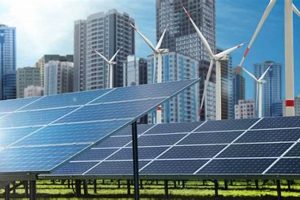
Sustainable power derived from sources that replenish naturally over a relatively short period is essential for powering modern society. Examples include solar, wind, hydro, geothermal, and biomass power. These resources offer a continuous flow of energy unlike finite resources such as fossil fuels.
Harnessing these naturally replenishing resources offers significant advantages, including reduced greenhouse gas emissions, decreased reliance on finite fossil fuels, and the potential for localized power generation, fostering energy independence. The transition towards these sustainable sources is not a recent phenomenon; watermills and windmills have been utilized for centuries. However, the urgency of climate change and advancements in technology have propelled these energy sources to the forefront of global energy discussions.
The following sections will delve into specific forms of sustainable power, exploring their technological advancements, economic implications, and environmental impact. Topics covered will include the latest developments in solar panel technology, the growing offshore wind power sector, the potential of geothermal energy, and the role of biomass in a sustainable energy future.
Tips for Supporting Sustainable Power
Transitioning towards a future powered by sustainable resources requires collective action. The following tips offer practical guidance for individuals and communities seeking to contribute to this crucial shift.
Tip 1: Invest in Energy-Efficient Appliances: Choosing appliances with high energy efficiency ratings can significantly reduce electricity consumption. Look for labels such as Energy Star to identify products that meet rigorous efficiency standards.
Tip 2: Reduce Energy Consumption at Home: Simple actions like turning off lights when leaving a room, unplugging electronic devices not in use, and utilizing natural light can collectively make a substantial difference.
Tip 3: Explore Residential Solar Installations: Installing solar panels on rooftops can provide homes with clean electricity, reducing reliance on traditional power grids.
Tip 4: Support Policies that Promote Sustainable Power: Engaging in local and national policy discussions related to energy can help advocate for greater investment in and adoption of sustainable power sources.
Tip 5: Consider Electric Vehicles: Electric vehicles powered by sustainable sources offer a cleaner transportation alternative, reducing reliance on fossil fuels.
Tip 6: Educate and Engage with Your Community: Sharing information about the benefits of sustainable power with friends, family, and neighbors can raise awareness and encourage wider adoption.
Tip 7: Support Businesses Committed to Sustainable Practices: Choosing to patronize businesses that prioritize sustainable power in their operations can encourage wider corporate adoption of these crucial practices.
Embracing these practices can collectively contribute to a significant reduction in reliance on finite resources and a transition toward a cleaner energy future.
The shift towards sustainable power represents a vital step towards mitigating climate change and ensuring a sustainable future for generations to come. The combined efforts of individuals, communities, and governments will be essential for achieving this critical global goal.
1. Sustainable Source

The concept of a sustainable source is inextricably linked to renewable energy. A sustainable source is one that can be replenished naturally at a rate equal to or greater than its rate of consumption. This characteristic distinguishes renewable energy from finite resources like fossil fuels, which are depleted over time. Understanding the facets of sustainability is crucial for comprehending the long-term viability and benefits of renewable energy sources.
- Resource Replenishment:
A core principle of sustainability is the continuous replenishment of the resource. Solar energy, for instance, is constantly replenished by the sun’s radiation. Similarly, wind energy relies on consistent wind patterns driven by atmospheric pressure differences. This continuous replenishment ensures a consistent energy supply without depleting the source.
- Environmental Impact:
Sustainable sources minimize negative environmental impact. While renewable energy technologies may have some environmental footprint during manufacturing and installation, their operational impact is significantly lower than that of fossil fuels. For example, hydroelectric power, while utilizing a renewable resource, can impact aquatic ecosystems. Careful planning and mitigation strategies are essential to minimize such impacts.
- Long-Term Viability:
Sustainability ensures the long-term viability of energy resources. Unlike fossil fuels, which are projected to become increasingly scarce and expensive, renewable resources offer a consistent and long-term energy solution. This long-term viability provides energy security and price stability, crucial for sustained economic growth and societal well-being.
- Economic Implications:
Sustainable sourcing has significant economic implications. The development, manufacturing, and deployment of renewable energy technologies create jobs and stimulate economic growth. Furthermore, reduced reliance on imported fossil fuels strengthens national energy security and contributes to a more stable and resilient economy.
These facets of sustainability highlight the intrinsic connection between sustainable sources and renewable energy. The ability of these resources to replenish naturally, their minimized environmental impact, their long-term viability, and their positive economic implications position renewable energy as a crucial component of a sustainable future. The transition to a renewable energy-powered world is not just an environmental imperative, but also a pathway to a more secure, stable, and prosperous future.
2. Reduces Emissions
A primary advantage of renewable energy is its inherent capacity to reduce harmful emissions. Unlike conventional energy sources that rely on the combustion of fossil fuels, renewable energy technologies generate electricity from naturally replenishing sources. This fundamental difference significantly alters the emissions profile, leading to a substantial decrease in greenhouse gases and other pollutants. The causal link between adopting renewable energy and mitigating emissions is a cornerstone of climate change strategies worldwide. Replacing coal-fired power plants with solar or wind farms, for example, directly reduces carbon dioxide emissions, a key contributor to global warming.
The importance of reduced emissions as a component of renewable energy cannot be overstated. It addresses the urgent need to mitigate the impacts of climate change. Lowering emissions from the energy sector is crucial for achieving global climate goals and preserving the planet’s ecosystems. The practical significance of this understanding translates into tangible benefits. Cleaner air improves public health, reducing respiratory illnesses and other health problems associated with air pollution. Furthermore, mitigating climate change protects vulnerable populations and ecosystems from the devastating effects of rising sea levels, extreme weather events, and biodiversity loss. Real-life examples abound, from the declining air pollution levels in cities that have transitioned to renewable energy to the preservation of coastal communities through reduced sea-level rise.
Transitioning to renewable energy offers a pathway to a lower-emissions future. While challenges remain in terms of infrastructure development, technological advancements, and policy implementation, the connection between renewable energy and reduced emissions underscores its crucial role in mitigating climate change and creating a more sustainable future. Addressing these challenges through concerted global efforts is essential for realizing the full potential of renewable energy and securing a healthier planet for future generations. This transition not only benefits the environment but also fosters economic growth, enhances energy security, and contributes to a more sustainable and resilient global society.
3. Combats Climate Change

Renewable energy plays a pivotal role in combating climate change by addressing a root cause: greenhouse gas emissions from the energy sector. Burning fossil fuels for electricity generation, transportation, and industrial processes releases significant amounts of carbon dioxide, methane, and other greenhouse gases into the atmosphere. These gases trap heat, leading to global warming and a cascade of climate change impacts. Renewable energy sources, in contrast, produce minimal greenhouse gas emissions during operation. This fundamental difference positions renewable energy as a key solution for mitigating climate change.
The importance of mitigating climate change as a component of renewable energy’s value proposition is paramount. The scientific consensus unequivocally links human activities, primarily the burning of fossil fuels, to the ongoing increase in global temperatures. The consequences of climate change include rising sea levels, more frequent and intense extreme weather events, disruptions to ecosystems, and threats to human health and well-being. Real-world examples of these impacts are already evident, from the melting of polar ice caps and glaciers to the increased incidence of heatwaves and droughts. Transitioning to renewable energy offers a direct pathway to mitigate these risks by reducing the emissions driving climate change.
The practical significance of understanding this connection lies in the urgency of action. Shifting away from fossil fuels and towards renewable energy requires substantial investments in infrastructure, technological advancements, and policy changes. However, the long-term benefits of mitigating climate change far outweigh the costs of inaction. These benefits include a more stable climate, healthier ecosystems, improved public health, and enhanced energy security. While challenges remain in scaling up renewable energy deployment, the imperative to combat climate change underscores its critical role in securing a sustainable future. Addressing these challenges through coordinated global efforts and sustained commitment is essential for realizing the full potential of renewable energy and mitigating the risks of climate change.
4. Renewable Resource

Renewable resources form the bedrock of renewable energy. The defining characteristic of a renewable resource is its ability to replenish naturally over a relatively short timescale, either through biological processes or natural physical phenomena. This inherent replenishment cycle distinguishes renewable resources from finite resources like fossil fuels, which are depleted over time. Solar radiation, wind, water flow, geothermal heat, and biomass are prime examples of renewable resources that power various renewable energy technologies. The direct causal link between the availability of renewable resources and the generation of renewable energy is fundamental. Without the continuous replenishment of these resources, renewable energy technologies would be unsustainable.
The importance of renewable resources as a component of renewable energy cannot be overstated. They provide the fundamental input for generating clean electricity, heat, and transportation fuels. Solar panels convert sunlight into electricity, wind turbines capture the kinetic energy of wind, hydroelectric dams harness the potential energy of water, geothermal power plants utilize heat from the Earth’s interior, and biomass power plants burn organic matter to generate electricity. Real-world examples illustrate this connection: Germany’s increasing reliance on wind power is directly tied to the consistent wind resources available in the North Sea and Baltic Sea. Similarly, Iceland’s widespread use of geothermal energy is a consequence of the island nation’s abundant geothermal resources. These examples demonstrate the crucial role of renewable resources in enabling the transition to a sustainable energy system.
The practical significance of understanding this connection lies in the need for responsible resource management. While renewable resources are replenishable, their availability can vary depending on geographic location, seasonal changes, and other factors. Sustainable management practices are essential to ensure the long-term viability of these resources. For example, sustainable forestry practices are crucial for ensuring a continuous supply of biomass for energy generation. Similarly, careful planning and management of water resources are essential for maximizing the potential of hydroelectric power while minimizing environmental impacts. Addressing these challenges through effective resource management strategies is crucial for realizing the full potential of renewable energy and ensuring a sustainable energy future.
5. Energy Independence

Energy independence represents a critical driver and potential outcome of transitioning to renewable energy sources. It signifies a reduced reliance on imported fossil fuels, enhancing a nation’s energy security and resilience. This transition allows countries to generate power domestically, minimizing vulnerability to geopolitical instability, price volatility, and supply disruptions associated with traditional energy markets. Exploring the facets of energy independence reveals its profound implications for national security, economic stability, and environmental sustainability.
- Reduced Reliance on Imports
Renewable energy sources offer the potential to significantly reduce a nation’s dependence on imported fossil fuels. By generating power domestically from resources like solar, wind, and hydro, countries can decrease their vulnerability to external supply disruptions and price fluctuations. Denmark, for example, has substantially reduced its reliance on imported fossil fuels through significant investments in wind power. This shift has enhanced Denmark’s energy security and reduced its exposure to global energy market volatility. The implications extend beyond energy security, positively impacting trade balances and fostering domestic economic growth.
- Enhanced Energy Security
Energy security is a critical component of national security. Renewable energy strengthens energy security by diversifying energy sources and reducing dependence on potentially volatile international relations. By generating power domestically, countries can insulate themselves from geopolitical risks associated with reliance on foreign energy suppliers. For instance, Japan’s investment in solar power following the Fukushima nuclear disaster reflects a strategic move to enhance energy security and reduce reliance on imported fossil fuels. This diversification strengthens national resilience and reduces vulnerability to external disruptions.
- Economic Stability and Growth
Transitioning to renewable energy fosters economic stability and growth. Investments in renewable energy technologies create jobs in manufacturing, installation, maintenance, and research. Furthermore, reduced reliance on imported fossil fuels can stabilize energy prices, benefiting consumers and businesses. The growth of the solar industry in the United States, for instance, has created hundreds of thousands of jobs and spurred economic activity in related sectors. This economic stimulus contributes to national prosperity and enhances long-term economic competitiveness.
- Environmental Sustainability
Energy independence achieved through renewable energy aligns with environmental sustainability goals. By reducing reliance on fossil fuels, countries can significantly decrease greenhouse gas emissions, mitigating climate change and its associated impacts. Costa Rica, for example, has achieved near-complete reliance on renewable energy for electricity generation, demonstrating a commitment to both energy independence and environmental sustainability. This achievement serves as a model for other nations seeking to decarbonize their energy sectors and contribute to global climate change mitigation efforts.
These facets of energy independence underscore the transformative potential of renewable energy. The transition to renewable energy not only enhances energy security and economic stability but also contributes to a more sustainable future. By reducing dependence on finite resources and mitigating climate change, renewable energy empowers nations to chart a path toward greater self-sufficiency, resilience, and environmental responsibility. The shift towards energy independence through renewable energy represents a strategic investment in a more secure, prosperous, and sustainable future.
6. Economic Growth
Renewable energy presents a significant driver of economic growth, offering diverse avenues for job creation, technological innovation, and investment opportunities. The transition from conventional energy systems based on finite resources to those powered by renewable sources stimulates economic activity across multiple sectors, fostering sustainable development and long-term prosperity. Examining the multifaceted relationship between renewable energy and economic growth reveals its potential to reshape economies and create a more resilient and sustainable future.
- Job Creation
The renewable energy sector is a significant job creator. From manufacturing and installation to maintenance and research, renewable energy projects require a diverse workforce. The solar industry, for example, employs a substantial number of workers in manufacturing solar panels, installing rooftop systems, and maintaining solar farms. Offshore wind farms create jobs in construction, turbine maintenance, and grid integration. These employment opportunities contribute to local and national economies, providing skilled and unskilled labor with stable employment prospects.
- Technological Innovation
Renewable energy technologies are constantly evolving, driving innovation and creating new industries. Research and development in areas such as battery storage, smart grids, and energy efficiency create opportunities for technological advancements and commercialization. The development of more efficient solar panels, for example, has led to cost reductions and increased adoption of solar energy worldwide. Similarly, advancements in wind turbine technology have enabled the construction of larger and more efficient turbines, maximizing energy capture from wind resources. This continuous innovation cycle fuels economic growth and enhances competitiveness in the global renewable energy market.
- Investment Opportunities
Renewable energy projects attract significant investment, both public and private. Large-scale solar and wind farms require substantial capital investment, creating opportunities for investors seeking long-term, stable returns. Governments often incentivize renewable energy development through tax credits, subsidies, and other financial instruments, further attracting investment. The growth of green bonds and other sustainable finance mechanisms provides additional avenues for channeling capital into renewable energy projects. These investments stimulate economic activity, create jobs, and contribute to the overall growth of the renewable energy sector.
- Rural Development
Renewable energy projects can play a crucial role in rural development. Wind farms and solar installations in rural areas generate revenue for local communities, create jobs, and revitalize local economies. Bioenergy projects utilizing agricultural residues or sustainably harvested biomass can provide additional income streams for farmers and support rural communities. This localized economic development can help to address regional disparities and promote more equitable economic growth.
The multifaceted relationship between renewable energy and economic growth underscores its transformative potential. By creating jobs, driving technological innovation, attracting investment, and supporting rural development, renewable energy contributes to a more sustainable and prosperous future. The transition to a renewable energy-powered economy not only addresses the urgent need to mitigate climate change but also creates new economic opportunities and enhances long-term economic competitiveness. Continued investment in research, development, and deployment of renewable energy technologies is essential for realizing its full economic potential and building a more resilient and sustainable global economy.
Frequently Asked Questions about Sustainable Energy
This section addresses common inquiries regarding sustainable energy, providing concise and informative responses to clarify potential misconceptions and foster a deeper understanding of this crucial field.
Question 1: What are the primary types of sustainable energy resources?
The principal sources include solar, wind, hydro, geothermal, and biomass. Each harnesses naturally replenishing resources to generate power.
Question 2: How does sustainable energy contribute to climate change mitigation?
Sustainable energy technologies generate electricity with significantly lower greenhouse gas emissions compared to conventional fossil fuel-based power generation. This reduction in emissions is crucial for mitigating climate change and its associated impacts.
Question 3: Is sustainable energy reliable enough to meet global energy demands?
Advancements in technology and grid management are enhancing the reliability and consistency of sustainable energy supplies. Integrating diverse sustainable sources and implementing smart grid technologies can ensure a stable and reliable power supply.
Question 4: What is the economic impact of transitioning to sustainable energy?
The transition to sustainable energy creates jobs in manufacturing, installation, maintenance, and research. It also stimulates economic growth by attracting investment and fostering innovation in new technologies.
Question 5: What are the key challenges hindering wider adoption of sustainable energy?
Challenges include infrastructure development, intermittency of certain resources, and policy frameworks that support integration into existing energy systems. Addressing these challenges requires concerted efforts from governments, industry, and researchers.
Question 6: How can individuals contribute to the transition towards sustainable energy?
Individuals can contribute by reducing energy consumption at home, investing in energy-efficient appliances, supporting policies that promote sustainable energy, and considering sustainable transportation options.
Transitioning to sustainable energy requires a collective effort and informed decision-making. Understanding the benefits, challenges, and practical implications of embracing these essential resources empowers individuals and communities to contribute to a more sustainable future.
The next section explores specific examples of sustainable energy projects around the world, highlighting their impact and providing further insights into the real-world applications of these crucial technologies.
Conclusion
Exploration of sustainable power generation from replenishable resources reveals its multifaceted significance. Reduced reliance on finite fossil fuels, mitigation of harmful emissions, and the fostering of economic growth through technological innovation are key benefits. Addressing the challenges of infrastructure development and resource intermittency requires concerted global effort and strategic policy implementation.
The transition towards sustainable power represents not merely a technological shift, but a fundamental step towards a more secure, equitable, and environmentally responsible future. Continued investment in research, development, and deployment of these crucial technologies is paramount for mitigating the risks of climate change and ensuring a sustainable energy landscape for generations to come. The future of energy hinges on embracing the potential of sustainably replenishing resources.