California’s legislative landscape regarding sustainable power generation has been shaped by groundbreaking legislation mandating specific targets for electricity derived from renewable sources. For example, utilities are obligated to procure a certain percentage of their electricity from eligible renewable resources, fostering a transition away from fossil fuels.
This commitment to clean energy sources offers significant advantages, including reduced greenhouse gas emissions, improved air quality, and the creation of green jobs. Historically, the state’s policies have driven innovation in renewable energy technologies and established California as a national leader in clean power development. This leadership role has spurred economic growth within the renewable energy sector and contributed to a healthier environment for residents.
The following sections will delve deeper into the specific targets, mechanisms, and impacts of California’s renewable portfolio standard, exploring its evolution, challenges, and future prospects.
Successfully engaging with California’s drive toward sustainable power generation requires understanding the nuances of the state’s legal framework and market dynamics. These tips offer guidance for businesses, consumers, and stakeholders.
Tip 1: Understand Portfolio Standards. Research the specific renewable portfolio standard (RPS) requirements for utilities and energy providers. Awareness of these mandates clarifies obligations and opportunities within the market.
Tip 2: Explore Incentive Programs. Investigate available financial incentives, rebates, and tax credits offered for renewable energy adoption. These programs can significantly reduce the cost of transitioning to clean energy solutions.
Tip 3: Consider Distributed Generation. Evaluate the potential of on-site renewable energy generation, such as rooftop solar installations. Distributed generation offers benefits like reduced reliance on the grid and potential cost savings.
Tip 4: Engage with Community Choice Aggregation (CCA) Programs. Learn about local CCA programs, which offer consumers greater control over their energy choices and often prioritize renewable energy sources.
Tip 5: Stay Informed about Policy Updates. California’s renewable energy policies are constantly evolving. Staying current with legislative changes and regulatory updates ensures compliance and facilitates strategic planning.
Tip 6: Assess Long-Term Energy Needs. Develop a comprehensive long-term energy strategy that aligns with California’s renewable energy goals. This proactive approach ensures sustainability and cost-effectiveness over time.
By understanding and implementing these strategies, stakeholders can effectively navigate the evolving renewable energy landscape in California and contribute to a cleaner energy future.
The concluding section will summarize the overall impact of these strategies and emphasize the importance of continued engagement in California’s clean energy transformation.
1. Renewable Portfolio Standard (RPS)
The Renewable Portfolio Standard (RPS) serves as the cornerstone of California’s renewable energy policy, often referred to as the “CA Renewable Energy Act.” It establishes a legal mandate requiring electricity providers to source a specific percentage of their electricity from eligible renewable sources. Understanding the RPS is essential to grasping the broader context of California’s commitment to clean energy.
- Mandatory Procurement Targets:
The RPS establishes progressively increasing targets for renewable energy procurement. These targets compel utilities to invest in and contract for renewable energy resources, driving the growth of the renewable energy sector. For example, a utility might be required to procure 50% of its electricity from renewables by a certain date, incentivizing investments in solar, wind, and other eligible resources. This phased approach ensures a steady transition toward a cleaner energy future.
- Eligible Renewable Resources:
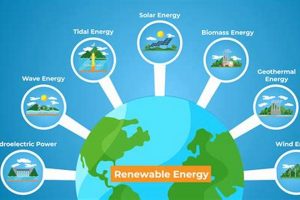
The RPS defines specific technologies and resources that qualify as “renewable” for compliance. These typically include solar, wind, geothermal, biomass, and small hydroelectric facilities. Clear eligibility criteria ensure that only genuinely sustainable resources contribute to meeting the RPS targets. Certain resources, like large hydroelectric dams, may be excluded due to their environmental impacts. This specificity helps to maintain the integrity and environmental benefits of the RPS.
- Compliance Mechanisms:
The RPS establishes mechanisms to ensure utilities meet their mandated targets. These mechanisms may include Renewable Energy Credits (RECs), which represent the environmental attributes of one megawatt-hour of renewable electricity generation. Utilities can purchase RECs to demonstrate compliance if they fall short of their renewable procurement goals. This market-based approach provides flexibility while maintaining accountability.
- Long-Term Planning and Reporting:
The RPS requires utilities to engage in long-term planning and reporting to demonstrate their progress toward achieving the mandated targets. This transparency allows regulators and stakeholders to monitor compliance and assess the effectiveness of the RPS in driving renewable energy development. Regular reporting also facilitates adjustments to the RPS framework based on technological advancements and market conditions.
These interconnected facets of the RPS work in concert to propel California toward its ambitious clean energy goals. The RPS not only drives renewable energy development but also fosters economic growth, reduces greenhouse gas emissions, and improves air quality. By understanding the RPS framework, stakeholders can actively participate in and benefit from California’s transition to a sustainable energy future.
2. Emissions Reductions

A core objective of California’s renewable energy policies, often encapsulated by the term “CA Renewable Energy Act,” is the significant reduction of greenhouse gas emissions. The transition to renewable electricity generation plays a crucial role in mitigating climate change and improving air quality. Examining the multifaceted impact of emissions reductions reveals the profound implications of this policy direction.
- Reduced Greenhouse Gas Emissions:
Replacing fossil fuel-based power plants with renewable energy sources directly reduces emissions of carbon dioxide, methane, and other greenhouse gases. This displacement effect is fundamental to mitigating climate change and its associated impacts, such as rising sea levels and extreme weather events. The shift to renewables demonstrably lowers the carbon intensity of California’s electricity sector, contributing to statewide and national climate goals.
- Improved Air Quality:
Renewable energy sources, unlike fossil fuels, produce no direct air pollutants during operation. This transition leads to improved air quality, particularly in communities near power plants. Reduced levels of particulate matter, nitrogen oxides, and sulfur dioxide contribute to fewer respiratory illnesses and improved public health outcomes, especially in vulnerable populations. The health benefits associated with cleaner air have substantial economic and social value.
- Compliance with Environmental Regulations:
California’s ambitious emissions reduction targets necessitate a shift to cleaner energy sources to comply with state and federal environmental regulations. The renewable energy policies provide a pathway for meeting these stringent requirements, avoiding penalties and legal challenges. Compliance also enhances California’s position as a leader in environmental stewardship, influencing policy decisions in other jurisdictions.
- Co-benefits of Climate Action:
Emissions reductions achieved through renewable energy deployment often yield co-benefits beyond climate mitigation. For example, investments in renewable energy infrastructure can create jobs, stimulate economic growth in rural communities, and enhance energy security by reducing reliance on imported fossil fuels. These co-benefits underscore the positive ripple effects of transitioning to a cleaner energy system.
These interconnected facets of emissions reductions highlight the critical role of renewable energy policies in achieving California’s environmental and public health goals. By prioritizing clean energy sources, the state not only mitigates climate change but also fosters a healthier, more sustainable future for its residents. The transition to a cleaner energy economy reinforces Californias commitment to environmental leadership and provides a model for other states and nations to emulate.
3. Energy Independence

California’s pursuit of energy independence is intrinsically linked to its renewable energy policies, often referred to as the “CA Renewable Energy Act.” By transitioning to a greater reliance on in-state renewable resources, the state reduces its dependence on imported fossil fuels, enhancing its energy security and resilience.
This shift toward self-reliance has several key benefits. Reduced reliance on volatile global fossil fuel markets insulates California’s economy from price fluctuations and supply disruptions. Developing local renewable energy resources creates jobs and stimulates economic growth within the state, rather than exporting capital to purchase fossil fuels from other regions. Furthermore, energy independence strengthens California’s ability to control its energy future, aligning its energy policies with its environmental and economic goals. For example, by developing in-state solar and wind resources, California reduces its need for natural gas-fired power plants, lowering greenhouse gas emissions and improving air quality. This strategic approach enhances both environmental sustainability and energy security, contributing to a more resilient and self-sufficient energy system.
California’s commitment to renewable energy sources as a pathway to energy independence offers a compelling model for other regions seeking to enhance their energy security and reduce their carbon footprint. While challenges remain in integrating renewable resources into the existing grid and ensuring reliability, the state’s progress demonstrates the feasibility and benefits of transitioning to a cleaner, more independent energy future. This ongoing commitment to renewable energy not only strengthens California’s energy security but also positions it as a leader in the global transition to sustainable energy systems.
4. Economic Growth

California’s renewable energy policies, often referred to as the “CA Renewable Energy Act,” are intrinsically linked to economic growth. The transition to a clean energy economy stimulates job creation, fosters innovation, and attracts investment, generating significant economic benefits for the state.
The renewable energy sector requires a skilled workforce to design, install, maintain, and operate renewable energy facilities. This demand creates employment opportunities in manufacturing, construction, engineering, and project management. For example, the growth of the solar industry in California has led to thousands of new jobs in solar panel installation and maintenance. Furthermore, investments in renewable energy research and development spur innovation, leading to the development of new technologies and more efficient processes. This innovation attracts private investment, creating additional economic activity and supporting further job growth. California’s leadership in renewable energy also attracts businesses seeking to operate in a state committed to sustainability, further boosting economic development.
The economic benefits of renewable energy extend beyond direct job creation. Reduced reliance on imported fossil fuels keeps more capital within the state’s economy. Lower energy costs associated with renewable energy can increase the competitiveness of businesses operating in California. Furthermore, a cleaner environment resulting from reduced air pollution and greenhouse gas emissions offers long-term economic benefits through improved public health and reduced healthcare costs. The transition to a renewable energy economy offers a pathway to sustainable economic growth, aligning environmental stewardship with economic prosperity. While challenges remain in managing the transition and ensuring equitable access to the benefits of clean energy, California’s experience demonstrates the significant economic opportunities associated with embracing renewable energy.
5. Technological Innovation
California’s commitment to renewable energy, often referred to as the “CA Renewable Energy Act,” has served as a catalyst for technological innovation in the clean energy sector. The state’s ambitious renewable portfolio standard (RPS) targets and supportive policy environment have created a fertile ground for the development and deployment of cutting-edge technologies, driving progress in renewable energy generation, storage, and grid integration.
- Advances in Solar Photovoltaic (PV) Technology:
California’s substantial investments in solar energy have spurred advancements in PV technology, leading to increased efficiency, reduced costs, and improved performance. Examples include the development of high-efficiency solar cells, innovative manufacturing processes, and advanced tracking systems that optimize solar panel orientation to maximize energy capture. These innovations have made solar energy increasingly cost-competitive with conventional fossil fuels, accelerating its widespread adoption.
- Grid Integration and Smart Grid Technologies:
Integrating intermittent renewable energy sources like solar and wind into the electricity grid presents technical challenges. California’s focus on smart grid technologies addresses these challenges by enabling more efficient grid management, demand response programs, and improved forecasting of renewable energy generation. Advanced grid management systems optimize energy flow, minimizing curtailment of renewable energy and enhancing grid stability. These innovations are essential for maximizing the benefits of renewable resources and ensuring a reliable electricity supply.
- Energy Storage Solutions:
Energy storage plays a critical role in addressing the intermittency of renewable energy sources. California has fostered innovation in battery storage, pumped hydro storage, and other storage technologies, enabling greater utilization of renewable energy and reducing reliance on fossil fuel-based backup power. Advances in battery technology, including improved energy density and reduced costs, are making battery storage an increasingly viable solution for grid-scale energy storage, enhancing the reliability and flexibility of renewable energy integration.
- Next-Generation Renewable Energy Technologies:
Beyond established technologies like solar and wind, California’s policies encourage exploration of next-generation renewable energy technologies. This includes research and development in areas such as enhanced geothermal systems, wave energy converters, and advanced bioenergy technologies. Supporting emerging technologies fosters continued innovation and diversification of California’s renewable energy portfolio, ensuring long-term sustainability and resilience in the face of evolving energy demands.
These interconnected technological advancements, driven by California’s commitment to renewable energy, demonstrate the dynamic relationship between policy and innovation. The state’s forward-thinking policies not only accelerate the transition to a cleaner energy future but also position California as a global leader in renewable energy technology, creating economic opportunities and driving progress in the fight against climate change. This ongoing commitment to innovation ensures that California remains at the forefront of the clean energy revolution, paving the way for a more sustainable and prosperous future.
Frequently Asked Questions about California’s Renewable Energy Policies
This section addresses common questions regarding California’s renewable energy policies, often referred to as the “CA Renewable Energy Act,” aiming to provide clear and concise information.
Question 1: What is the Renewable Portfolio Standard (RPS)?
The RPS mandates that electricity providers procure a specified percentage of their electricity from eligible renewable sources. This requirement increases incrementally over time, driving the transition to cleaner energy resources.
Question 2: Which renewable energy sources qualify under the RPS?
Eligible resources typically include solar, wind, geothermal, biomass, and small hydroelectric facilities. Specific criteria determine eligibility, ensuring only genuinely sustainable sources contribute towards meeting RPS targets.
Question 3: How does the RPS impact electricity rates?
While investments in renewable energy infrastructure can involve upfront costs, the long-term impacts on electricity rates are complex. Factors such as declining technology costs, avoided fossil fuel price volatility, and reduced public health costs associated with cleaner air can influence overall electricity rate trends.
Question 4: How does California ensure compliance with the RPS?
Compliance mechanisms include Renewable Energy Credits (RECs), which represent the environmental attributes of renewable generation. Utilities can purchase RECs if they fall short of their procurement targets, ensuring accountability within a market-based framework.
Question 5: How does the RPS impact grid reliability?
Integrating intermittent renewable resources requires advanced grid management strategies. California invests in smart grid technologies, energy storage solutions, and demand-side management programs to ensure grid reliability as renewable energy penetration increases.
Question 6: What are the economic benefits of California’s renewable energy policies?
Economic benefits include job creation in the renewable energy sector, attraction of private investment in clean technologies, reduced reliance on imported fossil fuels, and long-term cost savings associated with improved public health and a more stable climate.
Understanding these key aspects of California’s renewable energy policies is crucial for stakeholders across all sectors. The transition to a cleaner energy future presents both challenges and opportunities, requiring informed decision-making and collaborative efforts.
Further sections will explore specific case studies and examples of how California’s renewable energy policies are implemented in practice.
Conclusion
California’s comprehensive approach to renewable energy, often summarized as the “CA Renewable Energy Act,” represents a significant commitment to a sustainable future. Exploration of this multifaceted approach has revealed key elements, including the Renewable Portfolio Standard’s mandated targets, the resulting emissions reductions and improved air quality, the enhanced energy independence derived from local resource development, the economic growth stimulated by the burgeoning renewable energy sector, and the technological innovations spurred by state-level policy support. These interconnected aspects underscore the transformative potential of a dedicated transition to clean energy sources.
The pursuit of a sustainable energy future requires sustained commitment, ongoing adaptation, and continuous innovation. California’s experience demonstrates the feasibility and multifaceted benefits of transitioning to a cleaner energy economy. The state’s progress serves as a compelling example for other jurisdictions, highlighting the potential for aligning environmental stewardship with economic prosperity and energy security. Continued investment in renewable energy technologies, grid modernization, and supportive policies will be essential to realizing the full potential of this transformative shift and ensuring a resilient and sustainable energy future for generations to come. The path forward requires collaborative efforts from policymakers, industry leaders, researchers, and communities to navigate the complexities of the energy transition and build a cleaner, more sustainable world.