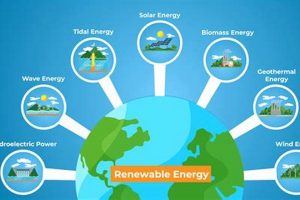
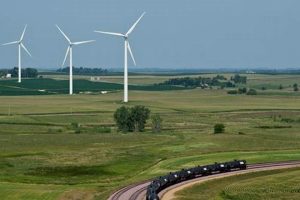
Numerous energy sources replenish naturally over a short period, offering alternatives to finite fossil fuels. These resources, harnessed through various technologies, include solar, wind, hydro, geothermal, and biomass energy. For example, photovoltaic panels convert sunlight directly into electricity, while wind turbines capture kinetic energy from moving air.
The shift toward these sustainable alternatives is critical for environmental and economic reasons. Reduced reliance on fossil fuels mitigates greenhouse gas emissions and air pollution, contributing to a healthier planet. Furthermore, renewable energy sources diversify energy portfolios, enhancing energy security and creating new economic opportunities. The historical development of these technologies, from early watermills to modern solar farms, demonstrates continuous innovation and the growing recognition of their crucial role.
This exploration will delve into the specific characteristics, advantages, and challenges associated with each major type of renewable energy, providing a comprehensive understanding of their present status and future potential within the global energy landscape.
Tips for Understanding Renewable Energy Options
Effective utilization of renewable energy resources requires careful consideration of various factors. The following tips provide guidance for navigating the complexities of sustainable energy choices.
Tip 1: Evaluate Local Resource Availability: The feasibility and efficiency of different renewable energy technologies depend on geographical location. Regions with abundant sunshine are ideal for solar power, while consistently windy areas benefit most from wind turbines. Assess local conditions to determine the most suitable options.
Tip 2: Consider Energy Consumption Needs: Different renewable energy systems cater to varying energy demands. Residential homes may benefit from rooftop solar panels, while large-scale industrial operations might require larger wind farms or geothermal installations. Matching energy production to consumption patterns is crucial for optimizing efficiency.
Tip 3: Analyze Infrastructure Requirements: Implementing renewable energy solutions often involves infrastructure upgrades. Connecting solar or wind farms to the existing power grid requires careful planning and investment. Factor these infrastructure needs into any renewable energy project.
Tip 4: Research Government Incentives and Policies: Many governments offer financial incentives, such as tax credits and subsidies, to encourage the adoption of renewable energy. Understanding available programs and policies can significantly impact the financial viability of a project.
Tip 5: Explore Technological Advancements: The renewable energy sector is constantly evolving. Staying informed about the latest technological advancements, such as improvements in battery storage or more efficient solar panels, can lead to more effective and cost-competitive solutions.
Tip 6: Assess Long-Term Costs and Benefits: While initial investments in renewable energy can be substantial, long-term operational costs are often lower than those associated with fossil fuels. Consider the overall lifecycle costs and benefits when evaluating renewable energy options.
Tip 7: Engage with Experts and Communities: Consulting with renewable energy professionals and engaging with communities that have successfully implemented sustainable energy projects can provide valuable insights and best practices.
By considering these tips, individuals and organizations can make informed decisions about integrating renewable energy sources into their energy strategies, contributing to a more sustainable future.
This understanding of practical considerations leads to a broader discussion about the future of renewable energy and its role in shaping global energy landscapes.
1. Solar

Solar energy represents a significant component within the broader spectrum of renewable energy resources. Its abundance and accessibility make it a key player in the global transition towards sustainable power generation. Understanding its various facets is crucial for evaluating its role in diversifying energy portfolios.
- Photovoltaic (PV) Systems
PV systems directly convert sunlight into electricity using semiconductor materials. Residential rooftop installations exemplify their growing popularity, while large-scale solar farms contribute significantly to utility-scale power generation. Their modularity allows for flexible deployment, from individual homes to vast power plants, impacting the overall availability of renewable energy options.
- Concentrated Solar Power (CSP)
CSP systems utilize mirrors to focus sunlight onto a receiver, generating intense heat used to drive turbines and produce electricity. These systems, often deployed in desert environments with high solar irradiance, offer a thermal storage capacity that enhances grid stability, expanding the practical applications of renewable energy.
- Solar Thermal Systems
Solar thermal technologies capture solar energy for heating water and space heating applications. Common examples include solar water heaters used in residential buildings and solar thermal collectors employed in industrial processes. These applications reduce reliance on conventional fossil fuel-based heating, furthering the reach of renewable energy within various sectors.
- Passive Solar Design
Passive solar design incorporates architectural features to maximize solar energy utilization for heating and cooling buildings. Strategic window placement, thermal mass, and insulation minimize energy consumption, showcasing the integration of renewable energy principles into building design and contributing to a more holistic approach to sustainable energy adoption.
These diverse applications of solar energy demonstrate its versatility and potential for widespread integration within the global energy mix. From utility-scale power generation to individual building design, solar technologies contribute significantly to the increasing number and accessibility of renewable energy solutions, playing a pivotal role in the ongoing shift towards a sustainable energy future.
2. Wind

Wind energy, a prominent renewable energy source, harnesses the kinetic energy of moving air to generate electricity. Its growing importance stems from its clean, sustainable nature and its potential to contribute significantly to reducing reliance on fossil fuels. Examining the various facets of wind energy provides crucial insight into its expanding role within the broader context of renewable energy options.
- Onshore Wind Farms
Onshore wind farms, comprising multiple wind turbines located on land, represent the most common form of wind energy deployment. These farms leverage economies of scale to generate substantial amounts of electricity, often feeding into existing power grids. Examples include large-scale wind farms in the United States, China, and Germany, demonstrating the widespread adoption of onshore wind technology. The scalability and relative cost-effectiveness of onshore wind contribute significantly to the overall availability of renewable energy.
- Offshore Wind Farms
Offshore wind farms, situated in bodies of water, capitalize on stronger and more consistent winds compared to onshore locations. While presenting higher installation costs, offshore wind farms offer higher capacity factors, leading to increased energy production. Projects in the North Sea and coastal regions of the United States exemplify the growing investment in offshore wind, demonstrating its increasing contribution to the diversity of renewable energy sources.
- Distributed Wind Turbines
Distributed wind turbines, smaller in scale than those found in large wind farms, serve individual homes, businesses, or communities. These turbines provide localized power generation, reducing reliance on centralized grids and promoting energy independence. Examples include small wind turbines installed on rooftops or in rural areas, diversifying the applications of wind energy within the broader renewable energy landscape.
- Airborne Wind Energy Systems (AWES)
AWES represent an emerging technology utilizing tethered kites or drones to capture wind energy at higher altitudes where winds are stronger and more consistent. These systems, currently in developmental stages, offer the potential for increased energy capture efficiency and reduced land-use impact. The ongoing research and development in AWES highlight the continuous innovation within the renewable energy sector, expanding the potential scope of wind energy’s contribution.
The various applications of wind energy, ranging from large-scale wind farms to innovative airborne systems, underscore its significance within the renewable energy landscape. The continuous advancements and diversified implementation of wind technologies play a crucial role in expanding the portfolio of sustainable energy options, contributing to a more diversified and resilient energy future.
3. Hydropower
Hydropower, leveraging the natural flow of water to generate electricity, represents a long-established and significant component within the array of renewable energy resources. Its contribution to global electricity production underscores its importance in the ongoing transition towards sustainable energy systems. Understanding the different facets of hydropower provides crucial context for evaluating its role among the diverse options available.
- Conventional Hydroelectric Dams
Conventional hydroelectric dams, creating reservoirs to store water and control its flow through turbines, represent the most prevalent form of hydropower. Large-scale projects like the Three Gorges Dam in China and the Itaipu Dam in Brazil demonstrate the substantial power generation capacity of these facilities. Their contribution to national grids significantly impacts the overall availability of renewable electricity, influencing the mix of energy sources within a given region.
- Run-of-River Hydropower
Run-of-river hydropower systems utilize the natural flow of a river without the need for large reservoirs. These systems minimize environmental impact compared to conventional dams, offering a more sustainable approach to hydropower generation. Examples include smaller-scale projects in mountainous regions or along existing river systems, expanding the applicability of hydropower to environments where large dams are unsuitable, thereby increasing the diversity of renewable energy deployments.
- Pumped Storage Hydropower
Pumped storage hydropower acts as a giant battery, storing excess electricity by pumping water uphill to a reservoir and releasing it during peak demand periods to generate power. This technology enhances grid stability and facilitates the integration of other intermittent renewable sources like solar and wind, further diversifying the role of hydropower within the broader renewable energy landscape. Examples include facilities strategically located near existing power grids, optimizing energy storage and distribution.
- Marine Hydropower
Marine hydropower, also known as marine energy or ocean energy, harnesses the power of tides, waves, and ocean currents. Technologies like tidal barrages and wave energy converters represent emerging areas of development, expanding the potential of hydropower beyond traditional river-based systems. While still in relatively early stages of deployment, marine hydropower offers significant potential to contribute to the range of available renewable energy options, diversifying the sources of clean electricity generation.
The diverse applications of hydropower, encompassing large-scale dams, run-of-river systems, pumped storage, and emerging marine technologies, solidify its established position within the renewable energy sector. Understanding its various forms and their respective contributions to power generation provides a more complete picture of the range of renewable energy options available and their collective impact on the global energy transition. The continued development and diversification of hydropower technologies further enhance its role in shaping a sustainable energy future.
4. Geothermal

Geothermal energy, derived from the Earth’s internal heat, represents a crucial component within the broader spectrum of renewable energy resources. Its inclusion among the available sustainable energy options contributes significantly to the diversity and resilience of global energy portfolios. Understanding the nature and applications of geothermal energy is essential for comprehending its role in the transition towards a more sustainable energy future. Geothermal power plants, utilizing steam from underground reservoirs to drive turbines, provide a consistent baseload power source, unlike intermittent renewables such as solar and wind. Examples include geothermal facilities in Iceland, the United States, and the Philippines, demonstrating the global distribution of this resource and its contribution to national energy mixes. Direct use applications, such as geothermal heating and cooling systems, further diversify geothermal’s contribution to the range of available renewable energy solutions. These applications reduce reliance on fossil fuels for heating and cooling needs, expanding the practical significance of geothermal energy beyond electricity generation.
The reliable nature of geothermal energy provides a valuable counterpoint to the intermittency of other renewable sources. This characteristic enhances grid stability and allows for continuous power generation regardless of weather conditions. The development of Enhanced Geothermal Systems (EGS), accessing heat from dry rock formations, expands the potential reach of geothermal energy beyond naturally occurring hydrothermal resources. This technological advancement increases the number of geographically viable locations for geothermal power generation, further solidifying its role as a significant renewable energy option. Furthermore, geothermal energy’s minimal land-use requirements and relatively small environmental footprint compared to some other renewable energy sources contribute to its overall sustainability profile, enhancing its appeal as a clean energy solution. Examples include combined heat and power plants utilizing geothermal resources for both electricity generation and district heating, showcasing the efficient and multifaceted nature of geothermal energy utilization.
Geothermal energy’s contribution to the overall number of available renewable energy technologies enhances the flexibility and resilience of energy systems. Its consistent availability and diverse range of applications, from baseload power generation to direct use heating and cooling, offer significant advantages in the pursuit of sustainable energy solutions. While challenges related to resource accessibility and initial development costs remain, ongoing technological advancements and increasing recognition of its inherent value solidify geothermal energy’s position as a key component in addressing global energy challenges. The continued exploration and development of geothermal resources are essential for realizing its full potential and maximizing its contribution to a diversified and sustainable energy future.
5. Biomass

Biomass, encompassing organic matter derived from plants and animals, represents a versatile renewable energy source contributing to the diversity of sustainable energy options. Its utilization for energy production offers various pathways, each with specific characteristics and implications within the broader context of renewable energy availability. Examining these distinct facets provides a comprehensive understanding of biomass’s role in the global energy landscape.
- Wood and Wood Residues
Wood and wood residues, including wood pellets, chips, and sawmill byproducts, constitute a significant source of biomass energy. Combustion of these materials for heat and electricity generation represents a well-established practice, particularly in industries with access to substantial wood resources, such as forestry and wood processing. The utilization of wood and wood residues as a renewable energy source contributes to waste reduction and resource optimization within these sectors, impacting the overall availability and sustainability of biomass-derived energy.
- Energy Crops
Energy crops, specifically cultivated for energy production, encompass fast-growing plants like switchgrass, miscanthus, and short-rotation woody crops. These crops provide a dedicated source of biomass feedstock, reducing reliance on traditional wood resources and potentially minimizing land-use conflicts. The cultivation and utilization of energy crops contribute to the diversification of biomass sources, expanding the potential scope of bioenergy production and impacting the overall number of viable renewable energy options.
- Biogas
Biogas, produced from the anaerobic decomposition of organic matter such as agricultural waste, manure, and sewage, offers a versatile pathway for renewable energy generation. Biogas can be directly combusted for heat or upgraded to biomethane, a substitute for natural gas, expanding its applications within existing energy infrastructure. The utilization of biogas reduces greenhouse gas emissions from decomposing organic waste and provides a renewable alternative to fossil fuels, increasing the range and applicability of sustainable energy solutions.
- Biofuels
Biofuels, derived from biomass sources, serve as liquid transportation fuels, offering a renewable alternative to conventional gasoline and diesel. Ethanol, produced from corn or sugarcane, and biodiesel, derived from vegetable oils or animal fats, represent common biofuels used in transportation sectors globally. The development and utilization of biofuels contribute to reducing reliance on fossil fuels in transportation, significantly impacting the overall diversity and availability of renewable energy options, particularly within the transportation sector.
The diverse applications of biomass, encompassing solid fuels, biogas, and liquid biofuels, demonstrate its versatility and significance within the broader renewable energy landscape. Each facet of biomass utilization contributes to increasing the number of available sustainable energy options, playing a crucial role in the global transition towards a diversified and resilient energy future. The ongoing development of advanced bioenergy technologies and sustainable biomass management practices further enhances its potential to address global energy challenges and contribute to a more sustainable energy mix. By considering biomass alongside other renewable energy sources, a more comprehensive understanding of the available options and their collective impact on the global energy transition can be achieved.
Frequently Asked Questions About Renewable Energy Sources
This section addresses common inquiries regarding the range and nature of renewable energy technologies, aiming to provide clear and concise information for a broader understanding of the topic.
Question 1: What constitutes a renewable energy source?
Renewable energy sources are naturally replenished over a relatively short period, distinguishing them from finite fossil fuels. These resources include solar, wind, hydro, geothermal, and biomass energy.
Question 2: Why is the transition to renewable energy important?
The transition is crucial for mitigating climate change by reducing greenhouse gas emissions associated with fossil fuel combustion. Furthermore, renewable energy enhances energy security and independence, diversifying energy portfolios and reducing reliance on volatile global fossil fuel markets.
Question 3: Are all renewable energy sources equally available everywhere?
Resource availability varies geographically. Solar energy is most effective in sunny regions, while wind energy requires consistent wind patterns. Hydropower depends on suitable water resources, and geothermal relies on accessible geological formations. Regional assessments are essential for determining the most appropriate renewable energy technologies.
Question 4: What are the primary challenges associated with renewable energy adoption?
Challenges include intermittency of some resources (like solar and wind), initial infrastructure costs, and integration with existing power grids. Technological advancements, such as improved energy storage solutions, are continually addressing these challenges.
Question 5: How does biomass qualify as a renewable energy source?
Biomass, derived from organic matter, is considered renewable as long as its consumption rate does not exceed its replenishment rate. Sustainable forestry and agricultural practices are essential for ensuring the long-term viability of biomass as a renewable energy source.
Question 6: What is the future outlook for renewable energy?
The future of renewable energy appears promising, driven by technological advancements, decreasing costs, and increasing global awareness of the need for sustainable energy solutions. Continued research, development, and policy support are crucial for realizing the full potential of renewable energy in mitigating climate change and shaping a more sustainable energy future.
Understanding the key aspects of renewable energy empowers informed decision-making and promotes broader participation in the ongoing global energy transition. This foundational knowledge provides context for exploring specific renewable energy technologies and their respective roles in shaping a sustainable energy future.
The following section delves deeper into the specific characteristics, advantages, and challenges associated with each major type of renewable energy, providing a comprehensive understanding of their present status and future potential within the global energy landscape.
Conclusion
The exploration of available renewable energy resources reveals a diverse and evolving landscape. From established technologies like hydropower and biomass to rapidly advancing solar and wind power, the options for sustainable energy generation are numerous and expanding. Each technology presents unique advantages and challenges, influenced by geographic factors, technological maturity, and economic considerations. The examination of solar, wind, hydro, geothermal, and biomass energy underscores the importance of a diversified approach to renewable energy adoption, leveraging the strengths of each resource to create resilient and sustainable energy systems.
The transition to a future powered by renewable energy requires continued innovation, strategic investment, and informed policy decisions. The increasing number and diversity of renewable energy technologies offer a pathway towards mitigating climate change, enhancing energy security, and fostering economic growth. Embracing the full potential of these resources requires a collective commitment to research, development, and implementation, ensuring a sustainable and prosperous energy future for generations to come. The ongoing expansion and diversification of the renewable energy landscape offer not just a solution to pressing environmental challenges but also an opportunity to reshape the global energy system in a more sustainable and equitable manner.