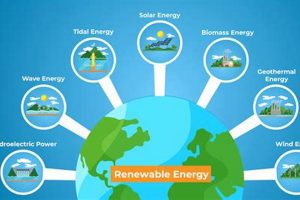
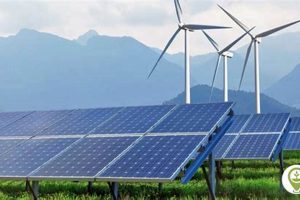
Harnessing power from sources like sunlight, wind, water, and geothermal heat generates electricity and fuels various applications worldwide. For example, solar photovoltaic panels convert sunlight directly into electricity, while hydroelectric dams utilize water flow to power turbines.
Clean power generation offers a critical pathway toward mitigating climate change by reducing reliance on fossil fuels and lowering greenhouse gas emissions. It also enhances energy security by diversifying energy sources, reducing dependence on volatile global fuel markets, and fostering localized power production. Historically, reliance on renewable sources was commonplace; however, the advent of the industrial revolution shifted global energy consumption toward fossil fuels. Now, a renewed focus on sustainability is driving significant advancements and investments in clean technologies.
The subsequent sections will delve into specific clean energy technologies, regional production trends, economic factors driving growth, and future projections for the sector. A deeper understanding of these aspects is crucial for fostering informed decision-making and supporting the transition to a sustainable energy future.
Tips for Supporting Sustainable Power
The following recommendations offer practical guidance for individuals, communities, and organizations seeking to contribute to a cleaner energy future.
Tip 1: Invest in rooftop solar photovoltaic systems. Residential and commercial buildings can generate their electricity by installing solar panels, reducing reliance on grid-supplied power and lowering carbon footprints.
Tip 2: Support community solar projects. Participating in shared solar farms allows individuals and businesses to benefit from clean energy even without suitable rooftop space.
Tip 3: Advocate for policy changes. Encourage local and national governments to implement policies that incentivize clean power development and accelerate the transition away from fossil fuels.
Tip 4: Choose renewable energy providers. Select electricity suppliers that prioritize clean sources, increasing demand and stimulating further investment in the sector.
Tip 5: Reduce energy consumption. Improving energy efficiency through measures like insulation and energy-efficient appliances minimizes overall energy demand and supports sustainable practices.
Tip 6: Invest in clean energy companies. Supporting businesses focused on clean technologies provides capital for innovation and expands the sector’s reach.
Tip 7: Educate others about clean power. Raising awareness about the benefits of clean energy empowers individuals and communities to make informed choices and support the transition to a sustainable energy future.
By adopting these recommendations, individuals, communities, and organizations can actively participate in the global shift toward a cleaner, more resilient energy landscape.
The concluding section will summarize the key opportunities and challenges in the transition to a future powered by sustainable energy.
1. Solar

Solar energy plays a crucial role in the global transition to renewable energy sources. Photovoltaic (PV) systems and concentrated solar power (CSP) technologies convert sunlight directly into electricity or heat, offering a clean and sustainable alternative to fossil fuels. Understanding the various facets of solar energy is essential for comprehending its contribution to global renewable energy production.
- Photovoltaic (PV) Systems
PV systems utilize semiconductor materials to generate electricity from sunlight. Residential rooftop installations, large-scale solar farms, and even portable solar chargers exemplify the versatility of PV technology. The decreasing cost of PV panels and advancements in efficiency have driven significant growth in solar energy adoption worldwide, contributing substantially to the overall increase in global renewable energy production.
- Concentrated Solar Power (CSP)
CSP systems use mirrors to focus sunlight onto a receiver, generating intense heat to drive turbines and produce electricity. These systems often incorporate thermal storage, enabling electricity generation even when sunlight is not available. While CSP deployment is currently less widespread than PV, its potential for providing reliable, dispatchable renewable energy positions it as a valuable component of global renewable energy production.
- Grid Integration and Infrastructure
Integrating solar energy into existing power grids requires careful planning and investment in infrastructure. Smart grids, energy storage solutions, and advanced forecasting technologies are essential for managing the intermittent nature of solar power and ensuring grid stability. The ongoing development and implementation of these technologies are vital for maximizing the contribution of solar energy to global renewable energy production.
- Policy and Economic Factors
Government policies, financial incentives, and market forces significantly influence the growth of the solar energy sector. Feed-in tariffs, tax credits, and renewable portfolio standards can stimulate investment in solar projects, driving down costs and accelerating deployment. These policy and economic factors play a crucial role in shaping the trajectory of solar energy’s contribution to global renewable energy production.
The continued advancement and deployment of solar technologies, coupled with supportive policies and market mechanisms, are pivotal for increasing the share of solar energy in the global renewable energy mix. As costs decline and efficiency improves, solar power is poised to play an increasingly dominant role in meeting global energy demands sustainably.
2. Wind
Wind energy represents a significant and rapidly growing component of global renewable energy production. Harnessing the kinetic energy of wind through turbines offers a clean and sustainable alternative to fossil fuels, contributing to reduced greenhouse gas emissions and enhanced energy security. Understanding the various facets of wind energy is crucial for comprehending its role in the global transition to renewable sources.
- Onshore Wind Farms
Onshore wind farms, comprising multiple wind turbines installed on land, are a prominent source of wind energy. Locations with consistent and strong winds, such as coastal regions and open plains, are ideal for maximizing energy generation. Onshore wind projects contribute significantly to regional economies through job creation and land lease agreements, while simultaneously reducing reliance on fossil fuel-based power plants.
- Offshore Wind Farms
Offshore wind farms, situated in bodies of water, often experience stronger and more consistent winds compared to onshore locations, leading to higher capacity factors. While offshore wind projects typically involve higher initial investment costs, their potential for generating substantial amounts of clean energy makes them an increasingly important component of global renewable energy production.
- Turbine Technology and Innovation
Advancements in wind turbine technology, including larger rotor diameters, improved blade designs, and enhanced generator efficiency, are continuously increasing the amount of energy captured from the wind. These innovations contribute to lower costs and improved performance, further driving the growth of wind energy within the global renewable energy landscape.
- Grid Integration and Storage
Integrating wind energy into existing power grids requires strategic planning and investment in transmission infrastructure. Energy storage solutions, such as batteries and pumped hydro, are essential for managing the intermittent nature of wind power and ensuring a stable and reliable electricity supply. Addressing these grid integration challenges is crucial for maximizing the contribution of wind energy to global renewable energy production.
The continued growth and technological advancements in wind energy, coupled with supportive policies and grid modernization efforts, are essential for achieving a sustainable energy future. As wind power becomes increasingly cost-competitive and efficient, its role in meeting global energy demands will continue to expand, further diversifying the renewable energy mix and reducing reliance on fossil fuels.
3. Hydropower
Hydropower represents a well-established and significant component of global renewable energy production, utilizing the natural flow of water to generate electricity. Its long history and established infrastructure contribute substantially to current renewable energy capacity; however, understanding its diverse facets, including both conventional and emerging technologies, is crucial for evaluating its ongoing role in the global energy transition.
- Conventional Hydroelectric Dams
Large-scale hydroelectric dams represent a mature technology, generating electricity by harnessing the potential energy of stored water. These facilities play a significant role in providing baseload power and grid stability in many regions. However, their construction can have significant environmental and social impacts, including habitat alteration, displacement of communities, and alteration of river ecosystems. Consequently, the development of new large-scale dam projects faces increasing scrutiny, requiring careful consideration of potential consequences.
- Run-of-River Hydropower
Run-of-river hydropower plants utilize the natural flow of a river without requiring large reservoirs, minimizing environmental impact compared to conventional dams. These systems are often smaller in scale and suitable for specific locations with consistent water flow. While their overall contribution to global renewable energy production is currently smaller than conventional hydropower, run-of-river projects represent a more sustainable approach to harnessing water resources for electricity generation.
- Pumped Hydro Storage
Pumped hydro storage systems function as giant batteries, utilizing surplus electricity to pump water uphill into a reservoir, which can then be released to generate electricity during peak demand periods. This technology plays a crucial role in grid stabilization and balancing the intermittent nature of other renewable energy sources like solar and wind. As the penetration of variable renewable energy increases, pumped hydro storage becomes increasingly important for ensuring grid reliability and maximizing the utilization of clean energy resources.
- Emerging Technologies and Innovations
Ongoing research and development efforts focus on innovative hydropower technologies, such as in-stream turbines and tidal power, to further expand the potential of water resources for renewable energy generation. These emerging technologies offer opportunities to harness previously untapped resources while minimizing environmental impacts. Their integration into the global renewable energy mix holds potential for enhancing the sustainability and resilience of the energy sector.
Hydropower’s contribution to global renewable energy production remains substantial; however, its future development requires careful consideration of environmental and social impacts. Balancing the need for clean energy with responsible resource management is crucial for ensuring the sustainable and equitable development of the hydropower sector. Emerging technologies and innovative approaches offer opportunities to further harness the potential of water resources while minimizing negative consequences, ultimately enhancing hydropower’s role in the global transition to a sustainable energy future.
4. Geothermal

Geothermal energy, derived from the Earth’s internal heat, contributes to global renewable energy production by offering a consistent and reliable source of power. Utilizing this heat for direct use applications, such as space heating and industrial processes, reduces reliance on fossil fuels. Furthermore, geothermal power plants convert this heat into electricity, diversifying the renewable energy mix and enhancing energy security. For example, Iceland extensively utilizes geothermal resources for both electricity generation and heating, demonstrating the practical application of this renewable energy source on a national scale. The consistent availability of geothermal energy, unlike intermittent solar and wind power, makes it a valuable asset for baseload power generation, ensuring a stable electricity supply.
Geothermal power plants operate by extracting hot water or steam from underground reservoirs to drive turbines and generate electricity. Different geothermal resource types, such as hydrothermal and enhanced geothermal systems, offer varying levels of accessibility and development potential. Hydrothermal resources, naturally occurring reservoirs of hot water and steam, are readily exploitable for power generation. Enhanced geothermal systems, on the other hand, require engineering interventions to create permeable pathways for accessing heat in dry rock formations. The development of enhanced geothermal systems expands the geographical reach of geothermal energy, offering opportunities for broader utilization of this resource in regions without readily accessible hydrothermal reservoirs. Projects like the Soultz-sous-Forts geothermal power plant in France demonstrate the feasibility of enhanced geothermal systems for electricity generation.
While geothermal energy offers significant advantages as a renewable energy source, its widespread deployment faces certain limitations. The geographical distribution of geothermal resources is not uniform, and suitable locations for power plant development are often limited to tectonically active regions. Initial exploration and drilling costs can be substantial, posing financial barriers to project development. Moreover, careful management of geothermal resources is crucial to ensure long-term sustainability, addressing potential issues like induced seismicity and reservoir depletion. Overcoming these challenges through continued technological advancements, strategic resource management, and supportive policies is essential for maximizing geothermal energy’s contribution to global renewable energy production and achieving a sustainable energy future.
5. Biomass

Biomass, organic matter derived from plants and animals, plays a multifaceted role in global renewable energy production. Its utilization spans various applications, including electricity generation, heat production, and biofuel synthesis. Burning biomass directly or converting it into biogas through anaerobic digestion generates electricity and heat, providing a renewable alternative to fossil fuels. Furthermore, biomass serves as a feedstock for producing biofuels, such as ethanol and biodiesel, which can replace gasoline and diesel in transportation, reducing reliance on petroleum-based fuels. For example, Brazil’s extensive sugarcane ethanol program demonstrates the significant role biomass can play in national fuel supplies. The utilization of agricultural residues, forestry byproducts, and dedicated energy crops as biomass feedstocks contributes to waste reduction and promotes sustainable land management practices. However, careful consideration of potential environmental and social impacts, such as deforestation and competition with food production, is crucial for ensuring the sustainable development of biomass energy.
Biomass’s contribution to global renewable energy production varies significantly across regions, depending on resource availability, technological infrastructure, and policy frameworks. In some regions, biomass serves as a primary energy source for cooking and heating, particularly in rural communities with limited access to other energy sources. In other regions, advanced bioenergy technologies, such as gasification and pyrolysis, convert biomass into higher-value products, such as biochar and synthetic fuels. These advanced technologies enhance the efficiency and versatility of biomass utilization, expanding its potential contribution to global renewable energy production. For example, combined heat and power plants utilizing biomass offer increased energy efficiency compared to separate heat and electricity generation systems. The integration of biomass energy with other renewable sources, such as solar and wind, can further enhance grid stability and resilience, enabling a more reliable and sustainable energy supply.
Understanding the role of biomass in global renewable energy production requires a comprehensive assessment of its potential benefits and challenges. Sustainable biomass sourcing and responsible land management practices are essential for minimizing environmental impacts and ensuring long-term viability. Technological advancements and supportive policies play a crucial role in optimizing biomass utilization and maximizing its contribution to a sustainable energy future. Addressing challenges related to land use change, greenhouse gas emissions, and competition with food production is vital for realizing the full potential of biomass as a clean and sustainable energy source. The ongoing development and deployment of sustainable bioenergy technologies will be crucial for integrating biomass effectively into the global renewable energy mix and achieving a transition to a low-carbon energy future.
6. Ocean Energy

Ocean energy, derived from various marine sources, presents a substantial, albeit largely untapped, opportunity to contribute to global renewable energy production. Harnessing the power of waves, tides, currents, and thermal gradients offers a pathway to diversify energy sources and reduce reliance on fossil fuels. While still in its early stages of development compared to other renewable technologies, ocean energy holds significant potential for future growth and integration into the global energy mix.
- Wave Energy
Wave energy converters capture the kinetic energy of ocean waves and transform it into electricity. Various technologies, including oscillating water columns and point absorbers, are being developed and tested. For example, the Aguadoura Wave Farm in Portugal demonstrated the feasibility of wave energy conversion, although challenges related to cost-effectiveness and technological reliability remain. Overcoming these challenges could unlock significant contributions to global renewable energy production, particularly in coastal regions with abundant wave resources.
- Tidal Energy
Tidal energy utilizes the predictable rise and fall of tides to generate electricity. Tidal barrages and tidal stream turbines are the primary technologies employed. The Rance Tidal Power Station in France, operational since 1966, exemplifies the long-term viability of tidal energy. Expanding tidal energy projects globally could provide a predictable and reliable source of renewable energy, further diversifying the global energy mix.
- Ocean Current Energy
Ocean current energy harnesses the kinetic energy of consistent ocean currents using underwater turbines. While still in the developmental phase, pilot projects are exploring the feasibility of this technology. Successfully deploying ocean current energy systems could provide a consistent baseload power source, complementing intermittent renewable energy sources like solar and wind.
- Ocean Thermal Energy Conversion (OTEC)
OTEC exploits the temperature difference between warm surface waters and cold deep ocean waters to generate electricity. This technology holds particular promise for tropical and subtropical regions with significant temperature gradients. While large-scale OTEC deployment remains limited, ongoing research and pilot projects are exploring its potential for contributing to global renewable energy production, particularly in island nations and coastal communities.
The diverse technologies encompassed by ocean energy offer a range of opportunities to harness the vast potential of marine resources for renewable energy generation. Overcoming technological challenges, reducing costs, and addressing environmental considerations are crucial steps for integrating ocean energy effectively into global renewable energy production. Continued research, development, and deployment of these technologies are essential for realizing the full potential of ocean energy and achieving a sustainable energy future. As these technologies mature and become more cost-competitive, ocean energy is poised to play an increasingly important role in meeting global energy demands and reducing reliance on fossil fuels, particularly in coastal regions and island nations with abundant marine resources.
7. Policy and investment

Policy and investment are inextricably linked to the growth and success of global renewable energy production. Supportive government policies create stable and predictable market conditions, encouraging private sector investment in renewable energy projects. These policies can take various forms, including feed-in tariffs, tax incentives, renewable portfolio standards (RPS), carbon pricing mechanisms, and direct subsidies. For example, Germany’s feed-in tariff program, implemented in the early 2000s, played a pivotal role in accelerating the growth of the country’s solar photovoltaic industry. Similarly, renewable portfolio standards in several US states have driven significant increases in wind energy capacity. Conversely, inconsistent or unfavorable policies can hinder investment and stifle the development of renewable energy projects, demonstrating the crucial role of policy in shaping market dynamics.
Investment in renewable energy encompasses a wide range of activities, including research and development, manufacturing, project development, and grid infrastructure upgrades. Public sector investment often plays a crucial role in early-stage research and development, de-risking innovative technologies and paving the way for private sector engagement. For example, government funding for research into advanced battery technologies has contributed significantly to the declining cost and increasing performance of energy storage solutions, which are essential for integrating intermittent renewable energy sources like solar and wind into power grids. Private sector investment, driven by market opportunities and policy incentives, plays a dominant role in deploying renewable energy projects at scale. Investment decisions are influenced by factors such as the cost of capital, perceived risks, and expected returns, highlighting the interplay between policy stability, investor confidence, and market growth.
Understanding the dynamic relationship between policy and investment is crucial for accelerating the transition to a sustainable energy future. Effective policy frameworks provide the foundation for attracting private sector investment, driving innovation, and scaling up renewable energy deployment. Clear and consistent policy signals, coupled with targeted public sector investments in research and development and infrastructure, create a favorable environment for private sector participation and market growth. Addressing challenges related to policy uncertainty, regulatory barriers, and access to financing will be essential for unlocking the full potential of renewable energy and achieving global climate goals. International cooperation and policy harmonization can further accelerate the global transition to renewable energy, facilitating knowledge sharing, technology transfer, and cross-border investment in clean energy projects.
Frequently Asked Questions
This section addresses common inquiries regarding renewable energy production, aiming to provide clear and concise information.
Question 1: What are the primary types of renewable energy sources contributing to global production?
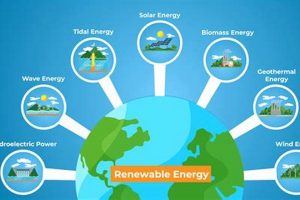
The main sources include solar, wind, hydropower, geothermal, biomass, and ocean energy. Each source harnesses different natural processes, from sunlight and wind to the Earth’s internal heat and ocean currents.
Question 2: How does renewable energy production mitigate climate change?
Renewable energy sources produce little to no greenhouse gas emissions during operation, unlike fossil fuels. Transitioning to renewable energy reduces the atmospheric concentration of greenhouse gases, mitigating climate change impacts.
Question 3: What are the key barriers to wider adoption of renewable energy?
Intermittency of some renewable sources like solar and wind, grid infrastructure limitations, initial investment costs, and policy and regulatory challenges can hinder broader adoption. Addressing these barriers through technological advancements, grid modernization, and supportive policies is crucial for accelerating the transition to renewable energy.
Question 4: How does renewable energy enhance energy security?
Renewable energy diversifies energy sources, reducing dependence on volatile global fossil fuel markets and geopolitical instability. It also promotes localized energy production, enhancing national energy independence and security.
Question 5: What is the role of energy storage in renewable energy systems?
Energy storage technologies, such as batteries and pumped hydro, address the intermittency of renewable sources like solar and wind. Storing surplus energy during periods of high production and releasing it during periods of low production ensures a stable and reliable electricity supply.
Question 6: How can individuals contribute to supporting renewable energy?
Individuals can support renewable energy by installing rooftop solar panels, participating in community solar projects, choosing renewable energy providers, reducing energy consumption, advocating for supportive policies, and investing in clean energy companies.
Transitioning to renewable energy requires a multifaceted approach encompassing technological advancements, policy support, investment, and public awareness. Addressing the challenges and realizing the full potential of renewable energy are crucial for achieving a sustainable energy future.
The next section will explore future projections and trends in global renewable energy production.
Conclusion
This exploration of worldwide renewable power generation has underscored its multifaceted nature, encompassing diverse technologies, economic factors, and policy landscapes. From the established role of hydropower to the rapidly expanding solar and wind sectors, the transition toward sustainable energy sources is demonstrably underway. Furthermore, the examination of emerging technologies like ocean energy and advanced bioenergy reveals significant potential for future growth and diversification of the renewable energy mix. The crucial interplay between policy support, investment, and technological innovation has been highlighted as a driving force behind this global transformation. Addressing challenges related to grid integration, energy storage, and cost-competitiveness remains essential for realizing the full potential of renewable resources. The examination of regional disparities and the specific benefits offered by each renewable energy technology provides a nuanced understanding of the complex global landscape.
The imperative for a sustainable energy future necessitates continued advancements and strategic deployment of renewable energy technologies worldwide. The transition away from fossil fuels toward clean energy sources represents not only an environmental necessity but also an opportunity for economic growth, enhanced energy security, and improved public health. The future of global energy hinges on sustained commitment, collaborative efforts, and informed decision-making to accelerate the transition toward a world powered by renewable resources.