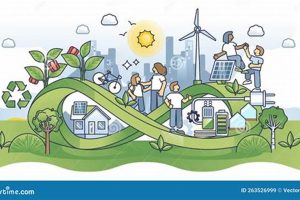
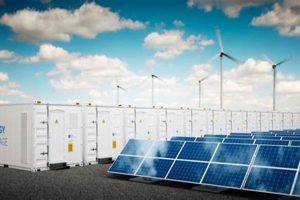
Harnessing power from natural resources that replenish themselves over time offers a sustainable alternative to conventional energy sources. These resources provide various methods of electricity generation, from familiar technologies like hydroelectric dams and wind turbines to emerging innovations like geothermal power and wave energy converters. These diverse methods leverage the sun’s energy directly, or indirectly through wind, water, and organic matter, to produce clean power.
The transition to these sustainable power sources is crucial for mitigating climate change, reducing reliance on finite fossil fuels, and enhancing energy security. Historically, societies relied on burning wood, coal, and oil, but these practices contribute to greenhouse gas emissions and air pollution. Embracing naturally replenishing resources represents a shift towards a cleaner, more sustainable energy future, lessening environmental impact and promoting energy independence.
This article will delve into the specifics of seven key renewable energy sources, exploring their underlying technologies, current applications, potential for growth, and respective advantages and disadvantages. From the established presence of hydropower to the burgeoning field of bioenergy, each technology offers unique contributions to the global energy landscape.
Practical Applications of Renewable Energy
Integrating renewable energy sources into daily life, whether at home or on a larger scale, requires careful consideration and planning. The following tips provide guidance for effective implementation and maximize the benefits of sustainable power.
Tip 1: Conduct a Thorough Energy Assessment: Evaluating current energy consumption patterns is crucial. This assessment helps identify areas where renewable energy sources can be most effectively integrated and provides a baseline for measuring future improvements.
Tip 2: Research Available Incentives and Policies: Numerous governmental and private incentives, such as tax credits and rebates, can significantly reduce the initial investment costs associated with renewable energy technologies. Understanding available programs is essential for cost-effective implementation.
Tip 3: Consider Location and Resource Availability: The geographic location and availability of resources, such as sunlight, wind, or water, greatly influence the suitability of different renewable energy technologies. Choosing a technology appropriate for the specific environment is critical for optimal performance.
Tip 4: Prioritize Energy Efficiency Measures: Implementing energy efficiency practices, such as improved insulation and energy-efficient appliances, can reduce overall energy demands, maximizing the impact of renewable energy integration.
Tip 5: Consult with Qualified Professionals: Seeking expert advice from engineers, contractors, and energy consultants ensures proper system design, installation, and maintenance, optimizing system performance and longevity.
Tip 6: Explore Community-Based Renewable Energy Projects: Participating in community solar or wind projects can offer access to renewable energy benefits without requiring individual installations, making sustainable power more accessible.
Tip 7: Stay Informed About Technological Advancements: The field of renewable energy is constantly evolving. Staying updated on the latest technological advancements and innovations ensures access to the most efficient and cost-effective solutions.
By carefully considering these practical tips, individuals and communities can effectively harness the power of renewable energy, contributing to a cleaner, more sustainable future while potentially realizing long-term cost savings and energy independence.
The transition to a sustainable energy future requires a multifaceted approach. From understanding the specific technologies to implementing practical strategies, embracing renewable energy presents a significant opportunity to address environmental challenges and create a more sustainable world.
1. Solar Power

Solar power represents a significant component within the broader context of renewable energy sources. Harnessing sunlight for direct electricity generation or thermal energy production offers a clean, sustainable alternative to conventional fossil fuels. Its growing prominence stems from declining costs, technological advancements, and increasing awareness of environmental concerns. Understanding the various facets of solar power is essential for evaluating its role in the global transition to sustainable energy.
- Photovoltaic (PV) Systems
Photovoltaic systems directly convert sunlight into electricity using semiconductor materials. Common examples include rooftop solar panels on residential homes and large-scale solar farms that feed electricity into the grid. PV systems offer a versatile and scalable solution, contributing significantly to reducing reliance on fossil fuels and mitigating greenhouse gas emissions.
- Concentrated Solar Power (CSP)
Concentrated solar power utilizes mirrors to focus sunlight onto a receiver, generating intense heat used to produce steam, which then drives a turbine to generate electricity. CSP plants, often located in desert regions with high solar irradiance, offer a dispatchable form of renewable energy, meaning they can store thermal energy and generate electricity even when the sun isn’t shining directly. This characteristic addresses the intermittency challenges associated with some renewable energy sources.
- Solar Thermal Systems
Solar thermal systems capture sunlight to heat water or air for domestic or commercial use. Common applications include solar water heaters for residential hot water and solar air heaters for space heating. These systems reduce reliance on conventional heating methods, contributing to energy conservation and decreased reliance on fossil fuels.
- Passive Solar Design
Passive solar design incorporates architectural features and building materials to maximize the use of natural sunlight for heating and cooling. Strategies include orienting buildings to maximize solar gain in the winter and incorporating shading devices to minimize heat gain in the summer. Passive solar design reduces energy consumption and enhances building comfort while minimizing environmental impact.
These diverse applications of solar power demonstrate its potential to contribute significantly to a sustainable energy future. As technology continues to advance and costs continue to decline, solar power will likely play an increasingly prominent role in the global energy mix, offering a clean, abundant, and accessible energy source.
2. Wind Power

Wind power represents a key component within the seven types of renewable energy, harnessing the kinetic energy of wind to generate electricity. This process relies on wind turbines, which convert wind’s mechanical energy into electrical energy. The scale of wind power implementation ranges from individual turbines powering homes or farms to large-scale wind farms contributing significantly to regional electricity grids. Examples include offshore wind farms, like the Hornsea Project in the UK, demonstrating the increasing capacity and efficiency of wind energy technology. The growth of wind power is driven by factors such as declining costs, technological advancements, and governmental policies supporting renewable energy development. Understanding wind power’s role within the broader renewable energy landscape is crucial for evaluating its contribution to sustainable energy goals.
Wind power’s significance as a renewable energy source stems from several factors. It offers a clean energy alternative, reducing reliance on fossil fuels and mitigating greenhouse gas emissions. Additionally, wind power is a domestically sourced energy resource, enhancing energy security and reducing dependence on imported fuels. Moreover, wind farms can be constructed on land unsuitable for other purposes, minimizing land-use conflicts. However, challenges remain, including the intermittency of wind resources and potential impacts on wildlife. Addressing these challenges through ongoing research and development, such as improved turbine design and energy storage solutions, is essential for maximizing wind power’s potential. The practical significance of understanding wind power’s role lies in its ability to contribute to a diversified energy portfolio, supporting a transition to a more sustainable and resilient energy system.
In conclusion, wind power holds a crucial position within the seven identified renewable energy types. Its capacity for large-scale electricity generation, coupled with its environmental benefits, makes it a significant contributor to global efforts towards sustainable energy transition. While challenges exist, continued technological advancements and supportive policies foster further growth and integration of wind power into the energy mix. Recognizing its potential and addressing associated challenges are vital for maximizing wind power’s contribution to a cleaner and more secure energy future.
3. Hydropower

Hydropower, a cornerstone of renewable energy resources, harnesses the natural flow of water to generate electricity. Its inclusion within the seven key renewable energy types stems from its established history, substantial global capacity, and reliance on a readily replenished resource water. The fundamental principle involves utilizing the gravitational force of water flowing downhill to spin turbines connected to generators. This process converts the water’s potential energy into kinetic energy, ultimately producing electricity. Large-scale hydroelectric dams, like the Three Gorges Dam in China or the Itaipu Dam in Brazil and Paraguay, exemplify hydropower’s capacity for substantial electricity generation, supplying significant portions of national grids. Smaller-scale hydroelectric projects, such as run-of-river plants, demonstrate its adaptability to diverse geographic contexts and reduced environmental impact compared to large dams.
Hydropower’s importance as a component of the seven types of renewable energy stems from several factors. Its mature technology and established infrastructure contribute to reliability and grid stability. Furthermore, hydropower reservoirs offer ancillary services, such as water storage for irrigation and flood control, enhancing its overall value. However, large-scale hydropower projects can have significant environmental and social consequences, including habitat alteration, displacement of communities, and changes in downstream river ecosystems. Balancing the benefits of hydropower with its potential impacts requires careful planning, consideration of alternative approaches, and ongoing efforts to mitigate negative consequences. The practical significance of understanding hydropower’s role lies in recognizing its potential for clean energy generation while acknowledging the importance of sustainable development practices to minimize environmental and social disruption.
In summary, hydropower’s inclusion within the seven types of renewable energy acknowledges its established presence and significant contribution to global electricity generation. Its reliance on a renewable resource aligns with sustainable energy objectives, while its dispatchability offers grid stability benefits. However, the potential for environmental and social consequences necessitates careful consideration and implementation of mitigation strategies. Ultimately, balancing hydropower’s potential with its inherent challenges is essential for responsibly harnessing its contribution to a diverse and sustainable energy future.
4. Geothermal Energy

Geothermal energy, derived from the Earth’s internal heat, secures its place among the seven key renewable energy types. This heat, originating from the planet’s core, radiates outwards, creating temperature gradients exploitable for various applications. Geothermal power plants leverage these gradients, accessing high-temperature geothermal resources to generate electricity. Steam from underground reservoirs drives turbines connected to generators, converting thermal energy into electrical energy. Examples include The Geysers Geothermal Complex in California, a prominent example of geothermal power generation, illustrating its potential for baseload power supply. Direct use applications, such as geothermal heating and cooling systems, represent another facet of this versatile resource, using lower-temperature geothermal resources for space heating, greenhouse operations, and industrial processes. This dual capacity for electricity generation and direct use applications underscores geothermal energy’s significance within the renewable energy landscape.
Geothermal energy’s importance within the seven types of renewable energy stems from several inherent advantages. Its continuous availability, independent of weather conditions, provides a reliable baseload power source, complementing intermittent renewable sources like solar and wind. Furthermore, geothermal power plants have a relatively small land footprint compared to other energy sources, minimizing land-use conflicts. Direct use applications offer energy-efficient heating and cooling solutions, reducing reliance on fossil fuels for these purposes. However, geothermal resources are not uniformly distributed geographically, and development costs can be significant, particularly for deep geothermal projects. Ongoing research and development efforts focus on enhancing exploration techniques, improving drilling technologies, and expanding the range of accessible geothermal resources. Examples include Enhanced Geothermal Systems (EGS), which aim to access geothermal resources in areas previously considered uneconomical, expanding the potential reach of this valuable renewable energy source.
In conclusion, geothermal energy holds a distinct position among the seven types of renewable energy, offering both electricity generation and direct use applications. Its continuous availability and relatively small land footprint represent significant advantages, contributing to a diversified and resilient energy mix. While challenges related to resource distribution and development costs remain, ongoing advancements in geothermal technologies aim to expand its accessibility and maximize its contribution to a sustainable energy future. Understanding geothermal energy’s potential and limitations is crucial for informed decision-making and effective integration of this valuable resource into global energy strategies.
5. Biomass Energy

Biomass energy, derived from organic matter, constitutes a significant component within the seven identified types of renewable energy. Its inclusion stems from the capacity of organic materials, such as wood, crops, and agricultural residues, to serve as a fuel source. Utilizing biomass for energy production offers a pathway towards reducing reliance on fossil fuels and mitigating greenhouse gas emissions. Understanding the various facets of biomass energy is crucial for evaluating its role within a diversified renewable energy portfolio.
- Direct Combustion
Direct combustion involves burning biomass directly to produce heat or electricity. This traditional approach, often employed for residential heating or industrial processes, offers a readily available and cost-effective means of energy generation. Examples include wood-burning stoves and biomass power plants that utilize agricultural residues for electricity generation. However, direct combustion can contribute to air pollution if not managed effectively, highlighting the importance of emissions control technologies.
- Biofuels
Biofuels, produced from biomass, offer a renewable alternative to conventional transportation fuels. Examples include ethanol, typically derived from corn or sugarcane, and biodiesel, produced from vegetable oils or animal fats. Blending biofuels with gasoline or diesel reduces reliance on fossil fuels in the transportation sector, contributing to greenhouse gas emission reductions. However, the sustainability of biofuel production depends on factors such as land use, water consumption, and agricultural practices.
- Biogas
Biogas, produced through the anaerobic decomposition of organic matter, primarily consists of methane and carbon dioxide. This process occurs in anaerobic digesters, where microorganisms break down biomass in the absence of oxygen. Biogas can be used directly for cooking, heating, or electricity generation, offering a versatile and sustainable energy source. Examples include biogas digesters on farms that utilize animal manure to produce biogas for on-site energy needs. Biogas production also offers waste management benefits, reducing landfill disposal and greenhouse gas emissions from decomposing organic waste.
- Biomass Gasification
Biomass gasification involves converting biomass into a gaseous fuel called syngas through a thermochemical process. Syngas can be used for electricity generation, heat production, or as a feedstock for producing other fuels and chemicals. This technology offers a more efficient and cleaner method of utilizing biomass compared to direct combustion, reducing emissions and expanding the range of potential applications. However, gasification technologies can be more complex and capital-intensive compared to other biomass energy pathways.
These various facets of biomass energy contribute to its overall significance within the seven types of renewable energy. From traditional direct combustion to advanced biofuel production and gasification technologies, biomass offers diverse pathways for utilizing organic matter as a sustainable energy source. While challenges related to sustainability and technological advancement exist, ongoing research and development efforts aim to enhance efficiency, minimize environmental impacts, and maximize biomass energy’s contribution to a diversified and sustainable energy future. Its inclusion within the broader framework of renewable energy resources underscores its potential to play a crucial role in the global transition towards cleaner and more sustainable energy systems.
6. Ocean Energy

Ocean energy, derived from the dynamic forces and thermal properties of marine environments, represents a compelling component within the seven identified types of renewable energy. Its inclusion stems from the vast, largely untapped potential of oceans to contribute significantly to global energy demands. Harnessing this potential requires diverse technological approaches, each designed to capture specific forms of ocean energy, such as wave energy, tidal energy, ocean thermal energy conversion, and ocean currents. Understanding these distinct facets of ocean energy is crucial for evaluating its overall contribution to a sustainable energy future and its role within the broader context of the seven key renewable energy types.
- Wave Energy
Wave energy converters capture the kinetic energy of ocean waves and transform it into electricity. These devices utilize various mechanisms, such as oscillating water columns and point absorbers, to capture wave motion and drive generators. Emerging projects, such as the Wave Hub facility in the UK, demonstrate the potential of wave energy to contribute to coastal electricity grids. However, wave energy technology faces challenges related to device durability, survivability in harsh marine environments, and cost-effectiveness.
- Tidal Energy
Tidal energy harnesses the predictable rise and fall of ocean tides to generate electricity. Tidal barrages and tidal fences utilize differences in water levels between high and low tides to drive turbines. The Rance Tidal Power Station in France, a prominent example of tidal barrage technology, demonstrates the potential of tidal energy for predictable power generation. However, suitable locations for tidal energy projects are geographically limited, and potential environmental impacts on marine ecosystems require careful consideration.
- Ocean Thermal Energy Conversion (OTEC)
OTEC exploits the temperature difference between warm surface waters and cold deep ocean waters to generate electricity. This process uses a working fluid, typically ammonia, which is vaporized by warm surface water and then condensed by cold deep water, driving a turbine. While OTEC offers the potential for continuous baseload power generation, its deployment requires specific oceanic conditions and faces challenges related to infrastructure costs and deep-sea piping.
- Ocean Currents
Ocean currents, driven by wind, temperature, and salinity gradients, represent another potential source of renewable energy. Underwater turbines, similar to wind turbines, can capture the kinetic energy of these currents and convert it into electricity. However, ocean current energy technology is still in its early stages of development, and challenges related to turbine design, deployment, and environmental impacts need further investigation.
These diverse facets of ocean energy collectively contribute to its inclusion within the seven types of renewable energy. While each technology faces specific challenges related to cost-effectiveness, technological maturity, and environmental considerations, the vast potential of ocean energy remains a compelling driver for ongoing research and development. As these technologies mature and overcome current limitations, ocean energy is poised to play an increasingly important role in diversifying renewable energy portfolios and contributing to a more sustainable global energy future. Its inclusion within the broader context of the seven key renewable energy sources highlights its potential to supplement other renewable energy pathways and help meet growing global energy demands while minimizing environmental impact.
Frequently Asked Questions about Renewable Energy
Addressing common inquiries regarding renewable energy sources is crucial for fostering informed decision-making and promoting wider adoption. The following questions and answers aim to clarify key aspects and dispel common misconceptions.
Question 1: What is the most efficient renewable energy source?
Efficiency varies depending on factors like resource availability, technology maturity, and specific application. Hydropower currently boasts high efficiency in converting available energy into electricity. However, other technologies, like solar photovoltaics, are rapidly improving in efficiency.
Question 2: Are renewable energy sources reliable enough to meet global energy demands?
Through a diversified portfolio of renewable energy technologies and implementation of smart grid technologies and energy storage solutions, reliability concerns associated with intermittent resources like solar and wind can be effectively addressed. Baseload renewable sources, like geothermal and hydropower, further enhance overall reliability.
Question 3: What are the environmental impacts of renewable energy technologies?
While generally considered environmentally friendly, renewable energy technologies can have some localized impacts. For example, hydropower projects can alter river ecosystems, and wind turbines can pose risks to birds and bats. Careful planning and mitigation strategies are crucial for minimizing these impacts.
Question 4: How cost-competitive are renewable energy sources compared to fossil fuels?
Costs for renewable energy technologies have decreased significantly in recent years, making them increasingly competitive with fossil fuels. In many regions, solar and wind power are now cost-competitive or even cheaper than conventional energy sources.
Question 5: What role does government policy play in promoting renewable energy adoption?
Government policies, such as tax incentives, feed-in tariffs, and renewable portfolio standards, play a crucial role in incentivizing renewable energy development and deployment. These policies create market stability, encourage investment, and accelerate the transition to sustainable energy systems.
Question 6: How can individuals contribute to the growth of renewable energy?
Individuals can contribute by adopting renewable energy technologies in their homes, such as installing solar panels or purchasing green power from their utility provider. Supporting policies that promote renewable energy and making informed consumer choices are also crucial individual contributions.
Understanding the answers to these common questions fosters informed discussions and empowers individuals and communities to actively participate in the transition to a sustainable energy future. Continued learning and engagement are essential for promoting wider adoption and maximizing the benefits of renewable energy resources.
Further exploration of specific renewable energy technologies, policy landscapes, and investment opportunities will provide a more comprehensive understanding of the evolving renewable energy sector.
Conclusion
Exploration of these seven key renewable energy typessolar, wind, hydropower, geothermal, biomass, ocean, and hydrogen powerreveals a diverse and evolving landscape of sustainable energy solutions. Each technology presents unique advantages and faces distinct challenges regarding technological maturity, cost-effectiveness, resource availability, and environmental impact. However, the collective potential of these resources to mitigate climate change, enhance energy security, and foster a more sustainable future remains undeniable. The examination of their current status, ongoing advancements, and integration within the broader energy context underscores the crucial role of these seven technologies in shaping the global energy transition.
The transition to a future powered by renewable resources necessitates concerted global efforts, encompassing technological innovation, policy support, and public awareness. Continued investment in research and development, coupled with supportive policy frameworks, will accelerate the deployment and integration of these essential technologies. Ultimately, the widespread adoption of these seven renewable energy types offers a pathway toward a more sustainable, resilient, and equitable energy future for all.