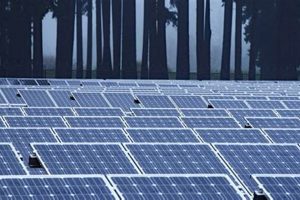
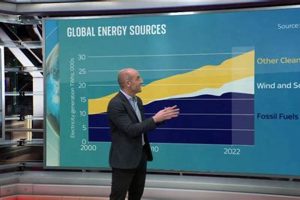
The nation’s strategy for transitioning to sustainable power sources encompasses a range of initiatives and targets aimed at diversifying the energy mix and reducing reliance on fossil fuels. This involves promoting investments in solar, wind, and hydropower projects, as well as developing the necessary infrastructure and regulatory frameworks to support these technologies. For instance, large-scale solar installations in the Western Desert and wind farms along the Red Sea coast exemplify practical implementations of this strategic direction.
A shift toward sustainable power generation holds significant promise for enhancing energy security, mitigating climate change impacts, and stimulating economic growth. Historically, the country’s energy landscape has been dominated by fossil fuels. However, recognizing the long-term environmental and economic benefits of diversification, the government has made substantial commitments to integrating renewables into the national grid. This transition is crucial not only for meeting growing domestic energy demands but also for contributing to global sustainability efforts.
This exploration will further delve into specific programs, targets, and challenges associated with this national energy transition, providing a detailed analysis of its current status, future prospects, and overall impact on the country’s sustainable development pathway. Key areas of focus will include the role of international collaborations, technological advancements, and policy adjustments in driving progress toward a cleaner and more secure energy future.
Tips for Understanding the National Energy Transition
Navigating the complexities of a national shift towards renewable energy requires a grasp of key aspects driving this transformative process. The following tips offer valuable insights into understanding the ongoing evolution of the energy landscape.
Tip 1: Research Feed-in Tariffs: Investigate the government’s feed-in tariff system, which incentivizes private sector investment in renewable energy projects by guaranteeing a fixed price for the electricity generated and fed into the national grid.
Tip 2: Explore Net Metering Policies: Understand how net metering allows individuals and businesses generating their own renewable energy to offset their consumption from the grid, further promoting distributed generation.
Tip 3: Analyze Renewable Energy Targets: Examine the nation’s ambitious renewable energy targets, including the percentage of electricity generation to be sourced from renewables by specific dates, and how these goals are being pursued.
Tip 4: Investigate International Partnerships: Explore collaborations with international organizations and other countries, focusing on knowledge transfer, technology development, and financial support for renewable energy projects.
Tip 5: Understand Regulatory Frameworks: Familiarize oneself with the evolving regulatory environment governing renewable energy development, including licensing procedures, grid connection requirements, and environmental impact assessments.
Tip 6: Follow Technological Advancements: Stay updated on the latest technological advancements in solar, wind, and other renewable energy technologies, as these innovations play a crucial role in driving down costs and improving efficiency.
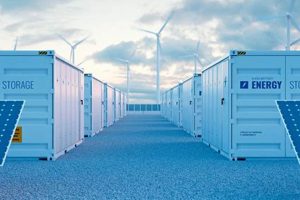
Tip 7: Consider Energy Storage Solutions: Research the role of energy storage technologies, such as batteries and pumped hydro, in addressing the intermittency challenges associated with renewable energy sources and ensuring grid stability.
Gaining insights into these key areas will provide a comprehensive understanding of the national commitment to sustainable energy and its implications for economic development, environmental protection, and future energy security.
These considerations form a basis for further exploration into the specific policies, programs, and challenges shaping the future of the national energy sector and its contribution to global sustainability efforts.
1. Targets
Ambitious targets are central to the national renewable energy policy, providing a roadmap for the country’s transition to sustainable power. These targets, often expressed as a percentage of electricity generation from renewable sources by a specific date, serve as key drivers for policy implementation and investment decisions. For instance, the goal of generating 42% of electricity from renewables by 2035 creates a clear imperative for action and mobilizes resources towards achieving this objective. This target-driven approach ensures a long-term commitment to sustainable development and provides a measurable benchmark for progress.
The establishment of clear targets fosters a conducive environment for investment in renewable energy infrastructure. By signaling the government’s commitment to a sustainable energy future, these targets encourage private sector participation and attract international funding. This, in turn, leads to the development of large-scale projects, such as wind farms along the Red Sea coast and solar power plants in the Western Desert, accelerating the integration of renewables into the national grid. The impact of these targets extends beyond the energy sector, contributing to job creation, technological advancement, and improved air quality.
The success of the national renewable energy policy hinges on the effective implementation of strategies designed to meet these ambitious targets. This requires ongoing policy adjustments, continuous monitoring of progress, and a commitment to overcoming challenges such as grid integration and energy storage. Achieving these targets not only contributes to national energy security and economic growth but also positions the country as a leader in the global transition to a sustainable energy future. The pursuit of these objectives represents a significant step towards mitigating climate change impacts and ensuring a cleaner and more secure energy landscape for generations to come.
2. Investments

Financial commitment plays a crucial role in the national renewable energy policy, driving the development and deployment of sustainable power technologies. Investment acts as a catalyst for the transition, translating policy objectives into tangible projects and infrastructure. Understanding the different facets of investment within this policy framework is essential for assessing its effectiveness and long-term impact.
- Foreign Direct Investment (FDI)
FDI is a significant source of funding for renewable energy projects, bringing in capital, expertise, and technology from international partners. For example, investments from companies like ACWA Power and EDF Renewables have supported the construction of large-scale solar and wind farms. FDI not only accelerates the deployment of renewable energy infrastructure but also stimulates economic growth and job creation.
- Public-Private Partnerships (PPPs)
PPPs leverage the strengths of both the public and private sectors to facilitate investment in renewable energy. The government provides enabling frameworks and incentives, while private companies bring in financial and technical expertise. The development of the Benban Solar Park, one of the world’s largest solar installations, stands as a testament to the effectiveness of PPPs in driving renewable energy projects.
- Domestic Investment
Mobilizing domestic capital is essential for sustaining long-term growth in the renewable energy sector. Government policies encouraging local investment, such as tax incentives and streamlined permitting processes, can create a favorable environment for domestic companies to participate in the energy transition. This not only strengthens local industries but also ensures broader economic benefits within the country.
- Green Bonds
Green bonds provide a mechanism for raising capital specifically for environmentally friendly projects, including renewable energy installations. The issuance of green bonds by the government and private sector entities channels investments towards sustainable development initiatives, contributing to the overall growth of the renewable energy sector. These bonds offer investors an opportunity to support sustainable development while earning a return on their investment.
These investment streams collectively contribute to the growth of the renewable energy sector. By attracting both domestic and international capital, fostering public-private partnerships, and utilizing innovative financing mechanisms, the nation creates a dynamic environment for sustainable development. This multifaceted approach ensures that the policy objectives translate into tangible progress toward a cleaner and more secure energy future.
3. Regulations

Regulations form the backbone of the national renewable energy policy, providing the necessary framework for its successful implementation. A well-defined regulatory environment is crucial for attracting investment, ensuring project feasibility, and promoting sustainable development within the energy sector. The regulatory landscape encompasses various aspects, including licensing procedures, grid connection requirements, and environmental impact assessments. Clear and consistent regulations provide certainty for investors, streamline project development, and mitigate potential risks.
The effectiveness of regulations in promoting renewable energy adoption can be seen in the growth of solar and wind power projects. Streamlined licensing procedures, for example, can significantly reduce the time and cost associated with project development, making investments more attractive. Similarly, clear grid connection regulations facilitate the integration of renewable energy sources into the national grid, ensuring efficient power distribution. Furthermore, environmental impact assessments ensure that projects adhere to sustainability standards, minimizing their environmental footprint. The regulatory framework also addresses issues such as land acquisition, power purchase agreements, and dispute resolution mechanisms, providing a comprehensive legal and administrative structure for the renewable energy sector.
A robust and adaptable regulatory framework is essential for navigating the evolving challenges and opportunities within the renewable energy landscape. As technology advances and market dynamics shift, regulations must be updated to reflect these changes and ensure continued progress towards national renewable energy targets. Addressing challenges such as grid stability, energy storage, and the integration of distributed generation requires ongoing regulatory adjustments. The success of the national renewable energy policy hinges on the ability of the regulatory framework to foster innovation, attract investment, and ensure a sustainable and secure energy future.
4. Infrastructure

Robust infrastructure is a cornerstone of Egypt’s renewable energy policy, essential for harnessing the full potential of sustainable power sources. A well-developed infrastructure network facilitates the integration of renewable energy into the national grid, ensuring efficient transmission and distribution of electricity. This involves not only physical infrastructure like transmission lines and substations but also the development of supportive systems and technologies that enhance grid stability and reliability. Investment in and modernization of this infrastructure are critical for achieving national renewable energy targets and ensuring a secure and sustainable energy future.
- Transmission Networks
Upgrading and expanding transmission networks are vital for transporting electricity generated from renewable energy sources, often located in remote areas, to population centers. The development of high-voltage direct current (HVDC) lines, for example, allows for efficient long-distance transmission, facilitating the integration of large-scale solar and wind farms in the Western Desert and along the Red Sea coast into the national grid.
- Grid Modernization
Modernizing the electricity grid through smart grid technologies enhances its ability to manage the intermittent nature of renewable energy sources. Smart grids utilize digital technologies to optimize grid performance, enabling real-time monitoring, demand-side management, and improved integration of distributed generation. This enhances grid stability and reliability, accommodating the fluctuating power supply from solar and wind installations.
- Substation Development
Substations play a critical role in stepping up or stepping down voltage levels for efficient electricity transmission and distribution. Investing in new substations and upgrading existing ones is essential for accommodating the increased power flow from renewable energy sources and ensuring reliable electricity supply to consumers. Strategic placement of substations near renewable energy generation sites minimizes transmission losses and improves grid efficiency.
- Energy Storage Solutions
Developing energy storage solutions is crucial for addressing the intermittency challenges associated with renewable energy. Technologies such as pumped hydro storage and battery storage systems can store excess energy generated during peak production periods and release it when needed, ensuring a stable and continuous power supply. Integrating energy storage into the grid enhances the reliability of renewable energy and reduces reliance on conventional power plants.
These infrastructure developments form the backbone of Egypt’s transition to a sustainable energy future. By investing in robust transmission networks, modernizing the grid, developing essential substations, and incorporating energy storage solutions, the nation lays the groundwork for effectively integrating renewable energy into the national energy mix. This comprehensive approach to infrastructure development not only supports the achievement of renewable energy targets but also enhances energy security, reduces reliance on fossil fuels, and contributes to economic growth.
5. International Cooperation
International cooperation plays a vital role in advancing Egypt’s renewable energy policy, providing access to crucial resources, expertise, and technologies. Collaborations with international organizations, development banks, and other countries facilitate knowledge sharing, capacity building, and financial support, accelerating the country’s transition to a sustainable energy future. These partnerships are instrumental in overcoming technical barriers, attracting investments, and implementing best practices in renewable energy development. For instance, collaborations with the European Bank for Reconstruction and Development (EBRD) and the International Finance Corporation (IFC) have facilitated funding for large-scale renewable energy projects, while partnerships with countries like Germany and Denmark have fostered technological exchange and capacity building initiatives.
The practical significance of international cooperation is evident in the development of key renewable energy projects across Egypt. The Benban Solar Park, one of the world’s largest solar installations, benefited significantly from international partnerships, attracting investments and expertise from various global players. Similarly, collaborations with international organizations have supported the development of wind energy projects along the Red Sea coast, leveraging global expertise in wind turbine technology and project management. These partnerships not only contribute to the growth of the renewable energy sector but also foster economic development, create job opportunities, and enhance energy security.
International cooperation remains essential for navigating the complexities of the renewable energy transition. As Egypt strives to achieve its ambitious renewable energy targets, continued collaboration with international partners will be crucial for accessing advanced technologies, securing financing, and building local capacity. Addressing challenges such as grid integration, energy storage, and regulatory frameworks requires collaborative efforts and knowledge sharing. These partnerships contribute significantly to Egypt’s sustainable development goals, mitigating climate change impacts, and fostering a cleaner and more secure energy future for the nation.
Frequently Asked Questions
This section addresses common inquiries regarding the national renewable energy strategy, providing concise and informative responses.
Question 1: What is the primary objective of the national renewable energy policy?
The core objective is to diversify the energy mix and reduce reliance on fossil fuels, enhancing energy security and mitigating climate change impacts.
Question 2: What specific targets has the government set for renewable energy generation?
The nation aims to generate 42% of its electricity from renewable sources by 2035, with further aspirations for increased contributions in the following years.
Question 3: What types of renewable energy technologies are being prioritized?
The policy emphasizes solar, wind, and hydropower, leveraging the country’s abundant resources in these areas. Exploration of other renewable sources is also underway.
Question 4: How is the government attracting investment in renewable energy projects?
Attracting investment involves a combination of feed-in tariffs, net metering policies, tax incentives, and public-private partnerships to create a favorable environment for both domestic and foreign investors.
Question 5: What are the key challenges to implementing the renewable energy policy?
Challenges include grid integration of intermittent renewable sources, developing adequate energy storage solutions, and ensuring a stable regulatory environment. Addressing these challenges is crucial for successful implementation.
Question 6: How does the renewable energy policy contribute to sustainable development?
The policy contributes to sustainable development by reducing greenhouse gas emissions, improving air quality, creating job opportunities, and enhancing energy independence. It aligns with broader national goals for economic growth and environmental protection.
Understanding these key aspects provides a comprehensive overview of the national renewable energy policy and its implications for the future of the country’s energy landscape. Further exploration of specific projects, regulatory frameworks, and technological advancements can offer deeper insights into this evolving sector.
The following sections will delve into specific case studies, highlighting successful renewable energy projects and exploring the future prospects of the national energy transition.
Conclusion
Egypt’s renewable energy policy represents a significant commitment to transforming the nation’s energy landscape. The strategy, encompassing ambitious targets, substantial investments, and supportive regulatory frameworks, aims to diversify the energy mix and reduce reliance on fossil fuels. Exploration of this policy reveals a multifaceted approach, encompassing grid modernization, infrastructure development, and international collaborations, all working in concert to achieve a sustainable energy future. The pursuit of these objectives underscores the nation’s dedication to mitigating climate change impacts, enhancing energy security, and driving economic growth through sustainable development.
The long-term success of this policy hinges on continuous adaptation to technological advancements, ongoing policy adjustments, and sustained commitment to international partnerships. The transition to a cleaner energy future requires persistent efforts to address challenges such as grid integration and energy storage, ensuring the reliability and affordability of renewable energy sources. The trajectory of Egypt’s renewable energy policy holds substantial implications not only for the nation’s own development but also for regional and global efforts to combat climate change and build a sustainable energy future for all. Continued progress in this area will be crucial for achieving long-term environmental and economic prosperity.