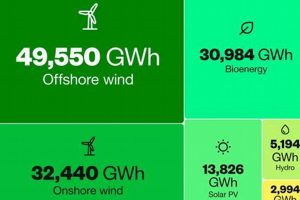
Bioenergy derived from sustainable biomass sources offers a pathway to displace fossil fuels. For instance, dedicated energy crops, agricultural residues, and sustainably managed forests can be converted into biofuels, biogas, and biopower. This approach can create a closed carbon cycle, where the carbon dioxide released during energy production is offset by the carbon absorbed during biomass growth.
Renewable energy sources using biomass offer several advantages. They can reduce greenhouse gas emissions compared to fossil fuels, contribute to energy security by diversifying energy supplies, and stimulate rural economies by creating jobs in biomass production and processing. Historically, biomass has been a primary energy source, and modern technologies are now enhancing its efficiency and sustainability. Furthermore, bioenergy can be integrated into existing energy infrastructure, facilitating a smoother transition away from fossil fuels.
This article will further explore the various forms of bioenergy, their environmental and economic impacts, and the technological advancements driving innovation in this crucial sector. It will also address the sustainability challenges and policy frameworks necessary for responsible bioenergy development.
Tips for Supporting Sustainable Bioenergy
Promoting responsible bioenergy development requires careful consideration of several factors. The following tips offer guidance for supporting sustainable practices within the bioenergy sector.
Tip 1: Source Biomass Responsibly: Ensure biomass feedstocks originate from sustainable sources. Supporting certified sustainable forestry and agriculture practices helps prevent deforestation, biodiversity loss, and soil degradation.
Tip 2: Optimize Energy Conversion Processes: Employ efficient conversion technologies to maximize energy output while minimizing waste and emissions. Advanced biorefineries, for example, can extract multiple products from biomass, increasing overall resource utilization.
Tip 3: Prioritize Local and Regional Biomass Resources: Utilizing locally sourced biomass reduces transportation costs and emissions while supporting local economies. This approach can also enhance energy security by decreasing reliance on imported fuels.
Tip 4: Integrate Bioenergy with Other Renewable Sources: Combining bioenergy with other renewable energy technologies, such as solar and wind power, creates a more resilient and diversified energy system. This integrated approach can enhance grid stability and reliability.
Tip 5: Support Research and Development: Continued investment in research and development is crucial for advancing bioenergy technologies and improving their sustainability. Exploring innovative approaches to biomass production and conversion can further enhance the environmental and economic benefits of bioenergy.
Tip 6: Advocate for Supportive Policies: Policies that incentivize sustainable bioenergy production and use are essential for driving market growth and ensuring environmental protection. These policies can include carbon pricing mechanisms, renewable energy mandates, and sustainable forestry regulations.
Tip 7: Consider Lifecycle Impacts: Evaluate the full lifecycle environmental impacts of bioenergy systems, from feedstock production to energy conversion and waste management. This comprehensive assessment can help identify potential environmental trade-offs and guide sustainable decision-making.
By adhering to these guidelines, individuals, businesses, and policymakers can contribute to the responsible development and deployment of bioenergy, maximizing its potential to mitigate climate change and enhance energy security.
This discussion on practical implementation strategies provides a foundation for the concluding remarks on the future of bioenergy and its role in a sustainable energy landscape.
1. Sustainable Biomass Sourcing

Sustainable biomass sourcing is the cornerstone of genuine carbon-renewable energy systems. Without responsible sourcing, the environmental benefits of bioenergy diminish significantly, potentially leading to adverse consequences such as deforestation, habitat loss, and increased greenhouse gas emissions. Securing sustainable biomass is therefore crucial for maximizing the positive impact of bioenergy on climate change mitigation and overall environmental sustainability.
- Dedicated Energy Crops:
Cultivating dedicated energy crops on marginal lands unsuitable for food production offers a promising pathway for sustainable biomass acquisition. Examples include fast-growing grasses like switchgrass and miscanthus. This approach minimizes competition with food crops and can even enhance soil health and carbon sequestration. However, careful consideration of water usage and potential biodiversity impacts is necessary.
- Agricultural Residues:
Utilizing agricultural residues, such as corn stover and wheat straw, presents a valuable opportunity to valorize waste materials and reduce reliance on purpose-grown biomass. This strategy can minimize land-use change and improve agricultural efficiency. However, ensuring sufficient residue remains on fields for soil health is essential. Additionally, efficient collection and transportation logistics are crucial for economic viability.
- Sustainably Managed Forests:
Wood from sustainably managed forests can provide a reliable source of biomass for energy generation. Sustainable forestry practices ensure forest regeneration and biodiversity conservation. However, careful monitoring and enforcement of sustainable logging practices are essential to prevent deforestation and habitat degradation. Furthermore, the carbon sequestration potential of forests must be considered when assessing the overall carbon impact of using wood for bioenergy.
- Algae Cultivation:
Algae cultivation offers a potentially high-yield source of biomass for biofuel production without requiring arable land. Algae can be grown in wastewater or saltwater, minimizing freshwater consumption. Furthermore, algae can absorb carbon dioxide from the atmosphere or industrial sources, further reducing greenhouse gas emissions. However, scaling up algae cultivation to commercially viable levels presents technological and economic challenges.
The sustainability of biomass sourcing directly influences the overall environmental performance of carbon-renewable energy systems. By prioritizing responsible sourcing practices and considering the specific environmental and social contexts of each biomass source, the potential of bioenergy to contribute to a sustainable energy future can be fully realized. Failing to address these considerations undermines the very purpose of transitioning to renewable energy sources and risks exacerbating existing environmental challenges.
2. Efficient Conversion Technologies

Efficient conversion technologies are essential for maximizing the environmental and economic benefits of carbon-renewable energy systems. These technologies determine the effectiveness of transforming biomass feedstocks into usable energy forms, directly influencing the overall sustainability and viability of bioenergy. Optimizing conversion processes minimizes waste, reduces emissions, and enhances the overall energy yield, contributing significantly to the transition towards a sustainable energy future.
- Thermochemical Conversion:
Thermochemical processes use heat to convert biomass into energy. Examples include combustion, gasification, and pyrolysis. Combustion directly burns biomass to generate heat and electricity. Gasification converts biomass into a synthesis gas (syngas) that can be used for electricity generation, biofuel production, or as a chemical feedstock. Pyrolysis decomposes biomass in the absence of oxygen, producing bio-oil, biochar, and syngas. The efficiency of these processes directly impacts the net energy gain and greenhouse gas emissions of bioenergy systems. Advanced thermochemical technologies, such as combined heat and power (CHP) systems, can significantly improve overall energy efficiency.
- Biochemical Conversion:
Biochemical conversion utilizes biological processes, such as anaerobic digestion and fermentation, to transform biomass into biofuels and other valuable products. Anaerobic digestion breaks down organic matter in the absence of oxygen, producing biogas, primarily composed of methane and carbon dioxide. Biogas can be used for heating, electricity generation, or upgraded to biomethane for vehicle fuel. Fermentation converts sugars derived from biomass into bioethanol, a liquid biofuel. The efficiency of these processes depends on factors such as feedstock composition, microbial activity, and process optimization.
- Advanced Biorefineries:
Advanced biorefineries represent a holistic approach to biomass conversion, integrating multiple conversion technologies to extract a range of valuable products from a single biomass feedstock. This approach maximizes resource utilization and minimizes waste generation. For instance, a biorefinery might combine thermochemical and biochemical processes to produce biofuels, bio-based chemicals, and biomaterials from wood residues. This integrated approach enhances the economic viability and environmental sustainability of bioenergy systems.
- Pre-treatment Technologies:
Pre-treatment technologies play a crucial role in enhancing the efficiency of biomass conversion processes. These technologies prepare biomass for conversion by physically, chemically, or biologically modifying its structure and composition. For example, mechanical pre-treatment, such as grinding or chipping, increases the surface area of biomass, making it more accessible for enzymatic or microbial breakdown. Pre-treatment technologies can significantly improve the yield and quality of biofuels and other bio-based products.
The continued development and implementation of efficient conversion technologies are essential for realizing the full potential of carbon-renewable energy. By optimizing these processes, the environmental and economic benefits of bioenergy can be maximized, accelerating the transition towards a sustainable and secure energy future. Advances in these technologies directly contribute to reducing reliance on fossil fuels, mitigating climate change, and promoting a circular bioeconomy.
3. Reduced Greenhouse Gas Emissions

Reduced greenhouse gas emissions represent a central objective in the transition to sustainable energy systems. Carbon-renewable energy, specifically bioenergy derived from sustainable biomass sources, offers a pathway to achieve this objective by displacing fossil fuels and creating a closed carbon cycle. The extent of greenhouse gas reduction achievable through bioenergy depends on several interconnected factors, including biomass sourcing, conversion technologies, and lifecycle emissions considerations. A comprehensive understanding of these factors is crucial for accurately assessing the climate change mitigation potential of bioenergy.
- Biomass Sourcing and Land Use Change:
The source of biomass significantly influences the net greenhouse gas emissions of bioenergy systems. Utilizing sustainable forestry practices and agricultural residues minimizes land use change and associated emissions. Conversely, converting natural ecosystems, such as forests or grasslands, for bioenergy feedstock production can lead to substantial carbon dioxide release, potentially negating the climate benefits of bioenergy. Careful consideration of land use change emissions is therefore paramount in assessing the overall climate impact of bioenergy.
- Conversion Technology Efficiency:
The efficiency of biomass conversion technologies directly impacts greenhouse gas emissions. Efficient conversion processes minimize energy input requirements and reduce waste generation, lowering overall lifecycle emissions. For example, advanced biorefineries that integrate multiple conversion processes and utilize waste heat can significantly improve the carbon footprint of bioenergy compared to less efficient conventional technologies.
- Lifecycle Emissions Considerations:
A comprehensive lifecycle assessment is essential for accurately quantifying the greenhouse gas emissions associated with bioenergy. This assessment considers emissions from all stages of the bioenergy supply chain, including feedstock production, transportation, conversion, and waste management. Factors such as fertilizer use in biomass cultivation, transportation distances, and the disposal of byproducts can contribute to overall emissions. A lifecycle perspective ensures a complete and accurate evaluation of the climate impact of bioenergy.
- Comparison with Fossil Fuels:
Comparing the greenhouse gas emissions of bioenergy systems with those of fossil fuel-based energy generation provides a crucial benchmark for evaluating the climate benefits. While sustainably produced bioenergy can offer significant emissions reductions compared to fossil fuels, the specific magnitude of these reductions varies depending on the factors mentioned above. Rigorous comparisons based on lifecycle assessments are essential for informing policy decisions and promoting the most effective climate change mitigation strategies.
The potential of carbon-renewable energy to contribute to reduced greenhouse gas emissions hinges on careful consideration of biomass sourcing, conversion technologies, and lifecycle emissions. By prioritizing sustainable practices throughout the bioenergy supply chain, the climate benefits can be maximized, contributing significantly to global climate change mitigation efforts. Ignoring these critical factors risks undermining the environmental benefits of bioenergy and potentially exacerbating climate change. A comprehensive and nuanced approach is therefore crucial for effectively integrating bioenergy into a sustainable energy future.
4. Enhanced Energy Security

Enhanced energy security is a critical driver and potential outcome of transitioning to carbon-renewable energy systems. Reliance on finite fossil fuel resources exposes nations to price volatility, supply disruptions, and geopolitical instability. Diversifying energy portfolios with domestically sourced renewable biomass reduces dependence on these volatile resources, bolstering national energy independence and resilience. This shift towards decentralized, renewable energy production diminishes vulnerability to external shocks, enhances control over energy supply, and fosters greater energy autonomy.
The distributed nature of bioenergy production further strengthens energy security. Unlike centralized fossil fuel power plants, bioenergy facilities can be deployed across various regions, utilizing local biomass resources. This decentralized approach reduces the risk of widespread outages due to localized disruptions, creating a more robust and resilient energy infrastructure. For instance, rural communities can leverage agricultural residues to generate their own power, reducing reliance on distant, centralized power grids and enhancing local energy independence. Furthermore, diversifying energy sources through bioenergy integration creates a more flexible and adaptable energy system, better equipped to respond to changing energy demands and external pressures.
Realizing the energy security benefits of carbon-renewable energy necessitates supportive policies and infrastructure development. Incentivizing sustainable biomass production, promoting efficient conversion technologies, and streamlining permitting processes are essential for fostering a thriving bioenergy sector. Strategic investments in research and development can further unlock the potential of bioenergy to enhance energy security, driving innovation in biomass processing, biofuel production, and grid integration. However, achieving true energy security through bioenergy also requires careful consideration of environmental sustainability, ensuring that biomass sourcing and conversion practices do not exacerbate other environmental challenges such as deforestation or water scarcity. Balancing energy security objectives with environmental sustainability is paramount for a truly secure and resilient energy future.
5. Closed Carbon Cycle

The concept of a closed carbon cycle is fundamental to the definition of truly carbon-renewable energy. Unlike fossil fuels, which release carbon sequestered over millennia, sustainable bioenergy operates within a closed loop. Biomass feedstocks absorb atmospheric carbon dioxide during growth. When this biomass is converted into energy, the carbon is released back into the atmosphere. In a closed-loop system, the amount of carbon released during energy production ideally equals the amount absorbed during biomass growth, resulting in a near-neutral carbon footprint. This cyclical exchange contrasts sharply with the linear carbon flow of fossil fuels, where carbon extraction and combustion add to the atmospheric carbon pool, contributing to climate change. Dedicated energy crops, such as switchgrass, exemplify this closed-loop system, absorbing carbon during growth and releasing it upon combustion for energy production, thereby maintaining a relative balance.
Maintaining this delicate balance requires careful management of the entire bioenergy supply chain. Sustainable land management practices are essential to ensure that biomass production does not lead to deforestation or soil degradation, which can release significant amounts of stored carbon. Efficient conversion technologies also play a crucial role by maximizing the energy output from biomass while minimizing process emissions. Transportation of biomass feedstocks and the management of byproducts and residues also contribute to the overall carbon footprint and must be optimized to maintain a closed-loop system. For example, utilizing local biomass resources reduces transportation emissions, contributing to a more closed carbon cycle. Furthermore, converting agricultural residues into bioenergy not only avoids open burning, which releases greenhouse gases, but also provides a productive use for these materials, further contributing to a closed loop.
Achieving a truly closed carbon cycle in bioenergy systems presents practical challenges. While the ideal scenario involves a perfect balance between carbon uptake and release, various factors can influence this balance. Soil carbon sequestration rates can vary depending on land management practices, and conversion technologies inevitably involve some degree of energy input and emissions. Therefore, continuous monitoring and refinement of bioenergy practices are necessary to minimize deviations from a closed-loop system. Addressing these challenges through rigorous lifecycle assessments, technological advancements, and supportive policy frameworks is crucial for realizing the full potential of carbon-renewable energy to mitigate climate change and contribute to a sustainable energy future. Understanding the complexities of the carbon cycle and its implications for bioenergy is essential for making informed decisions regarding sustainable energy development and deployment.
Frequently Asked Questions about Carbon-Renewable Energy
The following addresses common inquiries regarding carbon-renewable energy systems, focusing on their environmental impact, economic viability, and role in the broader energy transition.
Question 1: How does carbon-renewable energy differ from other renewable energy sources?
Carbon-renewable energy, primarily derived from biomass, differs from other renewables like solar and wind by utilizing organic matter as its energy source. While solar and wind harness energy directly from natural processes, bioenergy involves converting stored chemical energy in biomass into usable forms like heat, electricity, or biofuels. This distinction introduces unique considerations regarding land use, resource management, and potential environmental impacts.
Question 2: Is carbon-renewable energy truly carbon neutral?
The carbon neutrality of bioenergy depends critically on sustainable biomass sourcing and efficient conversion processes. When biomass is grown and harvested responsibly, the carbon released during energy production is offset by the carbon absorbed during biomass growth, resulting in a near-neutral carbon balance. However, unsustainable practices like deforestation or inefficient conversion technologies can lead to net carbon emissions, negating the climate benefits.
Question 3: What are the potential environmental impacts of carbon-renewable energy?
Environmental impacts vary depending on the specific biomass source and conversion methods. Sustainable practices minimize impacts, potentially offering benefits like improved soil health and reduced reliance on fertilizers. However, unsustainable biomass sourcing can contribute to deforestation, habitat loss, and soil degradation. Careful lifecycle assessments are essential to evaluate the full environmental impact of bioenergy systems.
Question 4: What role can carbon-renewable energy play in enhancing energy security?
By diversifying energy sources and reducing reliance on imported fossil fuels, carbon-renewable energy enhances energy independence. Utilizing domestically sourced biomass provides a secure and reliable energy supply, mitigating vulnerability to global price fluctuations and geopolitical instability. Decentralized bioenergy production further enhances grid resilience and reduces the risk of widespread outages.
Question 5: What are the economic considerations associated with carbon-renewable energy development?
Economic viability depends on factors like biomass availability, conversion technology costs, and market prices for bioenergy products. Supportive policies, such as carbon pricing mechanisms and renewable energy mandates, can incentivize investment and market growth. Bioenergy can also stimulate rural economies by creating jobs in biomass production, processing, and transportation.
Question 6: What are the key challenges and opportunities for the future of carbon-renewable energy?
Balancing the demand for bioenergy with the need for sustainable land use and food production presents a significant challenge. Technological advancements in efficient conversion technologies and sustainable biomass production are crucial for maximizing the environmental and economic benefits of bioenergy. Integrating bioenergy with other renewable sources offers opportunities for creating a more resilient and diversified energy system.
Addressing these questions and fostering a comprehensive understanding of carbon-renewable energy is essential for making informed decisions about its role in a sustainable energy future. Careful consideration of environmental, economic, and social factors is crucial for maximizing the benefits and minimizing the potential risks of bioenergy development.
This FAQ section serves as a prelude to a deeper exploration of specific bioenergy technologies and their applications in various sectors.
Conclusion
This exploration of bioenergy, derived from sustainable biomass, has highlighted its potential to contribute significantly to a decarbonized energy future. From the responsible sourcing of feedstocks to the efficient conversion technologies employed, the emphasis has remained on maximizing environmental benefits while ensuring economic viability. The examination of reduced greenhouse gas emissions, enhanced energy security, and the pursuit of a closed carbon cycle underscores the multifaceted nature of bioenergy’s role in the global energy transition. Furthermore, addressing the complexities and challenges associated with sustainable biomass sourcing, efficient conversion technologies, and lifecycle emissions considerations is crucial for realizing the full potential of bioenergy. The discussion of enhanced energy security through diversified energy portfolios and decentralized production models underscores the strategic importance of bioenergy in bolstering national energy independence and resilience.
The future of bioenergy hinges on continued innovation, sustainable practices, and supportive policy frameworks. Investing in research and development to optimize conversion technologies and explore new biomass sources is essential. Promoting sustainable land management practices and responsible forestry ensures the long-term viability of bioenergy systems. Policymakers, industry stakeholders, and researchers must collaborate to create an enabling environment for bioenergy to flourish, recognizing its crucial role in mitigating climate change and achieving a secure and sustainable energy future. The transition to a truly sustainable energy landscape requires a multifaceted approach, and bioenergy, when developed responsibly, offers a valuable pathway towards this goal.