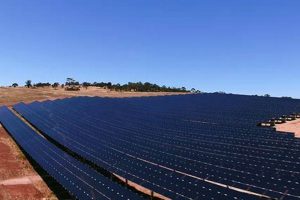
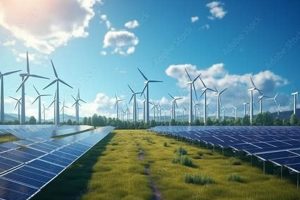
Storing electricity and generating it from sustainable sources are complementary technologies. Storing generated power allows for consistent delivery, even when natural resources like sunlight and wind are unavailable. For example, solar power generated during peak sunlight hours can be stored in batteries and used to power homes at night. This combination enables a transition away from fossil fuels and toward a more sustainable energy landscape.
A reliable and constant power supply is crucial for modern society. Historically, this reliability has been achieved through fossil fuels, but these resources are finite and contribute to environmental problems. Sustainable generation combined with effective storage offers a path to decarbonizing the energy sector, reducing reliance on these fuels, and mitigating climate change. The ability to store renewably generated electricity addresses the intermittency challenge, making it a viable alternative to traditional power generation methods.
This interconnectedness creates a foundation for exploring specific storage technologies, such as pumped hydro, batteries, and thermal storage, as well as diverse renewable generation methods like solar, wind, hydro, and geothermal. Further examination will illuminate the technical aspects, economic viability, and environmental impacts of these solutions.
Tips for Implementing Sustainable Energy Solutions
Integrating sustainable electricity generation and storage requires careful planning and execution. The following tips offer guidance for maximizing the benefits of these technologies.
Tip 1: Conduct a Thorough Energy Assessment: Evaluate current energy consumption patterns to identify areas for improvement and determine the most suitable renewable energy sources and storage solutions.
Tip 2: Explore Available Incentives and Policies: Research government incentives, rebates, and tax credits available for renewable energy installations and storage systems to optimize project financing.
Tip 3: Prioritize Energy Efficiency Measures: Implement energy-saving practices, such as using energy-efficient appliances and optimizing building insulation, to reduce overall energy demand.
Tip 4: Consider Scalability and Future Needs: Design systems with future expansion in mind to accommodate increasing energy demands and technological advancements.
Tip 5: Research Reputable Installers and Suppliers: Choose qualified and experienced professionals for system installation and maintenance to ensure optimal performance and safety.
Tip 6: Understand System Maintenance Requirements: Establish a regular maintenance schedule to maximize system lifespan and efficiency.
Tip 7: Monitor System Performance: Track energy production, consumption, and storage levels to identify potential issues and optimize system operation.
Adopting these practices allows for a more effective and sustainable energy approach, maximizing both economic and environmental benefits.
Careful planning and execution are essential for successful implementation. Further investigation into specific technologies and local regulations will facilitate informed decision-making.
1. Grid Stability

Maintaining a stable electricity grid is paramount for reliable power delivery. Integrating variable renewable energy sources, such as solar and wind, presents challenges to grid stability due to their intermittent nature. Energy storage technologies play a critical role in addressing these challenges and ensuring a balanced and reliable electricity supply.
- Frequency Regulation
Fluctuations in electricity generation can cause deviations in grid frequency. Energy storage systems can rapidly respond to these fluctuations, injecting or withdrawing power to maintain the required frequency range. For instance, batteries can discharge stored energy within milliseconds to compensate for a sudden drop in wind power, preventing system instability. This rapid response capability is crucial for maintaining grid stability in the presence of variable renewable generation.
- Peak Shaving and Load Shifting
Energy storage can manage peak demand periods by discharging stored energy when electricity consumption is high. This reduces strain on the grid and avoids the need for expensive and often less environmentally friendly peaking power plants. Shifting energy consumption to off-peak hours further optimizes grid resource utilization and minimizes the need for new generation capacity. Pumped hydro storage, for example, can store excess energy generated during low-demand periods and release it during peak hours.
- Voltage Support
Maintaining voltage within acceptable limits is essential for grid stability. Energy storage can provide voltage support by injecting reactive power into the grid, stabilizing voltage levels during periods of high demand or when voltage fluctuations occur. This capability is particularly important in areas with high penetration of distributed renewable energy resources, such as rooftop solar panels, which can impact local voltage levels.
- Black Start Capability
In the event of a blackout, certain energy storage technologies can provide black start capabilities, enabling the grid to be restarted without relying on traditional power plants. This enhances grid resilience and minimizes downtime after a grid disturbance. Microgrids incorporating battery storage, for example, can operate independently and provide essential services during outages.
These facets of grid stability highlight the vital role energy storage plays in enabling the seamless integration of renewable energy sources. By addressing frequency regulation, peak demand, voltage support, and black start capabilities, energy storage technologies contribute to a more reliable, resilient, and sustainable electricity grid. This integration is essential for realizing a future powered by clean energy while ensuring the stability and reliability of the power supply.
2. Cost Reduction

Minimizing expenses associated with electricity generation, distribution, and consumption is a primary driver for adopting sustainable energy solutions. Integrating energy storage with renewable energy sources presents significant opportunities for cost reduction across various sectors.
- Reduced Reliance on Fossil Fuels
Renewable energy sources, coupled with energy storage, decrease dependence on volatile fossil fuel markets. This price stability translates to predictable energy costs for consumers and businesses, shielding them from fluctuating fuel prices. For example, a manufacturing facility powered by on-site solar panels and battery storage can significantly reduce its reliance on grid electricity, mitigating exposure to fluctuating electricity prices.
- Lower Electricity Bills
Storing excess renewable energy generated during off-peak hours allows consumers to utilize this stored energy during peak demand periods, reducing reliance on higher-priced grid electricity. This self-consumption of stored energy translates directly to lower electricity bills. Residential solar installations paired with battery storage exemplify this, allowing homeowners to use stored solar power during evenings when electricity rates are typically higher.
- Optimized Grid Infrastructure
Integrating energy storage reduces peak demand on the electricity grid. This, in turn, can defer or eliminate the need for costly grid upgrades, such as new transmission lines and substations. By strategically deploying energy storage resources, utilities can optimize grid infrastructure investments and minimize overall system costs. For instance, strategically placed battery storage systems can alleviate grid congestion, avoiding the need for expensive transmission upgrades.
- Decentralized Generation and Microgrids
Energy storage facilitates the development of decentralized generation and microgrids, reducing transmission and distribution losses associated with centralized power generation. Microgrids powered by renewable energy and energy storage can operate independently of the main grid, minimizing transmission costs and improving energy efficiency. Island communities or remote industrial sites can benefit from microgrids, reducing dependence on expensive fuel transportation and grid infrastructure.
These cost reduction benefits demonstrate the economic advantages of integrating energy storage with renewable energy sources. From reduced reliance on fossil fuels to optimized grid infrastructure, these technologies offer a pathway to a more sustainable and cost-effective energy future. As technology continues to advance and economies of scale are realized, the cost-saving potential of these integrated solutions will only become more pronounced, further accelerating the transition to a cleaner and more affordable energy landscape.
3. Emission Mitigation

Reducing greenhouse gas emissions is crucial for mitigating climate change. Integrating energy storage with renewable energy sources offers a significant pathway to decarbonizing the energy sector and achieving substantial emission reductions.
- Displacement of Fossil Fuel Power Plants
Renewable energy sources, coupled with energy storage, displace fossil fuel-based power generation, significantly reducing emissions of carbon dioxide, sulfur oxides, and nitrogen oxides. Replacing a coal-fired power plant with a solar farm and battery storage system, for instance, eliminates the emissions associated with coal combustion, resulting in cleaner air and a smaller carbon footprint. The scale of this displacement directly correlates with the reduction in harmful atmospheric pollutants.
- Transportation Sector Decarbonization
Energy storage plays a vital role in electrifying the transportation sector. Electric vehicles (EVs) powered by renewable energy and charged using stored electricity significantly reduce tailpipe emissions. Furthermore, storing renewable energy can support the electrification of public transportation systems, such as buses and trains, further contributing to transportation sector decarbonization. Widespread EV adoption, supported by renewable energy and storage, represents a substantial shift towards cleaner transportation.
- Industrial Process Emission Reductions
Integrating renewable energy and energy storage in industrial processes can reduce reliance on fossil fuels for heat and power generation. This can involve electrifying industrial processes, utilizing renewable-powered electric boilers, or implementing energy storage solutions to manage peak demand and optimize energy consumption. For example, a cement plant utilizing renewable energy and thermal storage can significantly reduce its reliance on fossil fuels, minimizing its environmental impact.
- Reduced Air Pollution
Transitioning to renewable energy sources and energy storage not only reduces greenhouse gas emissions but also minimizes air pollutants that contribute to respiratory problems and other health issues. This transition results in cleaner air and improved public health outcomes, particularly in urban areas with high concentrations of fossil fuel-based power generation. The localized impact of reduced air pollution contributes to healthier communities.
These facets of emission mitigation underscore the crucial role of integrating energy storage and renewable energy sources in combating climate change and improving air quality. By displacing fossil fuels, decarbonizing transportation, and reducing industrial emissions, these integrated solutions offer a pathway to a cleaner, healthier, and more sustainable future. Continued investment in these technologies and supportive policies will be essential for realizing their full emission reduction potential.
4. Energy Independence

Energy independence represents a nation’s or region’s capacity to meet its energy demands without relying on external sources. Developing robust energy storage capabilities, coupled with the utilization of renewable energy resources, plays a crucial role in achieving this independence. Renewable resources, unlike fossil fuels, are geographically distributed, offering opportunities for localized energy production and reducing reliance on imported energy. Storage solutions address the intermittency of renewable sources, enabling consistent energy availability regardless of weather patterns or time of day. This combination reduces vulnerability to geopolitical instability and fluctuating global energy markets.
Consider a nation heavily reliant on imported fossil fuels. Transitioning to a domestically sourced renewable energy infrastructure, supported by advanced energy storage technologies, reduces its dependence on foreign energy suppliers. This shift strengthens energy security, insulates the nation from price volatility in international markets, and enhances control over its energy future. For example, a remote island community can achieve energy independence by implementing a microgrid powered by solar and wind energy coupled with battery storage, eliminating reliance on imported diesel fuel.
The pursuit of energy independence through renewable resources and storage technologies carries significant implications for national security, economic stability, and environmental sustainability. While challenges remain in terms of infrastructure development and technological advancements, the benefits of localized energy production are undeniable. Decentralized energy systems enhance grid resilience, mitigate the impacts of large-scale outages, and foster community-level energy management. Continued investment and research in these areas are crucial for realizing a future characterized by secure, sustainable, and independent energy systems.
5. Resource Optimization
Resource optimization, in the context of energy storage and renewable energy systems, focuses on maximizing the utilization of available renewable resources while minimizing waste and environmental impact. This involves efficiently capturing, storing, and distributing renewable energy to meet demand effectively. A core aspect of this optimization lies in addressing the intermittent nature of renewable sources like solar and wind. Effective storage solutions enable the capture of surplus energy generated during periods of high resource availability (e.g., peak sunlight hours) and its subsequent deployment during periods of lower availability or higher demand. This time-shifting capability smooths out the fluctuations inherent in renewable energy generation, ensuring a consistent and reliable power supply. For instance, pumped hydro storage utilizes surplus renewable energy to pump water uphill, storing potential energy that can later be converted back into electricity when needed. This optimizes the use of both water and the renewable energy source.
Furthermore, resource optimization extends to grid management and infrastructure planning. Integrating energy storage allows for better utilization of existing grid infrastructure by reducing peak demand and minimizing the need for costly upgrades. Predictive modeling and smart grid technologies can further enhance resource optimization by forecasting energy generation and demand, enabling dynamic adjustments to energy storage and distribution strategies. Consider a smart grid system that integrates rooftop solar panels, battery storage, and real-time energy monitoring. The system can optimize energy flow by prioritizing self-consumption of solar power, storing excess energy in batteries, and drawing from the grid only when necessary, maximizing the use of renewable resources and minimizing reliance on the grid. This localized optimization contributes to overall grid stability and efficiency.
In conclusion, resource optimization is integral to the effective implementation of energy storage and renewable energy systems. By strategically managing the capture, storage, and distribution of renewable energy, these systems can maximize resource utilization, minimize waste, and enhance grid stability. This approach not only contributes to a more sustainable energy future but also offers economic benefits through reduced infrastructure costs and increased energy independence. Continued advancements in energy storage technologies and smart grid systems will further enhance resource optimization, paving the way for a more efficient and resilient energy landscape.
6. Technological Advancement

Technological advancement is intrinsically linked to the progress and widespread adoption of energy storage and renewable energy systems. Advancements in materials science, battery chemistries, power electronics, and grid management systems are crucial for enhancing the efficiency, affordability, and reliability of these technologies. For example, the development of solid-state batteries promises higher energy density, faster charging rates, and improved safety compared to traditional lithium-ion batteries, potentially revolutionizing energy storage for both stationary and mobile applications. Similarly, advancements in photovoltaic materials and manufacturing processes have driven down the cost of solar panels, making solar energy increasingly competitive with conventional energy sources. Furthermore, progress in artificial intelligence and machine learning is enabling more sophisticated grid management systems, optimizing energy flow, predicting demand, and integrating renewable energy sources more effectively. These interconnected advancements create a positive feedback loop, driving further innovation and accelerating the transition to a sustainable energy future.
The practical significance of these technological advancements is evident in the declining costs and increasing deployment of renewable energy and energy storage systems globally. Improved battery technologies are enabling longer-range electric vehicles, facilitating wider adoption and reducing transportation emissions. Advanced grid management systems are enhancing grid stability and reliability, enabling greater integration of intermittent renewable sources. Moreover, technological advancements are creating new opportunities for energy access in remote and underserved communities, fostering economic development and improving quality of life. For instance, off-grid solar systems coupled with battery storage are providing reliable electricity to communities without access to traditional power grids, empowering businesses, schools, and healthcare facilities.
Continued investment in research and development is essential for overcoming remaining challenges and realizing the full potential of energy storage and renewable energy systems. Focus areas include developing more efficient and cost-effective energy storage technologies, improving the performance and durability of renewable energy generation systems, and enhancing grid integration and management capabilities. Addressing these challenges through technological innovation will pave the way for a more sustainable, reliable, and affordable energy future. The interconnected nature of these advancements underscores the importance of a holistic approach to energy system development, recognizing the synergistic relationship between technological progress, policy support, and market adoption.
7. Sustainable Development
Sustainable development encompasses meeting present needs without compromising the ability of future generations to meet their own needs. Energy storage and renewable energy technologies are integral to achieving this goal, offering a pathway to a cleaner, more secure, and equitable energy future. Transitioning from fossil fuel-based energy systems to sustainable alternatives addresses several key aspects of sustainable development, including environmental protection, economic growth, and social equity.
- Environmental Stewardship
Renewable energy sources, coupled with energy storage, significantly reduce greenhouse gas emissions and mitigate the adverse impacts of climate change. This aligns with environmental stewardship, a core principle of sustainable development, which emphasizes responsible management and protection of natural resources. For example, replacing coal-fired power plants with solar farms and battery storage reduces air and water pollution, preserving ecosystems and safeguarding public health. This shift towards cleaner energy sources is essential for maintaining a healthy planet for future generations.
- Economic Opportunity
The transition to sustainable energy systems creates new economic opportunities. Investing in renewable energy and energy storage technologies stimulates innovation, generates jobs in manufacturing, installation, and maintenance, and fosters economic growth. Furthermore, decentralized energy systems enhance energy independence and resilience, reducing vulnerability to volatile global energy markets. For instance, developing local microgrids powered by renewable energy and energy storage can create new employment opportunities in rural communities and enhance energy access in underserved areas. This economic diversification contributes to long-term sustainable development.
- Social Equity
Access to clean and affordable energy is essential for social equity. Sustainable energy solutions can address energy poverty by providing reliable electricity to communities lacking access to traditional power grids. This improved energy access empowers communities, supports education and healthcare services, and fosters economic development. For example, off-grid solar systems coupled with battery storage can provide electricity to remote villages, enabling children to study at night, powering healthcare clinics, and supporting local businesses. This enhanced energy access promotes social equity and improves quality of life.
- Resource Management
Sustainable development emphasizes responsible resource management. Renewable energy sources are inherently sustainable, replenishing naturally over time. Coupled with efficient energy storage technologies, these resources can be utilized effectively to meet growing energy demands without depleting finite resources. Furthermore, optimizing energy consumption through smart grid technologies and energy efficiency measures minimizes waste and reduces environmental impact. For instance, implementing demand-side management programs can incentivize consumers to shift energy usage to off-peak hours, reducing strain on the grid and optimizing the use of renewable energy resources. This efficient resource utilization is crucial for long-term sustainability.
These interconnected facets of sustainable development highlight the crucial role of energy storage and renewable energy technologies in building a more sustainable future. By mitigating climate change, creating economic opportunities, promoting social equity, and optimizing resource management, these technologies contribute to a more resilient, prosperous, and equitable world for present and future generations. Continued investment, innovation, and policy support are essential for accelerating the transition to a sustainable energy future and realizing the full potential of these transformative technologies.
Frequently Asked Questions
This section addresses common inquiries regarding the integration of renewable energy sources and energy storage solutions.
Question 1: How does energy storage address the intermittency of renewable energy sources?
Energy storage systems capture excess energy generated during periods of high renewable resource availability (e.g., sunny or windy periods). This stored energy can then be discharged to meet demand when renewable generation is low, ensuring a consistent power supply regardless of weather conditions.
Question 2: What are the primary types of energy storage technologies used with renewable energy?
Various energy storage technologies exist, each with its own strengths and applications. Common types include pumped hydro storage, battery storage (lithium-ion, flow batteries, etc.), thermal storage (molten salt, compressed air), and flywheel energy storage. The optimal technology depends on factors such as scale, location, and application.
Question 3: What are the economic benefits of integrating energy storage with renewable energy?
Integrating storage can reduce reliance on expensive peak-demand power plants, lower electricity bills by enabling self-consumption of stored renewable energy, optimize grid infrastructure investments, and create new economic opportunities in manufacturing, installation, and maintenance.
Question 4: How does energy storage contribute to grid stability and reliability?
Storage systems can provide grid services such as frequency regulation, voltage support, and black start capabilities. These services enhance grid stability by mitigating fluctuations caused by intermittent renewable generation and improving overall system reliability.
Question 5: What are the environmental benefits of using energy storage with renewable energy?
Combining these technologies significantly reduces greenhouse gas emissions, mitigates air and water pollution, and conserves natural resources. This contributes to a cleaner and healthier environment and supports sustainable development goals.
Question 6: What are the key challenges and opportunities associated with wider adoption of energy storage technologies?
Challenges include technology costs, scalability, lifespan, and integration with existing grid infrastructure. Opportunities lie in ongoing research and development, declining technology costs, supportive policies, and growing market demand for clean energy solutions.
Understanding these fundamental aspects is crucial for informed decision-making and effective implementation of integrated renewable energy and energy storage solutions.
Further exploration of specific technologies and their applications will provide a deeper understanding of the transformative potential of this integrated approach.
Conclusion
Exploration of energy storage and renewable energy systems reveals a crucial synergy for a sustainable energy future. Effective storage addresses the intermittent nature of renewable sources like solar and wind, enabling reliable power delivery. This integration offers multifaceted benefits, including grid stabilization, cost reduction through optimized resource utilization, and significant reductions in greenhouse gas emissions. Furthermore, advancements in storage technologies and smart grid systems enhance resource optimization, maximizing the use of renewable generation while minimizing environmental impact. These advancements drive economic opportunities through job creation and foster energy independence by reducing reliance on volatile fossil fuel markets.
The transition toward widespread adoption of integrated energy storage and renewable energy systems represents a critical step toward sustainable development. Continued investment in research, development, and supportive policies is essential for overcoming remaining challenges and unlocking the full potential of these transformative technologies. The future of energy hinges on embracing these integrated solutions, ensuring a secure, sustainable, and prosperous energy landscape for generations to come.