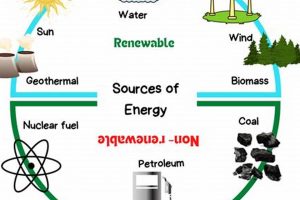
The sustainable power initiatives spearheaded by Duke Energy, one of the largest electric power holding companies in the United States, encompass a diverse portfolio of generation sources. These include solar, wind, hydro, and biomass, reflecting a commitment to diversifying the energy mix and reducing reliance on traditional fossil fuels. For example, the company’s large-scale solar farms in the Carolinas contribute significantly to the region’s clean energy capacity.
This transition towards cleaner energy sources is critical for mitigating the effects of climate change and enhancing energy independence. The companys investments in renewable infrastructure create jobs, stimulate economic growth in local communities, and contribute to a more resilient and sustainable energy future. Historically, the company relied heavily on coal-fired power plants, but in recent years, there has been a notable shift towards embracing cleaner alternatives, reflecting evolving societal priorities and regulatory landscapes.
Further exploration of specific projects, technological advancements, and the overarching strategy driving this clean energy transformation will provide a more comprehensive understanding of the company’s commitment to a sustainable future. This includes examining the challenges and opportunities associated with integrating renewable energy sources into the existing grid infrastructure and analyzing the long-term impact on energy affordability and reliability.
Tips for Supporting Sustainable Energy Initiatives
Individuals and communities can play a significant role in advancing the transition to a cleaner energy future. The following tips offer practical guidance on supporting and benefiting from the growth of renewable energy sources.
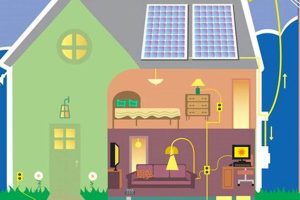
Tip 1: Explore rooftop solar installations. Evaluating the feasibility of installing solar panels on residential or commercial properties can reduce reliance on the traditional power grid and lower energy costs. Consulting with qualified installers can provide insights into system sizing, potential cost savings, and available incentives.
Tip 2: Support community solar projects. Participating in community solar initiatives allows individuals and businesses to share the benefits of a large-scale solar installation without requiring on-site panels. This option expands access to renewable energy for renters or those with unsuitable rooftops.
Tip 3: Reduce energy consumption. Implementing energy efficiency measures, such as using energy-efficient appliances, improving insulation, and adopting smart home technologies, minimizes overall electricity demand and supports the integration of renewable energy sources.
Tip 4: Advocate for policy changes. Supporting policies that incentivize renewable energy development and streamline the permitting process accelerates the transition to a cleaner energy system. Engaging with local and national representatives can amplify the voice of clean energy advocates.
Tip 5: Stay informed about renewable energy advancements. Keeping abreast of technological breakthroughs, market trends, and policy developments empowers individuals to make informed decisions about their energy choices and contribute to the ongoing conversation about sustainable energy.
Tip 6: Invest in renewable energy companies. Supporting businesses dedicated to developing and deploying renewable energy technologies can accelerate innovation and market growth. Carefully researching investment opportunities aligns financial decisions with sustainability goals.
By adopting these practices, individuals and communities contribute to a more sustainable energy future, fostering economic growth, environmental stewardship, and greater energy independence.
A deeper understanding of the specific benefits and challenges associated with each of these tips will further empower informed decision-making and accelerate the transition to a cleaner energy landscape. This transition requires collective action and sustained commitment to realize the full potential of renewable energy resources.
1. Solar power generation

Solar power generation represents a cornerstone of Duke Energy’s renewable energy strategy. The company’s substantial investments in solar infrastructure demonstrate a commitment to harnessing this abundant and clean energy source. Examining the various facets of Duke Energy’s solar initiatives provides valuable insights into its contribution to a sustainable energy future.
- Utility-Scale Solar Farms
Large-scale solar farms, often located on expansive tracts of land, generate significant amounts of clean electricity. These installations leverage economies of scale to maximize energy production and grid integration. For example, the company’s solar farm in Catawba County, North Carolina, provides clean power to thousands of homes and businesses. Such projects contribute substantially to Duke Energy’s renewable energy portfolio and demonstrate the company’s commitment to utility-scale solar development.
- Rooftop Solar Programs
Duke Energy offers programs that encourage and support rooftop solar installations for residential and commercial customers. These programs often involve net metering agreements, allowing customers to sell excess solar energy back to the grid. Such initiatives empower customers to participate directly in the clean energy transition while reducing their reliance on traditional power sources. Furthermore, these programs contribute to a more decentralized and resilient energy grid.
- Community Solar Initiatives
Community solar projects allow customers who may not have suitable rooftops or the resources for individual installations to benefit from solar power. Participants subscribe to a shared solar facility and receive credits on their electricity bills based on their share of the generated energy. This expands access to solar energy and fosters broader community engagement in renewable energy solutions.
- Solar Energy Innovation and Research
Duke Energy invests in research and development to advance solar technologies and improve their efficiency and cost-effectiveness. This includes exploring emerging technologies, such as advanced photovoltaic materials and energy storage solutions. These investments are crucial for driving innovation and ensuring the long-term viability and competitiveness of solar energy within the broader energy mix.
These diverse solar initiatives demonstrate Duke Energy’s multi-faceted approach to integrating solar power into its operations. By combining large-scale projects with customer-focused programs and ongoing technological advancements, the company aims to maximize the benefits of solar energy and accelerate the transition to a sustainable energy future. This comprehensive strategy underscores the importance of solar power as a key component of Duke Energy’s renewable energy portfolio and its broader commitment to a cleaner energy landscape.
2. Wind energy development

Wind energy development constitutes a significant component of Duke Energy’s renewable energy portfolio. The company’s investments in onshore and offshore wind projects reflect a strategic focus on harnessing this clean and increasingly cost-competitive energy source. This commitment to wind energy is driven by several factors, including the declining cost of wind turbine technology, the increasing availability of suitable locations for wind farms, and growing demand for clean energy solutions. The company’s wind energy projects contribute to diversifying its energy mix, reducing reliance on fossil fuels, and mitigating the environmental impact of electricity generation. For example, the company’s participation in the development of large-scale offshore wind farms off the coast of North Carolina highlights the growing importance of this technology in the company’s renewable energy strategy. This project not only generates clean electricity but also stimulates economic growth in coastal communities by creating jobs and supporting local businesses.
The practical implications of Duke Energy’s wind energy development are substantial. Wind farms generate clean electricity without emitting greenhouse gases, contributing to improved air quality and reduced carbon emissions. They also create economic opportunities in rural areas by providing jobs in construction, operation, and maintenance. Moreover, wind energy enhances energy independence by reducing reliance on imported fossil fuels. However, challenges remain, including the intermittent nature of wind power and the potential impact on wildlife and landscapes. Duke Energy addresses these challenges by investing in grid modernization technologies, such as energy storage systems, and implementing mitigation strategies to minimize environmental impact. The company also engages with local communities to ensure that wind projects are developed responsibly and with consideration for local concerns.
In summary, wind energy development plays a crucial role in Duke Energy’s transition to a cleaner energy future. By strategically investing in both onshore and offshore wind projects, the company aims to maximize the benefits of this clean and abundant resource. Addressing the associated challenges through technological advancements, environmental stewardship, and community engagement ensures that wind energy contributes effectively to a sustainable and reliable energy system. The continued expansion of wind energy capacity will be essential for achieving the company’s long-term sustainability goals and contributing to a cleaner energy landscape for future generations.
3. Hydroelectric power
Hydroelectric power represents a long-standing component of Duke Energy’s energy mix, predating its significant investments in other renewable sources like solar and wind. The company operates a substantial network of hydroelectric facilities, primarily located in the Carolinas, leveraging the region’s topography and water resources. This existing hydroelectric infrastructure provides a stable base of renewable generation capacity, complementing the variable output of solar and wind power. The reliance on hydroelectric power provides a degree of energy independence and contributes to the company’s overall renewable energy goals. For example, the Keowee-Toxaway Hydroelectric Project in South Carolina, one of the largest pumped-storage hydroelectric facilities in the United States, plays a crucial role in balancing the regional power grid and ensuring reliability.
The integration of hydroelectric power within Duke Energy’s broader renewable strategy offers several advantages. Hydroelectric facilities provide a reliable source of electricity, capable of responding quickly to changes in demand. Pumped-storage hydroelectricity, in particular, allows for the storage of excess energy generated during periods of low demand, which can then be released during peak demand periods, enhancing grid stability and reliability. This capability is increasingly valuable as more intermittent renewable resources, such as solar and wind, are integrated into the energy mix. Moreover, hydroelectric power generation, unlike fossil fuel-based generation, does not produce greenhouse gas emissions during operation, contributing to a cleaner environment. However, the construction and operation of hydroelectric dams can have environmental and social impacts, such as altering river flows and affecting aquatic ecosystems. Duke Energy addresses these concerns by implementing mitigation measures and engaging with stakeholders to minimize negative impacts and promote responsible water management practices.
In summary, hydroelectric power remains a significant element within Duke Energy’s renewable energy portfolio. Its established presence, reliability, and grid-balancing capabilities contribute substantially to the company’s efforts to diversify its energy sources and transition toward a cleaner energy future. While hydroelectric power provides valuable benefits, ongoing efforts to mitigate environmental and social impacts are essential for ensuring its long-term sustainability. Balancing these considerations is crucial for maximizing the role of hydroelectric power within a responsible and comprehensive renewable energy strategy. The continued operation and potential expansion of hydroelectric capacity will be integral to achieving Duke Energy’s long-term sustainability goals and contributing to a reliable and environmentally responsible energy system.
4. Biomass utilization

Biomass utilization represents a distinct component within Duke Energy’s renewable energy portfolio, contributing to the diversification of energy sources and the reduction of reliance on fossil fuels. This involves the combustion of organic matter, such as wood residues, agricultural byproducts, and dedicated energy crops, to generate electricity. The rationale behind incorporating biomass stems from its potential to provide a more consistent and dispatchable source of renewable energy compared to intermittent sources like solar and wind. Biomass power plants can operate continuously, providing a stable baseload power supply, which enhances grid stability and reliability. For example, Duke Energy’s biomass plant in North Carolina utilizes wood waste from local forestry operations, reducing landfill waste and providing a sustainable fuel source for electricity generation. This integration of local biomass resources supports regional economies and promotes sustainable forestry practices.
The practical implications of biomass utilization within Duke Energy’s renewable energy strategy are multifaceted. While biomass is considered a renewable resource, its combustion does produce carbon dioxide emissions. However, proponents argue that utilizing sustainably sourced biomass results in a lower net carbon footprint compared to fossil fuels, as the carbon released during combustion is offset by the carbon absorbed during the growth of the biomass feedstock. Furthermore, biomass power plants can often be co-fired with other fuels, such as natural gas, allowing for greater flexibility in operation and responding to fluctuations in energy demand. However, potential challenges associated with biomass utilization include the availability of sustainable biomass feedstock, potential impacts on air quality, and competition with other uses of biomass, such as for biofuels or bioproducts. Duke Energy addresses these challenges by implementing sustainable sourcing practices, employing advanced emission control technologies, and engaging with stakeholders to ensure responsible biomass procurement and utilization.
In summary, biomass utilization contributes to Duke Energy’s renewable energy portfolio by offering a dispatchable and relatively consistent source of power. While the carbon neutrality of biomass remains a subject of ongoing discussion, its strategic integration within a diversified energy mix can contribute to reducing reliance on fossil fuels and enhancing grid stability. Addressing the potential environmental and logistical challenges associated with biomass utilization requires careful planning, sustainable sourcing practices, and ongoing technological advancements. The continued development and refinement of biomass utilization strategies will be essential for evaluating its long-term role within a sustainable and balanced energy system.
5. Grid modernization efforts

Grid modernization efforts are inextricably linked to the successful integration and expansion of Duke Energy’s renewable energy initiatives. The inherent intermittency of renewable sources like solar and wind power necessitates a more intelligent and adaptable grid infrastructure. Modernization efforts focus on enhancing grid flexibility, reliability, and resilience to accommodate the fluctuating nature of renewable energy generation. Without these upgrades, the full potential of renewable resources cannot be realized. For instance, advanced grid management systems, incorporating real-time data analytics and predictive modeling, are crucial for optimizing the dispatch of renewable energy and balancing supply and demand. Investments in energy storage technologies, such as batteries and pumped hydro, further enhance grid stability by storing excess renewable energy for use during periods of low generation or peak demand. The practical significance of this connection is evident in projects like the SmartGrid modernization program implemented in Charlotte, North Carolina, which enhances grid efficiency and enables greater integration of distributed renewable energy resources.
Further analysis reveals that grid modernization efforts not only facilitate the integration of renewable energy but also enhance the overall performance and reliability of the electricity system. Advanced sensors and communication networks provide real-time visibility into grid operations, enabling proactive identification and mitigation of potential disruptions. This enhanced situational awareness allows grid operators to respond more effectively to outages and extreme weather events, improving system resilience and minimizing customer impact. Moreover, grid modernization fosters greater customer engagement by enabling demand-side management programs and providing consumers with more control over their energy consumption. Smart meters and connected devices empower customers to make informed decisions about energy usage, reducing peak demand and supporting the integration of renewable energy resources. This symbiotic relationship between grid modernization and customer engagement creates a more dynamic and efficient energy ecosystem.
In conclusion, grid modernization is not merely a supporting element but a fundamental prerequisite for the successful transition to a renewable energy future within Duke Energy’s portfolio. The integration of advanced technologies, coupled with strategic investments in grid infrastructure, is essential for harnessing the full potential of renewable resources while maintaining grid reliability and affordability. Addressing the challenges associated with grid modernization, such as cybersecurity threats and interoperability issues, requires ongoing innovation and collaboration across the energy industry. This comprehensive approach to grid modernization is integral to achieving Duke Energy’s long-term sustainability goals and ensuring a reliable, resilient, and sustainable energy future for all stakeholders.
6. Sustainability Goals
Sustainability goals represent the overarching framework guiding Duke Energy’s transition toward a cleaner energy future. These goals provide specific, measurable targets for reducing environmental impact, promoting responsible resource management, and ensuring long-term sustainability. Renewable energy initiatives play a crucial role in achieving these ambitious objectives, driving the company’s efforts to decarbonize its operations and contribute to a more sustainable energy landscape. The alignment between sustainability goals and renewable energy investments demonstrates a commitment to environmental stewardship and responsible corporate citizenship. This connection is essential for understanding the broader context of Duke Energy’s renewable energy strategy and its implications for the future of energy production and consumption.
- Emissions Reduction Targets
Duke Energy has established specific targets for reducing greenhouse gas emissions, aligning with broader societal and regulatory efforts to mitigate climate change. These targets often involve reducing carbon dioxide emissions by a certain percentage compared to a baseline year. Renewable energy plays a vital role in achieving these emissions reduction targets by displacing fossil fuel-based generation with clean energy sources. For example, the company’s goal to achieve net-zero carbon emissions by 2050 necessitates a significant expansion of renewable energy capacity. This commitment to emissions reduction drives investments in solar, wind, and other renewable technologies, accelerating the transition to a cleaner energy future. The success of these initiatives is directly linked to the achievement of the overarching sustainability goals and demonstrates a tangible commitment to environmental responsibility.
- Renewable Portfolio Standards
Renewable portfolio standards (RPS) mandate that a certain percentage of electricity generation must come from renewable sources. These state-level policies create a regulatory framework that encourages the development and deployment of renewable energy technologies. Duke Energy’s renewable energy investments are often driven by RPS requirements, ensuring compliance with state regulations and contributing to a cleaner energy mix. Meeting these standards necessitates strategic investments in renewable energy projects, demonstrating a commitment to regulatory compliance and sustainable energy development. For example, meeting North Carolina’s RPS requires a significant contribution from solar and wind energy, driving Duke Energy’s investments in these technologies. Compliance with RPS requirements contributes to achieving broader sustainability goals by increasing the share of renewable energy in the overall energy mix.
- Sustainable Sourcing and Procurement
Sustainability goals often extend beyond energy generation to encompass responsible sourcing and procurement practices. This includes sourcing materials and equipment for renewable energy projects from suppliers who adhere to environmental and social responsibility standards. For example, Duke Energy may prioritize purchasing solar panels manufactured with recycled materials or from companies with strong labor practices. This commitment to sustainable sourcing extends the impact of renewable energy investments beyond clean electricity generation to encompass the entire supply chain. By integrating sustainability considerations into procurement decisions, Duke Energy reinforces its commitment to responsible resource management and minimizes the environmental and social impacts associated with its operations. This comprehensive approach to sustainability strengthens the link between renewable energy projects and broader corporate responsibility goals.
- Community Engagement and Stakeholder Collaboration
Effective sustainability initiatives often involve engaging with local communities and collaborating with stakeholders. This includes consulting with community members, environmental organizations, and other interested parties to ensure that renewable energy projects are developed responsibly and with consideration for local concerns. Duke Energy’s community engagement efforts may involve hosting public forums, conducting environmental impact assessments, and establishing partnerships with local organizations. These collaborative efforts foster transparency and build trust, ensuring that renewable energy projects contribute positively to the communities they serve. By incorporating stakeholder input into project development and implementation, Duke Energy demonstrates a commitment to responsible corporate citizenship and strengthens the social license to operate. This collaborative approach to renewable energy development aligns with broader sustainability goals by promoting social equity and environmental justice.
These interconnected facets of Duke Energy’s sustainability goals demonstrate the integral role of renewable energy in achieving a more sustainable future. By aligning renewable energy initiatives with specific, measurable targets, the company demonstrates a commitment to environmental stewardship, responsible resource management, and community engagement. The ongoing pursuit of these sustainability goals will continue to shape the evolution of Duke Energy’s renewable energy portfolio and its contribution to a cleaner energy landscape. Furthermore, these efforts highlight the increasing importance of integrating environmental, social, and governance (ESG) factors into corporate decision-making, reflecting a growing recognition of the interconnectedness between business operations and sustainable development. As the energy landscape continues to evolve, Duke Energy’s commitment to sustainability goals will be instrumental in navigating the challenges and opportunities associated with the transition to a cleaner energy future.
Frequently Asked Questions about Duke Energy’s Renewable Energy Initiatives
This section addresses common inquiries regarding Duke Energy’s commitment to renewable energy, providing concise and informative responses to clarify key aspects of the company’s strategy and operations.
Question 1: What types of renewable energy sources does Duke Energy utilize?
Duke Energy’s renewable energy portfolio encompasses a diverse range of sources, including solar, wind, hydro, and biomass. This diversified approach ensures a more balanced and resilient energy mix.
Question 2: How does Duke Energy support customer participation in renewable energy programs?
Customer participation is facilitated through various programs, including rooftop solar incentives, community solar projects, and subscription-based renewable energy options. These initiatives empower customers to directly engage in the clean energy transition.
Question 3: What is Duke Energy’s long-term vision for renewable energy integration?
The company’s long-term vision involves achieving net-zero carbon emissions by 2050. This ambitious goal necessitates significant investments in renewable energy infrastructure and grid modernization efforts.
Question 4: How does Duke Energy address the intermittent nature of renewable energy sources like solar and wind?
Grid modernization efforts, including investments in energy storage technologies and advanced grid management systems, are crucial for mitigating the intermittency challenges associated with renewable resources. These efforts ensure grid reliability and stability as renewable energy penetration increases.
Question 5: What is Duke Energy’s approach to balancing renewable energy development with environmental protection?
Environmental stewardship is a core principle guiding renewable energy development. Environmental impact assessments, mitigation strategies, and ongoing monitoring programs are implemented to minimize potential impacts on ecosystems and natural resources.
Question 6: How does Duke Energy ensure responsible sourcing of materials and equipment for renewable energy projects?
Sustainable procurement practices prioritize sourcing materials and equipment from suppliers who adhere to strict environmental and social responsibility standards. This commitment extends the positive impact of renewable energy investments throughout the supply chain.
Understanding these key aspects of Duke Energy’s renewable energy initiatives provides valuable insights into the company’s commitment to a sustainable energy future. Continued exploration of these topics empowers informed decision-making and fosters greater public awareness of the ongoing clean energy transition.
For further information and detailed resources, please explore the dedicated sustainability section on the Duke Energy website.
Duke Renewable Energy
This exploration of Duke Energy’s renewable energy initiatives has highlighted the company’s multifaceted approach to transitioning toward a cleaner energy future. From investments in solar and wind power to leveraging existing hydroelectric resources and exploring innovative biomass utilization, the company demonstrates a commitment to diversifying its energy mix and reducing reliance on traditional fossil fuels. Grid modernization efforts are essential for integrating these renewable resources effectively, ensuring grid reliability and resilience as renewable energy penetration increases. Furthermore, ambitious sustainability goals provide a guiding framework for these initiatives, driving the company’s progress toward a lower-carbon future. The analysis of these interconnected components underscores the significance of Duke Energy’s strategic focus on renewable energy as a cornerstone of its long-term sustainability vision.
The transition to a sustainable energy future requires continuous innovation, strategic investment, and collaborative partnerships. Duke Energy’s commitment to renewable energy represents a significant step toward addressing the challenges of climate change and ensuring a cleaner, more reliable energy system for future generations. The continued evolution and expansion of these initiatives will be crucial for achieving long-term sustainability goals and shaping a more sustainable energy landscape for all.