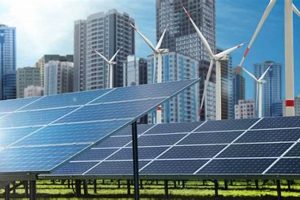
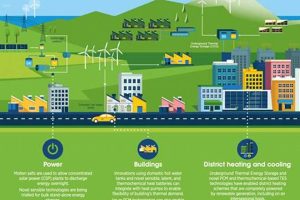
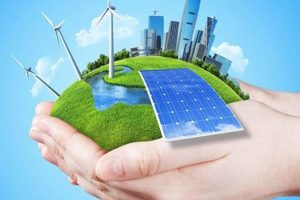
Clean power generated within New York from sources that naturally replenish themselves forms a core component of the state’s energy landscape. Examples include solar, wind, hydroelectric, geothermal, and biomass energy. These resources offer a sustainable alternative to fossil fuels, reducing reliance on finite resources and minimizing environmental impact.
Harnessing these resources offers significant advantages. A reduced carbon footprint contributes to cleaner air and a healthier environment, mitigating the effects of climate change. Furthermore, the development of these industries stimulates economic growth, creating jobs in manufacturing, installation, maintenance, and research. Historically, the state has relied heavily on conventional energy sources, but increasing awareness of environmental concerns and advancements in technology have propelled the transition towards cleaner alternatives.
The following sections will delve deeper into specific forms of clean energy production within the state, exploring current projects, future goals, and the challenges faced in achieving a fully sustainable energy system. Further discussion will cover policy initiatives, economic incentives, and the role of public awareness in driving this crucial transition.
Tips for Supporting Clean Energy Initiatives in New York
Individuals and businesses can contribute to a more sustainable energy future in New York through informed choices and proactive engagement. The following tips offer practical guidance on supporting the growth of clean energy within the state.
Tip 1: Explore Residential Solar Installations: Homeowners can significantly reduce their reliance on traditional energy sources by installing solar panels. Net metering programs allow excess generated electricity to be fed back into the grid, potentially offsetting energy costs.
Tip 2: Support Community Solar Projects: Participating in community solar farms allows individuals and businesses to benefit from solar power even without rooftop installations. Subscribers receive credits on their utility bills based on the farm’s energy generation.
Tip 3: Reduce Energy Consumption: Implementing energy-efficient practices at home and in the workplace minimizes overall energy demand. This includes using energy-efficient appliances, improving insulation, and adopting smart home technologies.
Tip 4: Advocate for Policy Changes: Supporting policies that incentivize clean energy development and streamline permitting processes is crucial for accelerating the transition. Contacting elected officials and participating in public forums can amplify these efforts.
Tip 5: Invest in Clean Energy Companies: Investing in companies specializing in clean energy technologies or projects can contribute to their growth and market expansion, driving innovation and wider adoption.
Tip 6: Stay Informed about Clean Energy Developments: Keeping abreast of advancements in clean energy technology, policy changes, and local initiatives empowers individuals to make informed decisions and contribute meaningfully to the conversation.
Tip 7: Choose Energy Suppliers Offering Clean Energy Options: Many utility companies now offer plans that source electricity from renewable resources. Selecting these plans increases demand for clean energy and encourages further investment.
By actively participating in these initiatives, residents and businesses contribute to a cleaner, more sustainable energy future for New York. These actions not only benefit the environment but also foster economic growth and create a healthier community for all.
The combined efforts of individuals, businesses, and policymakers are essential for achieving a fully sustainable energy system. The transition requires continued innovation, investment, and public engagement to ensure a cleaner and more prosperous future.
1. Solar Power

Solar power plays a pivotal role in New York’s pursuit of renewable energy goals. The state’s geographical location, while not ideal for year-round maximum solar energy capture, still offers considerable potential. This potential is being increasingly realized through large-scale solar farms, community solar projects, and rooftop installations across the state. The growth of solar energy contributes directly to a reduction in greenhouse gas emissions, furthering the state’s commitment to combating climate change. One example of this commitment is the New York State Energy Research and Development Authority’s (NYSERDA) NY-Sun initiative, which aims to significantly expand solar capacity and make solar energy more accessible to residents and businesses. The practical significance of solar power within the state’s energy mix is its ability to diversify energy sources, reduce dependence on fossil fuels, and create economic opportunities within the burgeoning solar industry.
The declining cost of solar technology, coupled with government incentives and supportive policies, has fueled the expansion of solar power across New York. This expansion creates jobs in manufacturing, installation, and maintenance, contributing to economic growth. Furthermore, solar energy offers a decentralized energy generation model, enhancing grid resilience and reducing transmission losses. For instance, the Long Island Power Authority’s (LIPA) investment in solar infrastructure aims to strengthen the region’s energy independence and reliability. The growth of rooftop solar installations empowers individuals and businesses to actively participate in the clean energy transition, reducing their carbon footprint and potentially lowering their energy bills.
Despite the positive trajectory, challenges remain in fully integrating solar power into the state’s energy infrastructure. Intermittency, the fluctuating nature of solar energy production due to weather patterns, necessitates the development of energy storage solutions and smart grid technologies. Continued research and development, along with streamlined permitting processes and strategic land use planning, are crucial for maximizing the benefits of solar power. The future success of solar energy in New York depends on addressing these challenges while simultaneously fostering innovation and public support for this vital renewable resource.
2. Wind Energy
Wind energy represents a significant component of New York’s renewable energy portfolio, contributing to the state’s goals of reducing greenhouse gas emissions and diversifying energy sources. Harnessing the power of wind, particularly in offshore and upstate regions, offers substantial potential for clean energy generation.
- Offshore Wind Farms
Offshore wind farms, located in coastal waters, capitalize on stronger and more consistent wind speeds compared to onshore locations. Projects such as the South Fork Wind Farm and Empire Wind represent significant investments in offshore wind energy, promising substantial clean energy generation and economic benefits for the state. These projects contribute to job creation in manufacturing, installation, maintenance, and related industries.
- Upstate Wind Projects
Upstate New York, with its expansive land areas and favorable wind resources, hosts numerous onshore wind farms. These projects contribute to local economies through land lease agreements, tax revenues, and job creation. Furthermore, they provide clean energy to communities and reduce reliance on fossil fuel-based power plants. Examples include the Maple Ridge Wind Farm and the Black Oak Wind Farm.
- Technological Advancements
Advancements in wind turbine technology, including larger rotor diameters and improved efficiency, contribute to increased energy capture and cost reductions. These technological advancements make wind energy increasingly competitive with traditional energy sources and accelerate its adoption throughout the state. For example, the use of taller turbines allows access to higher wind speeds, maximizing energy output.
- Grid Integration and Transmission
Integrating wind energy into the existing electricity grid requires strategic planning and investment in transmission infrastructure. Upgrading transmission lines and developing smart grid technologies are essential for efficiently distributing wind-generated electricity across the state and ensuring grid stability. Projects like the Champlain Hudson Power Express transmission line aim to facilitate the delivery of clean energy from upstate resources to downstate population centers.
The continued development and integration of wind energy projects are crucial for achieving New York’s clean energy targets and fostering a more sustainable energy future. The combined impact of offshore and onshore wind farms, coupled with technological advancements and grid modernization efforts, positions wind energy as a key driver of the state’s transition to a cleaner and more resilient energy system. This transition not only reduces environmental impact but also stimulates economic growth and creates opportunities for innovation within the renewable energy sector.
3. Hydroelectric Generation

Hydroelectric generation constitutes a long-standing component of New York’s energy mix, leveraging the state’s abundant water resources to produce clean electricity. The historical significance of hydropower in the state’s energy landscape is undeniable, with numerous hydroelectric facilities operating across New York, contributing a substantial portion of its renewable energy capacity. The Niagara Power Project, a prominent example, harnesses the immense power of Niagara Falls, demonstrating the scale and potential of hydroelectric generation within the state. This established presence makes hydropower a crucial element in understanding the current status and future trajectory of New York’s renewable energy landscape. The continued reliance on hydropower, particularly from existing facilities, underscores its practical significance in meeting current energy demands while facilitating the integration of other renewable sources.
Hydroelectric generation offers distinct advantages in the context of renewable energy integration. Unlike intermittent renewable sources like solar and wind, hydropower provides a relatively stable and predictable baseload power supply. This characteristic enhances grid stability and reliability, mitigating the challenges associated with integrating intermittent renewable sources. Furthermore, hydropower facilities offer ancillary services such as voltage regulation and frequency control, contributing to the overall functionality and resilience of the power grid. The Blenheim-Gilboa Pumped Storage Power Project exemplifies this flexibility, providing peak power generation and grid stabilization services. The practical application of these characteristics strengthens the role of hydropower in balancing the energy grid as more intermittent renewable sources are deployed.
Despite the significant contribution of hydropower, its future development faces specific challenges. Environmental considerations related to aquatic ecosystems and water resource management require careful assessment and mitigation strategies. Balancing the benefits of clean energy generation with potential ecological impacts necessitates ongoing research and informed decision-making. Furthermore, the limited potential for new large-scale hydroelectric projects due to geographic constraints and environmental regulations shifts the focus towards optimizing existing facilities and exploring the potential of smaller-scale hydropower installations. Addressing these challenges through innovative technologies and sustainable practices is essential for maximizing the role of hydropower in New York’s transition towards a fully renewable energy future.
4. Biomass Utilization
Biomass utilization represents a multifaceted approach to renewable energy generation in New York, leveraging organic matter from various sources to produce electricity and heat. Integrating biomass into the state’s renewable energy portfolio offers diversification of resources and contributes to waste reduction efforts. Its role, though complex and presenting specific challenges, offers potential benefits within a broader strategy of sustainable energy development.
- Sustainable Forestry Practices and Wood Waste
Sustainable forestry practices and the utilization of wood waste from logging and wood processing industries provide a significant source of biomass feedstock. This approach not only generates renewable energy but also addresses waste management challenges within the forestry sector. Examples include combined heat and power plants utilizing wood chips and sawdust to generate electricity and provide thermal energy for industrial processes. The environmental impact of this practice, however, necessitates careful consideration of sustainable harvesting methods and potential air quality impacts.
- Agricultural Residues and Dedicated Energy Crops
Agricultural residues, such as corn stalks and wheat straw, offer another potential source of biomass for energy production. Furthermore, dedicated energy crops, specifically grown for biomass utilization, can provide a sustainable feedstock without competing with food production. Switchgrass, for example, is a perennial grass with high biomass yields and potential for use in bioenergy production. The economic viability of these approaches depends on factors such as crop yields, transportation costs, and the overall efficiency of conversion technologies.
- Anaerobic Digestion of Organic Waste
Anaerobic digestion, a process that breaks down organic matter in the absence of oxygen, offers a pathway for converting food waste, manure, and other organic materials into biogas. This biogas can be used to generate electricity or heat, offering a sustainable waste management solution and reducing methane emissions. Several anaerobic digestion facilities operate in New York, processing organic waste from municipalities and agricultural operations. The scalability and widespread adoption of this technology depend on infrastructure development and addressing potential challenges related to odor control and digestate management.
- Biofuel Production and Utilization
Biofuels, derived from biomass sources, can replace or supplement conventional transportation fuels, reducing reliance on fossil fuels and lowering greenhouse gas emissions. Ethanol and biodiesel are examples of biofuels that can be blended with gasoline or diesel. The sustainability of biofuel production, however, requires careful consideration of land use change, water consumption, and the overall energy balance of the production process. Policies promoting sustainable biofuel production and consumption are crucial for maximizing its benefits within the state’s renewable energy strategy.
Integrating these diverse biomass utilization strategies into New York’s renewable energy portfolio presents both opportunities and challenges. Balancing the benefits of clean energy generation, waste reduction, and economic development with potential environmental impacts requires careful planning and ongoing evaluation. The continued advancement of biomass technologies, coupled with sustainable resource management practices, will determine the long-term viability and effectiveness of biomass utilization in contributing to a sustainable energy future for New York.
5. Geothermal Resources

Geothermal resources represent a relatively untapped but promising component of New York’s renewable energy portfolio. Harnessing the earth’s internal heat offers a consistent and reliable source of energy, complementing other intermittent renewable sources like solar and wind. The potential for direct use applications, such as heating and cooling buildings, presents significant opportunities for reducing reliance on fossil fuels, particularly in densely populated areas.
Several initiatives across the state demonstrate the practical application of geothermal energy. Cornell University, for example, utilizes Earth Source Heat, a deep geothermal project, to provide sustainable heating for its Ithaca campus. This project reduces the university’s carbon footprint and demonstrates the feasibility of large-scale geothermal heating systems. Furthermore, numerous residential and commercial buildings throughout New York utilize geothermal heat pumps for space heating and cooling, leveraging the relatively constant temperature of the earth a few feet below the surface. These applications demonstrate the versatility and scalability of geothermal technologies in diverse settings. The continued exploration and development of geothermal resources are crucial for diversifying New York’s energy mix and enhancing energy independence.
Despite the inherent potential, wider adoption of geothermal energy in New York faces challenges. High upfront costs associated with drilling and installation can be a barrier for residential and commercial projects. Furthermore, geological factors influence the feasibility and efficiency of geothermal systems, requiring careful site assessment and resource characterization. Addressing these challenges through innovative drilling technologies, financial incentives, and public awareness campaigns is essential for unlocking the full potential of geothermal energy. Continued research and development efforts, coupled with supportive policies, are vital for integrating geothermal resources into the state’s long-term renewable energy strategy.
Frequently Asked Questions about Renewable Energy in New York
This section addresses common inquiries regarding the development and utilization of renewable energy resources within New York State. Clear and concise answers aim to provide a deeper understanding of this important topic.
Question 1: What are the primary sources of renewable energy currently utilized in New York?
The primary renewable energy sources currently employed across the state include solar, wind, hydro, biomass, and geothermal. Each resource contributes differently to the overall energy mix, with varying degrees of utilization and potential for future expansion.
Question 2: How does the cost of renewable energy compare to traditional fossil fuel-based energy?
The cost of renewable energy has decreased significantly in recent years, making it increasingly competitive with fossil fuel-based generation. Specific cost comparisons vary depending on the technology, location, and scale of the project.
Question 3: What are the key policy initiatives and incentives supporting renewable energy development in New York?
The state government has implemented various policy initiatives and incentives to promote renewable energy development. These include the Climate Leadership and Community Protection Act (CLCPA), the NY-Sun program, and various tax credits and rebates for renewable energy projects and installations.
Question 4: How does renewable energy contribute to job creation and economic growth within the state?
The renewable energy sector generates employment opportunities in manufacturing, installation, maintenance, and research. Growth in this sector contributes to economic development, particularly in rural communities hosting renewable energy projects.
Question 5: What are the primary challenges facing the expansion of renewable energy in New York?
Challenges include intermittency of certain renewable resources, grid infrastructure limitations, permitting processes, and public acceptance of large-scale projects. Addressing these challenges requires technological advancements, policy adjustments, and community engagement.
Question 6: How can individuals and businesses contribute to the growth of renewable energy in New York?
Individuals and businesses can support renewable energy growth by installing solar panels, participating in community solar projects, reducing energy consumption, advocating for supportive policies, and investing in renewable energy companies.
Understanding these frequently asked questions provides a foundational knowledge of the opportunities and challenges inherent in transitioning towards a more sustainable energy future. Continued engagement and informed decision-making are crucial for achieving a successful and equitable clean energy transition.
For further information and specific details, explore the resources available on the NYSERDA website and other relevant platforms.
Conclusion
Exploration of energy generated from sustainable sources within New York reveals a multifaceted landscape encompassing technological advancements, economic opportunities, and environmental stewardship. Diverse resources, including solar, wind, hydroelectric, biomass, and geothermal, offer pathways toward reduced reliance on finite resources and decreased emissions. Progress requires ongoing innovation, strategic policy implementation, and public engagement. Challenges remain in balancing energy reliability, affordability, and ecological impact.
The transition toward sustainable energy sources represents a critical investment in the state’s future. Continued development and integration of these resources are essential not only for environmental protection but also for economic prosperity and enhanced energy independence. Achieving a fully sustainable energy system demands collaborative efforts across all sectors, ensuring a cleaner, more resilient, and prosperous future for generations to come.