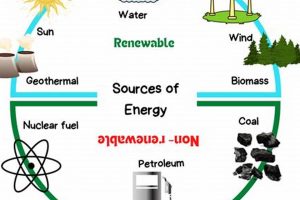
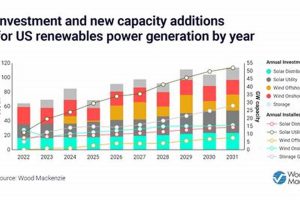
Allocating capital towards sustainable power generation sources like solar, wind, hydro, and geothermal offers numerous advantages across environmental, economic, and social spheres. For instance, a company choosing to construct a new wind farm rather than a fossil fuel-based power plant contributes to reducing greenhouse gas emissions and diversifying energy supply.
The increasing global demand for energy, coupled with the growing awareness of climate change impacts, has made the transition to cleaner energy sources crucial for long-term sustainability. Historically, reliance on finite fossil fuels has led to price volatility and geopolitical challenges. Sustainable power generation presents a pathway towards greater energy independence, price stability, and a reduced carbon footprint, fostering a healthier planet and more resilient economies.
Further exploration will delve into specific advantages related to job creation, technological advancements, and the positive ripple effects on various industries transitioning towards greener practices. This includes examining the role of government policies, private sector investments, and consumer choices in accelerating the shift towards a renewable energy future.
Tips for Sustainable Energy Investments
Strategic allocation of capital towards renewable energy sources requires careful consideration of various factors. The following tips offer guidance for maximizing the positive impact of such investments.
Tip 1: Diversify Investments: Spreading investments across different renewable energy technologies mitigates risks associated with individual technologies and market fluctuations. A balanced portfolio might include solar, wind, geothermal, and other emerging technologies.
Tip 2: Consider Location: Geographical factors significantly influence the effectiveness of certain renewable energy sources. Solar power thrives in sun-rich regions, while wind power is optimal in areas with consistent wind patterns. Thorough site assessments are crucial.
Tip 3: Understand Policy Landscape: Government incentives, regulations, and subsidies can significantly impact the profitability and feasibility of renewable energy projects. Staying informed about current and future policies is essential.
Tip 4: Evaluate Long-Term Costs and Benefits: While initial investments in renewable energy infrastructure might be substantial, long-term operational costs are typically lower than fossil fuel-based alternatives. A comprehensive cost-benefit analysis is crucial.
Tip 5: Support Community-Based Projects: Investing in local, community-owned renewable energy projects can empower communities, create jobs, and foster greater public support for the transition to sustainable energy.
Tip 6: Partner with Experienced Developers: Collaborating with reputable and experienced developers ensures projects are executed efficiently and effectively, maximizing returns and minimizing risks.
Tip 7: Prioritize Sustainability Throughout the Supply Chain: Consider the environmental impact of the entire supply chain, from raw material sourcing to manufacturing and disposal. Investing in companies committed to sustainable practices enhances the overall positive impact.
By considering these factors, investors can contribute to a cleaner energy future while potentially achieving strong financial returns and promoting sustainable development.
These tips provide a foundation for informed decision-making in the renewable energy sector. Further analysis will explore the broader implications of these investments and their role in shaping a more sustainable future.
1. Reduced Emissions

A primary advantage of renewable energy investments lies in their capacity to significantly curtail greenhouse gas emissions. Conventional energy sources, heavily reliant on fossil fuels, release substantial amounts of carbon dioxide, methane, and other pollutants into the atmosphere, contributing to climate change. Renewable energy technologies, such as solar and wind power, generate electricity without these harmful emissions, offering a cleaner alternative. This shift towards decarbonizing the energy sector is crucial for mitigating the risks associated with a warming planet, including rising sea levels, extreme weather events, and disruptions to ecosystems. For example, replacing a coal-fired power plant with a solar farm directly reduces the amount of carbon dioxide released into the atmosphere, contributing to cleaner air and a smaller carbon footprint.
The connection between reduced emissions and renewable energy investments extends beyond direct environmental benefits. Lower emissions translate to improved public health outcomes, as air pollution decreases, leading to fewer respiratory illnesses and other health problems. Furthermore, reducing reliance on fossil fuels contributes to greater energy security and price stability, as renewable energy sources are domestically available and less susceptible to global market fluctuations. For instance, a country investing heavily in wind power becomes less dependent on imported oil, thus enhancing its energy independence and economic stability.
Transitioning towards a low-carbon economy through renewable energy investments is a complex undertaking requiring coordinated efforts from governments, businesses, and individuals. While challenges remain in terms of infrastructure development, technological advancements, and policy implementation, the long-term benefits of reduced emissions are undeniable. Prioritizing investments in sustainable energy solutions is essential for building a more resilient, sustainable future for generations to come. This shift not only addresses the urgent need for climate action but also unlocks opportunities for economic growth, technological innovation, and a healthier planet.
2. Sustainable Growth

Sustainable growth represents a critical component of the benefits derived from renewable energy investments. It signifies economic development that meets present needs without compromising the ability of future generations to meet their own needs. Renewable energy plays a vital role in achieving this balance by providing a clean and sustainable source of power that reduces reliance on finite resources and mitigates environmental damage, fostering long-term economic prosperity.
- Economic Diversification:
Renewable energy investments stimulate economic diversification by creating new industries and markets. This reduces dependence on traditional fossil fuel-based economies, making national and regional economies more resilient to global market fluctuations. For instance, developing a solar panel manufacturing industry creates jobs and reduces reliance on imported energy technologies, contributing to a more self-sufficient and stable economy.
- Resource Management:
Unlike fossil fuels, renewable energy sources are virtually inexhaustible. Utilizing solar, wind, hydro, and geothermal power reduces pressure on finite resources, ensuring long-term energy security. This sustainable resource management contributes to price stability and reduces vulnerability to geopolitical tensions associated with resource scarcity. For example, harnessing wind power reduces reliance on imported natural gas, mitigating price volatility and enhancing energy independence.
- Environmental Protection:
Renewable energy technologies generate electricity with significantly lower environmental impact compared to conventional fossil fuel-based power plants. This reduced environmental footprint contributes to cleaner air and water, healthier ecosystems, and a more sustainable environment for future generations. Investing in hydropower, for example, reduces air pollution associated with coal-fired power plants, contributing to improved public health and a cleaner environment.
- Long-Term Investment Returns:
While initial investments in renewable energy infrastructure can be substantial, these projects often generate stable, long-term returns. As technology advances and economies of scale are realized, the cost of renewable energy continues to decline, making it an increasingly attractive investment opportunity. Furthermore, government incentives and subsidies can enhance the financial viability of renewable energy projects, contributing to stronger investment returns and fostering further growth within the sector. For instance, tax credits for solar panel installations can incentivize private investment, driving market growth and further reducing the cost of solar energy.
These facets of sustainable growth, driven by renewable energy investments, contribute to a more resilient and equitable economic future. The transition to a cleaner energy system not only mitigates the risks associated with climate change but also creates economic opportunities, enhances energy security, and fosters a healthier planet for present and future generations. This holistic approach to sustainable development underscores the interconnectedness of environmental protection, economic prosperity, and long-term societal well-being.
3. Energy Independence

Energy independence, often defined as a nation’s capacity to meet its energy demands using domestic resources, represents a significant benefit linked to renewable energy investments. Reliance on imported fossil fuels creates vulnerabilities to geopolitical instability, price volatility, and supply disruptions. Investing in renewable energy sources, which are domestically available and geographically dispersed, reduces these vulnerabilities. This strengthens national energy security and reduces dependence on potentially unreliable international energy markets. For example, a nation investing heavily in wind and solar power reduces its reliance on imported oil, mitigating the economic and political risks associated with international supply chains.
The shift towards energy independence through renewable energy investments offers several practical advantages. It stabilizes energy prices by decoupling domestic energy costs from the fluctuations of global fossil fuel markets. This predictability benefits businesses, consumers, and governments by facilitating long-term planning and budgeting. Furthermore, energy independence stimulates domestic job growth within the renewable energy sector, creating opportunities in manufacturing, installation, maintenance, and research. For instance, the development of a domestic solar panel manufacturing industry creates jobs and reduces reliance on imported technologies, further strengthening national economic resilience. This localized economic activity generates positive ripple effects throughout the economy, fostering sustainable growth and regional development.
While achieving complete energy independence may present challenges, even incremental progress towards this goal through renewable energy investments yields substantial benefits. These investments not only enhance national security and economic stability but also contribute to a cleaner environment and a more sustainable energy future. The transition to renewable energy requires a multifaceted approach, incorporating technological advancements, policy support, and public awareness. Addressing these challenges through strategic investments and coordinated efforts strengthens national energy resilience, reduces environmental impact, and positions nations for a more secure and sustainable future. This proactive approach to energy security is crucial for mitigating risks, fostering economic growth, and ensuring long-term societal well-being.
4. Job Creation

Renewable energy investments offer significant job creation potential, representing a crucial socio-economic benefit. The transition to a cleaner energy system necessitates the development, manufacturing, installation, and maintenance of new technologies. This creates employment opportunities across various skill levels, from engineers and technicians to construction workers and administrative staff. For example, the construction of a wind farm requires skilled labor for turbine assembly, electrical wiring, and infrastructure development, creating numerous local jobs. Similarly, the growing solar panel manufacturing industry employs workers in production, quality control, and logistics. This job creation potential extends beyond direct employment within the renewable energy sector, generating indirect employment opportunities in related industries such as transportation, materials supply, and research and development.
The nature of job creation within the renewable energy sector offers distinct advantages. These jobs are often located in rural or economically depressed areas, providing opportunities for revitalization and community development. Furthermore, many renewable energy jobs offer competitive wages and benefits, contributing to improved living standards and economic stability within these communities. For instance, retraining programs for fossil fuel workers transitioning to renewable energy jobs can mitigate the negative impacts of industry shifts while providing pathways to stable and sustainable employment. Moreover, the decentralized nature of renewable energy generation, particularly in solar and wind power, often creates more distributed employment opportunities, benefiting smaller communities and reducing regional economic disparities.
Realizing the full job creation potential of renewable energy investments requires strategic planning and policy support. Targeted investments in education and training programs are crucial for developing a skilled workforce capable of meeting the demands of this growing sector. Furthermore, supportive government policies, such as tax incentives and streamlined permitting processes, can accelerate investment in renewable energy projects, further stimulating job growth. Addressing potential challenges, such as the intermittent nature of some renewable energy sources, through grid modernization and energy storage solutions creates additional employment opportunities in related fields. By strategically leveraging the job creation potential of renewable energy investments, policymakers and industry leaders can contribute to a more sustainable and equitable economic future.
5. Long-Term Cost Savings

Long-term cost savings represent a compelling financial incentive associated with renewable energy investments. While initial capital expenditures may be higher compared to conventional energy projects, renewable energy technologies offer substantial operational cost reductions over their lifespan, ultimately leading to significant financial advantages.
- Reduced Fuel Costs:
Renewable energy sources, such as solar and wind, harness naturally replenishing resources, eliminating the need for fuel purchases. This contrasts sharply with fossil fuel-based power plants, which incur substantial and often volatile fuel costs. A solar power plant, for example, generates electricity without the need for ongoing coal or natural gas purchases, providing predictable and stable energy costs over the long term. This cost advantage becomes increasingly significant as fossil fuel prices fluctuate or rise, enhancing the financial viability of renewable energy investments.
- Lower Operating and Maintenance Expenses:
Renewable energy technologies generally require less maintenance than conventional power plants. Solar panels and wind turbines have fewer moving parts, reducing the need for frequent repairs and replacements. This translates to lower operating and maintenance expenses over the lifetime of the project. For instance, a wind farm typically requires less maintenance than a coal-fired power plant, which needs regular maintenance for complex machinery, emission control systems, and fuel handling equipment. This reduced maintenance burden contributes to lower operational costs and higher profitability for renewable energy projects.
- Stable and Predictable Energy Prices:
Renewable energy offers greater price stability compared to fossil fuels, which are susceptible to global market fluctuations and geopolitical events. This predictability allows businesses and consumers to better manage their energy budgets and plan for long-term investments. A company investing in on-site solar power, for example, can lock in predictable energy costs for decades, shielding itself from future electricity price increases and enhancing financial stability. This predictable cost structure is particularly beneficial for businesses with energy-intensive operations.
- Increased Energy Efficiency:
Renewable energy technologies often complement energy efficiency measures, further reducing overall energy consumption and costs. For instance, combining solar panels with building insulation and energy-efficient appliances minimizes energy waste and maximizes cost savings. This integrated approach optimizes energy use and contributes to greater financial returns on renewable energy investments. Similarly, incorporating smart grid technologies with renewable energy generation enhances grid stability, optimizes energy distribution, and reduces transmission losses, further contributing to cost savings.
These long-term cost advantages, combined with the environmental and social benefits, make renewable energy investments an increasingly attractive proposition for businesses, governments, and individuals. The transition to a cleaner energy system not only mitigates the risks associated with climate change but also offers significant financial advantages, fostering sustainable economic growth and enhancing long-term prosperity. As technology continues to advance and economies of scale are realized, the cost competitiveness of renewable energy will further strengthen, solidifying its role as a key driver of sustainable development.
Frequently Asked Questions
This section addresses common inquiries regarding the advantages of allocating capital towards renewable energy sources.
Question 1: What are the primary financial benefits of investing in renewable energy?
Renewable energy investments offer long-term cost savings through reduced fuel costs, lower operating and maintenance expenses, and stable energy prices. These factors contribute to enhanced financial stability and potentially higher returns compared to conventional energy investments.
Question 2: How do renewable energy investments contribute to energy independence?
Utilizing domestically available renewable resources reduces reliance on imported fossil fuels, mitigating vulnerabilities to geopolitical instability and price volatility. This enhances national energy security and fosters greater control over energy supply.
Question 3: What is the impact of renewable energy investments on job creation?
The renewable energy sector generates numerous employment opportunities in manufacturing, installation, maintenance, and research. These jobs often benefit rural communities and contribute to economic diversification.
Question 4: How do renewable energy investments mitigate climate change?
Renewable energy technologies produce electricity with significantly lower greenhouse gas emissions compared to fossil fuel-based power plants. This reduces the impact on climate change and contributes to a cleaner, healthier environment.
Question 5: What are the long-term environmental benefits of renewable energy investments?
Beyond emissions reductions, renewable energy investments contribute to cleaner air and water, protect ecosystems, and conserve natural resources. These benefits enhance environmental sustainability and protect the planet for future generations.
Question 6: What are the key challenges associated with renewable energy investments?
Challenges include the intermittency of some renewable resources, grid integration complexities, and initial capital costs. However, ongoing technological advancements and supportive policies are addressing these challenges effectively.
Strategic allocation of capital towards renewable energy sources offers significant economic, environmental, and social advantages. Addressing common concerns and misconceptions surrounding these investments fosters informed decision-making and accelerates the transition to a sustainable energy future.
Further exploration will delve into specific case studies and examples illustrating the real-world impact of renewable energy investments across diverse sectors and geographic regions.
Conclusion
Exploration of the advantages associated with renewable energy investments reveals significant potential for positive economic, environmental, and societal transformation. Reduced reliance on finite fossil fuels enhances energy independence and price stability, mitigating risks associated with volatile global markets. The inherent sustainability of renewable resources ensures long-term energy security for future generations while mitigating the environmental impacts associated with conventional energy production. Furthermore, job creation within the renewable energy sector stimulates economic growth and fosters community development. These multifaceted benefits underscore the compelling rationale for transitioning towards a cleaner energy future.
The transition to a renewable energy-powered world requires a concerted effort across all sectors. Policy frameworks, technological innovation, and private sector investment play crucial roles in accelerating this transformation. Embracing the numerous advantages offered by renewable energy investments is not merely a prudent financial decision; it represents a fundamental commitment to environmental stewardship and a sustainable future. The choices made today will determine the energy landscape of tomorrow and shape the well-being of generations to come.