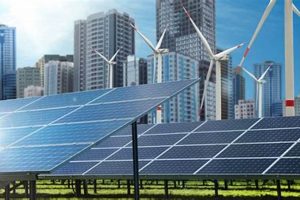
A system of interconnected facilities generating electricity from sustainable sources, such as solar, wind, hydro, and geothermal power, forms the backbone of a modernized power grid. This interconnected system allows for the efficient distribution of clean electricity across large geographical areas, balancing supply and demand and enhancing grid stability by drawing from diverse sources. For example, surplus solar power generated in one region can be transmitted to another experiencing lower wind speeds.
Such interconnected systems are critical for reducing reliance on fossil fuels and mitigating climate change. They enhance energy security by diversifying supply and reducing dependence on volatile global fuel markets. Historically, electricity grids were predominantly centralized, relying on a few large power plants. The shift towards decentralized generation from multiple renewable sources represents a fundamental change, offering increased resilience and sustainability.
This article will explore the key components of these modernized power grids, including generation technologies, transmission infrastructure, energy storage solutions, and the role of smart grid technologies in optimizing system performance and integration.
Tips for Supporting Sustainable Power Grids
The transition to sustainable power systems requires collective effort. Individuals, communities, and organizations can contribute to this vital transformation through informed choices and proactive engagement.
Tip 1: Advocate for Supportive Policies: Engage with local and national representatives to support legislation and policies that incentivize the development and adoption of sustainable energy technologies. Examples include tax credits for renewable energy installations and streamlined permitting processes for grid modernization projects.
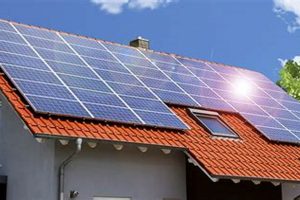
Tip 2: Invest in Renewable Energy: Consider investing in community solar projects or installing rooftop solar panels. Explore options for purchasing renewable energy certificates (RECs) to offset electricity consumption.
Tip 3: Reduce Energy Consumption: Implement energy efficiency measures at home and in the workplace. This includes using energy-efficient appliances, reducing standby power consumption, and optimizing building insulation.
Tip 4: Support Energy Storage Solutions: Advocate for policies and investments that support the development and deployment of energy storage technologies, which are crucial for balancing intermittent renewable energy sources.
Tip 5: Embrace Smart Grid Technologies: Promote the adoption of smart grid technologies, such as advanced metering infrastructure and demand-response programs, to optimize grid management and facilitate the integration of renewable energy sources.
Tip 6: Educate and Engage: Stay informed about advancements in sustainable energy technologies and share this knowledge with others. Participate in community discussions and promote awareness about the benefits of transitioning to cleaner energy systems.
Through these collective actions, individuals and communities can play a significant role in accelerating the transition to sustainable power grids, creating a more resilient and environmentally responsible energy future.
The shift towards sustainable power systems represents a pivotal moment in the evolution of the energy sector. By embracing these strategies, a cleaner, more secure, and sustainable energy future can be realized.
1. Sustainable Sources

Sustainable sources form the foundation of a renewable energy network. These sources, primarily solar, wind, hydro, geothermal, and biomass, replenish naturally and offer a continuous supply of energy unlike finite fossil fuels. The reliance on sustainable sources directly addresses the environmental impact of energy generation by minimizing greenhouse gas emissions and reducing dependence on resource extraction. For example, a network powered by wind farms harnesses kinetic energy without producing harmful emissions, unlike a coal-fired power plant contributing to air pollution. This fundamental shift towards sustainable sources is crucial for mitigating climate change and ensuring long-term energy security.
The integration of diverse sustainable sources enhances the resilience of a renewable energy network. Variations in weather patterns and resource availability can affect the output of individual sources. Combining wind, solar, and hydro generation creates a more stable and reliable supply, mitigating the intermittency challenges associated with individual renewable sources. For instance, during periods of low wind speeds, solar generation can compensate, ensuring a consistent energy supply to the network. This diversification is key to achieving grid stability and minimizing reliance on backup power from conventional sources.
The transition to a renewable energy network powered by sustainable sources represents a significant paradigm shift in energy production. While challenges remain in terms of infrastructure development, storage solutions, and grid management, the long-term benefits are undeniable. Moving away from fossil fuels towards sustainable sources is essential for environmental sustainability, energy independence, and a more secure energy future. The ongoing development and refinement of technologies related to sustainable source utilization will further enhance the effectiveness and efficiency of renewable energy networks globally.
2. Grid Infrastructure
Grid infrastructure plays a crucial role in the successful implementation and operation of a renewable energy network. Traditional grid systems, designed primarily for centralized power generation from fossil fuel plants, often lack the flexibility and intelligence required to manage the distributed and intermittent nature of renewable energy sources. Upgrading and modernizing existing grid infrastructure is essential to accommodate the increasing influx of power from sources like solar and wind farms. This modernization involves investments in advanced transmission lines capable of carrying large amounts of electricity over long distances, as well as intelligent control systems that can balance fluctuating power supply and demand.
The inherent intermittency of renewable sources like solar and wind power necessitates a robust and adaptive grid infrastructure. When solar generation dips due to cloud cover or wind speeds decrease, the grid must be capable of seamlessly drawing power from other sources, including energy storage systems or other renewable generators in different geographical locations. For example, a smart grid can automatically redirect power flow from a region with high solar irradiance to one experiencing lower wind power output, ensuring a consistent and reliable electricity supply. Without a sufficiently advanced grid infrastructure, the intermittency of renewable sources can lead to grid instability and power outages.
Investing in advanced grid infrastructure is crucial for realizing the full potential of renewable energy networks. Modernized grids, equipped with smart technologies and advanced control systems, facilitate the efficient integration and distribution of renewable energy, enhancing grid stability and reliability. This infrastructure also enables the effective utilization of energy storage solutions, which further mitigates the challenges posed by intermittent renewable sources. A robust and adaptable grid infrastructure is therefore not just a component, but a cornerstone of a successful transition to a sustainable energy future.
3. Energy Storage

Energy storage is integral to the effective functioning of a renewable energy network, addressing the inherent intermittency of sources like solar and wind power. These sources, while abundant and sustainable, are subject to fluctuations based on weather patterns and time of day. Energy storage technologies, such as pumped hydro, batteries, and thermal storage, provide a buffer against these fluctuations, storing excess energy generated during peak production periods and releasing it when generation is low. This capability is crucial for ensuring a consistent and reliable electricity supply, preventing grid instability and blackouts that could occur due to intermittent renewable generation. For instance, a solar farm paired with a battery storage system can continue to provide power to the grid even after sunset, drawing on the stored energy accumulated during daylight hours.
The integration of energy storage within a renewable energy network enhances grid flexibility and resilience. Stored energy can be dispatched rapidly to respond to changes in demand or unexpected drops in renewable generation. This rapid response capability is particularly important in managing peak demand periods and maintaining grid stability in the face of unpredictable weather events. Furthermore, energy storage can reduce the need for costly and often polluting backup power plants traditionally employed to balance intermittent renewable generation. By providing a readily available reserve of clean energy, storage solutions contribute to a more sustainable and cost-effective grid operation. An example is a wind farm coupled with pumped hydro storage, where excess wind power is used to pump water uphill, which can then be released to generate electricity when wind speeds are low, ensuring a constant energy flow to the grid.
Advances in energy storage technologies are key to unlocking the full potential of renewable energy networks. As storage costs continue to decline and performance improves, the integration of these technologies will become increasingly widespread, enabling a higher penetration of renewable energy sources onto the grid. This increased reliance on sustainable sources, coupled with effective energy storage, will further reduce reliance on fossil fuels, contribute to a more resilient and stable energy system, and pave the way for a cleaner energy future. The ongoing development of innovative storage solutions, such as advanced battery chemistries and grid-scale thermal storage, will play a pivotal role in shaping the future of renewable energy integration and ensuring a sustainable and reliable energy landscape.
4. Distribution Efficiency

Distribution efficiency is paramount for maximizing the benefits of a renewable energy network. Losses incurred during electricity transmission and distribution diminish the overall effectiveness and sustainability of the system. Minimizing these losses requires strategic investments in advanced grid technologies, including high-voltage direct current (HVDC) transmission lines and smart grid systems capable of optimizing power flow and reducing congestion. For example, utilizing superconducting cables can significantly reduce transmission losses compared to conventional copper wires, increasing the amount of renewable energy delivered to consumers. Improved distribution efficiency translates directly into a reduced need for generation capacity, minimizing the environmental footprint and economic costs associated with building and operating power plants. Furthermore, efficient distribution ensures that a greater proportion of generated renewable energy reaches end-users, maximizing the utilization of clean energy resources and reducing reliance on fossil fuel-based backup power.
The distributed nature of renewable energy generation necessitates a reimagining of traditional distribution paradigms. Unlike centralized power plants, renewable sources are often dispersed across wider geographical areas, requiring intelligent grid management to optimize power flow and minimize losses. Smart grid technologies, including advanced metering infrastructure and real-time grid monitoring systems, provide the necessary tools for dynamic control and optimization of distribution networks. These technologies enable grid operators to anticipate and respond to fluctuations in renewable energy generation and consumer demand, minimizing congestion and ensuring efficient delivery of power. For instance, demand-response programs can incentivize consumers to shift their energy usage to periods of high renewable generation, further optimizing grid efficiency and reducing reliance on fossil fuel peaker plants.
Enhancing distribution efficiency is essential for achieving the full potential of renewable energy networks. By minimizing transmission and distribution losses, optimizing grid management, and leveraging smart grid technologies, a greater proportion of generated renewable energy can reach consumers, reducing reliance on fossil fuels and maximizing the environmental and economic benefits of sustainable power systems. Continued investment in advanced grid technologies and innovative distribution strategies is crucial for achieving a truly sustainable and efficient energy future. This focus on efficient distribution not only maximizes the utilization of clean energy resources but also contributes to a more resilient and reliable power grid, enhancing energy security and paving the way for a decarbonized energy landscape.
5. Smart Grid Technologies

Smart grid technologies are essential for the efficient integration and management of renewable energy sources within a modernized power grid. These technologies enhance the reliability, flexibility, and sustainability of renewable energy networks by addressing the inherent intermittency and distributed nature of sources like solar and wind power. Smart grids enable real-time monitoring, control, and optimization of power flow, facilitating a seamless transition towards a cleaner and more resilient energy future.
- Advanced Metering Infrastructure (AMI)
AMI replaces traditional meters with smart meters that provide real-time data on energy consumption. This data enables consumers to make informed decisions about their energy usage, facilitating demand-side management programs and optimizing grid operations. For example, time-of-use pricing, enabled by AMI, can incentivize consumers to shift their energy consumption to periods of low demand or high renewable generation, improving grid efficiency and reducing reliance on fossil fuel peaker plants.
- Real-Time Grid Monitoring and Control
Real-time monitoring systems provide grid operators with a comprehensive view of the network’s status, including generation, transmission, and distribution. This data allows for proactive management of power flow, enabling rapid responses to fluctuations in renewable energy generation and preventing grid instability. For instance, if cloud cover reduces solar power output, the grid control system can automatically dispatch energy from storage systems or other generation sources to maintain a stable supply.
- Distributed Energy Resource Management Systems (DERMS)
DERMS platforms integrate and manage distributed energy resources, such as rooftop solar panels, battery storage systems, and electric vehicles, within the broader grid infrastructure. These systems optimize the operation of these distributed resources, maximizing their contribution to grid stability and reliability. For example, DERMS can coordinate the charging of electric vehicles during periods of high renewable generation, reducing strain on the grid and maximizing the utilization of clean energy.
- Two-Way Communication Networks
Two-way communication networks enable real-time data exchange between grid components, facilitating dynamic control and optimization of power flow. This communication infrastructure allows for advanced grid management strategies, such as demand-response programs and automated voltage regulation, improving grid efficiency and resilience. For example, during periods of peak demand, smart grids can communicate with appliances in homes and businesses to reduce their energy consumption, minimizing strain on the grid and preventing blackouts.
These interconnected smart grid technologies are fundamental to maximizing the effectiveness and reliability of renewable energy networks. By enabling real-time monitoring, control, and optimization of power flow, smart grids facilitate the seamless integration of intermittent renewable sources, enhance grid resilience, and empower consumers to actively participate in the transition to a sustainable energy future. The continued development and deployment of these technologies are crucial for achieving a cleaner, more reliable, and efficient energy landscape.
6. Decentralized Generation
Decentralized generation represents a significant paradigm shift in the structure and operation of renewable energy networks. Traditional power grids rely on centralized generation from large power plants, often located far from consumers. Decentralized generation, conversely, distributes power production closer to end-users, utilizing a network of smaller-scale renewable energy sources. This distributed approach offers significant advantages in terms of grid resilience, efficiency, and sustainability.
- Enhanced Grid Resilience
Decentralized generation enhances grid resilience by reducing reliance on a few centralized power plants. If one large plant experiences an outage, a significant portion of the grid can be affected. With decentralized generation, the impact of individual outages is minimized, as the grid can draw power from multiple dispersed sources. This distributed architecture makes the system less vulnerable to natural disasters, cyberattacks, and other disruptive events. For example, a network of rooftop solar panels and small wind turbines can continue to provide power to local communities even if a central power station is offline.
- Improved Grid Efficiency
Decentralized generation can improve grid efficiency by reducing transmission and distribution losses. When power is generated closer to consumption points, less energy is lost during transport over long distances. This increased efficiency translates to lower operating costs and a reduced environmental footprint. For instance, a community solar project can directly supply power to nearby homes and businesses, minimizing transmission losses compared to a distant centralized power plant. Furthermore, decentralized generation can reduce congestion on transmission lines, improving the overall performance of the grid.
- Increased Community Engagement
Decentralized generation fosters community engagement and ownership in the energy transition. Community-owned solar and wind projects empower local residents to participate directly in the generation of clean energy, creating economic opportunities and fostering a sense of shared responsibility for sustainability. These projects can also generate local jobs and revenue, contributing to the economic vitality of communities. For example, a cooperative-owned wind farm can provide both clean energy and economic benefits to its members and the surrounding region.
- Integration of Diverse Renewable Sources
Decentralized generation facilitates the integration of diverse renewable energy sources, each suited to specific local conditions. Rooftop solar installations are ideal for urban environments, while small wind turbines can be effective in rural areas. This flexibility allows communities to leverage the most appropriate renewable resources available, maximizing the potential of clean energy generation. For instance, a mountain community might utilize a combination of small hydro plants and rooftop solar panels to meet its energy needs, leveraging both the local water resources and solar potential. This diversified approach enhances the reliability and resilience of the decentralized generation system.
By distributing power generation closer to consumers and diversifying energy sources, decentralized generation strengthens the overall resilience, efficiency, and sustainability of renewable energy networks. This approach empowers communities, reduces reliance on centralized infrastructure, and fosters a more democratic and environmentally responsible energy landscape. The continued growth and evolution of decentralized generation are pivotal for achieving a cleaner, more resilient, and equitable energy future.
Frequently Asked Questions about Renewable Energy Networks
This section addresses common inquiries regarding the development, implementation, and impact of renewable energy networks.
Question 1: How do renewable energy networks contribute to grid stability?
Renewable energy networks, when properly managed, can enhance grid stability. Diversification of energy sources, advanced grid management technologies, and energy storage solutions mitigate the intermittency of renewable resources like solar and wind power. Smart grids balance supply and demand in real-time, ensuring a consistent and reliable power supply.
Question 2: What are the primary challenges associated with transitioning to renewable energy networks?
Key challenges include the intermittency of renewable resources, the need for significant infrastructure upgrades, the development of cost-effective energy storage solutions, and the integration of distributed generation resources. Addressing these challenges requires ongoing research, technological advancements, and supportive policies.
Question 3: How do renewable energy networks impact energy security?
Renewable energy networks enhance energy security by reducing reliance on imported fossil fuels and diversifying energy sources. This diversification minimizes vulnerability to geopolitical instability and volatile fuel prices, strengthening national energy independence.
Question 4: What role does energy storage play in a renewable energy network?
Energy storage addresses the intermittency of renewable resources, storing excess energy generated during peak periods and releasing it when generation is low. This ensures a continuous power supply, enhancing grid stability and reliability.
Question 5: How do smart grid technologies contribute to the effectiveness of renewable energy networks?
Smart grid technologies optimize the operation of renewable energy networks through real-time monitoring, control, and automation. These technologies enable efficient integration of distributed generation resources, enhance grid resilience, and facilitate demand-side management programs.
Question 6: What are the economic benefits of transitioning to renewable energy networks?
Transitioning to renewable energy networks stimulates economic growth by creating jobs in the renewable energy sector, reducing reliance on imported fuels, and fostering innovation in energy technologies. Furthermore, reduced greenhouse gas emissions contribute to long-term economic sustainability by mitigating the costs associated with climate change.
Understanding these key aspects of renewable energy networks is crucial for informed decision-making and effective implementation of sustainable energy strategies. The transition to renewable energy networks represents a significant opportunity to enhance grid resilience, reduce environmental impact, and create a more secure and sustainable energy future.
For further exploration, the following section will delve into case studies of successful renewable energy network implementations worldwide.
Conclusion
Renewable energy networks represent a transformative approach to energy production and distribution, offering a pathway toward a more sustainable and resilient energy future. This exploration has highlighted the critical role of diverse renewable sources, advanced grid infrastructure, intelligent energy storage solutions, and smart grid technologies in enabling the efficient and reliable operation of these networks. The shift towards decentralized generation empowers communities and enhances grid stability, reducing reliance on centralized power plants and mitigating the risks associated with intermittent renewable resources.
The transition to renewable energy networks requires a concerted global effort, encompassing technological innovation, policy support, and public engagement. Continued investment in research and development, coupled with the implementation of supportive policies and regulations, is crucial for accelerating the adoption of these transformative energy systems. The realization of a truly sustainable energy future hinges on the widespread deployment of renewable energy networks, offering a pathway towards a cleaner, more secure, and resilient energy landscape for generations to come.