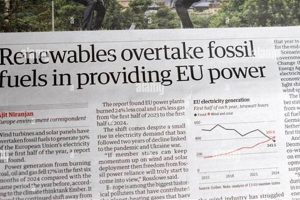
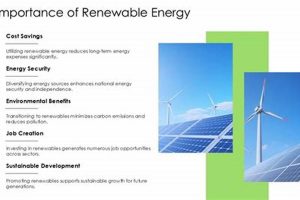
Matching energy generation with renewable sources involves careful consideration of several factors. These include the specific energy demands of the application, the availability and consistency of renewable resources like solar, wind, hydro, or geothermal in the given location, and the technological solutions best suited to harness those resources effectively. For instance, a remote village with consistent wind conditions might find wind turbines a suitable solution, while a sun-drenched region could benefit from solar photovoltaic panels.
Decentralized and sustainable energy systems are becoming increasingly critical for environmental and economic reasons. Harnessing renewable sources offers a path towards reducing reliance on fossil fuels, mitigating climate change, and improving energy security. Historically, energy production has been centralized and dependent on finite resources. The shift toward locally sourced, renewable energy represents a paradigm shift with the potential to create more resilient and sustainable communities.
This discussion will delve further into the technical aspects of integrating renewable energy sources, explore the economic and policy landscapes influencing their adoption, and examine the role of innovation in driving the transition toward a cleaner energy future.
Tips for Optimizing Renewable Energy Integration
Successfully integrating renewable energy sources requires careful planning and execution. The following tips offer guidance for maximizing effectiveness and minimizing potential challenges.
Tip 1: Conduct a Thorough Resource Assessment: Accurate assessment of available renewable resourcessolar irradiance, wind speeds, geothermal potential, or hydropower capacityis fundamental. This assessment informs technology selection and system sizing.
Tip 2: Consider Energy Storage Solutions: The intermittent nature of some renewable sources, like solar and wind, necessitates energy storage solutions. Batteries, pumped hydro, or thermal storage can ensure a consistent energy supply.
Tip 3: Optimize Energy Efficiency: Minimizing energy demand through efficiency improvements reduces the overall burden on the energy system and maximizes the impact of renewable energy integration.
Tip 4: Explore Hybrid Systems: Combining multiple renewable energy sources can enhance reliability and resilience. A hybrid system might integrate solar and wind power, complemented by a backup generator or battery storage.
Tip 5: Engage with Local Communities: Successful renewable energy projects often benefit from community support. Engaging stakeholders in the planning process can address concerns and foster local ownership.
Tip 6: Evaluate Policy and Regulatory Frameworks: Understanding the local policy landscape, including incentives, permitting processes, and grid connection requirements, is essential for project feasibility.
Tip 7: Prioritize Long-Term Sustainability: Consider the environmental impact of manufacturing, installation, and eventual decommissioning of renewable energy technologies to ensure long-term sustainability.
Implementing these strategies can contribute significantly to the successful integration of renewable energy sources, enabling a transition to a more sustainable and resilient energy future.
These insights provide a practical foundation for effective renewable energy integration. Further exploration of specific technologies and case studies will follow.
1. Resource Availability

Resource availability forms the cornerstone of effective renewable energy integration. The geographical distribution and consistency of renewable resources, such as solar irradiance, wind speeds, geothermal activity, and hydropower potential, directly influence the feasibility and effectiveness of specific technologies. Regions with high solar irradiance are naturally suited for solar photovoltaic systems, while areas experiencing consistent strong winds offer ideal conditions for wind turbine installations. Geothermal power plants require access to geothermal reservoirs, and hydropower relies on suitable river systems and elevation changes. Understanding the availability and characteristics of local resources is essential for selecting appropriate technologies and maximizing energy output.
Matching resource availability with appropriate technologies is crucial for optimizing energy production and minimizing environmental impact. For instance, installing solar panels in a region with frequent cloud cover would result in suboptimal energy generation. Similarly, deploying wind turbines in areas with low wind speeds would be inefficient. Careful resource assessment, including analyzing historical data and conducting site-specific studies, informs decision-making and ensures the chosen renewable energy solution aligns with the available resources. This approach not only maximizes energy output but also minimizes financial risks and environmental disruption. For example, Germany’s focus on wind energy has been successful due to the country’s favorable wind resources, while Iceland effectively utilizes geothermal energy thanks to its abundant geothermal activity.
Accurate resource assessment and appropriate technology selection are paramount for achieving successful renewable energy integration. This understanding enables informed decisions regarding project feasibility, technological suitability, and long-term sustainability. By aligning energy solutions with available resources, communities and nations can effectively transition towards cleaner and more sustainable energy systems while minimizing environmental impact and maximizing economic benefits. This careful alignment of resource availability and technological solutions represents a critical step towards a more secure and sustainable energy future.
2. Technological Suitability

Technological suitability plays a crucial role in achieving a harmonious fit for renewable energy integration. Careful selection of technologies ensures effective harnessing of available resources and efficient energy conversion. Matching the specific characteristics of a renewable resource with appropriate technologies is essential for maximizing energy output and minimizing potential drawbacks. For instance, solar photovoltaic systems are best suited for regions with high solar irradiance, while concentrated solar power technologies require direct sunlight and vast land areas. Similarly, different wind turbine designs cater to varying wind speeds and environmental conditions. Choosing the wrong technology can lead to suboptimal performance, reduced efficiency, and increased costs.
The relationship between technological suitability and successful renewable energy integration is characterized by a cause-and-effect dynamic. Appropriate technology selection directly impacts the efficiency, reliability, and cost-effectiveness of a renewable energy project. For example, deploying wave energy converters in areas with insufficient wave activity would result in low energy output and a poor return on investment. Conversely, utilizing geothermal power plants in regions with high geothermal activity can provide a consistent and reliable energy source. Understanding the technical specifications and limitations of different technologies is critical for informed decision-making. Analyzing factors such as energy conversion efficiency, capacity factor, maintenance requirements, and environmental impact enables stakeholders to select the most suitable technology for a given location and resource. Practical examples include the use of offshore wind turbines in regions with strong and consistent offshore winds, or the deployment of small-scale hydropower systems in mountainous areas with suitable river flows.
In summary, technological suitability serves as a cornerstone of effective renewable energy integration. Careful evaluation of available technologies, coupled with a thorough understanding of local resource characteristics, ensures optimal performance and maximizes the benefits of renewable energy systems. Addressing potential challenges associated with specific technologies, such as intermittency or land use requirements, is crucial for achieving a truly harmonious fit. This careful consideration of technological suitability contributes significantly to the long-term success and sustainability of renewable energy projects.
3. Economic Viability

Economic viability is a critical factor in the successful integration of renewable energy sources. Assessing the financial feasibility of renewable energy projects requires a comprehensive evaluation of costs, returns, and potential risks. A project’s economic viability significantly influences its long-term sustainability and widespread adoption.
- Initial Investment Costs
Renewable energy projects often require substantial upfront investments in infrastructure, equipment, and installation. These costs can vary significantly depending on the chosen technology, project scale, and geographical location. For example, large-scale solar farms require significant land acquisition and panel installation costs, while offshore wind farms involve complex and expensive subsea infrastructure. Understanding and mitigating these initial costs is crucial for ensuring project feasibility.
- Operational and Maintenance Costs
Ongoing operational and maintenance costs contribute to the overall economic viability of renewable energy projects. These costs encompass regular maintenance, repairs, and component replacements. While generally lower than those associated with fossil fuel-based power plants, they must be factored into long-term financial projections. For instance, wind turbines require periodic inspections and blade replacements, while solar panels may need cleaning and occasional repairs.
- Return on Investment and Payback Period
Evaluating the return on investment (ROI) and payback period is crucial for assessing the economic viability of renewable energy projects. ROI measures the profitability of an investment relative to its cost, while the payback period indicates the time required to recoup the initial investment. Factors influencing ROI and payback period include energy production levels, electricity prices, and government incentives. For example, projects located in areas with high electricity prices and favorable feed-in tariffs may experience faster payback periods and higher ROIs.
- Financial Incentives and Policy Support
Government policies and financial incentives significantly impact the economic viability of renewable energy projects. Tax credits, subsidies, and feed-in tariffs can reduce upfront costs and enhance project profitability. For instance, government subsidies for solar panel installations have driven significant growth in the solar energy sector. The availability and stability of these incentives play a key role in attracting investment and promoting wider adoption of renewable energy technologies.
The economic viability of renewable energy projects is essential for their long-term success and contribution to a sustainable energy future. Careful consideration of initial investment costs, operational expenses, potential returns, and policy support enables informed decision-making and contributes to the development of financially sound and sustainable renewable energy projects. A comprehensive understanding of these economic factors ensures the successful integration of renewable energy sources into the broader energy landscape.
4. Grid Integration

Grid integration represents a critical aspect of successfully incorporating renewable energy sources into the existing energy infrastructure. The ability of renewable energy systems to seamlessly interact with the electricity grid determines their overall effectiveness and contribution to a stable and reliable energy supply. The inherent intermittency of some renewable resources, such as solar and wind power, necessitates sophisticated grid management strategies to balance supply and demand. Effective grid integration ensures that fluctuations in renewable energy generation do not compromise grid stability or lead to power outages. For example, advanced grid management systems can predict and compensate for variations in solar power output due to cloud cover, ensuring a consistent energy supply.
The relationship between grid integration and the successful implementation of renewable energy solutions is characterized by a complex interplay of technical, economic, and regulatory considerations. The technical challenges of integrating intermittent renewable sources require investments in grid modernization, including smart grids, advanced metering infrastructure, and energy storage solutions. These upgrades enable more efficient management of fluctuating energy flows and enhance grid flexibility. Economic considerations involve balancing the costs of grid upgrades with the benefits of increased renewable energy penetration. Regulatory frameworks play a crucial role in establishing clear guidelines for grid connection, ensuring fair access for renewable energy generators, and promoting a stable and competitive energy market. For instance, Germany’s Energiewende policy has driven significant investments in grid infrastructure to accommodate the increasing share of renewable energy in the country’s electricity mix.
In summary, successful grid integration is paramount for maximizing the benefits of renewable energy sources. Addressing the technical challenges associated with intermittency, investing in grid modernization, and establishing clear regulatory frameworks are essential for ensuring a smooth transition towards a more sustainable energy future. The practical significance of understanding grid integration lies in its ability to facilitate the large-scale deployment of renewable energy technologies, reduce reliance on fossil fuels, and contribute to a more resilient and decarbonized energy system. Overcoming these challenges requires a concerted effort from governments, utilities, and technology developers to ensure that renewable energy sources are seamlessly integrated into the electricity grid, paving the way for a cleaner and more secure energy future.
5. Environmental Impact

Environmental impact represents a crucial dimension of renewable energy integration, encompassing the effects of renewable energy technologies on ecosystems, land use, water resources, and air quality. Minimizing negative environmental consequences and maximizing positive impacts is essential for achieving a truly sustainable energy transition. Evaluating the environmental footprint of different renewable energy options enables informed decision-making and ensures that the chosen solutions align with broader environmental goals.
- Greenhouse Gas Emissions
A primary advantage of renewable energy sources lies in their significantly lower greenhouse gas emissions compared to fossil fuels. Reduced reliance on fossil fuel-based power generation mitigates climate change and improves air quality. Life-cycle assessments, which consider emissions from manufacturing, installation, operation, and decommissioning, provide a comprehensive evaluation of a technology’s overall environmental impact. For example, while solar photovoltaic systems produce minimal emissions during operation, the manufacturing process involves some greenhouse gas emissions. Quantifying and minimizing these emissions is critical for maximizing the environmental benefits of renewable energy.
- Land Use and Habitat Alteration
Renewable energy projects, particularly large-scale solar and wind farms, can impact land use and potentially alter wildlife habitats. Minimizing land use impacts through careful site selection, co-location with existing infrastructure, and habitat restoration efforts is crucial for mitigating negative consequences. For example, siting solar farms on brownfield sites or integrating them with agricultural land can reduce land use conflicts. Similarly, careful placement of wind turbines minimizes disruptions to bird and bat migration patterns.
- Water Consumption
Certain renewable energy technologies, such as concentrated solar power and some hydropower systems, require significant water resources for cooling or electricity generation. In water-scarce regions, careful consideration of water consumption patterns is crucial for ensuring sustainable water management. Implementing water-efficient technologies and exploring alternative cooling methods can minimize the water footprint of renewable energy projects. For instance, dry cooling systems can reduce water consumption in concentrated solar power plants.
- Impacts on Wildlife and Ecosystems
Renewable energy projects can have varying impacts on wildlife and ecosystems. Wind turbines, for example, can pose a risk to birds and bats, while hydropower dams can alter river flows and affect aquatic ecosystems. Implementing mitigation measures, such as bird deflectors on wind turbines or fish ladders in hydropower dams, minimizes these impacts and promotes biodiversity conservation. Environmental impact assessments help identify potential risks and guide the development of appropriate mitigation strategies.
A holistic assessment of environmental impacts is essential for ensuring that the transition to renewable energy aligns with broader environmental sustainability goals. Minimizing negative consequences through careful planning, technology selection, and mitigation strategies maximizes the environmental benefits of renewable energy while safeguarding ecosystems and promoting a healthy planet. Balancing the benefits of clean energy generation with potential environmental impacts is crucial for achieving a truly sustainable energy future.
Frequently Asked Questions about Suitable Renewable Energy Integration
This section addresses common inquiries regarding the effective integration of renewable energy sources, clarifying key concepts and dispelling common misconceptions.
Question 1: How does resource variability affect the reliability of renewable energy systems?
Resource variability, inherent in sources like solar and wind, can influence reliability. However, grid management strategies, energy storage solutions, and hybrid systems mitigate this variability, ensuring a consistent energy supply.
Question 2: What are the primary economic considerations for renewable energy projects?
Economic considerations encompass initial investment costs, operational and maintenance expenses, return on investment, payback periods, and the influence of government incentives and policy support.
Question 3: How does grid integration address the intermittency of renewable energy sources?
Grid integration strategies, including smart grids, advanced metering, and energy storage, manage intermittency by balancing energy supply and demand, ensuring grid stability.
Question 4: What are the potential environmental impacts of renewable energy technologies?
Potential environmental impacts vary depending on the technology and include land use changes, habitat alteration, water consumption, and potential effects on wildlife. Mitigation strategies minimize these impacts.
Question 5: What role do government policies play in promoting renewable energy adoption?
Government policies, such as financial incentives, tax credits, and renewable portfolio standards, significantly influence investment decisions and accelerate the adoption of renewable energy technologies.
Question 6: How does technological innovation contribute to the advancement of renewable energy solutions?
Technological advancements drive continuous improvement in efficiency, cost-effectiveness, and reliability of renewable energy technologies, expanding their potential and facilitating wider adoption.
Understanding these key aspects of renewable energy integration facilitates informed decision-making and contributes to a more effective and sustainable transition to a cleaner energy future.
For further information, the following section delves into specific case studies illustrating successful renewable energy integration.
Conclusion
Successfully integrating renewable energy requires a multifaceted approach encompassing resource assessment, technological suitability, economic viability, grid integration, and environmental impact mitigation. Careful consideration of these interconnected factors is crucial for maximizing the benefits of renewable energy while minimizing potential drawbacks. A harmonious fit ensures that renewable energy systems operate efficiently, reliably, and sustainably within the broader energy landscape.
The transition to a sustainable energy future hinges on the effective integration of renewable energy sources. Addressing the technical, economic, and environmental considerations outlined herein is essential for realizing the full potential of renewable energy and achieving a cleaner, more resilient, and secure energy system. Continued innovation, policy support, and stakeholder collaboration are crucial for driving progress and ensuring a harmonious fit for renewable energy within the global energy mix.