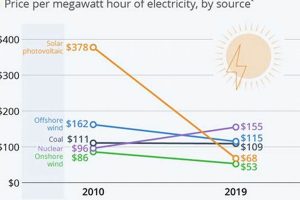
The practicality and feasibility of utilizing resources like solar, wind, hydro, geothermal, and biomass for power generation is a critical question for the future of energy. Examining this involves analyzing factors such as technological maturity, economic competitiveness, environmental impact, and grid integration capabilities. For instance, the declining cost of solar photovoltaic panels has made them a competitive energy source in many regions.
Transitioning to sustainable energy sources offers significant advantages, including reduced reliance on finite fossil fuels, mitigation of climate change through decreased greenhouse gas emissions, and the potential for creating new economic opportunities in manufacturing, installation, and maintenance. Historically, renewable energy sources have played a limited role due to technological limitations and cost barriers. However, advancements in technology and supportive policies have driven significant growth in recent decades.
This exploration will delve into the various facets of renewable energy technologies, assessing their current status and future potential. Topics to be covered include technological advancements, economic considerations, environmental impact, and the challenges of grid integration and storage. This will provide a comprehensive understanding of the transition towards a sustainable energy future.
Tips for Evaluating Energy Source Viability
Assessing the practicality of any energy source requires careful consideration of multiple factors. The following tips provide a framework for such an evaluation.
Tip 1: Consider Technological Maturity: Evaluate the current state of the technology. Is it readily available and deployable at scale, or is it still in its early stages of development? Examples include comparing established wind turbine technology with emerging wave energy converters.
Tip 2: Analyze Economic Competitiveness: Compare the levelized cost of energy (LCOE) of different energy sources. Factor in subsidies, incentives, and externalities like pollution costs. Consider long-term price trends and potential for cost reductions.
Tip 3: Assess Environmental Impact: Examine the full lifecycle environmental impact, including manufacturing, operation, and decommissioning. Consider greenhouse gas emissions, land use, water usage, and potential impacts on ecosystems.
Tip 4: Evaluate Grid Integration Capabilities: Assess the ability of the energy source to integrate seamlessly into existing power grids. Consider intermittency, grid stability, and the need for energy storage solutions.
Tip 5: Examine Resource Availability: Evaluate the availability and accessibility of the necessary resources. For example, solar power requires ample sunlight, while wind power requires consistent wind speeds.
Tip 6: Consider Social and Political Factors: Assess public acceptance, regulatory frameworks, and political support for different energy sources. These factors can significantly influence adoption rates.
Tip 7: Factor in Scalability: Can the energy source be scaled up to meet growing energy demands? Consider land requirements, resource limitations, and manufacturing capacity.
By considering these factors, a comprehensive understanding of the viability of various energy sources can be achieved, enabling informed decisions regarding energy policy and investment.
This analysis provides crucial insights for policymakers, investors, and researchers engaged in shaping the future of energy production and consumption.
1. Technological Advancements

Technological advancements play a crucial role in determining the feasibility of renewable energy sources. Improvements in efficiency, reliability, and cost-effectiveness directly impact the overall viability of these technologies. For example, advancements in photovoltaic cell technology have led to significant increases in solar panel efficiency and dramatic reductions in cost, making solar energy a competitive option in many regions. Similarly, innovations in wind turbine design, such as larger rotor diameters and improved blade aerodynamics, have increased energy capture and reduced the cost of wind power. Furthermore, advancements in energy storage technologies, such as batteries and pumped hydro, address the intermittency challenges associated with some renewable sources, enhancing their reliability and grid integration capabilities.
The development of smart grids and advanced control systems is also critical for integrating renewable energy sources effectively. These technologies enable real-time monitoring and management of energy flows, optimizing grid stability and facilitating the integration of variable renewable energy generation. Moreover, advancements in materials science and manufacturing processes contribute to the durability and longevity of renewable energy infrastructure, reducing maintenance costs and extending operational lifespans. For instance, the development of more robust and weather-resistant materials for wind turbine blades and solar panels improves their resilience and reduces the need for frequent repairs or replacements.
In conclusion, continuous technological advancements are essential for driving down costs, improving performance, and enhancing the grid integration of renewable energy sources. These advancements are pivotal in transitioning to a sustainable energy future, reducing reliance on fossil fuels, and mitigating the impacts of climate change. Ongoing research and development efforts in areas such as energy storage, smart grids, and advanced materials will further unlock the potential of renewable energy and accelerate its widespread adoption. Addressing challenges related to material scarcity and recycling of renewable energy components remains crucial for ensuring long-term sustainability.
2. Economic Competitiveness

Economic competitiveness is a critical factor in determining the viability of renewable energy sources. The ability of renewable energy technologies to compete with conventional fossil fuel-based generation directly influences their adoption and deployment. Analyzing the economic aspects of renewable energy requires considering factors such as capital costs, operating costs, fuel costs, subsidies, and externalities.
- Levelized Cost of Energy (LCOE)
LCOE is a key metric for comparing the cost of generating electricity from different sources. It represents the average cost of producing one unit of electricity over the entire lifespan of a power plant, including capital costs, operating and maintenance costs, and fuel costs. The decreasing LCOE of renewable energy technologies, particularly solar and wind, has made them increasingly competitive with fossil fuels in many regions. For example, recent auctions for solar and wind power have seen record-low prices, demonstrating their growing economic viability.
- Government Incentives and Subsidies
Government policies, such as tax credits, feed-in tariffs, and renewable portfolio standards, can significantly impact the economic competitiveness of renewable energy. These incentives can help level the playing field by reducing upfront costs or providing guaranteed revenue streams for renewable energy projects. However, the long-term sustainability of these policies and their potential impact on electricity prices need careful consideration. For example, the expiration of tax credits can lead to fluctuations in renewable energy investment.
- Externalities and Grid Integration Costs
The economic analysis of renewable energy should also account for externalities, such as the environmental and health costs associated with fossil fuel generation. These costs are often not reflected in market prices but represent significant societal burdens. Furthermore, integrating renewable energy sources into existing power grids can require investments in grid infrastructure upgrades, such as transmission lines and energy storage solutions. These integration costs need to be factored into the overall economic assessment of renewable energy. For instance, remote wind farms may necessitate new transmission infrastructure to connect them to the grid.
- Job Creation and Economic Growth
The transition to renewable energy can create new economic opportunities in manufacturing, installation, maintenance, and research and development. The renewable energy sector has the potential to generate significant employment and stimulate economic growth in communities and regions where these technologies are deployed. For example, the growth of the solar industry has created numerous jobs in manufacturing, installation, and sales.
The economic viability of renewable energy is a complex issue influenced by a multitude of factors. While technological advancements and supportive policies have driven down costs, making renewable energy increasingly competitive, challenges related to grid integration, intermittency, and long-term financing remain. A comprehensive economic analysis considering LCOE, externalities, government incentives, and job creation potential provides a clearer picture of the overall viability of renewable energy sources in the context of a sustainable energy future. Continued cost reductions and supportive policies are crucial for further enhancing the economic competitiveness of renewable energy and accelerating its widespread adoption.
3. Environmental Impact
Environmental impact is a cornerstone in evaluating the viability of renewable energy. The fundamental purpose of transitioning to renewable sources is to mitigate the detrimental environmental consequences associated with conventional energy generation, primarily from fossil fuels. This shift addresses several critical environmental concerns. Greenhouse gas emissions, a primary driver of climate change, are significantly reduced or eliminated by utilizing renewable sources. This reduction contributes to mitigating the risks of rising global temperatures, extreme weather events, and sea-level rise. Furthermore, renewable energy sources minimize air and water pollution often associated with fossil fuel extraction, processing, and combustion. This leads to improved air and water quality, benefiting both human health and ecosystems.
The life-cycle environmental impact of renewable energy technologiesfrom material extraction and manufacturing to operation and decommissioningrequires comprehensive analysis. While generally lower than fossil fuels, renewable energy technologies are not without environmental footprint. For example, the manufacturing of solar panels requires energy and resources, and their disposal needs careful management. Similarly, wind turbines can impact bird and bat populations, requiring careful siting and mitigation strategies. Understanding these impacts and implementing strategies to minimize them is crucial for ensuring the overall environmental benefits of renewable energy. Life-cycle assessments provide a valuable tool for evaluating the total environmental impact of different energy sources, allowing for informed decision-making. Hydroelectric dams, while providing renewable energy, can alter river ecosystems and displace communities. Therefore, careful planning and consideration of environmental and social impacts are essential for hydropower projects.
Ultimately, the environmental viability of renewable energy depends on minimizing these impacts throughout the entire life cycle of these technologies. Continued research and development into more sustainable materials, manufacturing processes, and end-of-life management strategies are crucial for maximizing the environmental benefits of renewable energy. Furthermore, strategic deployment and integration of renewable energy sources, considering local environmental conditions and potential impacts, is essential for minimizing negative consequences and maximizing positive outcomes. The transition to renewable energy presents a significant opportunity to reduce humanity’s environmental footprint and create a more sustainable future, but realizing this potential requires careful consideration and mitigation of potential environmental impacts.
4. Grid Integration

Grid integration is a crucial aspect of renewable energy viability. The ability to seamlessly and reliably integrate variable renewable energy sources, such as solar and wind power, into existing electricity grids is essential for their widespread adoption. The intermittent nature of these resources presents unique challenges for grid stability and reliability. Fluctuations in solar and wind power output require sophisticated grid management systems to balance supply and demand and maintain a consistent flow of electricity. This necessitates advancements in grid infrastructure, forecasting technologies, and energy storage solutions.
Effective grid integration requires addressing several key challenges. Intermittency necessitates strategies for balancing supply and demand, such as demand-side management, energy storage, and grid interconnection. Predicting renewable energy output accurately is crucial for grid operators to anticipate fluctuations and adjust dispatch schedules accordingly. Furthermore, strengthening grid infrastructure, including transmission lines and substations, is often necessary to accommodate the influx of renewable energy from geographically dispersed sources. For example, integrating large-scale solar farms in remote areas may require new transmission lines to connect them to population centers. Real-life examples, such as the integration of large amounts of wind power in Denmark and Germany, demonstrate both the opportunities and challenges of grid integration. These countries have successfully integrated significant wind capacity into their grids, but have also encountered challenges related to grid stability and the need for flexible generation resources.
The practical significance of understanding grid integration lies in its impact on energy security, reliability, and cost. Successful integration enables higher penetrations of renewable energy, reducing reliance on fossil fuels and enhancing energy independence. Moreover, a well-integrated grid can improve reliability by providing diverse generation sources and minimizing the impact of outages. Grid integration also influences the overall cost of renewable energy. Investments in grid infrastructure and energy storage can increase upfront costs, but these investments can be offset by the long-term benefits of reduced fuel costs and enhanced grid stability. The evolving landscape of grid technologies, including smart grids and microgrids, offers innovative solutions for integrating renewable energy more effectively. These technologies enable real-time monitoring and control of energy flows, optimizing grid operations and facilitating the seamless integration of distributed renewable energy resources.
5. Resource Availability

Resource availability is intrinsically linked to the viability of renewable energy. The accessibility and abundance of resources required for renewable energy technologies directly influence their feasibility and potential for large-scale deployment. Evaluating resource availability necessitates considering geographical distribution, technological requirements, environmental impact, and potential competition with other sectors.
- Solar Energy Resources
Solar energy relies on sunlight, a resource that varies geographically and seasonally. Regions with high solar irradiance, such as deserts and equatorial regions, offer greater potential for solar energy generation. Assessing solar resource availability requires analyzing solar irradiance data, cloud cover patterns, and shading effects. For instance, the Sahara Desert possesses abundant solar resources, making it a prime location for large-scale solar projects. However, challenges related to land use, dust accumulation, and transmission infrastructure need consideration. Furthermore, the variability of solar resources throughout the day and across seasons necessitates energy storage solutions or grid management strategies to ensure a reliable power supply.
- Wind Energy Resources
Wind energy depends on consistent and sufficiently strong winds. Coastal areas, mountainous regions, and open plains often exhibit favorable wind resources. Analyzing wind speed and direction data, along with factors such as turbulence and wind shear, is essential for assessing wind resource potential. Offshore wind farms, located in areas with higher and more consistent wind speeds, offer significant potential for large-scale wind energy generation. For example, the North Sea has emerged as a hub for offshore wind development due to its favorable wind resources. However, the environmental impacts of offshore wind farms on marine ecosystems need careful evaluation and mitigation.
- Hydropower Resources
Hydropower relies on flowing water to generate electricity. Rivers, streams, and reservoirs with sufficient elevation change and water flow provide suitable locations for hydropower plants. Assessing hydropower resources requires analyzing hydrological data, including river flow rates, precipitation patterns, and reservoir capacity. The Three Gorges Dam in China, the world’s largest hydropower station, harnesses the immense water resources of the Yangtze River. However, large-scale hydropower projects can have significant environmental and social impacts, such as habitat alteration, displacement of communities, and changes in downstream water flows.
- Geothermal Resources
Geothermal energy utilizes heat from the Earth’s interior. Regions with high geothermal activity, such as volcanic areas and tectonic plate boundaries, offer greater potential for geothermal power generation. Assessing geothermal resources requires geological surveys, temperature measurements, and analysis of subsurface rock formations. Iceland, located on a geologically active hotspot, extensively utilizes geothermal energy for electricity generation and heating. However, geothermal development can have localized environmental impacts, such as land subsidence and the release of geothermal gases.
Resource availability significantly influences the overall viability and scalability of renewable energy technologies. Regions with abundant resources are better positioned to deploy these technologies cost-effectively and meet growing energy demands. Understanding resource distribution, technological constraints, and potential environmental impacts is crucial for strategic planning and informed decision-making regarding renewable energy development. Furthermore, competition for resources, such as land and water, between different sectors requires careful consideration to ensure sustainable development and minimize negative consequences. Ultimately, a comprehensive understanding of resource availability is essential for maximizing the potential of renewable energy and transitioning towards a more sustainable energy future.
6. Policy and Regulations

Government policies and regulations play a pivotal role in shaping the landscape of renewable energy development and deployment. These interventions directly influence the economic viability, technological advancement, and overall market adoption of renewable energy technologies. Examining the interplay between policy and regulations and renewable energy viability requires analyzing various policy instruments, their effectiveness, and their impact on the renewable energy sector.
- Renewable Portfolio Standards (RPS)
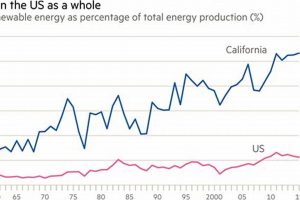
RPS policies mandate that a certain percentage of electricity generation comes from renewable sources. These standards create a market demand for renewable energy, incentivizing investment and deployment. Several states in the United States have implemented RPS targets, driving significant growth in renewable energy capacity. For example, California’s RPS requires 60% renewable electricity by 2030. The effectiveness of RPS policies depends on factors such as the stringency of the targets, the mechanisms for compliance, and the enforcement mechanisms. Stringent targets can accelerate renewable energy development, while flexible compliance mechanisms can reduce costs.
- Feed-in Tariffs (FITs)
FITs offer guaranteed prices for renewable energy fed into the grid. This provides price stability and revenue certainty for renewable energy developers, reducing investment risks and encouraging project development. Germany’s early adoption of FITs played a crucial role in its rapid expansion of solar and wind power. However, the design of FITs requires careful consideration to avoid excessive subsidies and unintended consequences. Setting tariffs too high can lead to inflated electricity prices, while setting them too low can stifle investment. The long-term sustainability of FITs also requires adjustments to account for declining technology costs.
- Tax Credits and Incentives
Tax credits and other financial incentives, such as investment tax credits and production tax credits, can reduce the upfront costs of renewable energy projects. These incentives can make renewable energy more competitive with conventional fossil fuels, accelerating their adoption. The federal Investment Tax Credit (ITC) in the United States has been instrumental in driving the growth of the solar industry. However, the effectiveness of tax credits can be influenced by factors such as their duration, eligibility criteria, and the overall tax policy environment. Policy uncertainty, such as frequent changes to tax credit programs, can create investment risks and hinder long-term planning.
- Carbon Pricing Mechanisms
Carbon pricing mechanisms, such as carbon taxes and cap-and-trade systems, internalize the environmental costs of fossil fuel emissions. By putting a price on carbon, these policies incentivize the shift towards cleaner energy sources, including renewables. The European Union Emissions Trading System (EU ETS) is a prominent example of a cap-and-trade system that has contributed to emissions reductions. The effectiveness of carbon pricing mechanisms depends on factors such as the price level, the coverage of emitting sectors, and the use of revenue generated from carbon pricing. Revenues can be used to support renewable energy development, energy efficiency programs, or other climate mitigation initiatives.
The effectiveness of policies and regulations in promoting renewable energy depends on their design, implementation, and enforcement. Well-designed policies can create a stable and predictable market environment that encourages investment, innovation, and deployment of renewable energy technologies. Furthermore, policy consistency and long-term vision are crucial for providing investor confidence and fostering sustained growth in the renewable energy sector. The interplay between different policy instruments and their interaction with market forces also requires careful consideration. A comprehensive and integrated policy approach, combining various instruments and addressing market barriers, is essential for maximizing the effectiveness of renewable energy policies and achieving a sustainable energy transition. For instance, combining RPS policies with carbon pricing and targeted incentives can create a synergistic effect, accelerating the deployment of renewable energy while minimizing costs and maximizing environmental benefits.
7. Social Acceptance

Social acceptance plays a critical role in the viability of renewable energy. Public perception and community support significantly influence the feasibility of developing and deploying renewable energy projects. Examining the interplay between social acceptance and renewable energy viability requires analyzing factors such as public attitudes, community engagement, perceived benefits and risks, and the role of communication and education.
Positive public perception and community support can facilitate the permitting and approval process for renewable energy projects, streamlining development timelines and reducing costs. Conversely, public opposition or skepticism can lead to delays, project cancellations, or increased development expenses. For instance, community concerns about the visual impact of wind turbines can lead to project modifications or even rejection. Effective community engagement, transparency, and addressing public concerns are essential for building social acceptance and fostering successful project development. Real-world examples, such as community-owned wind farms and solar cooperatives, demonstrate the positive impact of community engagement and ownership on project success. These initiatives empower local communities to participate in the renewable energy transition, enhancing social acceptance and fostering a sense of shared ownership.
Understanding the drivers of social acceptance is crucial for policymakers, developers, and researchers. Factors such as perceived economic benefits, environmental awareness, trust in technology, and perceived fairness in the distribution of costs and benefits influence public attitudes towards renewable energy. Effective communication and public education campaigns play a vital role in addressing misconceptions, promoting the benefits of renewable energy, and fostering informed decision-making. Furthermore, incorporating social considerations into project planning and development, such as minimizing environmental impacts, maximizing local economic benefits, and engaging with communities early in the process, can enhance social acceptance and increase the likelihood of project success. Social acceptance presents both a challenge and an opportunity for the renewable energy transition. Addressing public concerns, building trust, and fostering community support are essential for realizing the full potential of renewable energy and achieving a sustainable energy future.
Frequently Asked Questions about Renewable Energy Viability
This section addresses common inquiries regarding the practicality and feasibility of transitioning to renewable energy sources.
Question 1: Are renewable energy technologies reliable enough to meet current and future energy demands?
Reliability is a central concern in evaluating renewable energy sources. While solar and wind power are inherently variable, advancements in forecasting, grid management, and energy storage technologies are enhancing their reliability. Diversifying renewable energy sources and integrating them across wider geographic areas can further mitigate variability and ensure a consistent energy supply. Furthermore, hybrid systems combining renewable energy with conventional backup generation can provide added reliability.
Question 2: How do the costs of renewable energy compare to conventional fossil fuels?
The levelized cost of energy (LCOE) for several renewable energy technologies, particularly solar and wind, has decreased significantly in recent years, making them competitive with, and in some cases cheaper than, fossil fuels in many regions. Furthermore, declining battery storage costs are enhancing the economic viability of renewable energy by addressing intermittency challenges. While upfront capital costs for renewable energy projects can be higher, operational costs are generally lower due to the absence of fuel costs.
Question 3: What is the environmental impact of renewable energy technologies?
Renewable energy technologies offer significant environmental advantages over fossil fuels by reducing greenhouse gas emissions, air pollution, and water contamination. However, they are not entirely without environmental impact. Manufacturing processes, land use, and potential impacts on wildlife require careful consideration and mitigation strategies. Life-cycle assessments provide a comprehensive evaluation of the environmental footprint of different energy sources.
Question 4: How can intermittent renewable energy sources be integrated into existing power grids?
Integrating intermittent renewable energy sources requires advanced grid management techniques, including demand-side management, smart grids, and energy storage solutions. Strengthening grid infrastructure, such as transmission lines and substations, is often necessary to accommodate the influx of renewable energy from geographically dispersed sources. Grid interconnection across wider areas can also enhance stability and reliability by pooling diverse renewable resources.
Question 5: What role do government policies play in promoting renewable energy adoption?
Government policies play a crucial role in incentivizing renewable energy development and deployment. Policies such as renewable portfolio standards (RPS), feed-in tariffs (FITs), tax credits, and carbon pricing mechanisms create market demand, provide price stability, and reduce investment risks for renewable energy projects. Supportive policies can accelerate the transition to a cleaner energy future.
Question 6: What are the key barriers to widespread renewable energy adoption?
Key barriers include grid integration challenges, intermittency of some renewable sources, upfront capital costs, public acceptance, and policy uncertainty. Addressing these barriers requires technological advancements, supportive policies, community engagement, and effective communication to promote the benefits of renewable energy.
Successfully transitioning to renewable energy requires a multifaceted approach encompassing technological advancements, economic incentives, grid modernization, and public acceptance. Addressing these challenges effectively paves the way for a more sustainable and resilient energy future.
The following sections will explore specific renewable energy technologies in greater detail, examining their current status, future potential, and contribution to the global energy transition.
Conclusion
The examination of renewable energy viability reveals a complex interplay of technological advancements, economic considerations, environmental impacts, grid integration challenges, resource availability, policy frameworks, and social acceptance. While significant progress has been made in reducing costs and improving the performance of renewable energy technologies, challenges remain in achieving seamless grid integration, ensuring resource accessibility, and fostering widespread public support. The analysis underscores the crucial role of supportive policies, sustained research and development, and effective community engagement in accelerating the transition to a renewable energy future.
The future of energy hinges on the continued pursuit of technological innovation, strategic policy implementation, and fostering a greater understanding of the societal benefits of renewable energy. Transitioning towards a sustainable energy system requires a collective commitment to addressing the remaining challenges and realizing the full potential of renewable energy to power a cleaner, more resilient, and prosperous future.