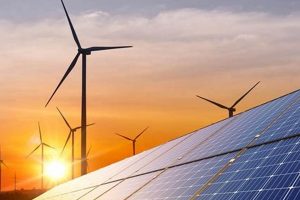
Early-stage investments in sustainable power generation, such as solar, wind, hydro, geothermal, and biomass energy, are crucial for fostering innovation and driving the transition to a cleaner energy future. These investments often target research and development, pilot projects, and the initial scaling of promising technologies. For example, funding the development of more efficient solar panels or innovative wind turbine designs falls under this category.
Supporting nascent renewable energy technologies through targeted investments holds significant potential for both environmental and economic advancement. It can lead to breakthroughs that reduce the cost of clean energy, improve its reliability, and expand its accessibility. Historically, government subsidies and private venture capital have played vital roles in nurturing the growth of the renewable energy sector, enabling it to become a competitive force in the global energy market.
This article will further explore specific areas within early-stage renewable energy investment, including technological advancements, policy frameworks, market trends, and the role of various stakeholders.
Tips for Successful Early-Stage Renewable Energy Investments
Navigating the complexities of early-stage renewable energy investments requires careful consideration of several key factors. The following tips offer guidance for potential investors and entrepreneurs seeking to contribute to a sustainable energy future.
Tip 1: Thorough Due Diligence: Rigorous research into the technology, market potential, and management team is essential before committing capital. This includes evaluating the technology’s maturity, its competitive advantages, and the team’s experience and expertise.
Tip 2: Understanding Policy and Regulatory Landscape: Government policies and regulations can significantly impact the success of renewable energy projects. Investors should be aware of current incentives, permitting processes, and potential future changes in policy.
Tip 3: Diversification Across Technologies and Geographies: Diversifying investments across different renewable energy technologies and geographic locations can mitigate risk and capitalize on varying market opportunities. This approach can help balance potential losses in one area with gains in another.
Tip 4: Long-Term Perspective: Early-stage investments in renewable energy often require a long-term outlook, as technologies may take time to mature and achieve commercial viability. Patience and a commitment to sustained support are crucial.
Tip 5: Collaboration and Partnerships: Building strong partnerships with research institutions, industry experts, and other stakeholders can provide valuable insights, resources, and support for early-stage ventures.
Tip 6: Focus on Scalability and Commercialization: While early-stage investments often focus on research and development, it’s important to consider the long-term scalability and commercialization potential of the technology. A clear pathway to market entry is essential for eventual success.
Tip 7: Impact Measurement and Reporting: Tracking and reporting the environmental and social impact of investments is becoming increasingly important. Investors should prioritize projects that demonstrate a commitment to sustainability and social responsibility.
By considering these tips, investors can increase their chances of success in the early-stage renewable energy sector while contributing to a more sustainable future. These guidelines offer a framework for informed decision-making and responsible investment practices.
This article will conclude with a discussion on the future prospects of early-stage renewable energy investments and their potential to reshape the global energy landscape.
1. Funding New Technologies

Early-stage investment (EIS) plays a crucial role in driving innovation within the renewable energy sector. Funding new technologies is essential for achieving breakthroughs that can reduce costs, improve efficiency, and expand the accessibility of clean energy. This section explores key facets of funding new technologies within the context of EIS for renewable energy.
- Research and Development
EIS funding often targets research and development (R&D) efforts aimed at improving existing renewable energy technologies or developing entirely new ones. This can include advancements in solar cell materials, wind turbine design, energy storage solutions, and smart grid technologies. For instance, investments in R&D for perovskite solar cells could lead to higher efficiency and lower manufacturing costs compared to traditional silicon-based cells. Such advancements are critical for accelerating the adoption of renewable energy.
- Pilot Projects and Demonstrations
Funding pilot projects and demonstration facilities allows promising technologies to be tested and validated in real-world conditions. These projects provide valuable data on performance, reliability, and scalability, which are essential for attracting further investment and moving towards commercialization. A pilot project demonstrating the feasibility of a novel wave energy converter, for example, could pave the way for larger-scale deployments.
- Scaling Up Production
Once a renewable energy technology has proven its viability, EIS can support the scaling up of production and manufacturing. This involves investing in infrastructure, equipment, and workforce development to increase production capacity and reduce costs. For example, funding the expansion of a factory producing innovative wind turbine blades can contribute to making wind energy more competitive with conventional energy sources.
- Supporting Emerging Technologies
EIS can play a vital role in nurturing emerging renewable energy technologies that are still in their early stages of development. These technologies may have high potential but also carry higher risks. Examples include investments in advanced biofuels, geothermal energy extraction technologies, and hydrogen production from renewable sources. Targeted funding can help these technologies overcome technical hurdles and reach commercial viability.
By focusing on these key areas, EIS for renewable energy fosters innovation and accelerates the transition towards a cleaner, more sustainable energy future. These investments are essential for overcoming technical challenges, reducing costs, and ultimately making renewable energy a dominant force in the global energy market. The continued development and deployment of these technologies are crucial for achieving global climate goals and ensuring a sustainable energy future.
2. Mitigating Investment Risks

Mitigating investment risks is paramount within early-stage renewable energy investments (EIS). The inherent uncertainties associated with nascent technologies necessitate a strategic approach to risk management. This involves careful evaluation of technological viability, market dynamics, regulatory landscapes, and financial projections. A comprehensive understanding of these factors allows investors to make informed decisions and minimize potential losses. For instance, conducting thorough due diligence on a novel solar panel technology, including independent testing and verification of performance claims, can significantly reduce the risk of investing in an underperforming or unproven technology. Furthermore, diversifying investments across a portfolio of different renewable energy technologies can mitigate the impact of any single project’s failure.
Effective risk mitigation strategies in EIS also involve analyzing the regulatory environment and potential policy changes that could affect project profitability. For example, shifts in government subsidies or feed-in tariffs can significantly impact the financial viability of renewable energy projects. Investors must consider these potential changes when evaluating investment opportunities. Additionally, assessing the management team’s experience and expertise is critical, as strong leadership can navigate challenges and increase the likelihood of success. A practical example would be evaluating the track record of a company developing offshore wind farms, considering their experience in managing complex marine construction projects and securing necessary permits. This careful evaluation of management experience can reduce the risk of project delays and cost overruns.
In conclusion, successful EIS in renewable energy hinges on robust risk mitigation strategies. These strategies involve comprehensive due diligence, diversification across technologies, careful analysis of policy landscapes, and assessment of management teams. Understanding and implementing these practices are crucial for maximizing returns while contributing to a sustainable energy future. Failure to adequately address these risks can lead to significant financial losses and hinder the growth of the renewable energy sector. Therefore, a prudent approach to risk management is not merely a financial safeguard but a critical component of advancing the transition to a cleaner energy future.
3. Policy and regulatory frameworks

Policy and regulatory frameworks are integral to the success of early-stage investments (EIS) in renewable energy. These frameworks shape the investment landscape by influencing investor confidence, technological development pathways, and market growth. Stable, transparent, and supportive policies can incentivize investment in nascent renewable energy technologies, while poorly designed or inconsistent regulations can create uncertainty and hinder investment. For example, feed-in tariffs, which guarantee a fixed price for renewable energy fed into the grid, have proven effective in stimulating investment in solar photovoltaic (PV) projects in several countries. Conversely, abrupt changes in subsidy schemes or permitting processes can deter investors and stall project development.
The effectiveness of policy instruments in promoting EIS in renewable energy depends on their design and implementation. Mechanisms like tax credits, renewable portfolio standards (RPS), and carbon pricing can create favorable market conditions for renewable energy technologies. RPS, which mandate a certain percentage of electricity generation from renewable sources, have driven significant growth in wind and solar capacity in various regions. However, the practical impact of such policies can be influenced by factors such as enforcement mechanisms, grid infrastructure development, and public acceptance. Furthermore, international policy frameworks, such as the Paris Agreement, play a crucial role in setting global targets and fostering collaboration on climate change mitigation, indirectly influencing national and regional policy decisions related to renewable energy investments.
Understanding the interplay between policy and regulatory frameworks and EIS in renewable energy is crucial for both policymakers and investors. Effective policies can de-risk investments, accelerate technological innovation, and drive the transition to a sustainable energy system. However, policy uncertainty and regulatory barriers can stifle innovation and hinder the growth of the renewable energy sector. Careful consideration of policy design, implementation, and international cooperation is essential for creating an enabling environment for EIS in renewable energy and achieving global climate goals. Addressing challenges like grid integration, energy storage, and public perception requires a holistic policy approach that considers the entire renewable energy value chain.
4. Long-term growth potential

Long-term growth potential represents a critical factor in early-stage investments (EIS) within the renewable energy sector. The inherent long-term nature of renewable energy projects, encompassing decades of operation, necessitates a thorough assessment of growth prospects. Evaluating long-term growth potential involves analyzing factors such as technological advancements, evolving market dynamics, policy stability, and climate change mitigation targets. For instance, projecting the growth of solar photovoltaic (PV) installations requires considering declining technology costs, increasing electricity demand, government incentives, and carbon reduction commitments. Accurate long-term growth assessments inform investment decisions and strategic planning within the renewable energy industry.
The connection between long-term growth potential and EIS in renewable energy hinges on the understanding that early investments often target technologies and business models yet to reach full maturity. These investments carry inherent risks but offer substantial potential returns if long-term growth prospects are accurately evaluated and realized. Consider investments in emerging energy storage solutions, for example. While the current market might be limited, projections of rising demand for grid-scale storage, driven by increasing penetration of intermittent renewable sources, suggest significant long-term growth potential. Successful EIS requires aligning investment strategies with these projected growth trajectories. Analyzing historical trends, technological roadmaps, and regulatory developments provides insights into the potential long-term growth of specific renewable energy sub-sectors.
Understanding the long-term growth potential of renewable energy investments is crucial for both investors and policymakers. Investors rely on these projections to make informed decisions regarding capital allocation, while policymakers use them to design effective regulatory frameworks and support mechanisms. Overestimating growth potential can lead to stranded assets and financial losses, while underestimating it can hinder innovation and deployment of critical clean energy technologies. A balanced, data-driven approach to assessing long-term growth potential is essential for fostering sustainable development within the renewable energy sector and achieving global climate goals. This involves considering both the opportunities and the challenges associated with the long-term evolution of energy markets and technological landscapes.
5. Impact on Energy Transition

Early-stage investments (EIS) in renewable energy technologies play a pivotal role in driving the global energy transition away from fossil fuels and towards a more sustainable energy future. The impact of these investments extends beyond individual projects, influencing broader market trends, technological advancements, and ultimately, the pace of decarbonization. This section explores the multifaceted impact of EIS on the energy transition.
- Accelerating Technological Innovation
EIS provides crucial funding for research and development, enabling the development of more efficient and cost-effective renewable energy technologies. This accelerates the pace of innovation, leading to breakthroughs in areas such as solar cell efficiency, wind turbine design, energy storage solutions, and smart grid technologies. For example, investments in next-generation concentrated solar power (CSP) could significantly improve the dispatchability and reliability of solar energy, contributing to its wider adoption.
- Driving Down Costs
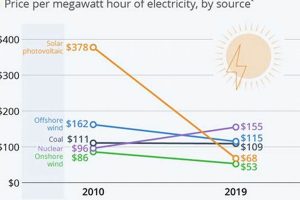
By supporting the scaling up of production and deployment of renewable energy technologies, EIS contributes to economies of scale and learning-by-doing effects. This drives down the costs of renewable energy, making it increasingly competitive with fossil fuels and accelerating its integration into the energy mix. The historical decline in the cost of solar PV modules, driven partly by early-stage investments, exemplifies this impact.
- Creating New Markets and Industries
EIS in renewable energy fosters the emergence of new markets and industries, creating jobs and stimulating economic growth. The development of offshore wind farms, for example, requires specialized skills and infrastructure, leading to the creation of new supply chains and employment opportunities. This positive economic impact further strengthens the case for transitioning to a renewable energy-based economy.
- Enabling Policy and Regulatory Frameworks
Successful early-stage projects can demonstrate the viability and potential of new renewable energy technologies, providing evidence-based support for policymakers to develop supportive regulatory frameworks. The success of early feed-in tariff programs for solar PV, for instance, paved the way for more ambitious renewable energy targets and policies in many countries.
In conclusion, EIS in renewable energy acts as a catalyst for the energy transition, driving technological innovation, reducing costs, creating new economic opportunities, and informing policy decisions. The cumulative impact of these investments is essential for achieving a rapid and sustainable shift towards a clean energy future, mitigating climate change, and ensuring long-term energy security. Furthermore, the transformative potential of EIS in renewable energy extends beyond purely economic and environmental considerations, contributing to social equity and access to clean energy in underserved communities. Therefore, continued and strategic EIS is not merely an investment in specific technologies but a crucial investment in a sustainable and equitable future.
6. Sustainable Development Goals
Early-stage investments (EIS) in renewable energy are intrinsically linked to the Sustainable Development Goals (SDGs), a collection of 17 interlinked global goals designed to be a “blueprint to achieve a better and more sustainable future for all.” Adopted by the United Nations in 2015, the SDGs address global challenges related to poverty, inequality, climate, environmental degradation, prosperity, and peace and justice. EIS in renewable energy plays a crucial role in achieving several of these goals, particularly those related to affordable and clean energy (SDG 7), climate action (SDG 13), and sustainable economic growth (SDG 8).
- Affordable and Clean Energy (SDG 7)
EIS directly contributes to SDG 7 by fostering innovation and driving down the costs of renewable energy technologies. This makes clean energy more accessible to a wider population, particularly in developing countries, reducing reliance on polluting and expensive fossil fuels. For example, investments in off-grid solar solutions can provide electricity to remote communities lacking access to traditional power grids, improving living standards and promoting economic development.
- Climate Action (SDG 13)
By accelerating the transition to a low-carbon energy system, EIS in renewable energy plays a vital role in mitigating climate change (SDG 13). Investments in renewable energy technologies reduce greenhouse gas emissions, helping to limit global warming and its associated impacts, such as extreme weather events, sea-level rise, and biodiversity loss. Supporting the development and deployment of carbon capture and storage technologies alongside renewable energy generation further enhances climate change mitigation efforts.
- Sustainable Economic Growth (SDG 8)
EIS in renewable energy stimulates economic growth and job creation (SDG 8). The renewable energy sector offers significant employment opportunities in manufacturing, installation, maintenance, and research and development. Furthermore, access to affordable and reliable clean energy can boost productivity and economic activity, particularly in developing economies. For example, investing in local manufacturing of solar panels can create jobs and reduce reliance on imported energy technologies.
- Industry, Innovation, and Infrastructure (SDG 9)
EIS in renewable energy fosters innovation and supports the development of sustainable infrastructure (SDG 9). Investing in research and development of new renewable energy technologies, smart grids, and energy storage solutions strengthens technological capabilities and builds resilient infrastructure. This, in turn, supports broader sustainable development objectives, such as improved access to clean water and sanitation, sustainable transportation systems, and resilient cities.
In conclusion, EIS in renewable energy serves as a crucial enabler of the SDGs, particularly those related to energy, climate, and economic growth. By fostering innovation, driving down costs, and creating new economic opportunities, these investments contribute to a more sustainable and equitable future for all. The interconnected nature of the SDGs underscores the importance of a holistic approach to sustainable development, recognizing the synergistic effects of investments in renewable energy across multiple goals. Supporting EIS in renewable energy is not merely an investment in clean energy technologies but an investment in a future where economic development, social progress, and environmental protection are mutually reinforcing.
Frequently Asked Questions about Early-Stage Renewable Energy Investments
This section addresses common inquiries regarding early-stage investments in renewable energy, aiming to provide clarity and facilitate informed decision-making.
Question 1: What constitutes “early-stage” in the context of renewable energy investments?
Early-stage typically refers to investments in companies or projects that are still in the research, development, or pilot demonstration phase. This includes technologies that have not yet reached commercial-scale deployment but demonstrate significant potential for future market impact. The specific stage can vary depending on the technology and the investor’s risk tolerance.
Question 2: What are the primary risks associated with these investments?
Risks include technological uncertainty, market adoption challenges, regulatory changes, and the potential for cost overruns or delays. Thorough due diligence, diversification across technologies, and a long-term investment horizon are crucial for mitigating these risks.
Question 3: What are the potential returns on investment?
While early-stage investments carry higher risks, they also offer the potential for substantial returns if the technology proves successful and achieves widespread adoption. Returns can come through various avenues, including initial public offerings (IPOs), acquisitions, or licensing agreements.
Question 4: What role do government policies play in incentivizing these investments?
Government policies, such as tax credits, grants, feed-in tariffs, and renewable portfolio standards, play a critical role in creating a favorable investment environment. These policies can help de-risk investments, stimulate innovation, and accelerate market growth.
Question 5: How can investors identify promising early-stage renewable energy technologies?
Identifying promising technologies requires careful analysis of technological viability, market potential, management team expertise, and regulatory landscape. Seeking advice from industry experts, conducting thorough due diligence, and attending industry conferences can aid in this process.
Question 6: What is the impact of these investments on sustainable development?
Investments in early-stage renewable energy technologies contribute significantly to sustainable development goals by promoting access to clean energy, mitigating climate change, creating jobs, and fostering economic growth. These investments are essential for a transition towards a more sustainable and equitable future.
Understanding these key aspects of early-stage renewable energy investing is crucial for making informed decisions and contributing to a sustainable energy future. Careful consideration of risks and opportunities, alongside a long-term perspective, are essential for success in this dynamic and impactful sector.
This concludes the FAQ section. The following section will discuss future trends and opportunities within the early-stage renewable energy investment landscape.
Conclusion
This exploration of early-stage investments in renewable energy (EIS) has highlighted their crucial role in driving innovation, accelerating the energy transition, and contributing to a more sustainable future. From funding groundbreaking research and development to supporting the scaling of promising technologies, EIS provides the critical capital necessary for transforming the energy landscape. Key takeaways include the importance of robust risk mitigation strategies, the influence of supportive policy frameworks, and the significant long-term growth potential of the renewable energy sector. The connection between EIS and sustainable development goals underscores the broader societal benefits of these investments, encompassing economic growth, job creation, and climate change mitigation.
The future of energy hinges on continued and strategic investment in early-stage renewable energy technologies. The challenges posed by climate change and the growing global demand for energy require a concerted effort to accelerate the transition towards a cleaner, more sustainable energy system. Supporting EIS is not simply a financial decision; it is a commitment to a future powered by innovation, sustainability, and the pursuit of a healthier planet. The time for decisive action is now, and early-stage investments in renewable energy represent a critical pathway towards a brighter energy future.