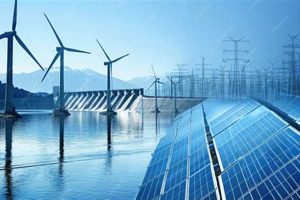
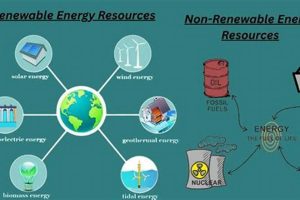
The Republic of Cyprus faces significant energy challenges, including high dependence on imported fossil fuels and relatively high electricity prices. Harnessing locally available resources like solar, wind, and biomass offers a pathway towards greater energy independence, price stability, and reduced greenhouse gas emissions. For example, photovoltaic systems are becoming increasingly common in residential and commercial settings, taking advantage of the island’s abundant sunshine.
Transitioning to sustainable power sources is crucial for the nation’s economic and environmental future. It offers the potential to create new jobs in the green energy sector, stimulate technological innovation, and improve air quality. Historically, Cyprus has relied heavily on conventional power generation. However, growing awareness of climate change and the need for energy security has driven increasing interest in sustainable alternatives. Government initiatives and private investments are now accelerating the development and deployment of these technologies.
This exploration will delve into the specific types of sustainable power generation being implemented in Cyprus, the challenges faced in their adoption, and the future prospects for a fully transitioned energy landscape. Topics to be covered include current policies and incentives, technological advancements, grid integration issues, and the role of public awareness in driving this essential transformation.
Tips for Supporting Sustainable Power in Cyprus
Individuals, businesses, and communities can play a vital role in furthering the adoption of sustainable power generation. The following tips offer practical guidance on contributing to this important transition.
Tip 1: Invest in rooftop solar photovoltaic (PV) systems. Residential and commercial properties can generate their own electricity, reducing reliance on the grid and lowering energy bills. Government incentives and financing options are available to support these investments.
Tip 2: Explore solar water heating solutions. Cyprus’ abundant sunshine makes solar thermal systems a cost-effective way to reduce energy consumption for domestic hot water.
Tip 3: Support sustainable businesses. Choose products and services from companies committed to using sustainable power and promoting environmentally responsible practices.
Tip 4: Advocate for energy efficiency measures. Improving building insulation, using energy-efficient appliances, and adopting smart home technologies can significantly reduce overall energy demand.
Tip 5: Participate in community solar projects. For those without suitable rooftops or sufficient capital for individual installations, community solar farms offer an alternative way to benefit from locally generated sustainable power.
Tip 6: Stay informed about policy developments and incentives. Government policies and financial incentives for sustainable power generation can evolve. Staying updated on these changes can help individuals and businesses make informed decisions.
Tip 7: Engage in public discourse. Supporting policies that promote sustainable power and advocating for greater investment in research and development can accelerate the transition to a cleaner energy future.
By embracing these suggestions, residents and businesses can contribute to a more sustainable energy landscape, reducing their environmental impact and fostering a more secure energy future for Cyprus.
These individual actions, combined with larger-scale policy initiatives and technological advancements, will pave the way for a successful transition to a cleaner and more resilient energy system in Cyprus. The following section will conclude this exploration by highlighting the long-term vision for the nation’s energy future.
1. Solar Power

Solar power represents a cornerstone of Cyprus’ renewable energy strategy. The island nation’s geographical location and climate provide abundant solar radiation, making it an ideal location for harnessing this clean energy source. This natural advantage translates into significant potential for reducing reliance on imported fossil fuels, lowering greenhouse gas emissions, and enhancing energy security. Large-scale solar photovoltaic (PV) plants are being developed, alongside rooftop solar installations on residential and commercial buildings. For example, the Orites Solar Power Plant, one of the largest in Cyprus, contributes significantly to the national grid. This project exemplifies the practical application of solar energy and its contribution to the country’s renewable energy targets.
The growing adoption of solar power in Cyprus is driven by several factors. Declining costs of solar PV technology, coupled with government incentives and feed-in tariffs, have made solar installations increasingly attractive for both individuals and businesses. Moreover, the increasing awareness of the environmental benefits of solar energy further fuels its adoption. From a practical standpoint, solar power contributes to diversifying the energy mix, reducing price volatility associated with fossil fuels, and creating new job opportunities in the renewable energy sector. Distributed generation through rooftop solar installations enhances grid resilience and reduces transmission losses.
Integrating solar power into the national grid presents challenges, primarily due to the intermittent nature of solar radiation. Energy storage solutions, grid modernization, and smart grid technologies are crucial for addressing these challenges and ensuring a stable and reliable electricity supply. Continued investment in research and development, alongside supportive policies and regulations, will be essential for maximizing the potential of solar power and achieving Cyprus’ renewable energy goals. The successful integration of solar power holds significant implications for the island’s sustainable development and its transition to a cleaner, more secure energy future.
2. Wind Energy

Wind energy plays a growing role within Cyprus’ renewable energy landscape. The island’s topography and location in the Mediterranean Sea provide favorable wind resources, particularly in coastal areas and mountainous regions. Harnessing this wind potential contributes to diversifying the energy mix, reducing dependence on fossil fuel imports, and mitigating greenhouse gas emissions. Wind energy complements solar power, as wind resources are often available when solar radiation is limited, such as during nighttime or cloudy days. This complementarity enhances the reliability and stability of the renewable energy supply. Real-life examples include the Orites Wind Park, located in the Troodos Mountains, demonstrating the viability of wind power generation in Cyprus.
Developing wind energy infrastructure requires careful consideration of environmental and social factors. Assessing potential impacts on bird and bat populations, as well as visual impacts on landscapes, is crucial for ensuring sustainable development. Community engagement and addressing local concerns are essential aspects of successful wind energy projects. Technological advancements, such as larger wind turbines and improved grid integration technologies, are continuously enhancing the efficiency and cost-effectiveness of wind power generation. Cyprus’ commitment to wind energy is reflected in its national renewable energy targets and supportive policies, including streamlined permitting processes and feed-in tariffs. These policies aim to incentivize investment in wind energy and accelerate its deployment.
Further expansion of wind energy capacity in Cyprus faces challenges, including land availability constraints and potential grid connection limitations. Strategic planning, grid modernization, and investing in energy storage solutions are essential for overcoming these challenges. The integration of wind energy into the national grid requires careful management to ensure grid stability and reliability, particularly given the intermittent nature of wind resources. Despite these challenges, wind energy remains a key component of Cyprus’ renewable energy strategy, offering a pathway toward a cleaner, more secure, and sustainable energy future. The ongoing development and integration of wind power projects will contribute significantly to achieving the nation’s long-term energy goals.
3. Biomass Utilization

Biomass utilization represents a valuable component within Cyprus’ renewable energy portfolio, offering a sustainable pathway for diversifying energy sources and reducing reliance on fossil fuels. Utilizing organic matter for energy production contributes to waste reduction, promotes circular economy principles, and supports rural development. Biomass resources in Cyprus include agricultural residues, forestry byproducts, and dedicated energy crops. This exploration delves into the key facets of biomass utilization within the context of Cyprus’ renewable energy landscape.
- Agricultural Residues
Agricultural residues, such as olive pomace and wheat straw, represent a readily available and sustainable biomass resource. These byproducts can be utilized for energy production through various technologies, including anaerobic digestion and combustion. For example, several agricultural cooperatives in Cyprus are implementing anaerobic digestion systems to generate biogas, which can be used for electricity generation or as a biofuel for transportation. This approach reduces agricultural waste, generates renewable energy, and provides additional income streams for farmers.
- Forestry Byproducts
Forestry byproducts, including wood chips and sawdust, offer another potential source of biomass energy. Sustainable forest management practices ensure the responsible harvesting and utilization of these resources. Combined heat and power (CHP) plants can efficiently utilize forestry byproducts to generate both electricity and heat, serving local communities or industrial facilities. This approach contributes to forest fire prevention by reducing excess biomass in forests and provides a renewable energy alternative for heating and cooling.
- Dedicated Energy Crops
Cultivating dedicated energy crops, such as fast-growing trees and grasses, can provide a sustainable and reliable source of biomass for energy production. These crops can be grown on marginal lands, minimizing competition with food production. Research and development efforts in Cyprus are exploring the potential of various energy crops suited to the local climate and soil conditions. Implementing dedicated energy crop cultivation can contribute to rural development, create new job opportunities, and enhance energy security.
- Biogas Production and Utilization
Anaerobic digestion of organic matter, including agricultural residues and municipal waste, produces biogas, a mixture of methane and carbon dioxide. Biogas can be used directly for heating or cooking, or upgraded to biomethane, a renewable natural gas substitute that can be injected into the existing natural gas grid. Several biogas plants are operational in Cyprus, demonstrating the feasibility and benefits of this technology for waste management and renewable energy generation.
Integrating biomass utilization into Cyprus’ renewable energy strategy offers multiple benefits, including reduced greenhouse gas emissions, enhanced energy independence, and support for rural economies. However, sustainable biomass management practices are crucial to avoid negative environmental impacts, such as deforestation or soil degradation. Careful planning, stakeholder engagement, and ongoing monitoring are essential for ensuring the long-term sustainability and effectiveness of biomass utilization within Cyprus’ renewable energy mix. The continued development and implementation of biomass energy projects will contribute significantly to achieving the nation’s sustainable development goals.
4. Energy Independence

Energy independence represents a central driver behind Cyprus’ commitment to renewable energy. The nation’s historical reliance on imported fossil fuels creates vulnerabilities to price fluctuations and geopolitical instability. Developing domestic renewable energy resources reduces this dependence, enhancing energy security and providing greater control over energy prices. This shift towards self-reliance has significant economic and strategic implications, fostering greater stability and resilience within the energy sector. For example, the increasing penetration of solar photovoltaic systems reduces reliance on imported oil for electricity generation, lessening the impact of global oil price shocks on the Cypriot economy. This tangible connection between renewable energy deployment and enhanced energy security underscores the strategic importance of this transition.
The pursuit of energy independence through renewable energy sources aligns with Cyprus’ broader sustainable development goals. Reducing reliance on fossil fuels not only strengthens energy security but also contributes to mitigating climate change by decreasing greenhouse gas emissions. This dual benefit underscores the inherent synergy between environmental sustainability and energy independence. Furthermore, the development of a domestic renewable energy sector stimulates economic growth by creating new jobs in manufacturing, installation, maintenance, and research. Investments in renewable energy technologies also foster innovation and technological advancements, positioning Cyprus at the forefront of the global transition to sustainable energy systems. The practical significance of this understanding lies in the ability to leverage renewable energy development as a catalyst for achieving multiple national objectives simultaneously.
Achieving energy independence through renewable energy requires a multifaceted approach. This includes sustained investment in renewable energy infrastructure, grid modernization to accommodate the integration of intermittent renewable sources, and supportive policies that incentivize both private and public sector participation. Overcoming challenges related to intermittency, storage, and grid integration requires strategic planning and collaboration between government, industry, and research institutions. Ultimately, the pursuit of energy independence through renewable energy strengthens Cyprus’ economic resilience, mitigates environmental risks, and positions the nation as a leader in the global transition to a sustainable energy future. This pursuit is not merely an energy policy objective but a strategic imperative for long-term national prosperity and security.
5. Grid Modernization

Grid modernization is essential for effectively integrating renewable energy sources into Cyprus’ energy system. The inherent intermittency of renewable sources like solar and wind power necessitates a robust and flexible grid infrastructure capable of managing fluctuating power generation. Modernizing the existing grid involves incorporating advanced technologies such as smart meters, advanced distribution management systems, and energy storage solutions. These upgrades enhance grid stability, optimize energy flow, and minimize transmission losses, ensuring a reliable electricity supply despite the variability of renewable generation. For instance, smart grid technologies enable real-time monitoring and control of energy flow, allowing grid operators to anticipate and respond to fluctuations in renewable energy generation, thus maintaining grid stability. This proactive management is crucial for maximizing the contribution of renewable sources while ensuring a secure and reliable electricity supply.
Investing in grid modernization offers several practical advantages for Cyprus. Enhanced grid flexibility and resilience improve the overall reliability of the electricity supply, minimizing disruptions caused by intermittent renewable generation or unforeseen events. Furthermore, grid modernization facilitates the integration of distributed generation resources, such as rooftop solar photovoltaic systems, empowering consumers to become active participants in the energy system. This decentralized approach enhances energy security by reducing reliance on centralized power plants and promoting greater community-level energy independence. Moreover, grid modernization creates new opportunities for innovation and economic growth within the energy sector, fostering the development of new technologies and services related to smart grids, energy storage, and grid management. Examples of these advancements include the deployment of battery storage systems to address intermittency challenges and the implementation of demand-response programs that incentivize consumers to adjust their energy consumption patterns to support grid stability.
Successfully integrating renewable energy into Cyprus’ energy system hinges critically on grid modernization. Addressing the inherent challenges of intermittency and variability requires strategic investments in grid infrastructure, advanced technologies, and innovative grid management strategies. The practical significance of grid modernization lies in its ability to unlock the full potential of renewable energy resources, contributing to a more secure, sustainable, and resilient energy future for Cyprus. This modernization effort not only supports the nation’s renewable energy targets but also enhances the overall performance and reliability of the electricity grid, benefiting all consumers. Further development and implementation of smart grid technologies, energy storage solutions, and advanced grid management practices are crucial for ensuring the long-term success of Cyprus’ renewable energy transition.
6. Policy Incentives
Policy incentives play a crucial role in driving the development and adoption of renewable energy technologies in Cyprus. These incentives aim to create a favorable investment environment, accelerate the deployment of renewable energy projects, and achieve national renewable energy targets. Effective policy frameworks provide clear guidance, reduce risks for investors, and stimulate innovation within the renewable energy sector. This exploration delves into the key policy incentives shaping the renewable energy landscape in Cyprus.
- Feed-in Tariffs (FITs)
Feed-in tariffs provide a guaranteed price for electricity generated from renewable energy sources, offering long-term price stability and predictable returns for investors. FITs have been instrumental in supporting the growth of solar photovoltaic (PV) systems in Cyprus, ensuring a stable revenue stream for project developers and encouraging private sector investment. This policy instrument has demonstrably accelerated the deployment of solar PV capacity, contributing significantly to the nation’s renewable energy targets.
- Net Metering
Net metering allows renewable energy producers to offset their electricity consumption by feeding excess generation back into the grid. This mechanism reduces electricity bills for consumers and encourages the adoption of distributed generation technologies, such as rooftop solar PV systems. Net metering empowers consumers to become active participants in the energy transition, reducing reliance on centralized power plants and promoting greater energy independence at the household and community levels. Real-world examples demonstrate the effectiveness of net metering in driving residential solar PV adoption.
- Tax Incentives and Grants
Tax incentives, such as reduced VAT rates on renewable energy equipment and accelerated depreciation allowances, lower the upfront investment costs for renewable energy projects. Grants and subsidies provide direct financial support for project development, further incentivizing investment in renewable energy technologies. These fiscal incentives play a crucial role in de-risking investments and attracting both domestic and foreign capital to the renewable energy sector. Specific examples include grants for renewable energy research and development, as well as tax breaks for businesses investing in renewable energy infrastructure.
- Streamlined Permitting Processes
Streamlined permitting processes expedite the approval of renewable energy projects, reducing bureaucratic hurdles and facilitating timely project implementation. Simplified procedures and clear guidelines reduce administrative burdens for developers, accelerating the deployment of renewable energy capacity. This efficient regulatory framework contributes to a more favorable investment environment, attracting private sector participation and driving the growth of the renewable energy industry. Practical implications include reduced project development timelines and lower administrative costs, ultimately contributing to the faster achievement of renewable energy targets.
The effectiveness of policy incentives in driving Cyprus’ renewable energy transition depends on factors such as consistent implementation, regular policy reviews, and adaptation to evolving market conditions. Ongoing evaluation and adjustments are essential for ensuring that these incentives remain effective in achieving national renewable energy goals. These policies, combined with technological advancements and growing public awareness, are instrumental in shaping a sustainable energy future for Cyprus, reducing its reliance on fossil fuels and mitigating the impacts of climate change. Moreover, these policy incentives contribute to economic growth, job creation, and technological innovation within the renewable energy sector, positioning Cyprus as a leader in the regional transition to clean energy.
7. Public Awareness

Public awareness regarding renewable energy plays a vital role in Cyprus’ transition to a sustainable energy future. Increased understanding of the benefits of renewable energy sources, such as reduced greenhouse gas emissions, enhanced energy security, and economic opportunities, fosters public support for renewable energy policies and investments. This awareness also encourages individual actions, such as adopting rooftop solar photovoltaic systems or investing in energy-efficient appliances, which collectively contribute to achieving national renewable energy targets. For example, public information campaigns highlighting the long-term cost savings associated with solar water heaters can drive increased adoption of these technologies, reducing household reliance on fossil fuels. The practical significance of this understanding lies in recognizing that public awareness serves as a catalyst for broader societal engagement and accelerates the transition towards sustainable energy practices.
Fostering public awareness requires a multi-pronged approach involving government initiatives, educational programs, community engagement, and media outreach. Collaborations between government agencies, educational institutions, non-governmental organizations, and private sector stakeholders can effectively disseminate information, promote dialogue, and address public concerns regarding renewable energy technologies. Real-world examples include community workshops on energy efficiency practices, educational programs in schools promoting renewable energy concepts, and media campaigns highlighting success stories of renewable energy projects. These initiatives cultivate a sense of shared responsibility and empower individuals to become active participants in the energy transition. Furthermore, addressing public concerns regarding the visual impact of wind turbines or the land use requirements of solar farms through transparent communication and community consultations can build trust and facilitate the successful implementation of renewable energy projects.
Cultivating public awareness is not merely an informational exercise but a crucial component of achieving a successful and inclusive energy transition. A well-informed public is more likely to support policies that promote renewable energy development, adopt sustainable energy practices in their daily lives, and engage constructively in discussions about the future of energy in Cyprus. This collective engagement is essential for overcoming challenges, ensuring equitable access to the benefits of renewable energy, and building a sustainable energy future for generations to come. The ongoing effort to enhance public awareness, coupled with supportive policies and technological advancements, will pave the way for a successful and sustainable energy transition in Cyprus.
Frequently Asked Questions about Renewable Energy in Cyprus
This section addresses common inquiries regarding the development and adoption of renewable energy in Cyprus, offering concise and informative responses.
Question 1: What are the primary renewable energy sources being utilized in Cyprus?
Cyprus focuses primarily on solar, wind, and biomass energy. Abundant sunshine makes solar photovoltaic (PV) systems particularly advantageous, while favorable wind conditions in coastal and mountainous regions support wind energy development. Biomass utilization, including agricultural residues and forestry byproducts, contributes to a diversified renewable energy portfolio.
Question 2: How does renewable energy contribute to Cyprus’ energy independence?
Renewable energy reduces reliance on imported fossil fuels, enhancing energy security and mitigating price volatility associated with global energy markets. This shift toward domestically sourced renewable generation strengthens Cyprus’ energy independence and reduces vulnerability to external disruptions.
Question 3: What policy incentives are in place to promote renewable energy adoption in Cyprus?
Key policy incentives include feed-in tariffs, net metering, tax incentives, grants, and streamlined permitting processes. These mechanisms create a favorable investment environment, encourage private sector participation, and accelerate the deployment of renewable energy technologies.
Question 4: What challenges does Cyprus face in integrating renewable energy into its electricity grid?
The intermittent nature of solar and wind power requires grid modernization to ensure stability and reliability. Grid management strategies, energy storage solutions, and advanced grid technologies are essential for effectively integrating these variable renewable resources.
Question 5: How can individuals contribute to the growth of renewable energy in Cyprus?
Individuals can invest in rooftop solar PV systems, adopt solar water heaters, support businesses committed to renewable energy, advocate for energy efficiency measures, and participate in community solar projects. These actions collectively contribute to the growth of renewable energy and a more sustainable energy future.
Question 6: What is the long-term vision for renewable energy in Cyprus?
The long-term vision is to achieve a significant reduction in reliance on fossil fuels, transition to a predominantly renewable-based energy system, enhance energy security, and contribute to national and global climate change mitigation efforts.
Understanding these key aspects of renewable energy in Cyprus provides valuable insights into the nation’s commitment to a sustainable energy future. The transition to renewable energy sources represents a significant undertaking with far-reaching implications for the environment, economy, and energy security.
For further information and detailed resources, please explore the following sections of this comprehensive guide.
Cyprus Renewable Energy
This exploration has examined the multifaceted nature of Cyprus renewable energy, encompassing its potential, challenges, and long-term significance. From harnessing abundant solar resources to leveraging favorable wind conditions and utilizing biomass, Cyprus possesses a diverse portfolio of renewable energy options. Grid modernization efforts, coupled with supportive policy incentives, are crucial for effectively integrating these resources and achieving national renewable energy targets. Overcoming challenges related to intermittency, storage, and public awareness requires sustained commitment, strategic planning, and ongoing innovation. The economic, environmental, and geopolitical benefits of transitioning to a renewable-based energy system are substantial, contributing to energy independence, reduced greenhouse gas emissions, and a more sustainable future.
The transition to renewable energy in Cyprus represents not merely a technological shift but a fundamental transformation with profound implications for the nation’s future. Embracing renewable energy empowers Cyprus to take control of its energy destiny, mitigate climate change impacts, and create a more resilient and prosperous future for generations to come. Continued investment, research, and collaboration are essential to fully realize the transformative potential of Cyprus renewable energy and pave the way for a truly sustainable energy landscape.