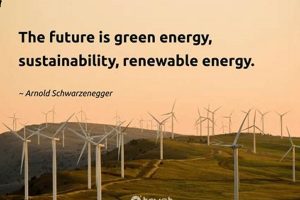
Sustainable power generation methods, including solar, wind, hydro, geothermal, and biomass energy, are poised for significant advancements. These advancements encompass not only improvements in efficiency and cost-effectiveness but also innovative applications and integration within existing energy infrastructure.
The growing need for clean energy sources is driven by environmental concerns such as climate change and air pollution, as well as the desire for energy independence and security. Historically, reliance on fossil fuels has presented challenges related to resource depletion and price volatility. The evolution of sustainable power generation offers a path towards mitigating these challenges and ensuring a more stable and environmentally sound energy future.
Further exploration will delve into specific advancements within each renewable energy sector, examining projected growth, technological breakthroughs, and the potential impact on global energy markets and consumption patterns. Additionally, challenges and opportunities associated with widespread adoption will be addressed.
Tips for Supporting Sustainable Energy Development
Promoting widespread adoption of sustainable energy requires a multifaceted approach encompassing technological advancements, policy changes, and individual actions. The following tips offer guidance on contributing to a cleaner energy future.
Tip 1: Advocate for Supportive Policies: Contact elected officials to express support for legislation that incentivizes renewable energy development, such as tax credits, renewable portfolio standards, and streamlined permitting processes.
Tip 2: Invest in Renewable Energy: Explore opportunities to invest directly in renewable energy projects, such as community solar gardens or wind farms. Consider installing solar panels on residential or commercial properties.
Tip 3: Reduce Energy Consumption: Improving energy efficiency at home and in the workplace through measures like insulation upgrades, energy-efficient appliances, and smart thermostats lessens reliance on all energy sources, including renewables, maximizing their impact.
Tip 4: Support Research and Development: Funding and supporting research into next-generation renewable energy technologies is crucial for driving innovation and improving efficiency and affordability.
Tip 5: Educate Others: Share information about the benefits of sustainable energy with friends, family, and colleagues to raise awareness and encourage adoption.
Tip 6: Choose Sustainable Transportation: Opt for electric vehicles, public transportation, cycling, or walking whenever possible to reduce reliance on fossil fuels in the transportation sector.
Tip 7: Support Businesses Committed to Sustainability: Choose to patronize businesses that prioritize renewable energy and sustainable practices.
By implementing these tips, individuals and communities can contribute to a more sustainable energy future, mitigating climate change and promoting energy independence.
These actionable steps represent just a starting point. The transition to a cleaner energy landscape requires ongoing commitment and collaboration across all sectors of society.
1. Technological Advancements

Technological advancements are pivotal to the evolution and widespread adoption of sustainable energy solutions. Innovation across various sectors, from materials science to artificial intelligence, is driving improvements in efficiency, cost-effectiveness, and reliability, shaping a future powered by clean energy.
- Next-Generation Solar Cells:
Research into perovskite solar cells, organic photovoltaics, and quantum dot solar cells promises higher efficiencies and lower manufacturing costs compared to traditional silicon-based panels. These advancements could lead to flexible, lightweight solar cells integrated into buildings, vehicles, and even clothing.
- Advanced Wind Turbine Technology:
Larger rotor diameters, taller towers, and improved blade designs are increasing wind energy capture. Floating offshore wind farms unlock the potential of deep-water resources. Advanced control systems and predictive maintenance optimize turbine performance and reliability.
- Smart Grid Integration:
Artificial intelligence and machine learning algorithms optimize grid management, integrating intermittent renewable energy sources seamlessly. Smart grids enhance grid stability, predict energy demand, and facilitate the two-way flow of electricity, enabling distributed generation and consumer participation in energy markets.
- Improved Energy Storage:
Advances in battery technology, including solid-state batteries and flow batteries, are crucial for addressing the intermittency of renewable energy sources. Cost-effective and efficient energy storage solutions ensure a reliable power supply, even when the sun isn’t shining or the wind isn’t blowing.
These technological advancements, combined with supportive policies and market forces, are driving the transition towards a cleaner, more sustainable energy future. Continued innovation in these areas is essential for realizing the full potential of renewable energy and mitigating the impacts of climate change.
2. Grid Integration

Grid integration represents a critical challenge and opportunity for the widespread adoption of renewable energy technologies. Successfully integrating intermittent renewable sources like solar and wind power requires innovative solutions and strategic planning to ensure grid stability, reliability, and efficiency.
- Balancing Intermittency:
Renewable energy sources, particularly solar and wind, are inherently intermittent. Grid integration strategies must address fluctuations in power generation to maintain a stable electricity supply. This includes forecasting renewable energy output, utilizing flexible generation resources like hydropower and natural gas, and implementing demand-side management programs to balance supply and demand.
- Strengthening Grid Infrastructure:
Existing grid infrastructure often requires upgrades to accommodate the influx of renewable energy. This includes strengthening transmission lines, expanding grid capacity, and implementing advanced grid management technologies. Smart grids, equipped with sensors and automation, can optimize power flow and enhance grid resilience.
- Distributed Generation:
Renewable energy sources can be deployed in a distributed manner, closer to points of consumption. Rooftop solar panels, community wind farms, and microgrids contribute to a more decentralized energy system. Grid integration strategies must account for this distributed generation and ensure seamless interconnection with the larger electricity network.
- Energy Storage Solutions:
Energy storage technologies, such as batteries and pumped hydro storage, play a vital role in smoothing out fluctuations in renewable energy generation. Storing excess energy during periods of high production and releasing it during periods of low production enhances grid stability and reliability, enabling greater reliance on intermittent renewables.
Effective grid integration is essential for unlocking the full potential of renewable energy technologies. By addressing the challenges of intermittency, strengthening grid infrastructure, and leveraging energy storage solutions, a reliable, efficient, and sustainable energy future can be realized.
3. Energy Storage

Energy storage is intrinsically linked to the future of renewable energy technologies, serving as a crucial bridge between intermittent power generation and consistent energy demand. Its role is paramount in enabling a stable and reliable energy supply, facilitating the wider adoption of renewable sources like solar and wind power.
- Battery Storage:
Battery technology, particularly lithium-ion batteries, is a dominant force in energy storage. From residential rooftop solar installations to large-scale grid-connected projects, batteries store excess energy generated during peak production periods for use during periods of low generation or high demand. Advancements in battery chemistry and declining costs are driving increased deployment and further integration with renewable energy systems.
- Pumped Hydroelectric Storage:
Pumped hydro storage represents a mature and widely deployed energy storage technology. Utilizing two reservoirs at different elevations, excess energy pumps water uphill to the upper reservoir. During periods of high demand, water flows downhill through turbines, generating electricity. While geographically constrained, pumped hydro offers large-scale storage capacity and long lifespans.
- Thermal Energy Storage:
Thermal energy storage captures and stores heat or cold for later use. Molten salt systems store solar thermal energy for electricity generation. Ice storage systems provide cooling during peak demand periods, reducing strain on the electricity grid. Thermal storage offers a cost-effective solution for managing energy demand and integrating renewable energy sources.
- Flywheel Energy Storage:
Flywheel energy storage systems store kinetic energy in a rotating mass. These systems respond rapidly to changes in grid frequency, providing grid stabilization services and supporting the integration of intermittent renewable energy. While offering high power output, flywheels typically have shorter discharge durations compared to other storage technologies.
Advancements and wider deployment of energy storage technologies are critical for realizing the full potential of renewable energy sources. By effectively managing intermittency and ensuring a consistent energy supply, energy storage unlocks a pathway towards a more sustainable and reliable energy future, paving the way for a deeper penetration of renewables into global energy markets.
4. Cost Reduction

Declining costs are a crucial driver for the expansion of sustainable power generation. Historically, higher initial investments posed a barrier to widespread adoption. However, continuous innovation, economies of scale, and competitive market forces have significantly reduced the cost of renewable energy technologies, making them increasingly competitive with conventional fossil fuel-based power generation. This cost reduction fuels market growth and accelerates the transition to a cleaner energy future.
The learning curve effect plays a significant role in cost reduction. As cumulative production volumes increase, manufacturing processes become more efficient, and technological advancements drive down costs per unit. For example, the cost of solar photovoltaic modules has fallen dramatically over the past decade, making solar energy a cost-competitive option in many regions. Similarly, wind turbine prices have decreased, driven by larger turbine sizes and improved manufacturing techniques. These cost reductions translate into lower electricity prices for consumers and enhance the economic viability of renewable energy projects.
Cost competitiveness is paramount for achieving widespread adoption of sustainable energy. As renewable energy technologies become increasingly affordable, they become more attractive to investors, utilities, and consumers. This drives market growth, stimulates further innovation, and accelerates the transition away from fossil fuels. Continued cost reduction will remain a key factor in shaping the future of the energy landscape and achieving a sustainable energy future. Addressing remaining cost barriers, particularly in energy storage and grid integration, will further accelerate the transition and unlock the full potential of renewable energy resources.
5. Policy Support
Government policies play a crucial role in shaping the trajectory of renewable energy technologies. Supportive policies create an enabling environment for investment, innovation, and deployment, accelerating the transition to a sustainable energy future. Conversely, a lack of clear and consistent policies can hinder progress and create uncertainty in the market. Understanding the different policy mechanisms and their impact is essential for fostering a robust and thriving renewable energy sector.
- Renewable Portfolio Standards (RPS):
RPS policies mandate that a certain percentage of electricity generation must come from renewable sources. These policies create a guaranteed market for renewable energy, driving investment and deployment. RPS targets vary by jurisdiction and often increase over time, providing a clear signal to the market and encouraging long-term planning. Examples include state-level RPS targets in the United States and national renewable energy targets set by the European Union.
- Feed-in Tariffs (FITs):
FITs offer guaranteed prices for electricity generated from renewable sources. These fixed prices provide revenue stability for renewable energy projects, reducing investment risk and attracting private capital. FITs have been instrumental in promoting the growth of solar and wind power in countries like Germany and Spain. However, the design and implementation of FITs require careful consideration to avoid unintended consequences, such as over-subsidization or excessive cost burdens on consumers.
- Tax Incentives and Subsidies:
Tax credits, rebates, and other financial incentives can reduce the upfront cost of renewable energy technologies, making them more attractive to consumers and businesses. Investment tax credits for solar and wind projects in the United States have played a significant role in stimulating market growth. Carefully designed tax incentives can effectively leverage private investment and accelerate the deployment of renewable energy technologies.
- Carbon Pricing Mechanisms:
Putting a price on carbon emissions, either through a carbon tax or cap-and-trade system, creates an economic incentive to reduce emissions. By internalizing the environmental cost of fossil fuels, carbon pricing mechanisms level the playing field for renewable energy sources and encourage a shift towards cleaner energy. Examples include the European Union Emissions Trading System and carbon taxes implemented in countries like Canada and Sweden.
Effective policy support is essential for creating a stable and predictable market for renewable energy technologies. A combination of policy instruments, tailored to specific market conditions and policy objectives, can create a powerful synergy that drives innovation, reduces costs, and accelerates the transition to a sustainable energy future. The interplay between these policies and market forces will ultimately determine the pace and scale of renewable energy deployment in the coming decades. International cooperation and policy harmonization can further enhance the effectiveness of these efforts and create a global level playing field for renewable energy technologies.
6. Public Acceptance

Public acceptance constitutes a critical factor influencing the successful deployment and integration of renewable energy technologies. Favorable public opinion can drive policy support, facilitate project development, and foster community engagement, while opposition can create roadblocks and delays. Understanding the dynamics of public perception is therefore essential for promoting wider adoption and realizing the full potential of sustainable energy solutions.
Several factors influence public acceptance of renewable energy projects. These include perceived environmental and economic benefits, visual impacts, community engagement processes, and trust in developers and regulatory agencies. Successful projects often demonstrate clear environmental advantages, such as reduced greenhouse gas emissions and improved air quality. Economic benefits, including job creation and local economic development, can also foster positive public opinion. Effective community engagement strategies, involving transparent communication and opportunities for public input, are crucial for building trust and addressing concerns. For example, community-owned wind farms or solar projects can foster a sense of local ownership and increase acceptance. Conversely, projects perceived as visually intrusive or disruptive to local ecosystems may face community resistance. Examples of successful community engagement initiatives include participatory planning processes, educational campaigns, and community benefit agreements.
Cultivating public acceptance is not merely a matter of public relations; it is a fundamental prerequisite for the successful transition to a sustainable energy future. Addressing public concerns, building trust, and fostering a sense of shared ownership are crucial for unlocking the full potential of renewable energy technologies. Furthermore, understanding the social and psychological factors that influence public perception can inform the design and implementation of effective communication strategies and policy interventions. The future of renewable energy depends not only on technological advancements and economic viability but also on the public’s willingness to embrace and support these transformative technologies. This underscores the need for ongoing research, open dialogue, and collaborative efforts to build a future powered by clean, sustainable energy.
Frequently Asked Questions
Addressing common inquiries regarding the evolution and adoption of sustainable power generation is crucial for fostering informed decision-making and promoting wider understanding.
Question 1: How realistic is a complete transition to renewable energy sources?
A complete transition is technically feasible. The timeframe depends on factors such as technological advancements, policy support, and investment levels. Challenges remain, particularly regarding grid integration and energy storage, but ongoing innovation and decreasing costs suggest a promising trajectory.
Question 2: What are the primary barriers to wider adoption of sustainable energy?
Key barriers include intermittency of renewable sources, grid infrastructure limitations, upfront costs, and public acceptance. Addressing these challenges requires a multifaceted approach involving technological innovation, policy support, and community engagement.
Question 3: How do renewable energy technologies impact job creation?
The renewable energy sector is a significant job creator. Manufacturing, installation, maintenance, and research within the industry generate employment opportunities. As the sector expands, further job growth is anticipated, potentially offsetting job losses in the fossil fuel industry.
Question 4: What role does energy storage play in a renewable energy future?
Energy storage is crucial for addressing the intermittency of renewable sources like solar and wind power. Storing excess energy during periods of high generation and releasing it during periods of low generation or peak demand ensures grid stability and a reliable electricity supply.
Question 5: How can individuals contribute to the growth of renewable energy?
Individuals can contribute through various actions, including advocating for supportive policies, investing in renewable energy projects, reducing energy consumption, supporting research and development, and educating others about the benefits of sustainable energy.
Question 6: What is the environmental impact of manufacturing renewable energy technologies?
Manufacturing renewable energy technologies requires resources and energy, resulting in some environmental impacts. However, lifecycle assessments consistently demonstrate that the environmental benefits of renewable energy, in terms of reduced greenhouse gas emissions and air pollution, far outweigh the impacts associated with their manufacturing.
Continued exploration of these topics will provide a more comprehensive understanding of the potential and challenges associated with sustainable energy development.
Further sections will delve deeper into specific renewable energy technologies, examining their unique characteristics, advantages, and challenges.
The Future of Renewable Energy Technologies
This exploration has highlighted the multifaceted nature of the future of renewable energy technologies. From advancements in solar and wind power to the critical role of energy storage and grid integration, the path towards a sustainable energy future requires continuous innovation, strategic planning, and supportive policies. Cost reductions, driven by technological advancements and economies of scale, enhance the competitiveness of renewable energy sources, accelerating their adoption. Public acceptance, shaped by perceived environmental and economic benefits, remains a crucial factor influencing the successful integration of these technologies into the broader energy landscape.
The transition to a sustainable energy future represents not merely a technological shift but a societal imperative. Addressing the challenges of climate change, ensuring energy security, and promoting economic development require a concerted global effort. The future of renewable energy technologies holds immense promise, offering a pathway towards a cleaner, more resilient, and sustainable energy system. Continued investment in research, development, and deployment, coupled with informed policy decisions and public engagement, will be essential for realizing this transformative potential and securing a sustainable energy future for generations to come.