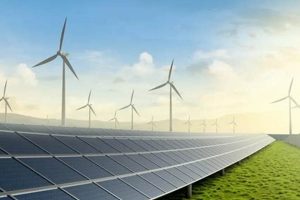
Harnessing the power of wind involves converting the motion of air into a usable form of power. This process relies on capturing the kinetic energy present in wind and transforming it into mechanical energy, often through rotating turbines. These turbines subsequently drive generators, ultimately producing electricity. A familiar example is the large-scale wind farms that dot landscapes, silently converting wind energy into a sustainable power source.
This renewable energy source offers several significant advantages. It reduces reliance on fossil fuels, mitigating greenhouse gas emissions and contributing to a cleaner environment. Furthermore, wind power provides a domestically sourced energy option, enhancing energy independence and security for regions with suitable wind resources. Historically, wind has been utilized for various purposes, from powering sailing vessels to grinding grain. However, modern advancements in turbine technology have enabled its transformation into a significant contributor to the global energy landscape.
This exploration of wind energy will delve further into the underlying scientific principles, technological advancements, environmental impact, economic considerations, and the future prospects of this vital renewable resource.
Optimizing Wind Energy Utilization
Maximizing the benefits of wind power requires careful consideration of several key factors. The following tips offer guidance on enhancing the effectiveness and sustainability of wind energy implementation.
Tip 1: Resource Assessment: Conduct thorough wind resource assessments to identify locations with consistent and sufficient wind speeds. Detailed analysis of wind patterns and speeds is crucial for optimal turbine placement and energy yield.
Tip 2: Turbine Selection: Choose appropriate turbine technology based on the specific wind conditions and energy requirements. Different turbine designs and sizes are suited to various environments and project scales.
Tip 3: Infrastructure Planning: Develop robust infrastructure to support the integration of wind energy into existing power grids. This includes transmission lines, substations, and energy storage solutions.
Tip 4: Environmental Impact Mitigation: Address potential environmental impacts, such as noise pollution and effects on wildlife, through careful site selection, mitigation measures, and ongoing monitoring.
Tip 5: Community Engagement: Engage with local communities to ensure transparency and address concerns regarding wind energy projects. Open communication and collaboration are essential for successful project implementation.
Tip 6: Policy and Regulatory Framework: Supportive policies and regulations are crucial for fostering the growth of wind energy. Stable regulatory environments encourage investment and facilitate project development.
Tip 7: Technological Advancements: Stay informed about ongoing research and development in wind turbine technology, grid integration, and energy storage. Adopting innovative solutions can further enhance the efficiency and cost-effectiveness of wind energy.
By addressing these considerations, stakeholders can contribute to the responsible and effective utilization of wind energy as a valuable renewable resource.
This exploration concludes with a look at the future role of wind energy in the global energy transition.
1. Wind Speed

Wind speed is a fundamental factor determining the potential of wind energy. The kinetic energy present in moving air is directly related to the square of its velocity. Understanding this relationship is crucial for assessing the viability of wind energy projects and optimizing their performance. This section explores the multifaceted influence of wind speed on harnessing power from the wind.
- Kinetic Energy and Velocity:
The kinetic energy of moving air increases exponentially with wind speed. A small increase in wind velocity translates to a significantly larger increase in available energy. This principle underscores the importance of siting wind turbines in locations with consistently high wind speeds.
- Turbine Performance:
Wind turbines are designed to operate within specific wind speed ranges. A “cut-in” speed represents the minimum wind speed required for the turbine to start generating electricity. A “rated” speed is the wind velocity at which the turbine reaches its maximum power output. Higher wind speeds beyond the turbine’s capacity can lead to automatic shutdown to prevent damage.
- Resource Assessment and Site Selection:
Accurate wind speed measurements are essential for identifying suitable locations for wind farms. Sophisticated meteorological instruments and data analysis techniques are employed to assess wind resources and determine the optimal placement of turbines. Detailed wind maps and long-term data analysis inform decisions regarding project feasibility and potential energy yield.
- Power Output and Efficiency:
The power output of a wind turbine is directly proportional to the cube of the wind speed. This cubic relationship highlights the significant impact of even small changes in wind velocity on energy production. Maximizing energy capture requires careful consideration of wind speed characteristics at a specific site and selecting turbines optimized for those conditions.
The relationship between wind speed and energy production underscores the critical importance of accurate wind resource assessment and turbine selection. Optimizing these aspects ensures efficient energy capture and maximizes the potential of wind power as a sustainable energy source. Further investigation into wind turbine technology and grid integration strategies is essential to fully harness the power of wind.
2. Turbine Design
Turbine design plays a crucial role in effectively capturing the kinetic energy of moving air and converting it into usable electrical energy. The efficiency and performance of a wind turbine directly impact the amount of power generated, influencing the economic viability and environmental benefits of wind energy projects. This section explores key facets of turbine design and their impact on energy conversion.
- Blade Design and Aerodynamics:
The shape and angle of turbine blades are meticulously engineered to maximize lift and minimize drag, optimizing the capture of kinetic energy from the wind. Similar to airplane wings, turbine blades utilize aerodynamic principles to generate lift, causing rotation and driving the generator. Advanced blade designs incorporate features like winglets and blade pitch control to enhance efficiency and adapt to varying wind conditions. For instance, longer blades can capture more wind, while adjustable blade pitch allows turbines to operate efficiently across a wider range of wind speeds.
- Rotor Configuration and Orientation:
The arrangement and orientation of the rotor, the rotating assembly of blades and hub, significantly influence energy capture. Most modern wind turbines utilize a three-bladed upwind rotor configuration, where the rotor faces the incoming wind. This design offers a balance between efficiency, cost, and structural stability. Downwind configurations, while less common, can offer advantages in certain wind conditions, such as turbulent or gusty winds.
- Nacelle and Gearbox:
The nacelle houses the key components of the turbine, including the gearbox, generator, and control systems. The gearbox increases the rotational speed of the rotor shaft to match the generator’s requirements. Different gearbox designs, such as direct-drive or multi-stage gearboxes, offer trade-offs in terms of efficiency, maintenance, and cost. Advances in direct-drive generator technology are reducing the need for gearboxes in some turbine designs, enhancing reliability and potentially reducing maintenance.
- Tower Height and Placement:
Tower height significantly influences energy capture, as wind speeds generally increase with altitude. Taller towers allow access to stronger and more consistent winds, resulting in higher energy yields. Optimal tower height is determined through wind resource assessments and considerations of site-specific factors like terrain and turbulence. Careful placement of turbines within a wind farm also optimizes energy capture and minimizes wake effects, where downstream turbines experience reduced wind speeds due to the turbulence created by upstream turbines.
These facets of turbine design are interconnected and crucial for maximizing energy conversion from the kinetic energy of wind. Continued advancements in turbine technology, coupled with sophisticated site assessment and optimized placement strategies, contribute to enhanced energy capture, improved efficiency, and the overall economic viability of wind energy as a sustainable power source.
3. Energy Conversion

Energy conversion lies at the heart of harnessing power from the wind. The process transforms the kinetic energy inherent in moving air into a more readily usable form, typically electrical energy. Understanding this conversion process is fundamental to appreciating the functionality and efficiency of wind energy systems. The kinetic energy, a function of air mass and velocity, is captured by the rotating blades of a wind turbine. This rotation induces mechanical energy, driving a generator within the turbine’s nacelle. The generator, in turn, converts this mechanical energy into electrical energy through electromagnetic induction. The efficiency of this conversion depends on factors like generator design, turbine components, and wind speed consistency. For instance, modern turbines with advanced generators and optimized blade designs achieve higher conversion efficiencies compared to older models.
The practical significance of this energy conversion process is evident in the widespread deployment of wind farms. These installations harness the naturally replenishing kinetic energy of wind to generate clean electricity, reducing reliance on fossil fuels and mitigating greenhouse gas emissions. Consider a large-scale offshore wind farm: thousands of individual turbines capture the energy of prevailing winds, converting it into a substantial power source for coastal communities and industrial operations. The reliance on wind power offsets the need for conventional power plants, contributing to a more sustainable energy landscape. Furthermore, advancements in energy storage technologies are enhancing the integration of variable wind power into electricity grids, providing a more reliable and consistent energy supply.
Effective energy conversion is essential for the viability and efficacy of wind energy as a renewable resource. Optimizing turbine design, improving generator technology, and developing efficient energy storage solutions are crucial steps in maximizing the capture and utilization of wind’s kinetic energy. These advancements contribute to a more sustainable energy future, reducing reliance on finite resources and mitigating the environmental impact of energy production. The ongoing research and development efforts in these areas underscore the commitment to further enhancing the efficiency and reliability of wind energy conversion technologies.
4. Power Output

Power output represents the culmination of the wind energy conversion process, quantifying the electrical energy generated per unit of time. This output is intrinsically linked to the kinetic energy available in the moving air. Higher wind speeds correspond to greater kinetic energy, directly influencing the potential power output of a wind turbine. Several factors influence the relationship between wind resource and eventual power output. Turbine design, blade aerodynamics, and generator efficiency all play significant roles. Consider a wind farm situated in a region with consistent high wind speeds. Optimized turbine design and efficient energy conversion can lead to a substantial power output, capable of supplying electricity to a large population. Conversely, a wind farm in an area with lower average wind speeds will have a proportionally lower power output, even with optimal turbine technology.
The power output of a wind turbine isn’t constant. Wind speed variability introduces fluctuations in power generation. This intermittency necessitates strategies for grid integration and energy storage to ensure a stable and reliable power supply. For instance, pumped hydro storage or battery systems can store excess energy generated during periods of high wind, releasing it during lulls to maintain grid stability. Predictive modeling and advanced grid management systems are crucial for effectively integrating fluctuating wind power into existing electricity infrastructure. Real-time monitoring and control systems optimize turbine performance in response to changing wind conditions, maximizing energy capture and smoothing power output fluctuations.
Understanding the relationship between kinetic energy, turbine technology, and resulting power output is fundamental for assessing the viability and effectiveness of wind energy projects. Maximizing power output requires meticulous site selection based on wind resource assessments, optimized turbine design tailored to specific wind conditions, and efficient grid integration strategies to manage intermittency. These considerations are crucial for achieving the economic and environmental benefits of wind energy as a sustainable power source. The ongoing development of advanced control systems, energy storage solutions, and improved turbine technology continues to enhance the reliability and predictability of wind power output, further solidifying its role in the global energy transition.
5. Grid Integration

Grid integration represents the crucial link between the kinetic energy of moving air, transformed into electrical energy by wind turbines, and its practical utilization by consumers. This integration involves connecting wind farms to existing electricity transmission and distribution networks, enabling the delivery of wind-generated power to homes, businesses, and industries. The inherent variability of wind resources necessitates sophisticated grid management strategies to ensure a stable and reliable power supply. Fluctuations in wind speed translate to variations in power output, requiring mechanisms to balance supply and demand and maintain grid frequency and voltage within acceptable operating parameters. This challenge underscores the critical importance of grid integration in effectively harnessing wind energy.
For instance, consider a scenario where a significant portion of a region’s electricity is supplied by wind power. A sudden drop in wind speed could lead to a substantial decrease in power output, potentially causing grid instability or even blackouts. To mitigate this risk, grid operators employ various strategies. These include incorporating energy storage systems, such as batteries or pumped hydro, to store excess energy generated during periods of high wind and release it during lulls. Diversifying energy sources by combining wind power with other renewables like solar, or conventional power plants, also enhances grid stability. Furthermore, advanced forecasting models and real-time monitoring systems allow grid operators to anticipate and respond to fluctuations in wind power generation, optimizing the dispatch of other generation resources to maintain a balanced electricity supply. Denmark, a global leader in wind energy integration, utilizes sophisticated grid management strategies, including interconnections with neighboring countries, to effectively manage the variability of wind power and ensure grid stability.
Effective grid integration is essential for realizing the full potential of wind energy as a sustainable power source. Addressing the challenges of intermittency through robust grid management strategies, energy storage solutions, and diversified generation portfolios ensures a reliable and consistent electricity supply. As wind energy penetration increases, further advancements in grid infrastructure, control systems, and market mechanisms will be crucial to maintain grid stability and optimize the utilization of this valuable renewable resource. The ongoing evolution of smart grid technologies and demand-side management strategies further enhances the flexibility and resilience of electricity grids, facilitating the seamless integration of increasing amounts of wind power and paving the way for a cleaner, more sustainable energy future.
6. Environmental Impact

Assessing the environmental impact of harnessing power from wind is crucial for responsible and sustainable development. While wind energy offers a cleaner alternative to fossil fuels, it’s essential to acknowledge and mitigate potential ecological effects. This analysis examines key environmental considerations associated with wind energy generation.
- Wildlife Interactions:
Bird and bat collisions with turbine blades represent a recognized environmental concern. The rotating blades pose a collision risk, particularly for nocturnal migrating species. Mitigation strategies include careful site selection to avoid critical habitats and flight paths, implementing radar-based detection systems to curtail turbine operation during peak migration periods, and ongoing monitoring to assess impacts and adapt mitigation measures. For example, pre-construction avian and bat surveys inform site selection and turbine placement, while post-construction monitoring assesses the effectiveness of mitigation strategies. Ongoing research explores innovative solutions like ultrasonic deterrents to further minimize wildlife interactions.
- Habitat Alteration:
Wind farm construction can alter habitats through land clearing, road construction, and turbine foundation installation. Minimizing land use and implementing habitat restoration measures are crucial mitigation strategies. For instance, siting wind farms on brownfields or previously disturbed lands can reduce impacts on pristine habitats. Post-construction restoration efforts, such as replanting native vegetation, can help restore impacted areas. Careful planning and consideration of ecological factors during project development minimize habitat disruption and promote biodiversity.
- Noise and Visual Impacts:
Operating wind turbines generate noise, primarily from the rotating blades and gearbox. While modern turbines are designed to minimize noise emissions, concerns remain regarding potential impacts on nearby communities and wildlife. Setback distances from residential areas and noise mitigation measures, such as sound barriers or optimized turbine placement, can minimize noise pollution. Visual impacts, related to the presence of turbines in the landscape, are also considered. Careful site selection, considering scenic values and minimizing visual intrusion, can address aesthetic concerns. For example, siting wind farms in less visually sensitive areas or incorporating landscaping to screen turbines can mitigate visual impacts.
- Lifecycle Assessment:
A comprehensive lifecycle assessment evaluates the environmental impacts of wind energy throughout all stages, from material extraction and manufacturing to operation, decommissioning, and recycling. While wind turbines generate clean electricity during operation, the manufacturing process requires energy and resources. Evaluating and minimizing environmental impacts throughout the entire lifecycle ensures the overall sustainability of wind energy. For example, using recycled materials in turbine construction and developing efficient recycling processes for decommissioned turbines minimize environmental footprint. Furthermore, advancements in turbine technology and manufacturing processes contribute to reducing the lifecycle impacts of wind energy.
Understanding and mitigating these environmental impacts is crucial for responsible wind energy development. By carefully considering ecological factors, implementing appropriate mitigation strategies, and conducting ongoing monitoring and research, the environmental benefits of wind energy can be maximized while minimizing potential adverse effects. This approach ensures that harnessing the kinetic energy of moving air contributes to a truly sustainable energy future.
7. Economic Factors

Economic considerations are integral to the development and deployment of wind energy, influencing its competitiveness within the broader energy market and its overall societal impact. Analyzing the economic factors associated with harnessing the kinetic energy of moving air provides crucial insights into the financial viability and long-term sustainability of this renewable energy source. The following facets explore key economic aspects of wind energy.
- Cost of Energy:
The cost of generating electricity from wind power is a primary economic driver. Factors influencing this cost include capital expenditures for turbine purchase and installation, operational and maintenance costs, financing rates, and project lifespan. Technological advancements, economies of scale, and supportive government policies can significantly reduce the cost of wind energy, making it increasingly competitive with conventional energy sources. For example, the declining cost of wind turbines in recent years has contributed to the rapid growth of the wind energy sector, making it a cost-effective energy solution in many regions.
- Job Creation and Economic Development:
Wind energy projects contribute to economic development by creating jobs in manufacturing, installation, maintenance, and operation. These jobs often benefit local communities, providing employment opportunities and stimulating economic growth in rural areas. For instance, the construction of a wind farm requires skilled labor for turbine assembly and installation, creating temporary jobs during the construction phase. Furthermore, ongoing operation and maintenance create long-term employment opportunities within the local community. The wind energy supply chain also generates jobs in manufacturing, transportation, and research and development, contributing to broader economic benefits.
- Investment and Financing:
Attracting investment and securing financing are crucial for developing wind energy projects. Government incentives, such as tax credits and subsidies, can stimulate investment and reduce financial risks for developers. Private sector investment plays a significant role in financing large-scale wind farms. Access to affordable financing options and favorable investment policies are essential for driving the growth of the wind energy sector. For example, government-backed loan guarantees can reduce the cost of borrowing for wind energy projects, making them more attractive to investors.
- Market Dynamics and Energy Pricing:
Wind energy competes with other energy sources within the electricity market. Fluctuations in energy prices, influenced by factors such as fuel costs and demand, impact the economic viability of wind power. Government policies, such as carbon pricing or renewable energy mandates, can influence market dynamics and create a more favorable environment for wind energy. For example, a carbon tax on fossil fuels can increase the competitiveness of wind energy by internalizing the environmental costs of conventional energy sources. Similarly, renewable portfolio standards, which require a certain percentage of electricity generation from renewable sources, create demand for wind power and stimulate market growth.
These economic factors are intertwined and influence the overall viability and sustainability of wind energy as a power source. Understanding these dynamics is crucial for policymakers, investors, and developers to make informed decisions and promote the responsible development and deployment of wind energy. The continued decline in the cost of wind energy, coupled with supportive government policies and increasing investor confidence, positions wind power as a key driver of the global transition to a cleaner and more sustainable energy future. As wind energy technology continues to advance and economies of scale further reduce costs, its economic competitiveness will continue to strengthen, further solidifying its role in the global energy landscape.
Frequently Asked Questions about Wind Energy
This section addresses common inquiries regarding the utilization of wind as a sustainable energy source, providing clear and concise answers to enhance understanding.
Question 1: How does wind energy generation impact local weather patterns?
Wind farms extract kinetic energy from the atmosphere, which can have localized, albeit minor, effects on wind speed and temperature. Research suggests minimal impacts beyond the immediate vicinity of the turbines, with no evidence of significant alterations to broader weather systems.
Question 2: What happens to wind turbines at the end of their operational life?
Decommissioning involves dismantling and removing turbine components. Recycling programs aim to reclaim valuable materials like steel, copper, and fiberglass, minimizing environmental impact. Some components may undergo refurbishment for reuse in other turbines or repurposed for alternative applications.
Question 3: How does the land use of wind farms compare to other energy sources?
Wind farms occupy a relatively small land footprint compared to conventional power plants, particularly considering their energy output. The land between turbines remains usable for agricultural activities, such as grazing or crop cultivation, maximizing land utilization.
Question 4: Can wind energy truly provide a reliable and consistent power source given its intermittent nature?
While wind power output fluctuates with wind speed, grid integration strategies, such as energy storage and diversified generation portfolios, mitigate intermittency and enhance reliability. Advancements in forecasting and grid management further improve the predictability and stability of wind power contribution.
Question 5: What are the primary economic benefits of wind energy development?
Wind energy projects stimulate local economies through job creation in manufacturing, installation, maintenance, and operation. They also generate lease income for landowners and reduce reliance on imported fossil fuels, enhancing energy independence.
Question 6: How does the noise produced by wind turbines compare to other common sounds?
Modern wind turbines are designed to minimize noise emissions. At typical setback distances, the sound produced is often comparable to background noise levels, such as rustling leaves or distant traffic. Regulations and standards govern permissible noise levels to protect nearby communities.
Understanding these aspects clarifies common misconceptions surrounding wind energy and highlights its potential as a sustainable power source.
The following section delves into the future of wind energy and its role in the evolving energy landscape.
Harnessing the Power of Moving Air
This exploration has examined the multifaceted aspects of converting the kinetic energy of moving air into a viable and sustainable energy source. From the fundamental principles of energy conversion to the complexities of grid integration and environmental considerations, the analysis has highlighted the significant potential of wind energy to contribute to a cleaner and more secure energy future. The discussion encompassed key aspects such as wind resource assessment, turbine technology advancements, power output optimization, grid management strategies, environmental impact mitigation, and economic considerations. The examination underscored the importance of addressing challenges like intermittency and wildlife interactions through innovative solutions and responsible development practices.
The transition to a sustainable energy future necessitates a diversified portfolio of renewable resources. Wind energy, with its vast potential and ongoing technological advancements, holds a prominent position in this transition. Continued research, innovation, and supportive policies are essential to fully unlock the potential of harnessing the kinetic energy of moving air, paving the way for a more sustainable and resilient energy landscape for generations to come. The imperative to mitigate climate change and ensure energy security underscores the critical role of wind energy in shaping a cleaner, more prosperous future.