Energy derived from natural sources that are replenished at a higher rate than they are consumed is categorized as sustainable. Examples include solar power harnessed from sunlight, wind power generated by wind turbines, hydropower derived from flowing water, and geothermal energy extracted from the Earth’s internal heat. Bioenergy, derived from organic matter, also falls under this category.
Sustainable power offers significant advantages, including a reduction in greenhouse gas emissions, thereby mitigating climate change. It diversifies energy sources, enhancing energy security and reducing reliance on finite fossil fuels. Furthermore, it stimulates economic growth by creating jobs in the manufacturing, installation, and maintenance of related technologies. Historically, reliance on sustainable sources like wind and water power predates the widespread adoption of fossil fuels. The growing awareness of environmental concerns and the finite nature of fossil fuels have led to a renewed focus on these resources in recent decades.
This article delves further into specific types of sustainable power, exploring their respective technologies, advantages, challenges, and potential future developments. The discussion will also encompass the economic and environmental implications of transitioning towards a more sustainable energy landscape.
Tips for Supporting Sustainable Power
Transitioning towards greater reliance on sustainable power sources requires a multifaceted approach involving individual actions, policy changes, and technological advancements. The following tips offer practical guidance for contributing to this crucial shift.
Tip 1: Invest in Energy-Efficient Appliances: Choosing appliances with high energy efficiency ratings, such as Energy Star certified products, significantly reduces electricity consumption, thereby lowering reliance on power generation from all sources, including non-renewable ones.
Tip 2: Reduce Energy Consumption at Home: Simple actions like turning off lights when leaving a room, unplugging electronic devices not in use, and using natural light whenever possible contribute to lower overall energy demand.
Tip 3: Explore Residential Solar Installations: Rooftop solar panels empower homeowners to generate their own electricity, reducing their reliance on the grid and promoting the use of clean energy.
Tip 4: Support Policies that Promote Sustainable Power: Advocating for policies that incentivize the development and adoption of sustainable energy technologies, such as tax credits and renewable portfolio standards, can accelerate the transition to a cleaner energy future.
Tip 5: Consider Electric Vehicles: Switching to electric vehicles reduces dependence on fossil fuels in the transportation sector, particularly when the electricity used to charge them comes from renewable sources.
Tip 6: Educate Others about the Benefits of Sustainable Power: Raising awareness within one’s community about the environmental and economic advantages of sustainable power can encourage wider adoption of these technologies.
Tip 7: Support Businesses Committed to Sustainability: Choosing to patronize businesses that prioritize sustainable practices and utilize renewable energy sources can influence corporate behavior and promote broader adoption of responsible energy practices.
By adopting these practices, individuals can contribute to a significant collective impact, driving the transition towards a more sustainable energy future and mitigating the adverse effects of climate change. These actions, combined with supportive policies and technological advancements, are crucial for ensuring a cleaner and more secure energy landscape.
These individual actions represent crucial steps towards a sustainable energy future. The following section will explore broader policy and technological advancements necessary for a complete transition.
1. Sustainable Sources

Sustainable sources form the foundation of renewable energy, providing a continuous flow of power derived from natural processes. Understanding these sources is crucial for comprehending the potential of renewable energy to address global energy demands and mitigate climate change. This section explores key facets of sustainable sources, providing insights into their characteristics, applications, and contributions to a sustainable energy future.
- Solar Energy
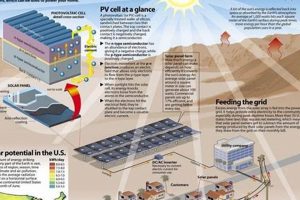
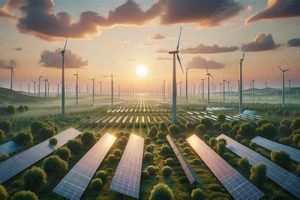
Solar energy harnesses sunlight using photovoltaic cells or concentrated solar power systems. Photovoltaic cells directly convert sunlight into electricity, while concentrated solar power systems use mirrors to focus sunlight, generating heat to drive turbines. Examples include rooftop solar installations powering homes and large-scale solar farms providing electricity to communities. Solar energy offers a clean and abundant source of power, reducing reliance on fossil fuels.
- Wind Energy
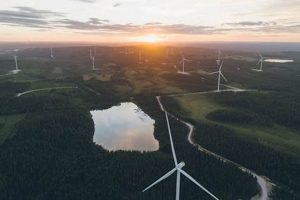
Wind energy captures the kinetic energy of wind using wind turbines. The rotating blades drive a generator, producing electricity. Wind farms, both onshore and offshore, are becoming increasingly common. Denmark, for example, generates a significant portion of its electricity from wind power. Wind energy provides a cost-competitive and environmentally friendly alternative to conventional power generation.
- Hydropower
Hydropower utilizes the energy of flowing water to generate electricity. Dams create reservoirs, and the controlled release of water through turbines generates power. Large hydropower projects, such as the Three Gorges Dam in China, provide substantial electricity generation. However, hydropower projects can have significant environmental and social impacts, necessitating careful planning and consideration.
- Geothermal Energy
Geothermal energy harnesses heat from the Earth’s interior. This heat can be used directly for heating or to generate electricity. Iceland, located in a geologically active region, utilizes geothermal energy extensively. Geothermal power plants provide a reliable and sustainable source of baseload power, contributing to a stable energy supply.
These diverse sustainable sources offer a pathway towards a cleaner and more secure energy future. Their continued development and integration into the global energy mix are essential for mitigating climate change and ensuring long-term energy sustainability. Further exploration of these technologies, along with emerging sustainable sources like wave and tidal power, will be crucial for achieving a truly sustainable energy landscape.
2. Natural Replenishment

Natural replenishment is the defining characteristic of renewable energy, distinguishing it from finite fossil fuels. This continuous regeneration of energy sources through natural processes ensures a sustainable supply, decoupling energy production from the depletion of finite resources. The sun’s energy, for example, constantly replenishes the potential for solar power, while wind patterns ensure a continuous supply of wind energy. Hydropower relies on the water cycle, and geothermal energy taps into the Earth’s internal heat, both effectively inexhaustible on a human timescale. This natural replenishment underscores the long-term viability of renewable energy sources, offering a pathway towards a secure and sustainable energy future. Without natural replenishment, these resources would be subject to depletion, mirroring the limitations of fossil fuels.
The rate of natural replenishment plays a crucial role in determining the sustainable utilization of these resources. Solar energy, while abundant, varies in intensity depending on geographical location and weather patterns. Similarly, wind resources are stronger in certain areas, requiring strategic placement of wind farms. Understanding these variations and planning accordingly is essential for maximizing the effectiveness and efficiency of renewable energy systems. For instance, regions with high solar irradiance are ideal for large-scale solar farms, while coastal areas with strong and consistent winds are suitable for offshore wind farms. Matching resource availability with energy demand ensures efficient and sustainable energy production.
The principle of natural replenishment underscores the importance of responsible resource management. While renewable resources are naturally replenished, unsustainable practices can still negatively impact the environment. Damming rivers for hydropower, for example, can disrupt ecosystems and displace communities. Therefore, a comprehensive understanding of natural replenishment must also consider the potential environmental and social impacts of renewable energy projects. Balancing the benefits of clean energy with ecological considerations is paramount for achieving truly sustainable development. This holistic approach ensures that the pursuit of renewable energy aligns with broader environmental and societal goals.
3. Reduces Emissions

A fundamental advantage of renewable energy is its inherent capacity to reduce greenhouse gas emissions, a critical factor in mitigating climate change. Transitioning from fossil fuel-based energy generation to renewable sources significantly diminishes the release of pollutants into the atmosphere. This connection between reduced emissions and renewable energy is crucial for understanding its environmental and societal benefits. Examining the specific ways in which renewable energy sources achieve emissions reductions provides a clearer picture of their role in a sustainable future.
- Reduced Reliance on Fossil Fuels
Renewable energy sources displace the need for fossil fuels, directly reducing emissions associated with their combustion. Burning fossil fuels releases carbon dioxide, a primary greenhouse gas, into the atmosphere. By replacing fossil fuel-based power plants with solar, wind, or hydro facilities, the volume of carbon emissions is significantly reduced. This displacement effect is a cornerstone of emissions reduction strategies in the energy sector. For example, a solar farm producing electricity offsets the need for a coal-fired power plant, eliminating the associated carbon emissions.
- Cleaner Energy Generation
Renewable energy technologies generate electricity through inherently cleaner processes compared to fossil fuels. Solar panels convert sunlight directly into electricity without any combustion process, eliminating the release of harmful pollutants. Similarly, wind turbines harness the kinetic energy of wind, producing electricity without emitting greenhouse gases. This clean energy generation minimizes air pollution and contributes to improved air quality, benefiting both human health and the environment. For instance, replacing diesel generators with wind turbines in remote areas reduces both noise pollution and harmful emissions.
- Decentralized Energy Production
Renewable energy often facilitates decentralized energy production, reducing transmission losses associated with large centralized power plants. Distributing energy generation closer to consumption points minimizes energy loss during transmission and distribution. This increased efficiency contributes to overall emissions reductions by requiring less energy to be generated in the first place. Rooftop solar installations, for example, provide power directly to homes, reducing the need for long-distance transmission.
- Lifecycle Emissions Considerations
While renewable energy technologies significantly reduce operational emissions, it is important to consider lifecycle emissions associated with their manufacturing and disposal. The production of solar panels, for instance, requires energy and materials that have associated emissions. However, lifecycle assessments consistently demonstrate that the overall emissions from renewable energy sources are significantly lower than those from fossil fuels. Furthermore, ongoing research and development focus on minimizing these lifecycle emissions through improved manufacturing processes and recycling initiatives. This holistic approach further strengthens the emissions reduction benefits of renewable energy.
The capacity of renewable energy to reduce emissions is central to its role in addressing climate change and creating a sustainable energy future. By displacing fossil fuels, employing cleaner generation processes, and promoting decentralized energy production, renewable energy technologies contribute significantly to a lower-carbon energy landscape. Continued advancements in renewable energy technologies and their widespread adoption are essential for achieving global emissions reduction targets and mitigating the impacts of climate change. Understanding the lifecycle emissions of these technologies and working towards their minimization further solidifies the role of renewable energy in a sustainable future.
4. Combats Climate Change
Climate change, driven primarily by increasing greenhouse gas concentrations in the atmosphere, presents a significant global challenge. Renewable energy offers a potent tool to combat climate change by fundamentally altering the energy production landscape. The connection between renewable energy and climate change mitigation lies in the displacement of fossil fuels, the primary source of anthropogenic greenhouse gas emissions. Utilizing renewable energy sources like solar, wind, and hydropower reduces reliance on fossil fuel combustion, thereby decreasing the release of carbon dioxide and other greenhouse gases into the atmosphere. This causal link between renewable energy adoption and reduced emissions forms the core of its climate change mitigation potential. For example, replacing coal-fired power plants with solar farms directly reduces carbon emissions, contributing to a lower global carbon footprint. This substitution effect is crucial for achieving climate change mitigation targets.
The importance of renewable energy in combating climate change extends beyond simply reducing emissions. It fosters a transition towards a more sustainable and resilient energy system. Diversifying energy sources enhances energy security, reducing dependence on finite and geographically concentrated fossil fuels. This diversification also strengthens resilience against energy price volatility and geopolitical instability. Furthermore, the decentralized nature of many renewable energy technologies, such as rooftop solar installations, empowers communities and individuals to participate in the energy transition, fostering local resilience and reducing reliance on centralized grids. For instance, communities powered by microgrids incorporating solar and wind energy can maintain essential services during grid outages caused by extreme weather events, which are projected to increase in frequency and intensity due to climate change.
The practical significance of understanding the link between renewable energy and climate change mitigation is paramount for effective policy development and implementation. Incentivizing renewable energy adoption through policies like carbon pricing, renewable portfolio standards, and tax credits can accelerate the transition towards a low-carbon economy. Investing in research and development of renewable energy technologies further enhances their efficiency and cost-competitiveness, making them increasingly attractive alternatives to fossil fuels. International cooperation and knowledge sharing are also essential for accelerating the global adoption of renewable energy and achieving meaningful climate action. Recognizing the interconnectedness of energy systems, climate change, and sustainable development is crucial for shaping a future where energy production and consumption contribute to a healthy planet and a resilient society. Addressing challenges such as intermittency of renewable sources through advancements in energy storage technologies and grid management systems further strengthens the viability of renewable energy as a primary tool in the fight against climate change.
5. Energy Security
Energy security, the uninterrupted availability of energy sources at an affordable price, is intrinsically linked to the development and deployment of renewable energy. Reliance on finite and geographically concentrated fossil fuels creates vulnerabilities to price volatility, supply disruptions, and geopolitical instability. Renewable energy offers a pathway to greater energy security by diversifying energy sources and reducing dependence on these vulnerabilities. This connection is crucial for understanding the broader implications of transitioning towards a renewable energy future.
- Diversification of Energy Sources
Renewable energy diversifies a nation’s energy mix, reducing reliance on a single or limited number of sources. This diversification enhances resilience against supply disruptions stemming from political instability, natural disasters, or technical failures in any single source. A country with a mix of solar, wind, hydro, and geothermal resources is less susceptible to energy shortages than one heavily reliant on imported fossil fuels. For instance, nations with significant domestic renewable energy capacity are less exposed to the impacts of global oil price fluctuations.
- Decentralized Energy Production
Renewable energy technologies often enable decentralized energy generation, reducing reliance on large, centralized power plants and extensive transmission networks. This decentralized approach enhances grid resilience and reduces vulnerability to large-scale disruptions. Rooftop solar installations, for example, provide power directly to homes and businesses, mitigating the impact of grid outages. Microgrids powered by renewable energy can operate independently of the main grid, ensuring critical services during emergencies.
- Domestic Resource Utilization
Many renewable energy resources, such as solar, wind, and hydro, are domestically available, reducing reliance on energy imports. This domestic resource utilization enhances energy independence and reduces vulnerability to geopolitical factors that can influence energy prices and availability. Countries with abundant solar resources, for instance, can reduce their dependence on imported fossil fuels by developing domestic solar energy capacity. This strengthens national energy security and reduces exposure to external energy market volatilities.
- Technological Innovation and Economic Growth
Investing in renewable energy technologies drives innovation and stimulates economic growth. The development, manufacturing, installation, and maintenance of renewable energy systems create jobs and foster new industries. This economic growth further strengthens energy security by fostering domestic expertise and reducing reliance on foreign technologies and expertise. For example, the growth of the wind energy industry creates jobs in manufacturing, engineering, and construction, while also enhancing national energy security.
These facets of renewable energy demonstrate its crucial role in enhancing energy security. By diversifying energy sources, promoting decentralized generation, utilizing domestic resources, and driving technological innovation, renewable energy reduces vulnerabilities and fosters greater resilience in the face of various challenges. A robust and secure energy system powered by renewable sources is essential for sustainable economic development, social stability, and national security. Transitioning to a renewable energy future strengthens energy independence and positions nations for a more secure and sustainable future. This connection between renewable energy and energy security is critical for informing policy decisions and driving investments in a cleaner and more resilient energy landscape.
6. Economic Growth
Renewable energy and economic growth are intrinsically linked, with the expansion of the renewable energy sector serving as a catalyst for economic activity. The development, manufacturing, installation, and maintenance of renewable energy technologies create jobs across a range of skill levels, from manufacturing and construction to engineering and research. This job creation stimulates local economies and contributes to broader economic growth. Furthermore, investments in renewable energy projects often spur innovation and technological advancements, creating new industries and economic opportunities. For example, the rapid growth of the solar photovoltaic industry has led to significant cost reductions and technological improvements, creating a global market for solar energy technologies and generating numerous jobs in manufacturing, installation, and maintenance. Similarly, the expansion of wind energy has created a robust supply chain, generating economic activity in manufacturing, transportation, and construction sectors.
The economic benefits of renewable energy extend beyond direct job creation. Reduced reliance on imported fossil fuels can improve a nation’s trade balance and strengthen its currency. Renewable energy projects often attract investment capital, stimulating economic activity and creating new revenue streams for communities. The distributed nature of renewable energy generation can also empower local communities, creating opportunities for local ownership and control of energy resources. For instance, community-owned wind farms can generate revenue for local governments and residents, while also providing clean electricity. Furthermore, the transition to a renewable energy economy can enhance energy security, reducing vulnerability to price volatility and supply disruptions associated with fossil fuels. This stability can contribute to a more predictable and stable business environment, fostering long-term economic growth.
Understanding the relationship between renewable energy and economic growth is crucial for policymakers seeking to promote sustainable development. Policies that incentivize renewable energy deployment, such as tax credits, feed-in tariffs, and renewable portfolio standards, can drive economic growth while simultaneously addressing climate change. Investing in research and development of renewable energy technologies can further enhance their cost-competitiveness and create new economic opportunities. International cooperation and knowledge sharing are also essential for accelerating the global transition to a renewable energy economy and maximizing its economic benefits. Addressing challenges such as grid integration and energy storage is crucial for unlocking the full economic potential of renewable energy. Ultimately, the transition to a renewable energy future presents a significant opportunity for sustainable economic growth, job creation, and enhanced energy security.
Frequently Asked Questions
Addressing common inquiries regarding sustainable power provides clarity and fosters informed decision-making. The following questions and answers offer insights into key aspects of this vital energy source.
Question 1: What are the primary types of sustainable power?
The primary types include solar, wind, hydro, geothermal, and biomass energy. Each harnesses a naturally replenished resource, such as sunlight, wind, flowing water, Earth’s internal heat, or organic matter.
Question 2: How does sustainable power benefit the environment?
Sustainable power significantly reduces greenhouse gas emissions compared to fossil fuels, mitigating climate change and improving air quality. It also reduces reliance on finite resources, promoting environmental sustainability.
Question 3: Is sustainable power reliable enough to meet global energy demands?
Advancements in technology and grid management are enhancing the reliability and consistency of sustainable power. While challenges remain, particularly regarding intermittency, ongoing developments are addressing these limitations, enabling greater integration into the energy mix.
Question 4: What is the economic impact of transitioning to sustainable power?
Transitioning to sustainable power creates jobs in manufacturing, installation, maintenance, and research, stimulating economic growth. It also reduces dependence on imported fossil fuels, potentially improving trade balances and fostering energy independence.
Question 5: How can individuals contribute to the growth of sustainable power?
Individuals can contribute by adopting energy-efficient practices, supporting policies that promote sustainable power, investing in residential renewable energy systems, and choosing products from companies committed to sustainability.
Question 6: What are the main challenges facing wider adoption of sustainable power?
Key challenges include the intermittency of some resources, infrastructure development requirements, initial costs of implementation, and public perception. Ongoing technological advancements and policy initiatives are addressing these challenges to facilitate broader adoption.
Understanding these key aspects of sustainable power is crucial for informed decision-making and active participation in the global transition towards a cleaner and more sustainable energy future.
The subsequent sections will delve deeper into the specific technologies and applications of various forms of sustainable power.
Renewable Energy
This exploration of energy derived from replenishable sources has highlighted its multifaceted nature, encompassing diverse technologies, economic considerations, and environmental benefits. From harnessing solar and wind power to utilizing geothermal and hydropower resources, the potential of renewable energy to address global energy demands and mitigate climate change is substantial. The examination of natural replenishment, emissions reductions, energy security enhancement, and economic growth potential underscores the transformative impact of transitioning towards a renewable energy-dominant landscape. Addressing challenges such as intermittency and infrastructure development remains crucial for realizing the full potential of these resources.
The transition to a future powered by renewable energy represents not merely a technological shift, but a fundamental change in the relationship between humanity and the environment. Continued investment in research, development, and deployment of these technologies, coupled with supportive policies and informed public discourse, is essential for navigating the complexities of this transition and securing a sustainable energy future for generations to come. The imperative to mitigate climate change and ensure long-term energy security necessitates a global commitment to embracing the potential of renewable energy.