The 28th Conference of the Parties (COP28) to the United Nations Framework Convention on Climate Change, held in Dubai, United Arab Emirates, in 2023, placed significant emphasis on the global transition to sustainable energy sources. Discussions and negotiations focused on accelerating the deployment of technologies like solar, wind, geothermal, and hydropower to mitigate climate change impacts and enhance energy security.
The rapid scaling up of sustainable power generation is viewed as crucial for achieving global climate goals. It offers numerous benefits, including reduced greenhouse gas emissions, decreased reliance on fossil fuels, improved air quality, and the creation of new economic opportunities. Historically, COP meetings have progressively acknowledged the vital role of these technologies, with COP28 representing a critical juncture for accelerating implementation and commitment.
This article further explores key themes emerging from COP28 related to financing the energy transition, technological innovation, international cooperation, and just and equitable implementation in diverse global contexts.
Tips for Advancing the Global Energy Transition
Following the discussions and commitments made at COP28, practical implementation is essential. These tips offer guidance for governments, businesses, and individuals seeking to contribute to a sustainable energy future.
Tip 1: Prioritize Energy Efficiency: Reducing energy consumption through building retrofits, appliance upgrades, and sustainable transportation practices minimizes the overall demand, making the transition to sustainable sources more manageable.
Tip 2: Invest in Research and Development: Continued innovation in sustainable energy technologies, including energy storage solutions, is crucial for cost reductions and improved efficiency, driving wider adoption.
Tip 3: Implement Supportive Policies: Governments can incentivize the adoption of sustainable energy through feed-in tariffs, tax credits, and carbon pricing mechanisms, creating a favorable market environment.
Tip 4: Foster International Collaboration: Sharing best practices, technology transfer, and financial assistance between developed and developing nations can accelerate the global energy transition.
Tip 5: Engage Local Communities: Successful implementation requires community involvement. Transparency, consultation, and equitable benefit-sharing are crucial for ensuring broad support.
Tip 6: Diversify Energy Portfolios: Relying on a mix of sustainable energy sources, such as solar, wind, hydro, and geothermal, enhances energy security and resilience.
Tip 7: Plan for Grid Integration: Modernizing electricity grids to accommodate the intermittent nature of some sustainable energy sources, like solar and wind, is essential for reliable power distribution.
Embracing these strategies can significantly advance the global shift towards sustainable energy, fostering economic growth, environmental protection, and a more secure energy future.
These actionable steps, informed by the outcomes of COP28, offer a pathway towards a more sustainable and prosperous future powered by clean energy.
1. Mitigation

Mitigation, within the context of COP28 and the broader climate change discourse, refers to efforts to reduce or prevent the emission of greenhouse gases. The conference highlighted the critical role of renewable energy in achieving global mitigation targets. A fundamental cause-and-effect relationship exists: increased deployment of renewable energy sources directly leads to a decrease in reliance on fossil fuels, consequently lowering greenhouse gas emissions. This is because renewable energy sources, such as solar and wind power, produce little to no greenhouse gas emissions during operation, unlike fossil fuel-based power plants.
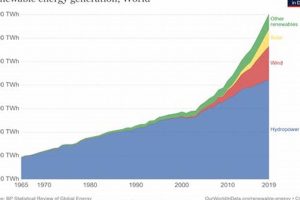
The importance of mitigation as a core component of COP28’s focus on renewable energy cannot be overstated. The conference underscored the urgency of transitioning away from fossil fuels to limit global warming to well below 2 degrees Celsius, preferably to 1.5 degrees Celsius, compared to pre-industrial levels, as outlined in the Paris Agreement. Real-world examples, such as the rapid growth of solar and wind capacity in countries like China and the United States, demonstrate the tangible impact of policy and investment on emissions reductions. These shifts, while significant, necessitate further acceleration and global cooperation to achieve the ambitious targets set forth in international agreements.
A practical understanding of the link between mitigation and renewable energy informs policy decisions, investment strategies, and technological development. It underscores the need for supportive regulatory frameworks, innovative financing mechanisms, and continued research and development to drive down costs and improve the efficiency of renewable energy technologies. Challenges remain, including grid integration, energy storage, and ensuring a just and equitable transition for all, particularly for developing nations. Addressing these challenges effectively is paramount to achieving meaningful mitigation outcomes and realizing the full potential of renewable energy in combating climate change.
2. Investment

Investment played a central role in discussions surrounding renewable energy at COP28. The conference underscored the significant financial resources required to accelerate the global transition to sustainable energy systems. A direct correlation exists between investment levels and the pace of renewable energy deployment. Increased investment translates into greater deployment of renewable energy technologies, grid modernization efforts, and research and development of innovative solutions. Conversely, insufficient investment can hinder progress, delaying the achievement of climate goals and perpetuating reliance on fossil fuels.
The importance of investment as a key driver of the renewable energy transition was a recurring theme at COP28. Discussions focused on mobilizing public and private finance, de-risking investments in developing countries, and creating innovative financing mechanisms to attract capital. Real-world examples, such as the establishment of green banks and the increasing flow of private capital into renewable energy projects, demonstrate the impact of targeted investments on accelerating deployment. However, substantial funding gaps remain, particularly in developing nations, hindering their ability to fully participate in the global energy transition. Bridging this gap requires innovative approaches, including blended finance, concessional loans, and risk mitigation instruments.
A practical understanding of the crucial role of investment informs policy decisions, shapes international cooperation strategies, and guides private sector engagement. Clear policy signals, stable regulatory frameworks, and transparent investment processes are essential for attracting and effectively utilizing financial resources. Addressing the investment challenge requires a concerted global effort, involving governments, multilateral institutions, private investors, and civil society. Overcoming this hurdle is fundamental to achieving a swift and equitable global transition to renewable energy and mitigating the impacts of climate change.
3. Innovation

Technological innovation formed a critical pillar of the renewable energy discussions at COP28. The conference emphasized the need for continuous advancements in renewable energy technologies, energy storage solutions, and grid integration systems. A causal link exists between innovation and the effectiveness of renewable energy deployment: breakthroughs in areas such as energy storage and smart grids directly enhance the reliability, affordability, and scalability of renewable energy sources. These advancements facilitate greater integration of renewable energy into existing energy systems, thereby accelerating the transition away from fossil fuels. Conversely, stagnation in innovation can impede progress, limiting the potential of renewable energy to meet global energy demands and climate goals.
The importance of innovation as a key driver of the renewable energy transition was a prominent theme at COP28. Discussions focused on accelerating research and development, promoting technology transfer between developed and developing countries, and fostering public-private partnerships to drive innovation. Real-world examples, such as the development of more efficient solar panels, advanced battery storage technologies, and smart grid management systems, illustrate the tangible benefits of continuous innovation. These advancements are essential for overcoming technical barriers, reducing costs, and improving the overall performance of renewable energy systems. However, significant challenges remain, including the need for increased funding for research and development, streamlining regulatory processes for new technologies, and ensuring equitable access to the benefits of innovation.
A practical understanding of the crucial role of innovation informs policy decisions, shapes investment strategies, and influences the direction of technological development. Supportive policies, targeted investments in research and development, and international collaboration are essential for fostering a dynamic innovation ecosystem. Addressing the innovation imperative requires a concerted effort from governments, research institutions, private sector actors, and international organizations. Overcoming this challenge is paramount to unlocking the full potential of renewable energy, achieving global climate targets, and ensuring a sustainable energy future.
4. Collaboration
Collaboration emerged as a crucial theme within the renewable energy discussions at COP28. The conference highlighted the necessity of international cooperation to accelerate the global transition to sustainable energy systems. Effective collaboration among nations, international organizations, private sector actors, and civil society is essential for sharing best practices, mobilizing financial resources, fostering technological innovation, and ensuring a just and equitable energy transition.
- Technology Transfer
Facilitating the transfer of renewable energy technologies from developed to developing countries is vital for accelerating global deployment. Examples include sharing expertise in wind turbine technology or solar panel manufacturing. This collaborative approach enables developing nations to leapfrog fossil fuel dependence and adopt cleaner energy pathways, accelerating global emissions reductions.
- Financial Assistance
Developed countries pledged financial support to assist developing nations in their transition to renewable energy. This collaborative funding mechanism is crucial for enabling developing countries to invest in renewable energy infrastructure, build technical capacity, and implement supportive policies. Examples include concessional loans, grants, and blended finance initiatives.
- Capacity Building
Collaborative efforts to enhance technical expertise and institutional capacity in developing countries are essential for successful renewable energy integration. This includes training programs, knowledge sharing platforms, and technical assistance to support project development and grid management. Such initiatives empower developing nations to effectively manage and maintain renewable energy projects, ensuring long-term sustainability.
- Policy Coordination
Harmonizing policies and regulatory frameworks across countries can streamline the deployment of renewable energy technologies and facilitate cross-border energy trade. Collaborative initiatives, such as regional energy agreements and international standards for renewable energy equipment, can create a more favorable environment for investment and innovation.
These collaborative efforts, discussed extensively at COP28, are fundamental for achieving a swift and equitable global energy transition. The interconnected nature of the global energy system necessitates international cooperation to overcome challenges, share best practices, and mobilize the necessary resources. By working together, nations can accelerate the deployment of renewable energy, mitigate the impacts of climate change, and build a more sustainable energy future for all.
5. Implementation
Implementation represents a crucial link between the ambitions set forth at COP28 for renewable energy and tangible outcomes. The conference highlighted the critical need to translate commitments into concrete actions, encompassing policy execution, project development, and technological deployment. A direct cause-and-effect relationship exists: effective implementation directly accelerates the transition to renewable energy, contributing to emissions reductions and enhanced energy security. Conversely, weak implementation can hinder progress, delaying the achievement of climate goals and perpetuating reliance on fossil fuels. Practical implementation requires navigating complex regulatory landscapes, securing financing, overcoming technical barriers, and ensuring community engagement.
The importance of implementation as a core component of COP28’s focus on renewable energy was underscored throughout the conference. Discussions focused on developing actionable implementation plans, streamlining permitting processes, strengthening institutional capacity, and fostering public-private partnerships to accelerate project deployment. Real-world examples, such as the successful implementation of large-scale solar projects in India and offshore wind farms in Europe, demonstrate the tangible benefits of effective policy and regulatory frameworks. These examples also highlight the importance of community engagement, stakeholder collaboration, and addressing potential environmental and social impacts. However, challenges persist, including grid integration issues, financing gaps, and ensuring equitable access to the benefits of renewable energy, particularly in developing nations.
A practical understanding of the pivotal role of implementation informs policy decisions, shapes investment strategies, and guides project development. Strong governance, transparent regulatory processes, and effective monitoring mechanisms are essential for ensuring successful implementation. Addressing implementation challenges requires a concerted effort from governments, private sector actors, civil society organizations, and local communities. Overcoming these hurdles is fundamental to translating the ambitions of COP28 into concrete progress, accelerating the global shift towards renewable energy, and mitigating the impacts of climate change.
6. Equity
Equity within the context of COP28 and renewable energy signifies fair and just access to the benefits of the clean energy transition, acknowledging differing capacities and historical responsibilities. It underscores the importance of ensuring that all countries and communities, particularly those most vulnerable to climate change impacts, can participate in and benefit from the shift to sustainable energy systems. Discussions surrounding equity at COP28 recognized the disproportionate impact of climate change on developing nations and emphasized the need for financial and technological support to enable their participation in the global energy transition.
- Fair Access to Finance
Developing nations require financial assistance to invest in renewable energy infrastructure and technologies. Equity demands that developed countries, bearing historical responsibility for greenhouse gas emissions, provide adequate financial support through grants, concessional loans, and other innovative financing mechanisms. This addresses the financial barriers faced by developing countries, enabling their active participation in the clean energy transition and ensuring they benefit from its economic and social opportunities.
- Technology Transfer and Capacity Building
Bridging the technological gap between developed and developing countries is crucial for equitable participation in the renewable energy transition. Facilitating technology transfer and providing capacity-building support empowers developing nations to adopt and adapt renewable energy technologies, fostering local expertise and ownership of the energy transition process. Examples include training programs for technicians and engineers, knowledge-sharing platforms, and support for local manufacturing of renewable energy components.
- Just Transition for Workers and Communities
The shift away from fossil fuels can have significant socio-economic impacts on workers and communities dependent on these industries. Equity demands a just transition that ensures these communities are not left behind. This includes providing retraining and reskilling opportunities, supporting the development of alternative industries, and ensuring equitable access to the new economic opportunities created by the renewable energy sector.
- Addressing Energy Poverty
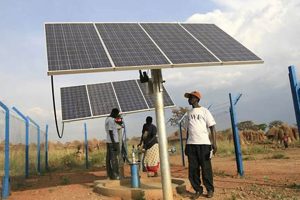
Millions lack access to basic energy services, hindering economic development and perpetuating poverty. Equity requires prioritizing access to clean and affordable energy for all. This includes supporting off-grid and mini-grid renewable energy solutions in remote and underserved communities, empowering them to participate in the energy transition and benefit from its social and economic advantages.
These facets of equity are interconnected and crucial for achieving a truly inclusive and sustainable global energy transition. Ignoring these considerations risks exacerbating existing inequalities and undermining the broader goals of COP28 and the Paris Agreement. A just and equitable energy transition is not only a moral imperative but also a practical necessity for ensuring global cooperation, fostering sustainable development, and effectively addressing the climate crisis.
7. Transition
Transition, within the context of COP28 and renewable energy, signifies the global shift from fossil fuel-based energy systems to sustainable energy sources. This complex process involves not only technological advancements and infrastructure development but also fundamental changes in economic structures, policy frameworks, and societal behaviors. The transition to renewable energy is a central theme of COP28, reflecting the global recognition of its crucial role in mitigating climate change and ensuring long-term energy security. A successful transition requires careful planning, significant investment, international cooperation, and equitable implementation to ensure a just and inclusive outcome for all nations and communities.
- Decarbonizing the Power Sector
This facet of the transition focuses on replacing fossil fuel-based power plants with renewable energy sources like solar, wind, hydro, and geothermal. Real-world examples include the rapid growth of offshore wind capacity in Europe and the increasing deployment of solar photovoltaic systems in countries like India. Decarbonizing the power sector is essential for reducing greenhouse gas emissions and achieving global climate targets. The transition requires grid modernization, investment in energy storage solutions, and policy mechanisms to incentivize renewable energy deployment.
- Electrifying Transportation Systems
Shifting from internal combustion engine vehicles to electric vehicles powered by renewable energy is a key component of the transition. Real-world examples include the growing adoption of electric cars in China and Norway and the development of electric bus fleets in many cities worldwide. Electrifying transportation reduces reliance on fossil fuels, improves air quality, and contributes to decarbonizing the transport sector. This facet requires investment in charging infrastructure, development of battery technologies, and supportive policies to incentivize electric vehicle adoption.
- Decarbonizing Industrial Processes
Many industrial processes rely on fossil fuels for heat and energy. Transitioning to renewable energy sources, such as biomass, geothermal, and green hydrogen, is crucial for decarbonizing these industries. Real-world examples include the use of biomass in cement production and the exploration of green hydrogen for steelmaking. This transition requires technological innovation, investment in research and development, and policy frameworks that incentivize the adoption of cleaner industrial processes.
- Ensuring a Just and Equitable Transition
The transition to renewable energy must be inclusive and equitable, ensuring that all countries and communities benefit from the shift. This facet focuses on addressing the socio-economic impacts of the transition on workers and communities dependent on fossil fuel industries, providing retraining and reskilling opportunities, and ensuring equitable access to the benefits of renewable energy. Real-world examples include initiatives to support coal mining communities in their transition to new economic activities and programs to promote renewable energy development in underserved communities. A just and equitable transition is essential for building public support and ensuring the long-term sustainability of the energy transformation.
These interconnected facets of the energy transition are crucial for achieving the goals set forth at COP28 and the Paris Agreement. The transition represents a fundamental shift in the global energy landscape, requiring concerted efforts from governments, businesses, and civil society to navigate the complexities, overcome the challenges, and realize the full potential of renewable energy in building a sustainable and prosperous future.
Frequently Asked Questions about Renewable Energy in the Context of COP28
This section addresses common inquiries regarding the role of renewable energy within the framework of COP28, aiming to provide clear and concise information.
Question 1: How did COP28 contribute to advancing the global transition to renewable energy?
COP28 facilitated discussions and negotiations among nations, resulting in agreements and commitments to accelerate the deployment of renewable energy technologies. The conference emphasized the urgency of transitioning away from fossil fuels and highlighted the critical role of renewable energy in achieving global climate goals. Specific outcomes included pledges for increased investment in renewable energy projects, commitments to phase out fossil fuel subsidies, and agreements to strengthen international cooperation on technology transfer and capacity building.
Question 2: What are the main barriers to widespread renewable energy adoption?
Key barriers include upfront costs of renewable energy technologies, grid integration challenges associated with intermittent renewable sources like solar and wind, policy and regulatory uncertainties, and financing gaps, particularly in developing countries. Addressing these barriers requires innovative financing mechanisms, grid modernization efforts, supportive policies, and international collaboration.
Question 3: How does renewable energy contribute to energy security?
Renewable energy sources are domestically available in most countries, reducing reliance on imported fossil fuels and enhancing energy independence. Diversifying energy portfolios with renewable sources increases resilience to price volatility and geopolitical instability associated with fossil fuel dependence. Decentralized renewable energy generation can also enhance grid stability and security.
Question 4: What are the economic benefits of transitioning to renewable energy?
The renewable energy sector creates jobs in manufacturing, installation, maintenance, and research and development. Investments in renewable energy stimulate economic growth and innovation. Reduced reliance on imported fossil fuels can improve trade balances and free up resources for other economic priorities. Transitioning to renewable energy also reduces healthcare costs associated with air pollution from fossil fuel combustion.
Question 5: How can individuals contribute to the renewable energy transition?
Individuals can support the transition by adopting energy-efficient practices at home and work, investing in renewable energy technologies like rooftop solar panels, advocating for supportive policies, and choosing sustainable transportation options. Consumer choices can drive demand for renewable energy products and services, signaling market preferences to businesses and policymakers.
Question 6: What is the role of international cooperation in accelerating the renewable energy transition?
International cooperation is essential for sharing best practices, mobilizing financial resources, fostering technological innovation, and ensuring a just and equitable energy transition. Developed countries can assist developing nations through technology transfer, financial assistance, and capacity-building initiatives. Collaborative efforts, like those fostered at COP28, are crucial for overcoming global challenges and achieving shared climate and energy goals.
Addressing these frequently asked questions provides a foundational understanding of the key considerations surrounding the integration of renewable energy within the context of COP28. The transition to renewable energy represents a complex but essential undertaking with profound implications for global climate action, energy security, and sustainable development.
The next section will explore specific case studies of successful renewable energy implementation in various countries, highlighting best practices and lessons learned.
Conclusion
This exploration of renewable energy within the context of COP28 has highlighted the critical importance of accelerating the global transition to sustainable energy systems. The conference served as a crucial platform for international collaboration, reinforcing the urgency of addressing climate change and outlining key pathways for achieving a cleaner energy future. Significant emphasis was placed on the need for increased investment, technological innovation, equitable implementation, and supportive policy frameworks to overcome existing barriers and unlock the full potential of renewable energy. The discussions surrounding mitigation, adaptation, and international cooperation underscored the interconnected nature of the global energy transition and the necessity of a collective effort to achieve shared goals. COP28 reaffirmed the importance of transitioning away from fossil fuels and embracing sustainable energy solutions as a cornerstone of global climate action.
The outcomes of COP28 represent a pivotal moment in the global pursuit of a sustainable energy future. While significant challenges remain, the commitments made and the momentum generated provide a foundation for accelerated progress. The future of energy hinges on the effective implementation of these commitments, requiring continued collaboration, innovation, and a steadfast dedication to building a resilient, equitable, and decarbonized energy system for all. The transition to renewable energy is not merely a technological endeavor; it represents a fundamental shift towards a more sustainable and prosperous future for generations to come. The urgency of the climate crisis demands nothing less than a full-scale commitment to realizing this vision.