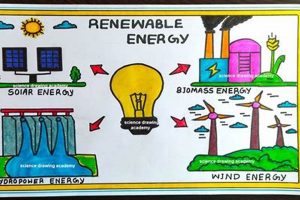
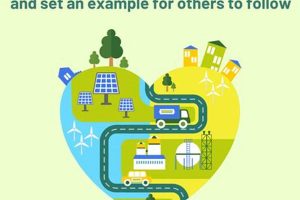
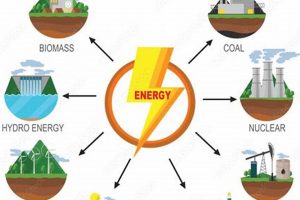
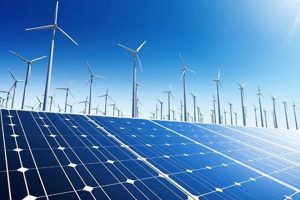
Renewable energy sources like solar, wind, geothermal, and hydropower, when adopted by individuals and households for electricity generation and thermal needs, represent a pivotal shift in energy consumption. For instance, rooftop solar panels empower homeowners to generate electricity directly from sunlight, while geothermal heat pumps provide efficient heating and cooling solutions.
Decentralized energy production offers numerous advantages, including reduced reliance on fossil fuels, lower greenhouse gas emissions, increased energy independence, and potential cost savings over the long term. Historically, energy generation was centralized with large power plants, but technological advancements have facilitated the growth of distributed generation, empowering individuals to actively participate in a sustainable energy future.
This article will explore the various technologies enabling household renewable energy adoption, delve into the economic and environmental considerations, and discuss the role of government policies and incentives in promoting this important transition.
Tips for Transitioning to Household Renewable Energy
Careful planning and consideration are essential for maximizing the benefits of renewable energy adoption. The following tips provide guidance for a successful transition.
Tip 1: Conduct a thorough energy audit. Understanding current energy consumption patterns is crucial for determining the most appropriate renewable energy solutions. An audit identifies areas for improvement and helps estimate potential savings.
Tip 2: Research available technologies. Different renewable energy technologies suit various needs and locations. Rooftop solar panels are effective in sunny climates, while geothermal heat pumps excel in areas with consistent ground temperatures.
Tip 3: Evaluate local regulations and incentives. Government policies and incentives can significantly impact the financial viability of renewable energy installations. Researching available programs and permits is essential.
Tip 4: Consider long-term costs and benefits. While initial investments can be substantial, renewable energy systems offer long-term cost savings and increased property value. A comprehensive cost-benefit analysis is recommended.
Tip 5: Choose reputable installers and equipment. Proper installation and high-quality equipment are vital for system performance and longevity. Thorough research and due diligence are necessary when selecting installers and products.
Tip 6: Explore financing options. Various financing options, including loans, leases, and power purchase agreements, can make renewable energy installations more accessible. Comparing different options is crucial for selecting the most suitable financing method.
Tip 7: Monitor system performance. Regularly monitoring system performance helps ensure optimal efficiency and identifies potential issues early. Many systems offer remote monitoring capabilities.
By following these tips, households can effectively transition to renewable energy, contributing to a sustainable energy future while potentially reducing energy costs and enhancing property value.
This information provides a practical foundation for making informed decisions about adopting household renewable energy solutions. The following sections will explore specific technologies and implementation strategies in greater detail.
1. Household Adoption

Household adoption of renewable energy technologies forms the foundation of consumer-driven energy transition. Individual choices to integrate these technologies within their homes directly impact the overall growth and effectiveness of decentralized, sustainable energy systems. Examining the key facets of household adoption provides crucial insights into this evolving landscape.
- Motivations and Barriers
Various factors influence household decisions regarding renewable energy adoption. Economic incentives, such as tax credits and reduced energy bills, often play a significant role. However, high upfront costs, perceived complexity, and aesthetic concerns can present barriers. Understanding these motivations and addressing the challenges is crucial for wider adoption.
- Technological Choices
Households face a range of technological options, including solar photovoltaic (PV) systems, solar thermal systems for water heating, small-scale wind turbines, and geothermal heat pumps. The suitability of each technology depends on factors like geographic location, energy consumption patterns, and available space. For instance, solar PV systems are more effective in regions with ample sunlight, while geothermal solutions are ideal in areas with consistent ground temperatures.
- Integration with Existing Infrastructure
Integrating renewable energy systems seamlessly with existing household infrastructure is essential for optimal performance. This involves considerations such as grid compatibility, battery storage solutions for excess energy, and smart home energy management systems. Successful integration ensures efficient utilization of generated renewable energy and minimizes reliance on traditional grid electricity.
- Community Impact
Household adoption of renewable energy extends beyond individual benefits, impacting the broader community. Increased adoption contributes to reduced reliance on fossil fuels, improved local air quality, and enhanced energy security. Furthermore, the growth of consumer-level renewable energy can stimulate local job creation in installation, maintenance, and manufacturing sectors.
These interconnected facets of household adoption highlight its crucial role in the overall growth of consumer renewable energy. As technology advances and costs continue to decline, household-level energy generation is poised to become an increasingly integral part of a sustainable energy future, fostering both individual and collective benefits.
2. Distributed Generation

Distributed generation represents a paradigm shift in energy production, moving away from centralized power plants towards smaller, localized generation sources. This decentralized approach is intrinsically linked to consumer renewable energy, empowering individuals and communities to actively participate in energy production and consumption. Exploring the facets of distributed generation reveals its crucial role in facilitating the growth of consumer-level renewable energy.
- Decentralized Energy Production
Unlike traditional centralized power plants, distributed generation relies on numerous smaller-scale generation units located closer to the point of consumption. This reduces transmission losses and enhances grid resilience. Rooftop solar panels on residential homes exemplify this concept, transforming individual consumers into energy producers.
- Empowering Consumer Choice
Distributed generation empowers consumers with greater control over their energy sources. They can choose to generate their own electricity using renewable sources, reducing reliance on utility-supplied power and potentially lowering energy costs. This active participation fosters energy independence and promotes the adoption of sustainable practices.
- Grid Modernization and Resilience
The integration of distributed generation necessitates grid modernization. Smart grids, equipped with advanced monitoring and control systems, are essential for managing the influx of variable renewable energy sources like solar and wind. This modernization enhances grid stability and resilience, particularly during peak demand periods or grid disruptions.
- Environmental Benefits
Distributed generation, particularly when based on renewable sources, offers significant environmental advantages. Reduced reliance on fossil fuels translates to lower greenhouse gas emissions, contributing to cleaner air and mitigating the impacts of climate change. Furthermore, localized generation minimizes the need for extensive transmission infrastructure, reducing land use impacts.
These interconnected aspects of distributed generation highlight its fundamental role in advancing consumer renewable energy. By empowering individuals and communities to actively participate in energy production, distributed generation fosters a more sustainable, resilient, and democratized energy landscape. As technology continues to advance and costs decline, distributed generation is poised to play an increasingly prominent role in shaping the future of energy.
3. Solar Panels

Solar panels represent a cornerstone of consumer renewable energy, providing a direct pathway for individuals and households to generate electricity from sunlight. This photovoltaic technology converts solar radiation into usable electrical energy, empowering consumers to reduce reliance on traditional grid electricity and contribute to a more sustainable energy landscape. The cause-and-effect relationship is clear: increased adoption of solar panels leads to greater utilization of renewable energy at the consumer level, decreasing dependence on fossil fuel-based power generation. This shift has significant implications for both individual households and the broader energy system.
The importance of solar panels as a component of consumer renewable energy is underscored by their widespread accessibility and declining costs. Residential rooftop solar installations have become increasingly common, offering homeowners a tangible means to reduce their carbon footprint and potentially lower their electricity bills. For example, a household with a suitably sized solar array can generate a significant portion of its electricity needs, offsetting consumption from the grid and reducing reliance on fossil fuels. Furthermore, advancements in battery storage technology allow excess solar energy to be stored and used during periods of low sunlight or high demand, further enhancing energy independence.
Practical applications of solar panels extend beyond individual residences. Community solar projects enable shared access to solar energy for residents who may not have suitable rooftops or the financial capacity for individual installations. Businesses are also increasingly incorporating solar panels into their operations, reducing operating costs and demonstrating environmental responsibility. The continued growth and innovation in solar panel technology are crucial for realizing the full potential of consumer renewable energy, paving the way for a cleaner, more decentralized, and sustainable energy future.
4. Wind Turbines

Wind turbines play a significant role in consumer renewable energy, offering a viable alternative to traditional fossil fuel-based electricity generation. Harnessing the kinetic energy of wind, these turbines convert it into electrical energy, empowering consumers to generate their own clean power. The direct cause-and-effect relationship is clear: increased adoption of wind turbines leads to greater reliance on renewable energy sources, reducing greenhouse gas emissions and dependence on centralized power grids. This decentralized approach to energy production offers significant benefits for both individual consumers and the environment.
The importance of wind turbines as a component of consumer renewable energy stems from their ability to generate clean, sustainable power. While larger wind farms contribute significantly to renewable energy generation, smaller-scale wind turbines are increasingly accessible to individual consumers. Residential wind turbines can supplement grid electricity or provide off-grid power for homes in suitable locations. For example, rural homeowners with sufficient land and consistent wind resources can generate a substantial portion of their electricity needs using a small wind turbine. Furthermore, advancements in small wind turbine technology have improved efficiency and reduced noise levels, making them more suitable for residential settings. Practical applications also extend to agricultural operations, where wind turbines can power irrigation systems and other farm equipment.
While wind turbines offer significant potential for consumer-level renewable energy generation, their effectiveness depends on location-specific factors. Wind resources vary geographically, and not all locations are suitable for wind turbine installations. Careful assessment of wind speed, prevailing wind direction, and local regulations is crucial before investing in a wind turbine. Integration with existing energy infrastructure and battery storage solutions are also essential considerations for maximizing the benefits of consumer-level wind energy generation. Addressing these challenges and continuing technological advancements will further enhance the role of wind turbines in powering a sustainable energy future.
5. Energy Independence

Energy independence, often associated with national energy security, takes on a new dimension within the context of consumer renewable energy. It represents the ability of individuals and households to generate a significant portion of their own energy needs, reducing reliance on centralized power grids and external energy sources. This shift towards self-reliance empowers consumers and enhances the resilience of local energy systems.
- Reduced Reliance on Grid Electricity
Consumer renewable energy technologies, such as rooftop solar panels and small wind turbines, enable households to generate their own electricity, decreasing their dependence on utility-supplied power. This reduced reliance translates to greater control over energy costs and enhanced stability during grid outages or disruptions. For example, during a power outage, a home equipped with solar panels and battery storage can maintain essential functions, enhancing household resilience.
- Protection from Price Volatility
Fluctuations in fossil fuel prices can significantly impact electricity costs for consumers reliant on traditional grid electricity. By generating their own power from renewable sources, consumers can shield themselves from these price volatilities, achieving greater predictability and stability in their energy expenses. This price stability is particularly beneficial in regions with volatile energy markets.
- Enhanced Energy Security
Energy independence at the consumer level contributes to enhanced energy security within communities and regions. By diversifying energy sources and reducing reliance on centralized power generation, distributed renewable energy systems create a more robust and resilient energy landscape. This decentralized approach minimizes vulnerability to disruptions in fuel supply or large-scale grid failures.
- Empowerment and Local Control
Consumer renewable energy fosters a sense of empowerment by giving individuals direct control over their energy production. This localized control promotes community engagement and fosters a greater sense of ownership in the transition to a sustainable energy future. Community solar projects, for instance, exemplify this empowerment, enabling shared access to renewable energy resources.
These facets of energy independence highlight the transformative potential of consumer renewable energy. By empowering individuals and communities to generate their own clean power, consumer-level renewable energy fosters a more resilient, sustainable, and democratized energy landscape. This shift towards greater self-reliance not only benefits individual consumers but also contributes to broader societal goals of energy security and environmental sustainability.
6. Sustainability

Sustainability forms an intrinsic link with consumer renewable energy, representing a core driver and a key outcome of this evolving energy landscape. The adoption of renewable energy technologies by consumers directly contributes to environmental sustainability by reducing reliance on finite fossil fuels and mitigating greenhouse gas emissions. This cause-and-effect relationship is fundamental to understanding the transformative potential of consumer-level renewable energy adoption. The importance of sustainability as a component of consumer renewable energy lies in its capacity to address pressing environmental challenges while empowering individuals to actively participate in creating a more sustainable future. For example, a household switching to solar energy directly reduces its carbon footprint, contributing to broader efforts to mitigate climate change. This shift not only benefits the environment but also fosters a sense of individual responsibility and engagement in sustainable practices.
The practical significance of understanding the connection between sustainability and consumer renewable energy extends beyond individual actions. Widespread adoption of consumer-level renewable energy technologies contributes to a more sustainable energy system, reducing dependence on large-scale, centralized power generation and fostering greater resilience within local communities. This decentralized approach to energy production enhances energy security and minimizes environmental impacts associated with traditional energy infrastructure. Furthermore, the growth of consumer renewable energy stimulates innovation and investment in clean energy technologies, accelerating the transition towards a more sustainable energy future. Real-world examples, such as community solar projects and the increasing affordability of home battery storage systems, demonstrate the tangible benefits and growing momentum of consumer-driven renewable energy adoption.
The pursuit of sustainability through consumer renewable energy faces challenges, including upfront costs, integration with existing infrastructure, and intermittency of renewable resources. However, ongoing technological advancements, supportive government policies, and increasing consumer awareness are driving continued progress. Addressing these challenges and fostering greater collaboration between stakeholders are crucial for realizing the full potential of consumer renewable energy as a cornerstone of a sustainable energy future. The transition to a sustainable energy system requires a multifaceted approach, and consumer-level adoption of renewable energy technologies plays a pivotal role in achieving this critical global objective.
Frequently Asked Questions
This section addresses common inquiries regarding the adoption and utilization of renewable energy resources by consumers.
Question 1: What are the primary financial incentives available for consumers adopting renewable energy technologies?
Incentives vary by jurisdiction but often include tax credits, rebates, and net metering programs. These programs can significantly reduce the upfront costs of renewable energy installations and offer long-term financial benefits.
Question 2: How does the intermittency of renewable energy sources, such as solar and wind, affect reliability?
Intermittency can be addressed through battery storage solutions, grid modernization efforts, and diversified renewable energy portfolios. Battery storage systems store excess energy generated during peak production for use during periods of low generation. Grid modernization enhances the ability to manage variable renewable energy sources. Diversifying renewable energy portfolios, combining solar and wind resources, can minimize the impact of intermittency.
Question 3: What is the typical lifespan of consumer-level renewable energy systems, and what maintenance is required?
Solar panels generally have a lifespan of 25-30 years or more. Wind turbines typically last 20-25 years. Regular maintenance, including inspections and occasional cleaning, is recommended to ensure optimal performance and longevity. Reputable installers often provide maintenance services and warranties.
Question 4: How do consumers determine the appropriate size and type of renewable energy system for their needs?
A professional energy audit is recommended to assess energy consumption patterns and determine the optimal system size and type. Factors considered include energy usage, available space, local climate conditions, and budgetary constraints. Qualified installers can provide customized system recommendations based on individual needs.
Question 5: What are the environmental impacts of manufacturing renewable energy technologies?
While the operational environmental impact of renewable energy technologies is minimal, the manufacturing process can involve resource extraction and energy consumption. However, lifecycle assessments consistently demonstrate that the environmental benefits of renewable energy significantly outweigh the manufacturing impacts over the long term.
Question 6: How can consumers ensure the ethical sourcing and disposal of renewable energy equipment?
Consumers can research manufacturers sustainability practices, seeking certifications and transparency regarding material sourcing and manufacturing processes. Recycling programs for renewable energy components, such as solar panels and wind turbine blades, are also becoming increasingly available, promoting responsible end-of-life management.
Understanding these key aspects of consumer renewable energy empowers individuals to make informed decisions regarding their energy consumption and contribute to a more sustainable future.
The next section will explore case studies of successful consumer renewable energy implementations, showcasing practical examples and highlighting the transformative potential of this evolving energy landscape.
Conclusion
Consumer renewable energy, encompassing distributed generation technologies such as solar panels and wind turbines at the household level, presents a transformative pathway toward a more sustainable and resilient energy future. This approach empowers individuals to actively participate in energy production, reducing reliance on centralized grids and fossil fuels. The exploration of household adoption, technological choices, integration with existing infrastructure, and community impact underscores the multifaceted nature of this evolving energy landscape. Furthermore, the examination of energy independence and its associated benefits, including reduced reliance on grid electricity, protection from price volatility, and enhanced energy security, highlights the potential of consumer renewable energy to reshape the relationship between individuals and their energy consumption.
The transition to widespread consumer renewable energy adoption requires ongoing innovation, supportive policies, and increased public awareness. Addressing challenges such as intermittency, grid integration, and initial costs will be crucial for unlocking the full potential of this transformative approach. The continued advancement and integration of consumer renewable energy technologies hold significant promise for creating a more decentralized, sustainable, and equitable energy future, benefiting both individual consumers and the global environment. The shift towards consumer-driven renewable energy represents not merely a technological advancement, but a fundamental shift in the way energy is produced, consumed, and valued, paving the way for a more sustainable and resilient future for all.