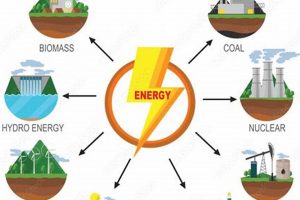
The transition from conventional energy sources like fossil fuels (coal, oil, and natural gas) to sustainable sources like solar, wind, hydro, geothermal, and biomass power represents a fundamental shift in energy production and consumption. An example of this transition is a household installing solar panels to generate electricity instead of relying solely on power from a grid supplied by a coal-fired power plant.
This energy transformation is critical for mitigating climate change by reducing greenhouse gas emissions. It fosters energy independence by diversifying supply sources and reducing reliance on volatile global markets. Furthermore, the development and implementation of these technologies stimulate economic growth, create jobs, and offer the potential for increased energy access in underserved communities. Historically, energy transitions have marked significant societal shifts, from the adoption of coal to the rise of oil and gas. The current transition represents an equally profound change, driven by environmental necessity and technological advancements.
The following sections delve into specific aspects of this essential transition, exploring the different renewable energy technologies, the economic and policy landscape, and the challenges and opportunities involved in creating a sustainable energy future.
Tips for Transitioning to Sustainable Energy Sources
Implementing sustainable energy solutions can appear complex. These tips offer practical guidance for navigating the process effectively.
Tip 1: Conduct an Energy Audit: Assessing current energy consumption provides a baseline for identifying areas for improvement and potential savings. Professional audits offer comprehensive insights, while simple self-assessments using online tools can highlight areas of high energy use within a home or business.
Tip 2: Explore Available Incentives: Many governments and utilities offer financial incentives, such as tax credits, rebates, and grants, to encourage the adoption of sustainable energy technologies. Researching available programs can significantly reduce upfront costs.
Tip 3: Consider Energy Efficiency First: Reducing energy consumption through efficiency measures, like improved insulation, energy-efficient appliances, and smart thermostats, minimizes the overall energy demand, making the transition to renewables more cost-effective.
Tip 4: Choose the Right Renewable Technology: Different renewable technologies are suited to different locations and energy needs. Rooftop solar panels are ideal for homeowners with adequate sunlight, while wind turbines are more effective in areas with consistent wind resources. Consulting with experts can help determine the most suitable option.
Tip 5: Understand Installation and Maintenance Requirements: Each renewable energy system has specific installation and maintenance needs. Factoring in these requirements, including permits, inspections, and ongoing maintenance costs, ensures smooth operation and long-term performance.
Tip 6: Research Reputable Installers: Selecting qualified and experienced installers is crucial for a successful installation. Checking certifications, references, and warranties ensures a reliable and safe system.
Tip 7: Explore Community Solar or Wind Projects: For those unable to install their own systems, participating in community solar or wind projects allows individuals to benefit from renewable energy without the need for direct installation.
By following these tips, individuals and businesses can effectively transition to sustainable energy sources, reducing their environmental impact while potentially lowering energy costs and contributing to a more sustainable future.
The concluding section will summarize the key advantages of embracing sustainable energy solutions and their role in shaping a more resilient and environmentally responsible energy future.
1. Reduced Emissions

Reduced emissions represent a primary driver and a key outcome of transitioning to renewable energy sources. The combustion of fossil fuels for energy production releases significant quantities of greenhouse gases, primarily carbon dioxide, into the atmosphere. These gases contribute to climate change by trapping heat and altering global weather patterns. Renewable energy sources, in contrast, produce little to no greenhouse gas emissions during operation. Therefore, replacing fossil fuel-based power generation with renewable alternatives directly reduces emissions, mitigating the environmental impact of energy production.
The connection between reduced emissions and renewable energy adoption is demonstrable through various examples. Replacing a coal-fired power plant with a solar farm significantly reduces carbon dioxide emissions. Similarly, electrifying transportation through the use of electric vehicles powered by renewable energy sources reduces tailpipe emissions, contributing to cleaner air in urban areas. Quantifying these reductions provides concrete evidence of the positive environmental impact of embracing renewable energy. For instance, a lifecycle assessment of a wind turbine reveals substantially lower greenhouse gas emissions compared to a coal-fired power plant over its operational lifespan.
Understanding the direct link between reduced emissions and renewable energy adoption is crucial for informed decision-making in energy policy and investment. While challenges remain in terms of infrastructure development, technological advancements, and economic considerations, the potential for significant emissions reductions underscores the importance of accelerating the global transition to renewable energy. This shift is essential not only for mitigating climate change but also for improving air quality, enhancing public health, and ensuring a sustainable energy future.
2. Energy Independence

Energy independence represents a critical aspect of national security and economic stability. Reliance on imported fossil fuels creates vulnerabilities to price volatility, supply disruptions, and geopolitical tensions. Switching to domestically sourced renewable energy offers a pathway to greater energy independence, enhancing national resilience and reducing reliance on external factors.
- Reduced Reliance on Foreign Energy Sources
Renewable energy sources, such as solar, wind, and geothermal, are inherently domestic resources. Harnessing these resources reduces the need to import fossil fuels from other countries, lessening dependence on potentially unstable or unfriendly nations. This decreased reliance strengthens national energy security and provides greater control over energy supplies.
- Diversification of Energy Supply
Renewable energy technologies contribute to a more diversified energy portfolio. Relying on a single source of energy creates vulnerabilities to disruptions. By incorporating a mix of renewable sources, such as wind, solar, hydro, and geothermal, nations can create a more resilient energy system less susceptible to single points of failure. For example, a nation heavily reliant on imported natural gas can enhance its energy security by developing domestic wind and solar resources.
- Enhanced Grid Stability and Resilience
Decentralized renewable energy generation, such as rooftop solar panels and community wind farms, can enhance grid stability and resilience. Distributed generation reduces dependence on large, centralized power plants, making the grid less vulnerable to widespread outages caused by natural disasters or cyberattacks. This distributed model also improves grid flexibility and responsiveness to fluctuating energy demands.
- Creation of Domestic Jobs and Economic Growth
The development, manufacturing, installation, and maintenance of renewable energy technologies create domestic jobs and stimulate economic growth. Shifting investments from imported fossil fuels to domestic renewable energy industries strengthens local economies and reduces the outflow of capital. For instance, the growth of the solar industry has created numerous jobs in manufacturing, installation, and maintenance, contributing to economic development in communities across the globe.
The pursuit of energy independence through the adoption of renewable energy technologies offers significant benefits beyond enhanced national security. It contributes to economic growth, strengthens local communities, and reduces reliance on finite fossil fuel resources. By diversifying energy supplies and enhancing grid resilience, nations can create a more secure, sustainable, and prosperous energy future.
3. Economic Growth

The transition to renewable energy sources presents significant opportunities for economic growth. This transition stimulates economic activity through several key mechanisms, including job creation, investment in new technologies, and the development of new industries. The renewable energy sector requires a skilled workforce for research, development, manufacturing, installation, and maintenance of renewable energy technologies. This demand creates jobs across the supply chain, from manufacturing components to installing and maintaining systems. For example, the growth of the solar industry has led to a substantial increase in jobs related to solar panel manufacturing, installation, and maintenance.
Investment in renewable energy technologies drives innovation and technological advancements. As investment flows into research and development, new and more efficient technologies emerge, further reducing the cost of renewable energy and accelerating its adoption. This innovation cycle creates a positive feedback loop, driving further investment and economic growth. The development of more efficient wind turbine designs, for example, has lowered the cost of wind energy, making it a more competitive energy source.
Furthermore, the transition to renewable energy fosters the development of new industries and markets. As renewable energy technologies become more cost-competitive, they create opportunities for businesses in areas such as energy storage, smart grids, and energy efficiency. These emerging industries contribute to economic diversification and create new avenues for economic growth. The development of battery storage technologies, for instance, is creating a new market for energy storage solutions, supporting the growth of renewable energy integration into the grid.
The economic benefits of transitioning to renewable energy extend beyond direct job creation and investment. Reduced reliance on imported fossil fuels strengthens national economies by reducing the outflow of capital and stabilizing energy prices. Furthermore, the health benefits associated with cleaner air and reduced pollution contribute to increased productivity and reduced healthcare costs, further boosting economic output. Understanding the multifaceted relationship between economic growth and the transition to renewable energy is crucial for policymakers, businesses, and investors seeking to create a sustainable and prosperous future.
4. Technological Innovation

Technological innovation plays a crucial role in the ongoing transition to renewable energy sources. Advancements in renewable energy technologies drive down costs, improve efficiency, and enhance the integration of these resources into existing energy infrastructure. This innovation occurs across multiple domains, including materials science, manufacturing processes, and grid management systems. For instance, the development of more efficient photovoltaic materials has significantly increased the energy output of solar panels while simultaneously reducing their manufacturing costs. Similarly, advancements in wind turbine design, such as larger rotor diameters and improved blade aerodynamics, have increased energy capture efficiency and enabled wind farms to operate in areas with lower wind speeds.
The connection between technological innovation and the adoption of renewable energy is bidirectional. As renewable energy technologies become more cost-competitive and efficient, they attract greater investment, further fueling research and development efforts. This positive feedback loop accelerates the pace of innovation and drives down costs even further. Furthermore, technological advancements in areas such as energy storage and smart grid technologies are essential for addressing the intermittency challenges associated with some renewable energy sources. For example, the development of advanced battery storage systems allows excess solar energy generated during peak sunlight hours to be stored and used later, ensuring a consistent and reliable energy supply even when the sun isn’t shining. Similarly, smart grid technologies optimize energy distribution and manage fluctuating energy demand, facilitating the seamless integration of renewable energy resources into the existing power grid.
The practical significance of this understanding lies in the recognition that continued technological innovation is essential for realizing the full potential of renewable energy. Investing in research and development, supporting innovative startups, and fostering collaboration between academia, industry, and government are crucial for driving further advancements in renewable energy technologies. Overcoming technical challenges, such as improving energy storage capacity and developing more efficient grid management systems, will pave the way for a more sustainable and resilient energy future. Addressing these challenges through technological innovation is not only environmentally necessary but also economically advantageous, as it creates new industries, generates jobs, and strengthens national energy security.
5. Resource Availability

Resource availability significantly influences the feasibility and effectiveness of transitioning to renewable energy sources. Different renewable energy technologies rely on specific resources, such as sunlight, wind, water, or geothermal heat. The availability of these resources varies geographically, impacting the suitability of different technologies in different locations. For example, regions with abundant sunlight are ideal for solar power generation, while areas with consistent strong winds are more suited for wind energy. Understanding regional resource availability is crucial for determining the most appropriate and efficient renewable energy strategy. Hydropower projects require substantial water resources and suitable topography, limiting their applicability in arid or flat regions. Geothermal energy relies on accessible geothermal heat sources, typically found in geologically active areas. The mismatch between resource availability and energy demand can necessitate the development of long-distance transmission infrastructure to transport renewable energy from resource-rich areas to population centers.
Resource availability considerations extend beyond the mere presence of a resource. The intermittency of some renewable resources, such as solar and wind, poses challenges for grid stability and requires careful planning and integration strategies. Energy storage solutions, such as batteries or pumped hydro storage, can mitigate intermittency issues by storing excess energy generated during periods of high resource availability and releasing it during periods of low availability. Furthermore, the environmental and social impacts of resource extraction and utilization must be considered. For example, the production of solar panels requires raw materials whose extraction can have environmental consequences. Similarly, large-scale hydropower projects can displace communities and alter river ecosystems. Careful assessment and mitigation of these impacts are essential for ensuring a sustainable and equitable transition to renewable energy.
The practical significance of understanding resource availability lies in its ability to inform strategic decision-making in energy planning and policy. Accurate resource assessments are crucial for determining the technical and economic feasibility of renewable energy projects. Furthermore, understanding resource constraints and intermittency challenges enables the development of effective integration strategies, such as energy storage and grid management solutions. By carefully considering resource availability, policymakers, investors, and communities can make informed choices that maximize the benefits of renewable energy while minimizing potential environmental and social impacts. This understanding is fundamental for charting a sustainable and resilient energy future.
6. Infrastructure Development
Infrastructure development plays a critical role in facilitating the transition to renewable energy sources. This transition necessitates significant upgrades and expansions to existing energy infrastructure to accommodate the unique characteristics of renewable energy generation, transmission, and distribution. One key aspect is grid modernization. Traditional power grids, designed for centralized power generation from fossil fuel plants, are often ill-equipped to handle the decentralized and intermittent nature of renewable energy sources like solar and wind. Grid modernization efforts focus on enhancing grid flexibility, incorporating advanced control systems, and expanding transmission capacity to accommodate the influx of renewable energy from geographically dispersed sources. For example, upgrading transformers and substations enables the grid to handle the variable output of solar and wind farms, while smart grid technologies optimize energy flow and manage fluctuations in supply and demand.
Furthermore, the transition to renewable energy requires substantial investments in new transmission infrastructure. Renewable energy resources are often located in areas far from population centers, necessitating the construction of new transmission lines to transport electricity from generation sites to consumers. For instance, large-scale solar farms in deserts or offshore wind farms require dedicated transmission lines to connect them to the main power grid. This expansion of transmission infrastructure is crucial for delivering renewable energy to where it is needed most. In addition to grid modernization and transmission expansion, infrastructure development for renewable energy encompasses the deployment of energy storage solutions. Energy storage technologies, such as batteries and pumped hydro storage, are essential for addressing the intermittency of renewable energy sources and ensuring a reliable and consistent power supply. Investing in energy storage infrastructure enables grid operators to store excess renewable energy generated during periods of high production and release it during periods of low production or peak demand, smoothing out fluctuations and enhancing grid stability.
The practical significance of understanding the connection between infrastructure development and the transition to renewable energy lies in recognizing that investments in infrastructure are essential for unlocking the full potential of renewable resources. Adequate grid modernization, transmission expansion, and energy storage capacity are crucial for integrating renewable energy seamlessly into the existing energy system and ensuring a reliable and affordable energy supply. Policymakers, regulators, and investors must prioritize infrastructure development alongside investments in renewable energy technologies to facilitate a smooth and efficient transition. Addressing infrastructure challenges is not merely a technical issue but a fundamental requirement for achieving a sustainable and resilient energy future.
Frequently Asked Questions
This section addresses common inquiries regarding the transition to renewable energy sources, providing concise and informative responses.
Question 1: What are the primary barriers to wider adoption of renewable energy?
While costs have decreased significantly, upfront investment costs for renewable energy technologies can still be a barrier. Intermittency of some resources, like solar and wind, requires solutions such as energy storage and grid management. Public perception and policy support also play critical roles in accelerating the transition.
Question 2: How does renewable energy impact job markets?
The renewable energy sector creates jobs in manufacturing, installation, maintenance, and research. While some traditional energy sector jobs may be displaced, the overall impact is generally positive, with the potential for net job growth in the renewable energy sector.
Question 3: Are renewable energy sources reliable enough to meet global energy demands?
With appropriate planning and integration, renewable energy sources can reliably meet energy demands. Diversifying renewable energy sources, incorporating energy storage solutions, and modernizing grid infrastructure enhance reliability and address intermittency challenges.
Question 4: What are the environmental impacts of renewable energy technologies?
While generally considered environmentally friendly, renewable energy technologies can have some impacts. Land use for solar and wind farms, manufacturing processes, and resource extraction require careful consideration and mitigation strategies to minimize environmental effects.
Question 5: How do government policies influence the transition to renewable energy?
Government policies, such as tax incentives, subsidies, renewable portfolio standards, and carbon pricing mechanisms, play a crucial role in incentivizing renewable energy adoption, accelerating technological development, and shaping market dynamics.
Question 6: What role do individuals play in supporting the transition to renewable energy?
Individuals can contribute by adopting energy efficiency measures, installing rooftop solar panels, supporting policies that promote renewable energy, and making informed consumer choices that favor sustainable products and services.
The transition to renewable energy requires a multifaceted approach involving technological innovation, policy support, infrastructure development, and individual action. Addressing these aspects comprehensively is crucial for achieving a sustainable energy future.
The following section delves deeper into specific renewable energy technologies and their respective advantages and challenges.
Conclusion
This exploration has highlighted the multifaceted nature of transitioning to renewable energy sources. From mitigating climate change through reduced emissions to bolstering energy independence and stimulating economic growth, the advantages are substantial. Technological innovation continues to drive down costs and improve the efficiency of renewable energy technologies, while strategic infrastructure development addresses integration challenges. Resource availability considerations guide the selection and deployment of appropriate technologies, ensuring effective utilization of renewable resources. The transition represents not merely a technological shift but a fundamental reshaping of energy systems with profound implications for global sustainability, economic development, and geopolitical stability.
The imperative to switch to renewable energy sources is clear. While challenges remain, the benefits far outweigh the costs. Continued investment in research and development, supportive government policies, and public awareness are crucial for accelerating this essential transition. The future of energy hinges on embracing sustainable solutions, securing a cleaner, more resilient, and prosperous future for all.