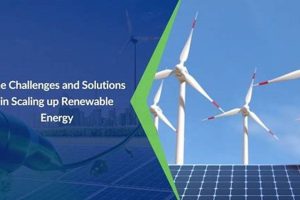
Power generated from renewable sources that minimize environmental impact is crucial for a sustainable future. Examples include solar, wind, hydro, geothermal, and biomass energy. These methods harness naturally occurring energy flows, reducing reliance on fossil fuels and their associated greenhouse gas emissions.
Sustainable power generation offers significant advantages, including reduced air and water pollution, enhanced energy security through diversified sources, and the creation of new economic opportunities in the renewable energy sector. The historical shift towards these cleaner options reflects a growing global awareness of the finite nature of fossil fuels and the urgent need to mitigate climate change.
This article will further explore specific renewable energy technologies, their current applications, and their potential for future growth. It will also address the challenges and opportunities associated with transitioning to a power grid primarily reliant on sustainable sources.
Tips for Supporting Sustainable Power
Minimizing environmental impact through conscious energy choices is essential. The following tips offer practical guidance for supporting and promoting power generation from renewable sources.
Tip 1: Invest in Home-Based Renewable Energy: Explore options like rooftop solar panels or small-scale wind turbines to generate clean electricity directly at home. Net metering programs can further offset energy costs by feeding excess power back into the grid.
Tip 2: Support Renewable Energy Providers: Choose utility companies that prioritize renewable energy sources. Many providers offer green energy plans that allow consumers to directly support the development of sustainable power generation.
Tip 3: Improve Energy Efficiency at Home: Reduce energy consumption through simple measures like using energy-efficient appliances, sealing air leaks, and optimizing heating and cooling systems. This lowers overall demand and supports the transition to renewable sources.
Tip 4: Advocate for Policy Changes: Support policies that incentivize renewable energy development and investment. Contact elected officials to express support for initiatives that promote sustainable power generation.
Tip 5: Educate and Engage Your Community: Share information about the benefits of renewable energy with friends, family, and neighbors. Community-level engagement can drive broader adoption and support for sustainable power solutions.
Tip 6: Consider Electric Vehicles: Transitioning to electric vehicles powered by renewable energy significantly reduces transportation-related emissions and supports a cleaner energy future.
Tip 7: Invest in Sustainable Businesses: Support companies committed to using renewable energy and implementing sustainable practices. This encourages broader market adoption of environmentally responsible approaches.
By adopting these strategies, individuals can contribute to a more sustainable energy future and mitigate the environmental impact of power generation. These actions collectively support the growth and development of the renewable energy sector.
The transition to a future powered by sustainable sources requires a collective effort. These tips represent actionable steps towards that goal.
1. Renewable Sources

Renewable sources are fundamental to ecologically sound power generation. They represent the essential input, providing the energy that drives sustainable systems. This reliance on naturally replenishing resources like solar, wind, hydro, geothermal, and biomass distinguishes ecological electricity from conventional fossil fuel-based generation. The cause-and-effect relationship is clear: harnessing renewable sources directly enables the production of electricity with minimal environmental impact. For instance, a wind farm converts kinetic energy from wind into electricity, displacing the need for fossil fuel combustion and its associated emissions.
The importance of renewable sources as a component of ecological electricity cannot be overstated. They are the very foundation upon which a sustainable energy future is built. Transitioning to these sources reduces reliance on finite fossil fuels, mitigating the risks associated with resource depletion and price volatility. Furthermore, renewable sources offer distributed generation potential, enhancing energy security and resilience. A community solar project, for example, can provide local power generation, reducing dependence on centralized grids vulnerable to disruptions. This distributed approach empowers communities and strengthens overall energy infrastructure.
The practical significance of understanding this connection lies in the ability to make informed decisions about energy consumption and investment. Prioritizing renewable sources through policy support, technological advancements, and consumer choices drives the transition towards a more sustainable energy landscape. Addressing the intermittency challenges associated with some renewable sources, such as solar and wind, through energy storage solutions and grid management strategies further enhances their practicality and reliability. Ultimately, recognizing the crucial link between renewable sources and ecological electricity empowers individuals, communities, and nations to actively participate in building a cleaner, more sustainable energy future.
2. Environmental Protection

Environmental protection is intrinsically linked to ecological electricity, serving as a primary motivator and beneficiary. Generating power from renewable sources inherently minimizes environmental damage compared to conventional fossil fuel-based systems. This connection necessitates a deeper understanding of the specific environmental benefits and their broader implications.
- Reduced Air Pollution:
Ecological electricity significantly reduces air pollutants like sulfur dioxide, nitrogen oxides, and particulate matter, which contribute to respiratory illnesses and acid rain. A solar farm, for example, produces no direct air emissions during operation, contrasting sharply with coal-fired power plants. This reduction in air pollution improves public health and ecosystem vitality.
- Lower Greenhouse Gas Emissions:
Transitioning to ecological electricity substantially lowers greenhouse gas emissions, mitigating climate change. Wind turbines, for instance, generate electricity without emitting carbon dioxide, unlike fossil fuel combustion. This shift is crucial for limiting global warming and its associated impacts.
- Water Conservation:
Many renewable energy sources, unlike traditional thermoelectric plants, require minimal water for operation. Solar photovoltaic systems, for example, consume virtually no water during electricity generation, conserving this precious resource. This reduced water footprint is especially important in water-stressed regions.
- Reduced Land Degradation:
While some renewable energy technologies require land use, their overall impact is typically less severe than that of fossil fuel extraction. Properly sited wind farms, for example, can coexist with agricultural activities, minimizing land degradation compared to strip mining for coal. Careful planning and implementation can further reduce land use conflicts.
These environmental benefits underscore the importance of ecological electricity in achieving a sustainable future. By mitigating pollution, conserving resources, and protecting ecosystems, renewable energy sources contribute to a healthier planet. The transition to ecological electricity requires comprehensive strategies that address technical, economic, and social considerations. Further research and development, coupled with supportive policies, are essential for accelerating this transition and realizing the full environmental benefits of sustainable power generation.
3. Sustainable Generation

Sustainable generation is a cornerstone of ecological electricity, representing the capacity to produce power over extended periods without depleting resources or causing significant environmental harm. This principle distinguishes ecological electricity from conventional fossil fuel-based generation, which relies on finite resources and contributes to pollution. The cause-and-effect relationship is clear: sustainable generation practices directly enable the long-term viability of ecological electricity. For example, geothermal power plants harness the Earth’s internal heat, a virtually inexhaustible resource, to generate electricity without emitting greenhouse gases. This contrasts with coal-fired plants, which deplete finite coal reserves and release harmful pollutants.
The importance of sustainable generation as a component of ecological electricity is paramount. It ensures that future generations have access to clean, reliable power. Solar power, for instance, relies on the sun, a resource that will continue to provide energy for billions of years. This inherent sustainability differentiates it from fossil fuels, which will eventually be depleted. Moreover, sustainable generation often involves decentralized systems, like rooftop solar panels, which enhance energy security and resilience by reducing reliance on centralized grids vulnerable to disruptions. Community-owned wind farms, for another example, provide local power generation, fostering energy independence and economic benefits within the community.
The practical significance of understanding this connection lies in fostering long-term energy planning and investment. Prioritizing sustainable generation technologies through research and development, supportive policies, and consumer choices ensures the continued availability of clean power. Addressing the intermittency of some renewable sources, such as solar and wind, through energy storage solutions and grid management strategies further enhances their long-term viability. Ultimately, recognizing the critical link between sustainable generation and ecological electricity empowers societies to build a resilient and environmentally responsible energy future. This requires a shift away from short-term economic gains associated with unsustainable practices towards long-term investments in technologies and infrastructure that support a truly sustainable energy landscape.
4. Reduced Emissions

Reduced emissions are a defining characteristic of ecological electricity, representing a critical departure from conventional fossil fuel-based power generation. This focus on minimizing the release of harmful pollutants into the atmosphere is central to mitigating climate change and promoting environmental health. Understanding the multifaceted nature of emissions reductions and their connection to ecological electricity is crucial for evaluating its overall impact.
- Greenhouse Gas Mitigation
Ecological electricity significantly reduces greenhouse gas emissions, primarily carbon dioxide, methane, and nitrous oxide, which are key drivers of climate change. Solar and wind power, for example, generate electricity without directly emitting these gases, contrasting sharply with fossil fuel combustion. This reduction is crucial for limiting global warming and its associated environmental consequences.
- Improved Air Quality
Transitioning to ecological electricity improves air quality by reducing emissions of pollutants such as sulfur dioxide, nitrogen oxides, and particulate matter. These pollutants contribute to respiratory illnesses, acid rain, and smog. Replacing coal-fired power plants with wind farms, for instance, directly reduces these harmful emissions, leading to improved public health and ecosystem vitality.
- Mitigation of Acid Rain
Ecological electricity helps mitigate acid rain by reducing emissions of sulfur dioxide and nitrogen oxides, which react with water vapor in the atmosphere to form acidic compounds. Hydroelectric power, while having some environmental impacts, avoids these emissions, contributing to the protection of forests, lakes, and other sensitive ecosystems from acidification.
- Reduced Ozone Depletion
While not a direct emission from power plants, the transition to ecological electricity can indirectly reduce ozone-depleting substances. By decreasing reliance on fossil fuels, which require energy-intensive extraction and processing, the overall demand for these substances, sometimes used in related industrial processes, can be reduced. This contributes to protecting the ozone layer, which shields the Earth from harmful ultraviolet radiation.
These facets of reduced emissions demonstrate the profound environmental benefits of ecological electricity. By mitigating climate change, improving air quality, and protecting ecosystems, the transition to sustainable power generation becomes a critical step towards a healthier and more sustainable future. This requires comprehensive strategies that encompass technological advancements, policy support, and consumer awareness to fully realize the potential of reduced emissions associated with ecological electricity. Furthermore, continued research and development in areas such as carbon capture and storage can further enhance the emissions reduction potential of certain renewable energy technologies, solidifying their role in a sustainable energy future.
5. Long-Term Viability

Long-term viability is essential for ecological electricity, ensuring its ability to provide sustainable power for future generations. This contrasts with fossil fuel-based systems, which face resource depletion and contribute to climate change, threatening long-term energy security. The causal link is evident: eco-friendly power generation, relying on renewable resources, inherently supports long-term energy access. Geothermal plants, for example, utilize the Earth’s internal heat, a virtually inexhaustible resource, ensuring a continuous energy supply for extended periods, unlike finite fossil fuel reserves. Similarly, offshore wind farms harness a consistently replenished energy source, guaranteeing long-term power generation capacity.
Long-term viability is not merely a desirable feature but a fundamental requirement of ecological electricity. It underpins the very concept of sustainability, ensuring a reliable and environmentally responsible energy supply for the foreseeable future. Solar power, driven by the sun’s enduring energy, exemplifies this long-term perspective, providing a stark contrast to the finite nature of fossil fuels. Furthermore, distributed generation models, such as community solar projects, enhance long-term resilience by reducing dependence on centralized grids vulnerable to large-scale disruptions. These localized systems contribute to a more robust and adaptable energy infrastructure, capable of weathering future uncertainties.
The practical significance of understanding this connection lies in shaping energy policies and investment strategies. Prioritizing long-term viability necessitates focusing on renewable technologies and infrastructure development. Addressing the intermittency challenges of some renewable sources, such as solar and wind, through advanced energy storage solutions and smart grid technologies, further strengthens their long-term reliability. Ultimately, recognizing the inextricable link between long-term viability and ecological electricity empowers societies to transition away from short-sighted, unsustainable practices towards a resilient and environmentally sound energy future. This requires a paradigm shift, moving beyond immediate economic considerations to embrace long-term investments in technologies and infrastructure that support a truly sustainable energy landscape for generations to come.
Frequently Asked Questions
This section addresses common inquiries regarding sustainably generated power, aiming to provide clear and concise information.
Question 1: What are the primary sources of ecologically sound power?
The main sources include solar, wind, hydro, geothermal, and biomass energy. Each harnesses naturally occurring energy flows, minimizing environmental impact compared to fossil fuels.
Question 2: How does this type of power generation contribute to environmental protection?
It significantly reduces greenhouse gas emissions, air and water pollution, and land degradation associated with conventional power generation. This contributes to mitigating climate change and preserving ecosystems.
Question 3: Is power from renewable sources reliable enough to meet current and future energy demands?
Advancements in technology, grid management, and energy storage are enhancing the reliability and consistency of renewable energy sources. Integrating diverse renewable resources further strengthens grid stability.
Question 4: What are the economic implications of transitioning to sustainable power generation?
The transition creates new economic opportunities in manufacturing, installation, maintenance, and research within the renewable energy sector. It also reduces long-term healthcare costs associated with pollution from fossil fuels.
Question 5: How can individuals contribute to the growth of sustainable power?
Individuals can support sustainable power by investing in home-based renewable energy systems, choosing green energy plans from utility providers, improving energy efficiency at home, advocating for supportive policies, and making conscious consumer choices.
Question 6: What are the key challenges facing the widespread adoption of eco-friendly power?
Challenges include the intermittency of some renewable sources, initial infrastructure investment costs, and the need for updated grid infrastructure to accommodate distributed generation. Ongoing research and development are addressing these challenges.
Understanding the benefits and addressing the challenges associated with sustainable power generation is crucial for fostering a responsible and viable energy future. Widespread adoption requires collaborative efforts across industries, governments, and individuals.
The following sections will explore specific renewable energy technologies in greater detail, examining their current applications, future potential, and contributions to a sustainable energy landscape.
Conclusion
Ecologically sound power generation, encompassing diverse renewable sources, offers a crucial pathway toward a sustainable energy future. This approach, emphasizing minimal environmental impact, addresses the limitations and detrimental consequences of conventional fossil fuel reliance. The exploration of key aspectsrenewable resources, environmental protection, sustainable generation, reduced emissions, and long-term viabilityreveals the interconnectedness and multifaceted benefits of this transformative energy paradigm. From mitigating climate change and improving air quality to conserving water resources and fostering energy independence, the advantages of ecological electricity are substantial and far-reaching.
The transition to an energy landscape dominated by ecological electricity requires collective action and sustained commitment. Continued investment in research, technological advancements, supportive policies, and informed consumer choices are essential for realizing the full potential of this critical shift. Embracing ecological electricity is not merely a technological endeavor but a fundamental step toward ensuring a healthy planet and a secure energy future for generations to come. The urgency of addressing climate change and the finite nature of fossil fuels underscore the imperative to accelerate this transformative journey toward a truly sustainable energy paradigm.