California’s legally mandated Renewable Portfolio Standard (RPS) requires electricity providers to source a specified percentage of their energy from eligible renewable sources. For example, solar, wind, geothermal, and biomass energy contribute to meeting this requirement. This policy instrument aims to diversify the state’s energy mix.
This mandate plays a crucial role in reducing greenhouse gas emissions, improving air quality, and fostering the growth of the renewable energy sector. It creates a stable market for renewable energy technologies, driving innovation and investment. Established in 2002 and progressively expanded over the years, the RPS program sets increasingly ambitious targets for clean energy procurement, contributing significantly to California’s climate goals and its leadership position in renewable energy development.
This overview serves as an introduction to deeper explorations of its specific requirements, impact on the energy market, and the ongoing evolution of policies promoting sustainable energy practices in California. Subsequent sections will delve into the specific targets, eligible technologies, and compliance mechanisms that shape this influential program.
Tips for Understanding California’s RPS
Navigating the complexities of California’s Renewable Portfolio Standard can be challenging. The following tips offer guidance for comprehending this critical program.
Tip 1: Research Eligible Renewable Resources: Understanding which resources qualify under the RPS is crucial. This includes familiar sources like solar and wind, but also lesser-known options like biogas and certain types of geothermal energy. Detailed information is available on the California Energy Commission website.
Tip 2: Follow RPS Target Updates: California regularly adjusts its RPS targets, raising the percentage of required renewable energy over time. Staying current on these evolving targets is essential for accurate assessments of the program’s progress and future impact.
Tip 3: Explore Compliance Mechanisms: Electricity providers meet RPS requirements through various mechanisms, including procuring Renewable Energy Credits (RECs). Understanding how RECs function and their role in compliance is vital for grasping the overall system.
Tip 4: Analyze the Impact on Electricity Rates: The RPS influences electricity pricing. Examining how this policy impacts ratepayers provides valuable insight into the economic consequences of transitioning to renewable energy.
Tip 5: Investigate Emerging Technologies: California’s RPS encourages innovation in renewable energy technologies. Following advancements in areas like energy storage and offshore wind can illuminate future trends within the state’s energy landscape.
Tip 6: Consider Policy Interactions: The RPS interacts with other state and federal policies related to energy and the environment. Analyzing these interactions offers a more comprehensive understanding of the broader regulatory context.
By exploring these areas, stakeholders gain a deeper understanding of the RPS, its impact on California’s energy future, and its potential to serve as a model for other jurisdictions.
These tips provide a starting point for a deeper exploration of the RPS program, its complexities, and its continuing evolution. The following sections delve further into specific aspects of this important policy framework.
1. Renewable Energy Targets

Renewable energy targets form the cornerstone of California’s Renewable Portfolio Standard (RPS). These targets mandate that electricity providers source a specific percentage of their electricity from eligible renewable resources. The targets are not static; they increase incrementally over time, driving a continuous transition towards cleaner energy sources. This phased approach allows for adaptation within the energy market while ensuring progress towards long-term sustainability goals. For example, the RPS initially aimed for 20% renewable energy by 2017; subsequent legislation raised this target to 33% by 2020, 50% by 2030, and ultimately 60% by 2030 with additional procurement requirements for other carbon-free resources. These escalating targets create a clear trajectory for decarbonizing the electricity sector.
The stringency of these targets directly influences investment in renewable energy infrastructure. As targets increase, so does the demand for renewable energy generation, creating economic incentives for developing and deploying renewable energy technologies. This, in turn, stimulates job growth within the renewable energy sector and fosters innovation in clean energy solutions. Furthermore, the targets provide regulatory certainty, enabling long-term planning for utilities and investors. For instance, the commitment to increasingly higher targets spurred significant investment in large-scale solar and wind farms across California, contributing substantially to the state’s renewable energy capacity. This growth in renewable energy reduces reliance on fossil fuels, mitigating greenhouse gas emissions and improving air quality.
Understanding the central role of renewable energy targets within the RPS framework is critical for assessing the program’s effectiveness and future trajectory. These targets act as the primary driver for change within the energy sector, shaping investment decisions, technological development, and ultimately, California’s progress towards a cleaner energy future. Continued analysis of these targets and their impact remains crucial for evaluating policy adjustments and ensuring the program’s long-term success in addressing climate change and promoting energy independence. Furthermore, the interplay between these targets and other state policies, such as energy efficiency programs, requires careful consideration to ensure a holistic and effective approach to energy system transformation.
2. Eligible Renewable Resources

Eligible renewable resources form a critical component of California’s Renewable Portfolio Standard (RPS). The RPS’s effectiveness hinges on a clearly defined set of eligible resources, ensuring that only genuinely sustainable and environmentally beneficial energy sources contribute toward meeting the mandated renewable energy targets. This careful delineation of eligible resources incentivizes investment and development in specific technologies, shaping the trajectory of California’s renewable energy landscape. For example, the inclusion of solar photovoltaic, wind, geothermal, biomass, and small hydroelectric facilities as eligible resources has fostered substantial growth in these sectors within the state.
The specific criteria for eligibility consider factors such as environmental impact, resource availability, and technological feasibility. Certain resources, like large hydroelectric facilities, are excluded due to potential negative impacts on ecosystems. Biogas derived from landfills and wastewater treatment plants is included, promoting waste reduction and beneficial use of byproducts. The selection of eligible resources reflects a balance between maximizing renewable energy generation and minimizing unintended environmental consequences. This balance is crucial for ensuring that the RPS achieves its objectives of reducing greenhouse gas emissions and promoting a sustainable energy future. For instance, promoting biogas digesters in the agricultural sector not only provides a renewable energy source but also offers opportunities for managing agricultural waste and reducing methane emissions, a potent greenhouse gas.
Understanding the eligibility criteria for renewable resources is essential for accurately assessing the RPS’s impact and potential. This understanding informs investment decisions, policy analysis, and technological development. The ongoing evolution of eligible resources, reflecting technological advancements and evolving environmental considerations, requires continuous monitoring and evaluation to ensure the RPS remains aligned with California’s long-term sustainability goals. Challenges remain in integrating diverse eligible resources into the electricity grid and managing the intermittency of some renewable sources, requiring further innovation and policy refinement. Ultimately, the careful definition and management of eligible renewable resources play a vital role in shaping a resilient, sustainable, and environmentally responsible energy future for California.
3. Compliance Mechanisms

Compliance mechanisms are integral to the effectiveness of California’s Renewable Portfolio Standard (RPS). These mechanisms ensure that electricity providers fulfill their obligations to procure a specified percentage of their electricity from eligible renewable resources. Without robust compliance mechanisms, the RPS would lack the necessary enforcement to drive the transition to renewable energy. The primary compliance mechanism within California’s RPS framework is the Renewable Energy Credit (REC) system. Each REC represents one megawatt-hour of electricity generated from an eligible renewable source. Electricity providers demonstrate compliance by acquiring and submitting a sufficient number of RECs to meet their RPS obligations. This market-based approach provides flexibility for utilities to procure renewable energy from various sources and locations, fostering competition and cost-effectiveness. For instance, a utility can purchase RECs from a solar farm located in a different part of the state or even from another state with a compatible REC tracking system, facilitating a broader market for renewable energy.
Beyond RECs, alternative compliance mechanisms exist, offering further flexibility for electricity providers. These alternatives include investing in new renewable energy projects or participating in programs that promote renewable energy development. Such mechanisms diversify compliance strategies and encourage innovation within the renewable energy sector. However, these alternatives are often subject to specific criteria and regulatory oversight to ensure their effectiveness and alignment with RPS objectives. For example, investments in new renewable generation capacity must meet specific eligibility requirements and demonstrate tangible contributions to the state’s renewable energy goals. This multi-faceted approach to compliance ensures accountability while accommodating diverse approaches to achieving the RPS targets. The effectiveness of these mechanisms hinges on robust tracking and verification systems to prevent fraud and ensure the integrity of the REC market.
The integrity and efficacy of compliance mechanisms are crucial for the credibility and success of California’s RPS. Strong compliance mechanisms instill confidence in the market, attracting investment in renewable energy projects and driving continued progress towards a cleaner energy future. Challenges remain in ensuring transparency and efficiency within the REC market and adapting compliance mechanisms to accommodate evolving technologies and policy goals. Ongoing evaluation and refinement of these mechanisms are essential for maintaining the RPS’s effectiveness as a key driver of California’s sustainable energy transition. Addressing these challenges through continuous improvement in regulatory oversight and market transparency will be crucial for ensuring the long-term success of the RPS and its contribution to California’s climate and energy goals.
4. Economic Impacts

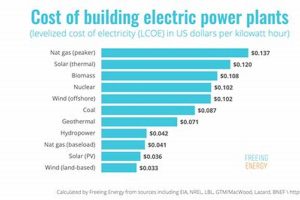
The California Renewable Portfolio Standard (RPS) exerts significant influence on the state’s economy. Analysis of these economic impacts requires consideration of both costs and benefits. Increased demand for renewable energy technologies stimulates investment in manufacturing, project development, and associated industries, generating jobs and economic growth. For example, the expanding solar industry in California has created thousands of jobs in manufacturing, installation, and maintenance. Furthermore, the RPS incentivizes innovation, fostering the development of new technologies and driving down the cost of renewable energy over time. This cost reduction benefits consumers through lower electricity prices in the long run and enhances the competitiveness of California businesses. However, the transition to renewable energy also presents economic challenges. Upfront investments in renewable energy infrastructure can be substantial, potentially impacting electricity rates in the short term. Managing the intermittency of renewable resources like solar and wind requires investments in grid modernization and energy storage solutions, further adding to costs. Additionally, policy adjustments and regulatory uncertainty can influence investor confidence, impacting the pace of renewable energy development.
The RPS’s impact on specific sectors varies. The agricultural sector benefits from opportunities to generate renewable energy through biogas digesters, providing additional revenue streams and promoting sustainable waste management practices. The manufacturing sector experiences growth in the production of renewable energy components, such as solar panels and wind turbine parts. The energy sector undergoes significant transformation, requiring adaptation to new technologies and grid management practices. Understanding these sector-specific impacts is crucial for developing targeted policies and mitigating potential negative consequences. For instance, supporting workforce development programs can ensure a smooth transition for workers in traditional energy industries to jobs in the renewable energy sector. Furthermore, targeted incentives and regulatory frameworks can encourage investment in areas with high potential for renewable energy development, maximizing economic benefits while minimizing environmental impacts.
Careful analysis of the RPS’s economic impacts requires a comprehensive approach, considering both short-term costs and long-term benefits. Balancing the need for rapid decarbonization with the potential economic consequences requires thoughtful policy design and implementation. Addressing challenges such as grid stability, energy storage, and workforce development is crucial for maximizing the economic opportunities presented by the transition to renewable energy. Continued evaluation and refinement of the RPS, informed by rigorous economic analysis, will be essential for ensuring its long-term success in achieving both environmental and economic sustainability goals. This ongoing assessment should consider not only direct economic impacts but also broader societal benefits, such as improved public health outcomes resulting from reduced air pollution and enhanced energy security through diversification of energy sources.
5. Policy Evolution
Policy evolution is intrinsic to the California Renewable Portfolio Standard (RPS). The RPS is not a static mandate but a dynamic framework subject to ongoing adjustments and refinements. This evolutionary characteristic is crucial for its long-term effectiveness in driving the transition to a cleaner energy future. Technological advancements, changing economic conditions, and evolving environmental understanding necessitate periodic reassessments and modifications of the RPS. For example, the initial RPS legislation in 2002 established a target of 20% renewable energy by 2010. Subsequent amendments increased this target progressively, reflecting both technological progress in renewable energy generation and growing ambition in addressing climate change. The inclusion of new eligible renewable resources, such as geothermal and biogas, demonstrates responsiveness to emerging technologies and diversification of the renewable energy portfolio. Furthermore, adjustments to compliance mechanisms, such as the development of the Renewable Energy Credit (REC) trading system, illustrate ongoing efforts to enhance market efficiency and ensure program effectiveness.
This policy evolution affects various stakeholders. Utilities must adapt their long-term planning and investment strategies to meet evolving RPS requirements. Renewable energy developers benefit from policy stability while needing to remain agile in response to changing market conditions and technological advancements. Consumers experience the effects of policy changes through electricity rates and the availability of cleaner energy options. Understanding the dynamic nature of the RPS is crucial for informed decision-making by all stakeholders. For instance, utilities that anticipate future RPS increases can strategically invest in renewable energy infrastructure, mitigating compliance risks and potentially benefiting from early adoption of cost-effective technologies. Similarly, renewable energy developers who anticipate changes in eligibility criteria can focus research and development efforts on promising emerging technologies, positioning themselves for future market opportunities.
The dynamic nature of the RPS presents both opportunities and challenges. Adaptive policy frameworks allow integration of new technologies and respond to changing circumstances, enhancing the program’s long-term viability and impact. However, frequent policy adjustments can create uncertainty for investors, potentially hindering investment in renewable energy projects. Balancing the need for flexibility with the importance of regulatory certainty requires careful consideration of stakeholder interests and potential market impacts. Effective policy evolution necessitates robust data collection, analysis, and stakeholder engagement to ensure that adjustments are informed by evidence and contribute to the overall goals of the RPSa cleaner energy future for California. Continued monitoring, evaluation, and adaptation will remain essential for navigating the complex interplay of technological innovation, economic realities, and environmental imperatives in pursuit of a sustainable energy system.
Frequently Asked Questions
This section addresses common inquiries regarding California’s Renewable Portfolio Standard.
Question 1: What is the current RPS target for California?
California’s current RPS target mandates that 60% of electricity retail sales come from eligible renewable resources by 2030. Further targets aim for 100% carbon-free electricity by 2045.
Question 2: Which renewable resources qualify under the RPS?
Eligible resources include solar, wind, geothermal, biomass, biogas, and small hydroelectric facilities. Specific eligibility criteria exist for each resource type, addressing factors such as environmental impact and technological feasibility. Large hydroelectric facilities are generally excluded.
Question 3: How do electricity providers demonstrate compliance with the RPS?
Utilities primarily demonstrate compliance by acquiring and submitting Renewable Energy Credits (RECs). One REC represents one megawatt-hour of electricity generated from an eligible renewable source. Alternative compliance mechanisms, such as direct investment in renewable energy projects, also exist.
Question 4: How does the RPS affect electricity rates for consumers?
The RPS influences electricity rates through the cost of renewable energy procurement and associated infrastructure investments. While short-term rate increases are possible, the long-term trend anticipates declining costs due to technological advancements and economies of scale in renewable energy production.
Question 5: How does the RPS impact the California economy?
The RPS stimulates economic growth by fostering investment in renewable energy technologies, creating jobs in manufacturing, installation, and maintenance. It also encourages innovation and reduces reliance on fossil fuels. However, upfront infrastructure costs and grid modernization needs present economic challenges.
Question 6: How does California ensure ongoing effectiveness of the RPS?
The RPS framework undergoes regular review and adjustment to accommodate technological advancements, changing market conditions, and evolving policy goals. This adaptive approach ensures the program’s long-term effectiveness in driving the transition to a sustainable energy future.
Understanding these key aspects of California’s RPS provides a foundation for further exploration of its complexities and impact. Continued engagement with this policy framework remains crucial for navigating the evolving energy landscape and contributing to a sustainable future.
This FAQ section offers a concise overview of common inquiries. Subsequent sections provide deeper analysis of specific aspects of the RPS, including its historical context, regulatory framework, and future prospects.
Conclusion
California’s Renewable Portfolio Standard stands as a significant policy instrument driving the state’s transition to a cleaner energy future. This exploration has highlighted its key components: progressively ambitious renewable energy targets, a diverse portfolio of eligible renewable resources, robust compliance mechanisms, multifaceted economic impacts, and a dynamic policy framework adaptable to evolving circumstances. The examination underscores the RPS’s crucial role in reducing greenhouse gas emissions, stimulating economic growth within the renewable energy sector, and fostering technological innovation. It also acknowledges the inherent complexities of balancing rapid decarbonization with economic considerations and grid stability challenges.
The RPS represents a continuing commitment to sustainable energy development. Its ongoing evolution necessitates continuous monitoring, evaluation, and stakeholder engagement to ensure its effectiveness in achieving long-term environmental and economic goals. The program’s success serves as a model for other jurisdictions exploring pathways to a cleaner energy future, demonstrating the potential of ambitious renewable energy policies to reshape energy landscapes and contribute to a more sustainable world. Continued analysis and refinement of this vital policy framework remain essential for navigating the complexities of the energy transition and achieving a resilient and decarbonized energy system.