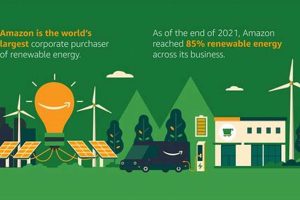
Electricity generated from eligible renewable sources, such as solar or wind power, creates a tradable environmental commodity. This commodity represents the positive environmental attributes of one megawatt-hour (MWh) of renewable electricity generation and can be purchased by individuals and organizations. For instance, a company seeking to reduce its carbon footprint might purchase these commodities to offset the environmental impact of its electricity consumption.
Supporting renewable energy development through such commodity purchases helps reduce reliance on fossil fuels and mitigate the effects of climate change. It offers a mechanism for organizations to document their commitment to sustainability and achieve their environmental goals. Historically, these markets have emerged as a policy instrument to incentivize the growth of clean energy resources and diversify the energy supply. Their evolution has led to robust market frameworks that contribute to broader sustainability initiatives.
This foundation in the workings of these instruments allows for deeper exploration of their various facets, such as market dynamics, pricing mechanisms, and their role in corporate sustainability strategies. Further examination will shed light on the intricacies and future potential of these important market-based solutions.
Tips for Utilizing Renewable Energy Certificates
Strategic acquisition and application of renewable energy certificates (RECs) can significantly contribute to organizational sustainability goals. The following tips provide guidance for maximizing the impact of REC purchases.
Tip 1: Understand Certificate Sourcing: Ensure RECs originate from projects aligned with organizational values, such as specific technologies (e.g., wind, solar) or geographical locations. Investigate project details to confirm their additionality, meaning the renewable energy project would not have been developed without the revenue generated from REC sales.
Tip 2: Verify Certificate Validity: Utilize reputable tracking systems and registries to ensure the integrity and prevent double-counting of RECs. Confirm the certificates haven’t been retired by another entity and possess valid serial numbers and vintage years.
Tip 3: Align with Organizational Goals: Establish clear sustainability objectives before purchasing RECs. Determine specific emissions reduction targets or renewable energy consumption goals to guide the volume and type of RECs needed.
Tip 4: Consider Contract Structures: Evaluate various contract options, including long-term agreements or spot market purchases, based on budgetary constraints and risk tolerance. Long-term contracts can offer price stability, while spot market purchases provide flexibility.
Tip 5: Integrate into Broader Sustainability Strategy: Don’t rely solely on RECs for emission reductions. Combine REC purchases with internal efforts like energy efficiency improvements and on-site renewable energy generation to achieve comprehensive sustainability targets.
Tip 6: Transparent Reporting and Disclosure: Clearly communicate the use and impact of RECs to stakeholders. Transparency builds trust and demonstrates a commitment to environmental responsibility. Follow established reporting standards to ensure credibility.
Tip 7: Stay Informed about Market Dynamics: Monitor regulatory changes, market trends, and technological advancements that may impact REC prices and availability. Staying current allows for informed purchasing decisions.
By implementing these strategies, organizations can effectively utilize RECs to support renewable energy development, reduce their environmental impact, and advance their sustainability agendas.
These actionable steps provide a framework for effectively integrating RECs into a comprehensive sustainability strategy, ultimately contributing to a cleaner energy future.
1. Renewable Energy Sourcing

Renewable energy sourcing forms the foundation of ComEd’s renewable energy credit (REC) program. The origin and characteristics of the renewable energy used to generate RECs directly impact the program’s environmental integrity and overall effectiveness. Examining the diverse facets of renewable energy sourcing provides essential context for understanding the broader REC framework.
- Eligible Renewable Resources:
ComEd’s program specifies eligible renewable resources, typically including wind, solar, hydroelectric, geothermal, and biomass. Understanding these eligible resources is crucial, as it determines the types of renewable energy projects that can participate in the REC program. For example, a new wind farm in Illinois could generate RECs eligible for ComEd’s program, whereas a coal-fired power plant would not. The specific eligibility criteria influence the overall environmental impact and market dynamics.
- Geographic Restrictions:
REC programs often have geographic limitations, such as requiring renewable energy generation within a specific state or region. This focus on locality ensures that the environmental benefits accrue to the intended area. For instance, RECs generated from a wind farm in Iowa might not be eligible for ComEd’s Illinois-based program. These geographical constraints influence market prices and resource allocation.
- Project Vintage:
RECs possess a vintage year corresponding to the year the renewable energy was generated. This characteristic is important for organizations seeking to offset emissions for a specific reporting period. For example, an organization aiming to offset 2023 emissions would need to procure RECs with a 2023 vintage. This temporal aspect ensures accurate accounting of renewable energy use.
- Technology-Specific RECs:
Some markets offer technology-specific RECs, allowing purchasers to support particular renewable energy technologies. This granularity allows organizations to align their REC purchases with specific sustainability preferences. For example, a company committed to solar energy could purchase solar-specific RECs, even if other renewable sources are eligible. This targeted approach allows for focused investment in preferred technologies.
These facets of renewable energy sourcing are interconnected and influence the overall value and impact of ComEd’s REC program. Understanding these elements provides crucial insight into how the program functions, its market implications, and its ultimate contribution to broader sustainability goals. This foundational knowledge facilitates informed decision-making for organizations seeking to utilize RECs within the ComEd service area.
2. Environmental Impact Reduction

Environmental impact reduction forms a central objective of ComEd’s renewable energy credit (REC) program. By incentivizing the development and use of renewable energy sources, the program aims to mitigate the environmental consequences associated with conventional electricity generation. Understanding the connection between RECs and environmental improvement requires examining the specific ways in which this impact is achieved.
- Greenhouse Gas Emission Reductions
RECs represent a reduction in greenhouse gas emissions compared to electricity generated from fossil fuels. Each REC signifies the avoidance of a specific quantity of emissions, typically measured in metric tons of carbon dioxide equivalent. This quantifiable impact allows organizations to track and report their contribution to climate change mitigation efforts. For instance, a company purchasing RECs can demonstrate a reduction in its carbon footprint by accounting for the emissions avoided through the use of renewable energy. This direct link between RECs and emissions reductions is a key driver of market demand.
- Air Quality Improvements
Renewable energy sources, unlike fossil fuel-based power plants, produce minimal air pollutants. The use of RECs promotes cleaner air by displacing electricity generated from sources that contribute to smog, acid rain, and respiratory illnesses. This improvement in air quality translates to tangible public health benefits, particularly in densely populated areas. For example, increased reliance on wind and solar power, facilitated by REC mechanisms, can reduce the concentration of harmful particulate matter in urban environments. This connection between RECs and improved air quality adds another dimension to their environmental value.
- Reduced Water Consumption
Many renewable energy technologies, especially wind and solar, require significantly less water than traditional power plants. The promotion of these technologies through REC markets contributes to water conservation, a crucial factor in regions facing water scarcity. For example, shifting electricity generation from water-intensive coal-fired plants to solar farms can alleviate pressure on limited water resources. This water conservation aspect of RECs is particularly relevant in arid climates.
- Decreased Reliance on Fossil Fuels
By supporting the growth of renewable energy, REC mechanisms reduce reliance on finite fossil fuel resources. This diversification of the energy mix enhances energy security and reduces vulnerability to price volatility associated with fossil fuel markets. For example, increasing the proportion of wind and solar energy in the electricity grid, driven by REC demand, lessens dependence on imported fossil fuels and contributes to greater energy independence. This strategic benefit of RECs extends beyond immediate environmental impact to long-term energy planning.
These facets of environmental impact reduction demonstrate how ComEd’s REC program contributes to a more sustainable energy landscape. By quantifying and incentivizing the environmental benefits of renewable energy, the program motivates businesses and individuals to participate in the transition to a cleaner energy future. The collective impact of RECs, through emissions reductions, air quality improvements, water conservation, and decreased reliance on fossil fuels, underscores their significance in achieving broader environmental goals.
3. Credit trading mechanism

The credit trading mechanism lies at the heart of ComEd’s renewable energy credit (REC) program, facilitating the buying and selling of RECs and driving investment in renewable energy generation. This market-based approach allows entities to support renewable energy development even if they cannot directly generate it themselves. The trading mechanism’s effectiveness hinges on several key components:
- Tracking and Registry Systems: Robust tracking systems ensure RECs are accurately accounted for and prevent double counting. These systems assign unique serial numbers to each REC and track their ownership throughout their lifecycle. This transparent tracking process ensures the integrity and validity of the REC market.
- Market Participants: The REC market involves various participants, including renewable energy generators, utilities, businesses, and individuals. Generators sell RECs to earn revenue from their renewable energy projects. Buyers, such as businesses seeking to meet sustainability goals or utilities complying with renewable portfolio standards, purchase RECs to offset their electricity consumption.
- Trading Platforms: RECs are traded on various platforms, including bilateral agreements, brokered transactions, and online exchanges. These platforms provide liquidity and price transparency, facilitating efficient market operations.
- Price Determination: REC prices fluctuate based on supply and demand dynamics. Factors influencing price include regulatory mandates, voluntary market demand, and the availability of RECs from different renewable energy sources and geographic locations. Understanding these factors is crucial for making informed purchasing decisions.
The practical significance of the trading mechanism is evident in its ability to connect renewable energy supply with demand. For example, a company in Chicago can purchase RECs generated by a wind farm in Illinois, effectively supporting renewable energy development within the state even if the company’s physical operations cannot accommodate on-site generation. This flexibility expands the reach of renewable energy adoption and accelerates the transition to a cleaner energy future.
In conclusion, the credit trading mechanism serves as a vital component of ComEd’s REC program, enabling the flow of renewable energy attributes and driving investment in clean energy resources. Its transparent tracking systems, diverse market participants, and flexible trading platforms create a dynamic market that effectively connects renewable energy supply and demand. Understanding the intricacies of this mechanism is essential for maximizing the benefits of RECs and contributing to a more sustainable energy future.
4. Compliance Requirements

Compliance requirements form a cornerstone of ComEd’s renewable energy credit (REC) program, driving demand and shaping market dynamics. These requirements mandate that electricity suppliers procure a specific percentage of their electricity from renewable sources, often achieved through the acquisition of RECs. Understanding these mandates is crucial for navigating the REC market and appreciating their role in promoting renewable energy development.
- Renewable Portfolio Standards (RPS):
RPS regulations, established at the state level, require electricity suppliers to source a certain percentage of their electricity from eligible renewable resources. These standards create a direct demand for RECs, as suppliers can use RECs to demonstrate compliance with the RPS. Illinois’ RPS, for example, mandates a specific percentage of renewable energy by a target year, driving demand for RECs generated within the state. The RPS serves as a primary driver of REC market activity.
- Alternative Compliance Payment (ACP):
RPS regulations often include an ACP provision, allowing electricity suppliers to pay a fee in lieu of meeting the renewable energy requirement. The ACP serves as a price ceiling for RECs, as suppliers will generally opt to purchase RECs as long as their price is below the ACP level. This mechanism ensures compliance while providing flexibility to suppliers. The ACP level influences REC market pricing and can impact investment decisions in renewable energy projects.
- Reporting and Verification Requirements:
Stringent reporting and verification requirements ensure transparency and accountability within the REC market. Electricity suppliers must report their REC holdings and demonstrate compliance with RPS regulations to designated regulatory agencies. These reporting requirements ensure the integrity of the REC system and prevent fraudulent activity. Accurate and timely reporting is crucial for maintaining market confidence.
- REC Eligibility Criteria:
Specific criteria determine which RECs qualify for compliance with a given RPS. These criteria typically address the eligible renewable resources, geographic limitations, and project vintage. Understanding these eligibility requirements is essential for ensuring compliance. For instance, RECs from older renewable energy projects may not be eligible under current RPS regulations. Staying informed about evolving eligibility criteria is vital for market participants.
These compliance requirements, working in concert, establish a framework for the REC market within the ComEd service territory. By mandating renewable energy procurement, these regulations create demand for RECs and drive investment in renewable energy projects. Understanding the nuances of these requirements provides essential context for navigating the REC market, assessing its impact, and recognizing its contribution to achieving long-term sustainability goals. The interplay between compliance requirements and market dynamics ultimately shapes the trajectory of renewable energy development and integration.
5. Cost Implications

Cost implications represent a critical factor within the ComEd renewable energy credit (REC) program, influencing decision-making for both buyers and sellers. Understanding these cost dynamics is essential for effectively navigating the REC market and maximizing its benefits. Several key factors contribute to the overall cost landscape:
- REC Price Fluctuations: REC prices exhibit variability influenced by supply and demand dynamics. Factors such as regulatory mandates, voluntary market participation, and the availability of RECs from specific renewable energy sources and geographic locations all contribute to price volatility. For example, increased demand due to a tightening RPS can drive REC prices upward, while an oversupply may lead to lower prices.
- Alternative Compliance Payment (ACP): The ACP, a fee paid in lieu of meeting renewable energy requirements, establishes a price ceiling for RECs. Suppliers will typically purchase RECs only if their price remains below the ACP. This mechanism influences market pricing and can impact investment decisions in renewable energy projects. A higher ACP may incentivize REC purchases, while a lower ACP could discourage investment in renewable generation.
- Integration Costs: Integrating renewable energy into the electricity grid often requires infrastructure upgrades and grid management adjustments. These integration costs can indirectly influence REC prices, as they represent a factor in the overall cost of renewable energy development. For example, upgrading transmission lines to accommodate remote wind farms can increase the overall cost of renewable energy projects and indirectly impact REC pricing.
- Long-Term Contract vs. Spot Market Purchases: RECs can be purchased through long-term contracts or on the spot market. Long-term contracts offer price stability but limit flexibility, while spot market purchases provide flexibility but expose buyers to price fluctuations. Choosing the appropriate purchasing strategy depends on an organization’s risk tolerance and budgetary constraints.
For instance, a large corporation committed to long-term sustainability might opt for long-term REC contracts to secure a stable price and ensure a consistent supply of RECs, even if market prices rise. Conversely, a smaller business with greater budget constraints might choose to purchase RECs on the spot market, accepting the risk of price fluctuations in exchange for potential cost savings.
In conclusion, understanding the cost implications of RECs is crucial for effective participation in the ComEd program. Factors such as REC price fluctuations, the ACP, integration costs, and purchasing strategies all contribute to the overall cost landscape. Analyzing these factors enables informed decision-making, allowing organizations to optimize their REC procurement strategies and maximize their contribution to a sustainable energy future while managing budgetary considerations. Careful evaluation of these cost dynamics contributes to a more robust and efficient REC market.
6. Market Participation
Market participation plays a crucial role in the effectiveness and success of ComEd’s renewable energy credit (REC) program. A diverse and active market ensures liquidity, price transparency, and efficient allocation of renewable energy resources. Examining the various facets of market participation provides valuable insight into the program’s dynamics and overall impact.
- Diverse Buyer Categories
ComEd’s REC market attracts a wide range of buyers, including corporations seeking to achieve sustainability targets, utilities complying with renewable portfolio standards, and individuals interested in supporting renewable energy development. This diverse buyer base creates robust demand for RECs, contributing to market liquidity and price stability. For example, a large corporation might purchase a significant volume of RECs to offset its carbon footprint, while a smaller business might purchase a smaller quantity to demonstrate its commitment to environmental responsibility. The presence of various buyer segments strengthens the overall market.
- Supplier Engagement
Electricity suppliers play a key role in the REC market, both as buyers and sellers. Suppliers obligated to meet renewable portfolio standards often purchase RECs to demonstrate compliance. They may also sell RECs generated from their own renewable energy projects. This dual role ensures market liquidity and facilitates the efficient transfer of RECs from generators to consumers. For instance, a supplier might purchase wind RECs to meet its RPS obligation and sell solar RECs generated from its own solar farm.
- Trading Mechanisms and Platforms
Various trading mechanisms and platforms facilitate REC transactions, ranging from bilateral agreements and brokered transactions to online exchanges. These platforms provide transparency, price discovery, and efficient market operations. For example, an online REC exchange allows buyers and sellers to connect and transact efficiently, promoting price transparency and market liquidity. The availability of diverse trading mechanisms caters to different market participants and their specific needs.
- Voluntary Market Participation
Beyond regulatory compliance, voluntary market participation plays a significant role in the REC market. Organizations and individuals may choose to purchase RECs to support renewable energy development even if they are not legally obligated to do so. This voluntary participation adds to market demand and further incentivizes renewable energy investment. For instance, a company might voluntarily purchase RECs to demonstrate its commitment to sustainability and enhance its brand image, even in the absence of a regulatory mandate.
These various aspects of market participation interact to shape the ComEd REC market’s dynamics and overall effectiveness. Active participation from diverse buyer categories, robust supplier engagement, efficient trading mechanisms, and voluntary market involvement all contribute to a healthy and vibrant REC market. This active market, in turn, drives investment in renewable energy generation, accelerates the transition to a cleaner energy future, and supports the achievement of broader sustainability objectives within the ComEd service territory.
7. Long-Term Sustainability
Long-term sustainability represents a core objective intertwined with the ComEd renewable energy credit (REC) program. While RECs offer a market-based mechanism for supporting renewable energy development, their ultimate contribution lies in fostering a more sustainable energy future. Exploring the connection between RECs and long-term sustainability requires examining several key facets.
- Reduced Reliance on Fossil Fuels
REC mechanisms, by driving investment in renewable energy generation, contribute to a decreased reliance on finite fossil fuel resources. This shift toward renewable sources enhances energy security, mitigates price volatility associated with fossil fuel markets, and reduces the environmental burden of conventional energy production. Over time, this transition fosters a more resilient and sustainable energy system less dependent on environmentally damaging fossil fuels.
- Climate Change Mitigation
The displacement of fossil fuel-based electricity with renewable energy, facilitated by RECs, directly contributes to climate change mitigation efforts. Each REC represents a quantifiable reduction in greenhouse gas emissions. Cumulatively, these reductions contribute to achieving broader climate goals and mitigating the long-term risks associated with climate change, such as rising sea levels and extreme weather events. The long-term sustainability implications of reducing greenhouse gas emissions are paramount.
- Sustainable Economic Growth
The renewable energy sector, stimulated by REC markets, fosters sustainable economic growth by creating jobs, attracting investment, and driving innovation in clean energy technologies. This economic activity contributes to long-term prosperity while simultaneously addressing environmental challenges. For example, the growth of the wind and solar industries, supported by REC mechanisms, generates employment opportunities in manufacturing, installation, maintenance, and research. This economic growth aligns with sustainability principles by promoting environmentally sound economic activities.
- Technological Innovation
REC markets incentivize technological innovation within the renewable energy sector. By creating demand for renewable energy, RECs stimulate research and development of more efficient and cost-effective renewable energy technologies. These advancements further accelerate the transition to a sustainable energy future by making renewable energy increasingly competitive with conventional energy sources. For instance, ongoing research in solar panel efficiency and energy storage solutions is driven, in part, by the demand for renewable energy created by REC markets and other policy mechanisms. This continuous innovation is crucial for achieving long-term sustainability goals.
These facets demonstrate the integral role of ComEd’s REC program in achieving long-term sustainability objectives. By promoting renewable energy development, reducing greenhouse gas emissions, stimulating sustainable economic growth, and fostering technological innovation, RECs contribute to a more resilient, equitable, and environmentally sound energy future. The long-term implications of these contributions extend beyond immediate environmental benefits to encompass economic prosperity and technological advancement, demonstrating the interconnectedness of energy, environment, and economy in the pursuit of a sustainable future.
Frequently Asked Questions
This section addresses common inquiries regarding ComEd’s renewable energy credit (REC) program, providing concise and informative responses to facilitate understanding.
Question 1: How do renewable energy credits (RECs) differ from carbon offsets?
RECs represent the environmental attributes of one megawatt-hour (MWh) of renewable electricity generation. They address the renewable energy consumption component of an organization’s environmental footprint. Carbon offsets, conversely, represent emissions reductions from projects outside of the electricity sector, such as forestry or methane capture. While both contribute to broader sustainability goals, they address different aspects of an organization’s impact.
Question 2: What ensures the integrity and prevents double-counting of RECs?
Tracking systems and registries, such as those managed by independent third-party organizations, provide serial numbers and track ownership of each REC, ensuring their validity and preventing double counting. These systems maintain a transparent record of REC generation, transfer, and retirement, enhancing market integrity.
Question 3: How do Illinois’ Renewable Portfolio Standards (RPS) influence the REC market?
The RPS mandates that electricity suppliers source a specific percentage of their electricity from renewable resources. This requirement creates demand for RECs, as suppliers can utilize RECs to demonstrate compliance. The RPS directly influences REC market dynamics, impacting pricing and trading activity.
Question 4: What is the role of the Alternative Compliance Payment (ACP) in the REC market?
The ACP provides electricity suppliers with the option to pay a fee in lieu of meeting the RPS requirement. This payment serves as a price ceiling for RECs, as suppliers will typically opt to purchase RECs if their price is below the ACP. The ACP level influences REC market pricing and can impact investment decisions in renewable energy projects.
Question 5: How can organizations determine the appropriate number of RECs to purchase?
The quantity of RECs an organization should purchase depends on its specific sustainability objectives. Organizations should establish clear emissions reduction targets or renewable energy consumption goals before purchasing RECs. The number of RECs required will correspond to the amount of electricity consumption the organization seeks to offset with renewable energy.
Question 6: How does participation in the REC market contribute to broader sustainability initiatives?
REC purchases support renewable energy development, reduce reliance on fossil fuels, and contribute to emissions reductions. They offer a market-based mechanism for organizations to demonstrate their commitment to sustainability, address their environmental footprint, and contribute to a cleaner energy future.
Understanding these key aspects of the ComEd REC program facilitates informed participation and maximizes its potential for achieving both organizational and societal sustainability goals.
For further exploration, the subsequent section delves into specific case studies illustrating practical REC applications and their impact on diverse organizations.
Conclusion
This exploration has provided a comprehensive overview of the multifaceted nature of instruments supporting renewable energy within a specific utility’s service area. From the foundational elements of renewable energy sourcing and environmental impact reduction to the intricacies of the credit trading mechanism and compliance requirements, the analysis has illuminated the key components shaping market dynamics and influencing participation. Cost implications, encompassing price fluctuations, alternative compliance payments, and integration costs, have been examined alongside the diverse landscape of market participants, including buyers, suppliers, and trading platforms. Finally, the crucial link between these instruments and long-term sustainability objectives, encompassing reduced reliance on fossil fuels, climate change mitigation, sustainable economic growth, and technological innovation, has been underscored.
The transition to a sustainable energy future requires a multifaceted approach, and these market-based instruments offer a powerful tool for driving progress. By understanding the complexities and opportunities presented by these mechanisms, stakeholders can effectively contribute to a more resilient, equitable, and environmentally responsible energy landscape. Continued engagement and informed decision-making are essential for maximizing the potential of these instruments to achieve long-term sustainability goals.