Hydraulic fracturing, commonly known as fracking, extracts natural gas from shale rock formations by injecting high-pressure fluid. This process has significantly increased domestic natural gas production, impacting energy markets and affordability. Conversely, renewable energy sources like solar, wind, hydro, and geothermal power offer sustainable alternatives, reducing reliance on fossil fuels and mitigating climate change. The interplay between these two energy paradigms shapes current energy policy and investment decisions.
The increasing global energy demand has spurred both the exploitation of unconventional fossil fuels and the rapid growth of the renewable energy sector. While fossil fuels like natural gas provide a readily available and relatively affordable energy source, their extraction and combustion contribute to greenhouse gas emissions. Renewable sources, though sometimes intermittent and geographically dependent, offer a cleaner path towards energy independence and environmental sustainability. This dynamic creates complex challenges and opportunities for governments, industries, and consumers alike.
The following sections delve deeper into the distinct characteristics, advantages, and disadvantages of both natural gas obtained through fracking and various renewable energy technologies. Furthermore, the evolving relationship between these two approaches, including their economic implications and environmental impacts, will be examined.
Balancing energy needs with environmental responsibility requires careful consideration of available resources and their impacts. The following tips offer guidance for understanding the complexities of energy production and consumption in a world increasingly focused on sustainability.
Tip 1: Understand the Environmental Trade-offs: While natural gas from hydraulic fracturing offers a bridge fuel with lower carbon emissions than coal, it also presents environmental risks associated with water contamination and induced seismicity. Renewable sources, while cleaner, require careful planning for intermittency and land use.
Tip 2: Diversify Energy Portfolios: A balanced energy portfolio incorporating both natural gas and renewables can provide reliable energy access while facilitating a gradual transition to cleaner sources. This approach mitigates risks associated with over-reliance on a single technology.
Tip 3: Promote Energy Efficiency: Reducing energy consumption through efficiency measures lessens the demand for both fossil fuels and renewables, lowering overall environmental impact and saving costs.
Tip 4: Invest in Research and Development: Continued innovation in both extraction technologies and renewable energy generation is crucial. Advances in areas like carbon capture and storage or improved battery technology can further reduce the environmental footprint of energy production.
Tip 5: Support Policy Frameworks that Encourage Sustainability: Government policies play a vital role in shaping energy markets. Supporting policies that incentivize renewable energy development and regulate fossil fuel extraction responsibly can accelerate the transition to a sustainable energy future.
Tip 6: Consider Long-Term Implications: Energy decisions made today have long-lasting consequences. Evaluating the full lifecycle impacts of different energy sources, from extraction to disposal, is essential for informed decision-making.
By understanding the nuanced interplay between conventional and renewable energy sources, stakeholders can make more informed choices that support both economic growth and environmental stewardship.
The transition to a sustainable energy future requires a multifaceted approach that acknowledges both the challenges and opportunities presented by different energy technologies. The concluding section will offer a synthesis of the key themes discussed and provide a forward-looking perspective on the evolving energy landscape.
1. Natural Gas Extraction

Natural gas extraction plays a pivotal role in the ongoing energy dialogue surrounding fracking and renewable energy. While renewable sources offer a long-term sustainable solution, the immediate energy demands of modern society often necessitate reliance on readily available fossil fuels. Natural gas, perceived as a cleaner-burning alternative to coal, has gained prominence, with hydraulic fracturing (fracking) significantly increasing its accessibility. This extraction method allows access to previously unreachable gas reserves trapped in shale formations. Consequently, understanding the implications of natural gas extractionboth economically and environmentallyis crucial for navigating the transition towards a renewable energy future. For instance, the surge in natural gas production due to fracking has led to decreased natural gas prices, impacting the economic viability of renewable energy investments in some regions. This dynamic highlights the complex interplay between different energy sources and the need for comprehensive energy policies.
The increased reliance on natural gas extraction through fracking presents both opportunities and challenges. While abundant natural gas supplies can offer energy security and reduce reliance on more polluting fossil fuels like coal, the environmental consequences of fracking, including potential groundwater contamination and induced seismicity, necessitate careful regulation and monitoring. Furthermore, the continued investment in natural gas infrastructure may slow the transition to renewable energy sources by diverting resources and reinforcing dependence on fossil fuels. Striking a balance between leveraging natural gas as a bridge fuel and fostering the growth of renewable energy is a significant challenge for policymakers and industry stakeholders. Examples include implementing carbon pricing mechanisms to incentivize renewable energy adoption while simultaneously enforcing stringent environmental regulations on fracking operations.
In conclusion, natural gas extraction, particularly through fracking, is intrinsically linked to the broader conversation about renewable energy. It serves as a significant, albeit potentially transitional, component of the energy mix. Understanding the economic and environmental implications of natural gas extraction is paramount for developing effective energy policies that facilitate a responsible transition towards a sustainable energy future. The challenges lie in balancing the immediate benefits of readily available natural gas with the long-term imperative of mitigating climate change and fostering the growth of cleaner, renewable energy technologies. Addressing these challenges requires a multifaceted approach involving technological advancements, policy interventions, and public awareness.
2. Environmental Impact

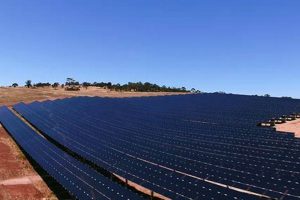
Environmental impact represents a critical point of divergence between hydraulic fracturing (fracking) and renewable energy sources. Fracking, while enabling access to substantial natural gas reserves, carries potential environmental risks. These include groundwater contamination from fracturing fluids, methane leaks contributing to greenhouse gas emissions, and induced seismicity linked to wastewater disposal. Conversely, renewable energy sources like solar, wind, and hydroelectricity offer inherently lower environmental impacts, reducing reliance on fossil fuels and mitigating climate change. The life-cycle assessments of both energy sources provide crucial data for evaluating their overall environmental footprint. For example, while solar panel manufacturing requires energy and resources, their operational emissions are negligible compared to the combustion of natural gas.
The relative environmental impacts of fracking and renewable energy sources significantly influence policy decisions and investment strategies. Stringent regulations governing fracking operations, such as well casing standards and wastewater management protocols, aim to minimize environmental risks. Simultaneously, incentives and subsidies promote the adoption of renewable energy technologies, driving their market penetration and accelerating the transition toward a lower-carbon energy future. Understanding the environmental trade-offs associated with each energy source is crucial for informed decision-making. For instance, comparing the land use requirements of large-scale solar farms with the potential for water contamination from fracking operations provides valuable insights for balancing competing environmental concerns.
Addressing the environmental challenges posed by energy production requires a holistic approach that considers the full life cycle of each energy source. Minimizing the environmental footprint of fracking through technological advancements and stringent regulations is crucial for mitigating its potential negative impacts. Simultaneously, continued investment in renewable energy research and development is essential for overcoming the technical and economic barriers to widespread adoption. The transition to a sustainable energy future necessitates a nuanced understanding of the environmental impacts of both fracking and renewable energy sources, facilitating informed choices that balance immediate energy needs with long-term environmental sustainability.
3. Energy Independence

Energy independence represents a significant driver in the ongoing debate surrounding fracking and renewable energy. The ability of a nation to meet its energy demands without relying on foreign sources has profound implications for national security, economic stability, and geopolitical influence. Hydraulic fracturing, by unlocking vast domestic natural gas reserves, has contributed to reduced reliance on imported energy in some regions. This increased domestic production can insulate economies from volatile global energy markets and enhance energy security. However, dependence on any single energy source, even a domestic one, carries inherent risks. Diversifying energy portfolios with renewable sources like solar, wind, and hydroelectricity further strengthens energy independence by reducing reliance on finite fossil fuel resources, both domestic and foreign. For instance, countries investing heavily in renewable energy infrastructure are less susceptible to disruptions in global oil and gas markets, fostering greater energy autonomy.
The pursuit of energy independence through fracking and renewable energy presents a complex interplay of factors. While fracking can offer a pathway to reduced reliance on foreign fossil fuels in the short term, its environmental impacts and potential contribution to climate change necessitate careful consideration. Renewable energy sources, while offering a more sustainable long-term solution, require significant infrastructure investment and may face challenges related to intermittency and geographic limitations. Balancing the immediate benefits of increased domestic fossil fuel production with the long-term goals of environmental sustainability and true energy independence requires strategic planning and policy implementation. Examples include government initiatives that incentivize renewable energy development while simultaneously regulating fracking operations to minimize environmental risks. These policies aim to navigate the transition towards a more secure and sustainable energy future.
In conclusion, energy independence serves as a crucial lens through which to examine the roles of fracking and renewable energy. While fracking can contribute to short-term energy security by increasing domestic fossil fuel production, it is renewable energy that offers the most promising pathway to true long-term energy independence. By diversifying energy portfolios and investing in sustainable energy infrastructure, nations can enhance their energy security, mitigate climate change, and foster a more resilient and prosperous future. The challenge lies in strategically integrating these diverse energy sources to meet present needs while paving the way for a future powered by clean, sustainable energy.
4. Economic Implications

The economic implications of hydraulic fracturing and renewable energy are substantial and multifaceted, influencing job creation, energy prices, infrastructure investment, and regional economic development. Fracking has generated employment opportunities in extraction, transportation, and related industries, while simultaneously impacting established energy sectors like coal. The influx of domestically produced natural gas has also influenced energy prices, creating both opportunities and challenges for businesses and consumers. Renewable energy sources, while requiring significant upfront investment, offer long-term economic benefits through reduced fuel costs, job creation in manufacturing, installation, and maintenance, and decreased healthcare expenditures associated with air pollution. For instance, the growth of the solar and wind energy industries has spurred innovation and created thousands of jobs in manufacturing, installation, and maintenance, contributing to economic growth in various regions.
Analyzing the economic impact of both fracking and renewable energy requires considering both direct and indirect effects. While fracking can stimulate economic activity in regions with shale gas reserves, the volatility of fossil fuel prices can create economic uncertainty. Furthermore, the potential environmental costs associated with fracking, such as groundwater contamination and the need for wastewater disposal, can impose long-term economic burdens. Renewable energy, on the other hand, offers greater price stability and contributes to a more sustainable economic model, although initial investment costs can be substantial. For example, government subsidies and tax incentives can play a crucial role in mitigating the upfront costs of renewable energy projects, making them more economically competitive with fossil fuels. Understanding these economic trade-offs is essential for developing effective energy policies that promote both economic growth and environmental sustainability.
In summary, the economic implications of fracking and renewable energy are complex and interconnected. While fracking can offer short-term economic benefits through job creation and increased domestic energy production, its long-term economic sustainability is questionable due to price volatility and potential environmental costs. Renewable energy, despite higher initial investment costs, offers a more stable and sustainable economic pathway, creating jobs, reducing pollution-related healthcare expenditures, and fostering innovation. Navigating the transition towards a sustainable energy future requires careful consideration of these economic factors, implementing policies that incentivize renewable energy development while mitigating the potential economic disruptions associated with transitioning away from fossil fuels. The ultimate goal is to create a resilient and prosperous economy powered by clean, sustainable energy sources.
5. Technological Advancements

Technological advancements play a crucial role in shaping the trajectory of both hydraulic fracturing (fracking) and renewable energy. In the realm of fracking, advancements in horizontal drilling and multi-stage fracturing have enabled access to previously unreachable natural gas reserves trapped in shale formations. Improved monitoring technologies, such as microseismic monitoring, help mitigate environmental risks by providing real-time data on subsurface activity during fracturing operations. Furthermore, advancements in wastewater treatment and recycling technologies aim to minimize the environmental impact of fracking by reducing the volume of wastewater generated and enabling its reuse. For example, the development of closed-loop recycling systems has significantly reduced the need for freshwater withdrawals and wastewater disposal in some fracking operations.
In the renewable energy sector, technological progress drives down costs, increases efficiency, and expands deployment possibilities. Advancements in photovoltaic cell technology have led to significant increases in solar panel efficiency and a dramatic decrease in their cost, making solar energy increasingly competitive with fossil fuels. Similarly, innovations in wind turbine design, such as larger rotor diameters and improved blade aerodynamics, enhance energy capture and enable wind farms to operate in lower wind speed regimes. Furthermore, advancements in energy storage technologies, such as improved battery chemistries and pumped hydro storage, address the intermittency challenges associated with renewable energy sources. The development of grid-scale battery storage systems, for instance, allows for the integration of larger amounts of intermittent renewable energy into the electricity grid, enhancing grid stability and reliability.
In conclusion, technological advancements are essential for both optimizing the extraction of fossil fuels like natural gas through fracking and accelerating the transition to renewable energy sources. While technological progress in fracking aims to improve efficiency and minimize environmental impacts, advancements in renewable energy technologies drive down costs, enhance performance, and expand deployment options. These ongoing advancements underscore the dynamic nature of the energy sector and its potential for continued evolution. The future of energy likely hinges on further technological breakthroughs that enable a cost-effective and environmentally sustainable transition to a cleaner energy future. The ongoing interplay between these technological advancements in both fracking and renewable energy will continue to shape the energy landscape for years to come.
6. Sustainable Development
Sustainable development, encompassing economic growth, social equity, and environmental protection, is inextricably linked to energy production and consumption. The choice between hydraulic fracturing (fracking) and renewable energy sources significantly impacts a nation’s ability to achieve sustainable development goals. Balancing the immediate energy demands of a growing global population with the long-term imperative of mitigating climate change and preserving natural resources presents a complex challenge. This section explores the multifaceted relationship between sustainable development and the contrasting approaches to energy production represented by fracking and renewable energy.
- Environmental Stewardship
Environmental stewardship is a cornerstone of sustainable development, focusing on responsible management and protection of natural resources. Fracking, while providing access to abundant natural gas, raises environmental concerns related to water contamination, methane emissions, and induced seismicity. Renewable energy sources, by contrast, offer a cleaner alternative, minimizing environmental impact and mitigating climate change. For example, transitioning from fossil fuels to solar and wind power reduces greenhouse gas emissions, contributing to cleaner air and water. The choice between these energy sources significantly influences a nation’s ability to achieve environmental sustainability.
- Economic Growth
Economic growth is a critical component of sustainable development, requiring reliable and affordable energy sources. Fracking can stimulate economic activity by creating jobs in extraction, transportation, and related industries. However, its dependence on finite resources and fluctuating market prices introduces economic volatility. Renewable energy sources, while requiring significant upfront investment, offer long-term economic benefits through stable energy prices, job creation in manufacturing and installation, and reduced healthcare costs associated with pollution. Investing in renewable energy infrastructure can create new industries and stimulate economic diversification, contributing to long-term economic resilience.
- Social Equity
Social equity, ensuring fair access to resources and opportunities, is another crucial aspect of sustainable development. The environmental and health impacts of fracking can disproportionately affect communities located near extraction sites, raising concerns about environmental justice. Renewable energy, with its distributed generation potential, can enhance energy access in underserved communities, promoting social equity and economic empowerment. For instance, off-grid solar installations can provide electricity to remote areas lacking access to traditional power grids, improving quality of life and fostering economic development.
- Intergenerational Equity
Intergenerational equity, the principle of meeting the needs of the present without compromising the ability of future generations to meet their own needs, is central to sustainable development. Fracking, reliant on finite fossil fuel reserves and contributing to climate change, poses a significant threat to intergenerational equity. Renewable energy sources, by contrast, offer a sustainable pathway to meeting future energy needs without depleting finite resources or exacerbating climate change. Transitioning to renewable energy is essential for preserving a healthy planet and ensuring future generations have access to the resources they need to thrive.
In conclusion, sustainable development requires a careful evaluation of the long-term impacts of energy choices. While fracking may offer short-term economic benefits, its environmental risks and contribution to climate change pose significant challenges to achieving sustainable development goals. Renewable energy sources provide a more sustainable pathway, aligning with environmental stewardship, long-term economic growth, social equity, and intergenerational equity. Transitioning towards a renewable energy future is essential for ensuring a sustainable and prosperous future for all.
Frequently Asked Questions
This section addresses common inquiries regarding hydraulic fracturing and renewable energy, providing concise and informative responses.
Question 1: How does hydraulic fracturing impact water resources?
Hydraulic fracturing involves injecting large volumes of water, sand, and chemicals underground to release natural gas. Concerns exist regarding potential contamination of groundwater resources through spills, leaks, or faulty well casings. Stringent regulations and monitoring are essential to minimize these risks. Furthermore, the substantial water withdrawals required for fracking operations can strain local water supplies, particularly in arid regions.
Question 2: What are the primary environmental concerns associated with renewable energy?
While generally considered environmentally friendly, renewable energy sources are not without environmental impacts. Land use requirements for large-scale solar and wind farms can affect ecosystems and wildlife habitats. Manufacturing renewable energy technologies requires energy and resources, generating some pollution. Life-cycle assessments are crucial for evaluating the overall environmental footprint of different renewable energy technologies.
Question 3: How does natural gas from fracking compare to renewable energy sources in terms of greenhouse gas emissions?
Natural gas combustion emits less carbon dioxide than coal, but methane leaks during extraction and transportation can offset these gains. Methane is a potent greenhouse gas, and even small leaks can significantly contribute to climate change. Renewable energy sources like solar and wind power generate electricity without direct greenhouse gas emissions during operation, making them a cleaner alternative from a climate perspective.
Question 4: What are the economic benefits and drawbacks of fracking?
Fracking can stimulate local economies by creating jobs and generating revenue from natural gas production. However, the economic benefits can be volatile due to fluctuating energy prices. Furthermore, potential environmental damage and health impacts can create long-term economic liabilities. The economic viability of fracking is also influenced by government regulations and market conditions.
Question 5: What role does energy storage play in the transition to renewable energy?
Renewable energy sources like solar and wind are intermittent, meaning their output fluctuates depending on weather conditions. Energy storage technologies, such as batteries and pumped hydro storage, address this intermittency by storing excess energy generated during peak production periods and releasing it during periods of low generation or high demand. Energy storage is crucial for integrating higher percentages of renewable energy into the electricity grid and ensuring a reliable power supply.
Question 6: What policies can governments implement to promote both responsible natural gas extraction and the growth of renewable energy?
Governments can implement a variety of policies to balance the development of both resources. These include stringent environmental regulations for fracking operations to minimize risks, coupled with incentives like tax credits and subsidies to encourage renewable energy adoption. Carbon pricing mechanisms can further incentivize the transition to cleaner energy sources. Comprehensive energy policies should consider the environmental, economic, and social implications of both fracking and renewable energy.
Understanding the complexities surrounding fracking and renewable energy requires considering environmental, economic, and social factors. Informed decision-making is crucial for navigating the evolving energy landscape and ensuring a sustainable energy future.
The subsequent section will delve into specific case studies illustrating the real-world implications of fracking and renewable energy development.
Conclusion
Hydraulic fracturing and renewable energy represent distinct pathways in the ongoing evolution of energy production. This exploration has highlighted the contrasting characteristics of these two approaches, examining their respective environmental impacts, economic implications, and roles in the pursuit of energy independence. While hydraulic fracturing offers access to abundant domestic natural gas resources, its potential environmental risks and contribution to greenhouse gas emissions necessitate careful consideration. Renewable energy sources, offering a cleaner and more sustainable alternative, face challenges related to intermittency, infrastructure development, and initial investment costs. Technological advancements continue to shape the trajectory of both, influencing their efficiency, cost-effectiveness, and overall impact. The complex interplay between these two energy paradigms underscores the need for comprehensive and forward-looking energy policies.
The transition to a sustainable energy future requires a nuanced understanding of the opportunities and challenges presented by both hydraulic fracturing and renewable energy. Balancing the immediate need for reliable and affordable energy with the long-term imperative of environmental stewardship and climate change mitigation remains a critical global challenge. Continued investment in research, development, and deployment of renewable energy technologies, coupled with responsible regulation and management of fossil fuel extraction, will be essential for navigating this complex energy landscape. The choices made today will profoundly impact the energy landscape of tomorrow, shaping not only economic prosperity but also the health of the planet and the well-being of future generations. A diversified and adaptable approach to energy production, incorporating both the responsible use of existing resources and the accelerated adoption of sustainable alternatives, offers the most promising pathway towards a secure and sustainable energy future.