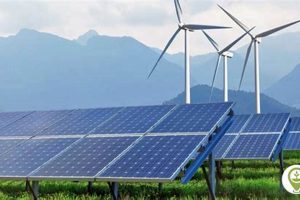
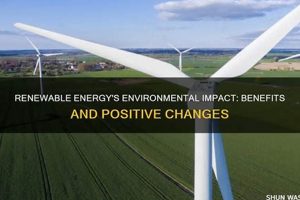
Publicly accessible visuals depicting sources like solar, wind, hydro, and geothermal power illustrate the processes and technologies behind sustainable energy generation. These resources can include photographs, illustrations, and vector graphics, often available under Creative Commons licenses or similar royalty-free agreements.
Openly available visuals of sustainable power generation play a crucial role in educating the public about clean energy alternatives. They facilitate communication about complex technical concepts, making them more digestible for wider audiences. Historically, access to such imagery has been limited, hindering effective advocacy and public understanding. The rise of open licensing and digital platforms has significantly broadened access, promoting broader awareness and adoption of sustainable practices.
This increased availability supports diverse applications, from educational materials and advocacy campaigns to news articles and corporate presentations. The following sections will explore the various sources of these visuals, discuss licensing considerations, and delve into practical applications for different communication needs.
Tips for Utilizing Openly Licensed Renewable Energy Visuals
Effective communication about sustainable energy requires compelling visuals. The following tips offer guidance on sourcing and utilizing openly licensed imagery effectively.
Tip 1: Understand Licensing Requirements: Carefully review the specific license associated with each image. Creative Commons licenses vary in their terms, some requiring attribution, while others restrict commercial use or derivative works.
Tip 2: Source from Reputable Platforms: Utilize established platforms known for hosting high-quality, openly licensed imagery. Examples include Flickr, Wikimedia Commons, and Unsplash.
Tip 3: Verify Image Accuracy: Ensure images accurately represent the technologies and processes they depict. Inaccurate visuals can misinform audiences and undermine credibility.
Tip 4: Optimize for Diverse Platforms: Adapt image formats and resolutions to suit different media, including websites, social media, and print publications. Consider accessibility requirements for visually impaired audiences.
Tip 5: Combine Visuals with Concise Text: Pair images with clear, concise descriptions to reinforce key messages and provide context.
Tip 6: Consider Visual Storytelling: Use a sequence of images to narrate a story about renewable energy, showcasing its benefits and impact.
Tip 7: Attribute Properly: Always provide proper attribution as required by the license. This typically includes the creator’s name and a link to the original source.
By following these guidelines, communicators can effectively leverage openly accessible imagery to promote broader understanding and adoption of renewable energy solutions.
These practical tips empower effective communication and advocate for a sustainable future. The concluding section will reiterate the core message and encourage further exploration of available resources.
1. Availability

The availability of royalty-free visuals depicting renewable energy technologies is a critical factor influencing public perception and understanding of sustainable practices. Widespread access to these resources empowers educators, advocates, journalists, and businesses to communicate effectively about clean energy solutions. This section explores key facets of availability.
- Online Repositories:
Numerous online platforms host extensive collections of openly licensed images related to renewable energy. Sites like Wikimedia Commons, Flickr, and Unsplash offer searchable databases, enabling users to find specific visuals based on keywords, license types, and image resolution. This centralized access democratizes the use of high-quality imagery, facilitating broader communication efforts.
- Specialized Databases:
Certain organizations and initiatives maintain specialized image libraries focused solely on renewable energy and sustainability. These curated collections often categorize images by technology type, geographic location, or application, simplifying the search process for targeted visuals. Examples include government agency websites and non-profit organization portals.
- Stock Photography Platforms:
While many stock photography platforms require paid subscriptions, some offer free or low-cost options, including imagery related to renewable energy. Carefully reviewing licensing agreements is crucial to ensure compliance and avoid copyright infringement. These platforms can provide access to professional-grade photography, enhancing the visual appeal of communication materials.
- Creative Commons Licensing:
Creative Commons licenses play a vital role in ensuring the legal and ethical use of openly available imagery. These licenses offer a standardized framework for copyright holders to grant specific usage rights, enabling others to share, adapt, and remix creative works. Understanding the various Creative Commons license types is crucial for proper attribution and compliance.
The increasing availability of free renewable energy images through diverse online platforms and flexible licensing models significantly enhances the capacity for effective communication and advocacy. This accessibility empowers stakeholders to promote wider adoption of sustainable practices and contribute to a cleaner energy future.
2. Accessibility

Accessibility, in the context of free renewable energy images, encompasses the ease with which individuals can locate, access, and utilize these resources. Factors influencing accessibility include internet availability, platform usability, search functionality, and licensing clarity. Limited internet access in certain regions can hinder access to online image repositories. Complex website navigation or poorly implemented search tools can frustrate users, limiting effective resource discovery. Ambiguous licensing terms can create legal uncertainty, discouraging usage. Improved accessibility fosters broader dissemination of information about renewable energy technologies, empowering informed decision-making.
Consider a rural community developing a local solar energy project. Easy access to free images of similar projects can help community members visualize the proposed installation, understand its potential benefits, and engage in informed discussions. Conversely, if these images are difficult to locate or licensing restrictions are unclear, it can hinder community engagement and project development. Educational institutions also rely on accessible imagery to teach students about renewable energy principles and applications. Clear, high-quality visuals can significantly enhance learning outcomes, promoting scientific literacy and fostering interest in sustainable practices.
Addressing accessibility challenges requires a multi-faceted approach. Improving internet infrastructure in underserved areas is crucial. Developing user-friendly platforms with robust search capabilities simplifies resource discovery. Promoting the use of standardized, easily understandable Creative Commons licenses ensures legal clarity. Enhanced accessibility maximizes the potential of free renewable energy images to educate, inspire, and empower individuals and communities to embrace a sustainable future. This increased accessibility directly contributes to wider adoption of renewable energy technologies, supporting global efforts to combat climate change.
3. Usage Rights

Understanding usage rights is paramount when utilizing free renewable energy images. These rights, often defined by Creative Commons licenses or similar agreements, dictate how images can be legally employed. Ignoring these stipulations can lead to copyright infringement, potentially resulting in legal repercussions. Careful consideration of usage rights ensures ethical and responsible use of these valuable resources.
- Attribution:
Many free image licenses require attribution, meaning the creator of the image must be credited when the image is used. This typically involves citing the creator’s name and potentially linking back to the original source. For example, an environmental organization using a photo of a solar farm on its website must provide proper attribution as specified by the image’s license. Proper attribution respects the creator’s intellectual property rights and maintains the integrity of the resource.
- Commercial Use:
Some licenses permit commercial use, allowing images to be incorporated into materials intended for profit. Others restrict commercial applications, limiting usage to non-commercial purposes like educational materials or advocacy campaigns. A business wishing to use a wind turbine image in a marketing brochure must verify the license allows for commercial application. Misuse can result in legal action and damage the company’s reputation.
- Derivative Works:
Certain licenses allow for the creation of derivative works, meaning the original image can be modified or adapted to create new content. Other licenses prohibit modifications, requiring the image to be used in its original form. A graphic designer creating an infographic about renewable energy might incorporate a free image of a hydroelectric dam, but only if the license permits modifications. Respecting these restrictions ensures compliance and encourages open sharing of resources.
- Share-Alike:
Some licenses incorporate a share-alike clause, requiring any derivative works to be released under the same license as the original image. This promotes a culture of open sharing and ensures that modifications remain accessible to others under the same terms. If an educator adapts a free image of a geothermal plant for a lesson plan, the share-alike clause requires them to share their adapted version under the same license, facilitating wider access to educational resources.
Careful consideration of these usage rights is crucial for anyone utilizing free renewable energy images. Respecting these parameters ensures legal compliance, promotes ethical practices, and supports the continued availability of these valuable resources for education, advocacy, and communication regarding sustainable energy solutions. Understanding and adhering to these parameters strengthens the integrity of open licensing systems and encourages wider adoption of sustainable practices.
4. Image Quality
Image quality significantly impacts the effectiveness of visual communication regarding renewable energy. High-quality visuals enhance credibility, engagement, and understanding, while low-quality images can detract from the message and undermine its impact. This section explores key facets of image quality in the context of free renewable energy images.
- Resolution:
Sufficient resolution is essential for clear reproduction across various media. Low-resolution images appear pixelated and unprofessional, particularly when enlarged for print materials or projected presentations. A high-resolution image of a solar panel array allows viewers to discern intricate details, enhancing understanding of the technology. Conversely, a blurry image diminishes impact and can convey a lack of professionalism. Appropriate resolution ensures visual clarity and reinforces message credibility.
- Composition:
Effective composition guides the viewer’s eye and emphasizes key elements. A well-composed image of a wind farm, for example, might highlight the scale of the turbines against the landscape, conveying the magnitude of the renewable energy project. Poor composition can distract or confuse, diminishing the message’s effectiveness. Thoughtful framing, use of leading lines, and appropriate depth of field contribute to a compelling visual narrative.
- Lighting:
Proper lighting enhances detail and creates visual interest. An image of a hydroelectric dam bathed in warm, natural light conveys a sense of power and sustainability. Conversely, a poorly lit image can obscure details and appear dull, diminishing its impact. Natural light often yields optimal results, but careful use of artificial lighting can also enhance specific features or create desired moods.
- Color Accuracy:
Accurate color representation is crucial for conveying realism and authenticity. Vivid, true-to-life colors in an image of a geothermal plant, for instance, enhance its visual appeal and credibility. Distorted or unnatural colors can appear jarring and detract from the message. Proper color balance ensures visual fidelity and reinforces the message’s trustworthiness.
These facets of image quality collectively influence the effectiveness of free renewable energy visuals. Selecting and utilizing high-quality images enhances communication efforts, promoting greater understanding and adoption of sustainable energy solutions. Careful consideration of these factors ensures that visual resources effectively convey the intended message, reinforcing the credibility and impact of renewable energy advocacy.
5. Diversity of Sources

A diverse range of sources for free renewable energy images is essential for comprehensive and unbiased communication. This diversity encompasses technological variety (solar, wind, hydro, geothermal, biomass), geographical representation (urban, rural, diverse landscapes), and the depiction of various project scales (from individual homes to large-scale installations). A limited scope of imagery can create skewed perceptions, potentially overlooking specific technologies or regional applications. For instance, focusing solely on large-scale solar farms might neglect the growing role of rooftop solar installations in urban environments. Similarly, showcasing wind energy primarily in coastal settings may underrepresent its potential in inland regions. Comprehensive visual representation ensures balanced information dissemination, fostering a more nuanced understanding of renewable energy’s potential.
Furthermore, source diversity strengthens the credibility of communication efforts. Utilizing images from reputable organizations, research institutions, government agencies, and independent photographers enhances trustworthiness. For example, incorporating data visualizations from a respected scientific body alongside photographs of community-based renewable energy projects adds weight and authority to the message. Cross-referencing visuals from diverse sources allows for verification of information, ensuring accuracy and preventing the propagation of misinformation. This multifaceted approach bolsters the integrity of educational materials and advocacy campaigns, promoting informed decision-making.
In conclusion, diversity of sources for free renewable energy images is paramount for effective and credible communication. This diversity ensures comprehensive technological and geographical representation, avoids biased perspectives, and enhances the trustworthiness of information. Leveraging a wide range of visual resources empowers stakeholders to communicate the full potential of renewable energy solutions accurately and comprehensively, contributing to a more sustainable future. This comprehensive visual approach fosters greater public understanding and encourages wider adoption of renewable energy technologies across diverse communities and regions.
6. Accuracy of Depiction
Accuracy of depiction in free renewable energy images is crucial for fostering informed public understanding and promoting responsible adoption of sustainable technologies. Inaccurate visuals can perpetuate misconceptions, hindering effective communication and potentially undermining confidence in renewable energy solutions. For example, a photograph depicting a wind turbine significantly larger than its actual size could mislead viewers about the visual impact of wind farms, potentially fueling opposition to their development. Conversely, images portraying outdated or inefficient technologies misrepresent current capabilities and hinder accurate assessment of renewable energy’s potential. A photograph of an older solar panel model might not reflect the increased efficiency and reduced cost of modern photovoltaic systems, potentially discouraging investment in this technology.
The implications of inaccurate depictions extend beyond individual perceptions. Educational materials, news reports, and advocacy campaigns rely on accurate visuals to convey complex information effectively. Misrepresentations in these contexts can misinform the public and hinder informed decision-making regarding energy policy and investment. A diagram inaccurately illustrating the energy conversion process in a solar cell, for example, could impede students’ understanding of photovoltaic technology. Similarly, a news article using a manipulated image to exaggerate the environmental impact of a hydroelectric dam could unfairly influence public opinion against renewable energy projects. Accurate visuals, therefore, are essential for building trust and facilitating productive dialogue about sustainable energy transitions.
Ensuring accuracy requires careful selection and verification of free renewable energy images. Utilizing resources from reputable sources, such as government agencies, scientific institutions, and established photography platforms, increases the likelihood of encountering accurate depictions. Cross-referencing visuals with reliable information sources, such as academic publications and industry reports, helps confirm accuracy and identify potential misrepresentations. Promoting media literacy and critical evaluation of visual information empowers audiences to discern accurate depictions from misleading imagery, fostering a more informed and nuanced understanding of renewable energy technologies and their potential role in a sustainable future. This critical approach to visual information strengthens public discourse and supports informed decision-making regarding sustainable energy transitions.
7. Educational Value

Openly accessible visuals related to renewable energy sources possess significant educational value, serving as powerful tools for enhancing understanding and promoting wider adoption of sustainable practices. These resources facilitate learning across diverse audiences, from students in classrooms to the general public engaging with online content. The following facets highlight the key components of this educational value.
- Conceptual Understanding
Images provide concrete visual representations of abstract concepts related to renewable energy generation. A diagram illustrating the inner workings of a solar panel, for example, can clarify the photovoltaic process and enhance comprehension of how sunlight is converted into electricity. Similarly, a cross-section of a wind turbine can elucidate the mechanical principles behind wind energy capture. Visual aids bridge the gap between theory and practice, making complex scientific principles more accessible and engaging for learners of all levels.
- Real-World Applications
Free images depicting real-world deployments of renewable energy technologies showcase practical applications and demonstrate their tangible benefits. Photographs of rooftop solar installations on residential homes, for example, can normalize sustainable practices and inspire individuals to consider similar solutions. Images of large-scale wind farms or hydroelectric dams illustrate the potential of renewable energy to meet broader energy demands. Visualizing real-world examples connects theoretical concepts to tangible outcomes, fostering greater appreciation for the viability and impact of sustainable energy solutions.
- Comparative Analysis
Openly licensed imagery facilitates comparative analysis of different renewable energy technologies and their respective environmental impacts. Side-by-side images of a coal-fired power plant and a solar farm, for instance, can visually highlight the environmental advantages of renewable energy sources. Similarly, comparing images of different types of renewable energy installations, such as onshore versus offshore wind farms, can spark discussions about the trade-offs associated with various technologies. Visual comparisons empower informed decision-making and promote critical thinking about sustainable energy choices.
- Accessibility and Inclusivity
The free and readily available nature of these images democratizes access to educational resources, promoting inclusivity and fostering broader participation in the renewable energy discourse. Students in under-resourced schools can access the same high-quality visuals as those in well-funded institutions, leveling the playing field and ensuring equitable access to educational opportunities. Furthermore, the availability of images in various formats and languages caters to diverse learning styles and cultural backgrounds, promoting inclusivity and fostering a more global understanding of sustainable energy solutions.
The educational value of free renewable energy images extends beyond formal learning environments. These resources play a crucial role in public awareness campaigns, advocacy efforts, and community engagement initiatives. By providing readily accessible and visually compelling information, these images empower individuals to make informed choices, advocate for sustainable policies, and contribute to a cleaner energy future. This widespread access to visual resources strengthens public discourse and fosters a more participatory approach to sustainable energy transitions.
Frequently Asked Questions
This section addresses common inquiries regarding the use of freely available visuals depicting renewable energy technologies.
Question 1: Where can one find high-quality, free renewable energy images?
Numerous online repositories offer extensive collections. Reputable sources include Wikimedia Commons, Flickr, Unsplash, and specialized databases maintained by government agencies and non-profit organizations. Additionally, some stock photography platforms offer free or low-cost options.
Question 2: How can image licensing restrictions be determined?
Licensing information is typically found alongside the image itself. Look for details regarding Creative Commons licenses or other usage agreements. Carefully review the license terms to understand permitted applications, attribution requirements, and any restrictions on commercial use or modifications.
Question 3: What constitutes proper attribution when using a licensed image?
Proper attribution typically involves crediting the creator and providing a link to the original source. Specific requirements vary depending on the license type. Consult the license terms for detailed instructions on proper attribution.
Question 4: Can free renewable energy images be modified or adapted?
The ability to modify or adapt an image depends on the specific license. Some licenses permit derivative works, while others prohibit modifications. Always review the license terms before altering an image.
Question 5: What are the potential consequences of violating image usage rights?
Violating image usage rights can lead to copyright infringement, potentially resulting in legal action and financial penalties. Respecting licensing terms is crucial for ethical and legal use of free renewable energy images.
Question 6: How can the accuracy of a renewable energy image be verified?
Verification involves cross-referencing information from multiple reputable sources. Compare the image with information from academic publications, industry reports, and trusted news outlets. Consulting experts in the field can also provide valuable insights.
Understanding these key aspects of image usage ensures legal compliance and promotes ethical practices. Careful consideration of these factors maximizes the benefits of these valuable resources.
The subsequent section offers practical tips for effectively incorporating these visuals into various communication materials.
Conclusion
Openly accessible visuals depicting renewable energy technologies constitute invaluable resources for communication, education, and advocacy. Exploration of availability, accessibility, usage rights, image quality, source diversity, depiction accuracy, and educational value reveals the multifaceted nature of these resources. Careful consideration of licensing agreements ensures legal compliance and ethical use. Prioritizing high-quality visuals enhances communication effectiveness and reinforces credibility. Diverse sourcing promotes comprehensive representation and mitigates bias. Accurate depictions are paramount for conveying truthful information and fostering informed decision-making. Leveraging the educational potential of these images empowers individuals and communities to embrace sustainable practices.
The effective utilization of free renewable energy images plays a crucial role in promoting broader understanding and adoption of sustainable solutions. Continued development of accessible image repositories and adherence to ethical usage practices will further amplify the positive impact of these resources in shaping a sustainable energy future. Widespread access to accurate and compelling visuals empowers informed discourse and accelerates the global transition towards cleaner energy sources.