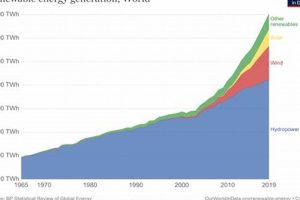
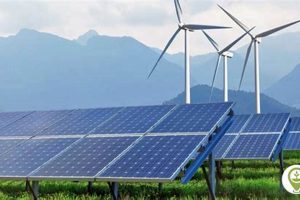
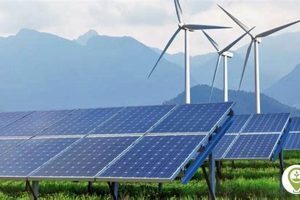
The integration of sustainable power sources, such as solar, wind, hydro, and geothermal, into the established electrical infrastructure involves a complex interplay of technologies and regulations. For instance, a solar farm’s energy production must be converted to a compatible form and synchronized with the grid’s frequency before being distributed to consumers. This process often requires specialized equipment like inverters, transformers, and switchgear.
This integration is crucial for decarbonizing the energy sector and mitigating climate change. A reliance on renewable sources reduces greenhouse gas emissions and dependence on finite fossil fuels. Furthermore, it fosters energy independence and can stimulate economic growth through job creation and technological innovation. Historically, connecting these sources has presented challenges, from the intermittent nature of solar and wind power to the remote locations of suitable resources. However, advancements in grid management, energy storage, and transmission technologies are steadily overcoming these obstacles.
Further exploration of this topic will delve into specific integration challenges and solutions, including grid modernization efforts, the role of energy storage, and the evolving regulatory landscape. Additionally, future prospects and the ongoing transition towards a more sustainable energy future will be considered.
Tips for Successful Renewable Energy Integration
Effective integration of renewable energy sources requires careful planning and execution. The following tips provide guidance for navigating the complexities of connecting these resources to the electrical grid.
Tip 1: Conduct Thorough Resource Assessment: Accurate evaluation of available renewable resourcessolar irradiance, wind speeds, water flowis fundamental. Detailed assessments inform optimal site selection and technology choices.
Tip 2: Optimize Grid Infrastructure: Modernizing existing grid infrastructure is often necessary to accommodate the influx of renewable energy. This may involve upgrading transformers, transmission lines, and implementing smart grid technologies.
Tip 3: Prioritize Energy Storage Solutions: Addressing the intermittent nature of renewable generation requires robust energy storage solutions. Exploring battery storage, pumped hydro, or other storage technologies ensures grid stability and reliability.
Tip 4: Implement Advanced Grid Management Systems: Sophisticated grid management systems are crucial for balancing supply and demand in real-time. Utilizing forecasting tools and demand-side management strategies optimizes grid operations.
Tip 5: Streamline Regulatory Processes: Clear and efficient regulatory frameworks are essential for facilitating renewable energy projects. Collaboration between government agencies, developers, and grid operators streamlines approvals and interconnection processes.
Tip 6: Engage with Local Communities: Open communication and collaboration with local communities foster public acceptance and support for renewable energy projects. Addressing concerns and ensuring equitable benefit sharing strengthens project viability.
Tip 7: Foster Technological Innovation: Continued research and development of new technologies are vital for advancing renewable energy integration. Investing in innovative grid technologies, energy storage solutions, and smart grid systems enhances efficiency and reliability.
By adhering to these guidelines, the integration of renewable energy sources can be achieved efficiently and effectively, paving the way for a cleaner, more sustainable energy future.
These steps represent essential considerations for successful renewable energy integration. The subsequent conclusion will summarize the key takeaways and emphasize the broader implications for a sustainable energy future.
1. Grid Stability

Grid stability, the ability of the electrical grid to maintain a consistent voltage and frequency despite fluctuations in supply and demand, is paramount for reliable power delivery. Integrating renewable energy sources, while crucial for sustainability, presents unique challenges to grid stability due to the inherent variability of these resources. Maintaining this stability is essential for preventing blackouts, protecting sensitive equipment, and ensuring the seamless operation of the modern interconnected power system.
- Frequency Regulation:
Maintaining a consistent grid frequency (e.g., 60 Hz in North America, 50 Hz in Europe) is crucial for proper operation of electrical devices. Renewable energy sources, particularly solar and wind power, can introduce rapid fluctuations in power output, impacting grid frequency. Frequency regulation mechanisms, such as fast-responding gas turbines or battery storage systems, are essential to counter these fluctuations and maintain grid stability. For example, when cloud cover reduces solar power output, battery systems can rapidly inject power into the grid to compensate and maintain the desired frequency.
- Voltage Control:
Voltage levels must remain within specified limits to prevent damage to equipment and ensure reliable operation. Connecting distributed renewable energy sources, like rooftop solar panels, can impact local voltage levels. Voltage control devices, such as voltage regulators and reactive power compensation equipment, are essential to mitigate these voltage fluctuations and maintain grid stability. Smart grids, with their advanced monitoring and control capabilities, play a critical role in managing voltage variations across the network.
- Inertia and System Strength:
Traditional power plants, like those fueled by coal or natural gas, provide substantial rotational inertia to the grid, which helps stabilize frequency in the event of sudden disturbances. Renewable energy sources, particularly solar and wind power, connect to the grid through power electronics and do not contribute to this inertia. This reduced system inertia makes the grid more susceptible to frequency deviations. Grid-forming inverters, a developing technology, can emulate the inertia provided by traditional generators and enhance grid stability in systems with high renewable energy penetration.
- Fault Ride-Through:
Grid disturbances, such as short circuits or lightning strikes, can cause voltage dips or even complete power outages. Renewable energy systems must be able to withstand these disturbances and remain connected to the grid, providing support rather than exacerbating the problem. Grid codes often specify fault ride-through requirements for renewable energy generators, mandating that they remain connected to the grid during specified voltage and frequency deviations. This ensures grid stability and facilitates faster system recovery after a fault.
These facets of grid stability underscore the complex interplay between renewable energy integration and the reliable operation of the power system. Addressing these challenges requires careful planning, advanced technologies, and updated grid codes. The continued evolution of grid management techniques and energy storage solutions is essential to harness the full potential of renewable energy sources while maintaining a stable and resilient electrical grid. Balancing the growth of renewable energy with maintaining a robust and reliable power grid is an ongoing challenge and critical aspect of the energy transition.
2. Transmission Capacity

Transmission capacity, the maximum amount of electrical power that can be transported over power lines, plays a crucial role in the successful integration of renewable energy sources into the electrical grid. Often, renewable energy resources, such as large-scale solar farms and wind installations, are located in remote areas with abundant sunshine or strong winds. These locations may be far from major population centers where the electricity demand is highest. Sufficient transmission capacity is essential to transport this remotely generated power to where it is needed, enabling widespread utilization of renewable energy. For example, offshore wind farms require significant transmission infrastructure to deliver power to coastal communities and inland regions.
Limited transmission capacity can create a bottleneck, hindering the growth of renewable energy. If the existing transmission lines are inadequate to accommodate the influx of renewable power, this energy may be curtailed, meaning it is not fully utilized, even when available. This can lead to economic losses for renewable energy developers and limit the environmental benefits of these resources. Upgrading transmission infrastructure, including building new transmission lines and substations, is often necessary to unlock the full potential of renewable energy and facilitate a transition to a cleaner energy system. Initiatives like the creation of “renewable energy zones” with dedicated transmission corridors can streamline the integration process and reduce the costs associated with connecting remote renewable generation to the grid. For instance, connecting remote hydropower resources to urban centers often necessitates the construction of new high-voltage transmission lines.
Planning and expanding transmission capacity proactively is crucial for maximizing the benefits of renewable energy integration. This involves considering future renewable energy development scenarios, forecasting electricity demand growth, and assessing the adequacy of existing infrastructure. Strategic investments in transmission infrastructure can not only facilitate the growth of renewable energy but also enhance grid reliability and resilience. Furthermore, regional coordination and interconnections between different grids can enable efficient sharing of renewable energy resources, reducing reliance on fossil fuel-based generation and contributing to a more sustainable and interconnected energy system. Therefore, addressing transmission capacity constraints is not merely a technical challenge but a strategic imperative for achieving a clean energy future.
3. Intermittency Management
Intermittency, the fluctuating nature of renewable energy sources like solar and wind, presents a significant challenge for grid integration. Effective intermittency management is crucial for maintaining grid stability and ensuring a reliable electricity supply. Because solar power generation varies with cloud cover and sunlight intensity, and wind power fluctuates with wind speeds, these variations can create imbalances between electricity supply and demand. Without adequate management strategies, these imbalances can compromise grid stability and lead to power outages. For example, a sudden drop in wind power output can create a power deficit, requiring rapid deployment of backup power sources to prevent blackouts.
Several strategies can mitigate the impact of intermittency. Energy storage systems, such as batteries and pumped hydro, can store excess renewable energy generated during periods of high production and release it during periods of low production, smoothing out fluctuations and providing a consistent power supply. Demand-side management programs can incentivize consumers to shift their electricity usage to times when renewable energy generation is high, reducing peak demand and minimizing the need for backup generation. Furthermore, sophisticated forecasting tools can predict renewable energy generation and inform grid operators about potential imbalances, allowing them to proactively adjust power dispatch and maintain grid stability. Geographic diversification of renewable energy sources can also help mitigate intermittency. For instance, combining solar and wind resources across a wide area can reduce the overall variability of renewable generation, as periods of low wind may coincide with periods of high solar irradiance, and vice versa. Real-world examples, like the integration of large-scale battery storage systems with solar farms in California, demonstrate the effectiveness of these strategies in managing intermittency and enabling greater reliance on renewable energy.
Successful intermittency management is essential for unlocking the full potential of renewable energy sources and achieving a sustainable energy future. By implementing a combination of energy storage, demand-side management, advanced forecasting, and geographic diversification, grid operators can ensure a reliable and stable electricity supply while maximizing the utilization of clean energy resources. As renewable energy penetration continues to increase, ongoing innovation and refinement of these management strategies will be critical to maintaining grid stability and reliability. Furthermore, integrating smart grid technologies and advanced control systems will enhance the ability to manage the complexities of a grid with high levels of variable renewable generation. Addressing the challenge of intermittency is therefore not just a technical necessity, but a key enabler of the clean energy transition.
4. Regulatory Compliance

Regulatory compliance forms a critical cornerstone for connecting renewable energy to the grid. This multifaceted framework encompasses technical standards, interconnection agreements, permitting processes, and environmental regulations. A robust regulatory structure ensures the safe, reliable, and efficient integration of renewable energy resources while safeguarding the interests of stakeholders, including grid operators, consumers, and the environment. For instance, interconnection standards dictate technical requirements for renewable energy generators to connect to the grid, ensuring compatibility and preventing disruptions. These standards often address voltage and frequency control, protection systems, and communication protocols. Failure to comply with these regulations can result in project delays, increased costs, and potential grid instability. Real-world examples include instances where non-compliant solar farms have caused voltage fluctuations, impacting the reliability of electricity supply to neighboring consumers. Furthermore, regulatory compliance influences the financial viability of renewable energy projects. Clear and predictable permitting processes can streamline project development, reducing uncertainty and attracting investment. Conversely, complex or opaque regulations can create barriers to entry and stifle innovation.
The practical significance of regulatory compliance extends beyond technical and financial considerations. Environmental regulations play a crucial role in mitigating the potential ecological impacts of renewable energy projects. Assessments of environmental impact, including habitat disruption, land use changes, and potential effects on wildlife, are often required before project approval. Regulatory frameworks may also mandate mitigation measures to minimize these impacts, such as habitat restoration or the implementation of noise reduction technologies. Moreover, regulations may address the decommissioning and disposal of renewable energy infrastructure at the end of its operational life, ensuring responsible management of waste and minimizing long-term environmental liabilities. For example, regulations related to the disposal of wind turbine blades aim to prevent landfill waste and promote recycling or repurposing of these materials. Effective regulatory oversight is therefore essential for balancing the benefits of renewable energy with environmental protection and ensuring sustainable development. Navigating the regulatory landscape can be complex, requiring expertise in legal, technical, and environmental domains. Specialized consultants often assist developers in securing permits and ensuring compliance with applicable regulations, facilitating efficient project execution and mitigating potential risks.
In summary, regulatory compliance is not merely a procedural hurdle but an integral component of successful renewable energy integration. It provides a framework for ensuring technical compatibility, grid stability, environmental protection, and financial viability. Clear, consistent, and well-enforced regulations are essential for fostering investor confidence, promoting innovation, and accelerating the transition to a sustainable energy future. Challenges such as streamlining permitting processes, harmonizing regulations across jurisdictions, and adapting to evolving technologies require ongoing attention. Addressing these challenges effectively will unlock the full potential of renewable energy and contribute to a cleaner, more resilient, and sustainable energy system. This understanding is paramount for all stakeholders involved in the development and integration of renewable energy resources.
5. Cost-effectiveness
Cost-effectiveness plays a pivotal role in the widespread adoption of renewable energy and its successful integration into the electrical grid. The economic viability of renewable energy projects hinges on a complex interplay of factors, including initial capital costs, operating and maintenance expenses, financing mechanisms, and the value of generated electricity. Achieving cost-competitiveness with conventional fossil fuel-based generation is essential for driving the transition to a sustainable energy future. Technological advancements, economies of scale, and supportive policies have significantly reduced the cost of renewable energy technologies in recent years, making them increasingly competitive with traditional energy sources. For example, the cost of solar photovoltaic modules has decreased dramatically over the past decade, leading to a surge in solar installations worldwide. Furthermore, government incentives, such as tax credits and feed-in tariffs, can enhance the financial attractiveness of renewable energy projects and accelerate their deployment.
Evaluating the cost-effectiveness of grid-connected renewable energy requires a comprehensive lifecycle cost analysis. This analysis considers not only the upfront investment in renewable energy generation equipment but also ongoing operational and maintenance costs, financing costs, and the projected revenue stream from electricity sales. Factors such as the capacity factor of the renewable energy resource (the percentage of time it generates electricity), the prevailing electricity market prices, and the availability of grid connection infrastructure all influence the overall cost-effectiveness. For instance, a wind farm located in an area with high average wind speeds will have a higher capacity factor and generate more electricity over its lifetime, improving its cost-effectiveness compared to a wind farm in a less windy location. Furthermore, the cost of grid connection can vary significantly depending on the proximity of the renewable energy project to existing transmission lines and substations. Projects located far from existing infrastructure may require costly upgrades or new transmission lines, impacting overall project economics. Therefore, careful site selection and strategic planning are essential for minimizing grid connection costs and maximizing the financial viability of renewable energy projects. Analyzing the cost-effectiveness of various renewable energy options, considering factors such as resource availability, technology maturity, and local market conditions, is crucial for informed decision-making.
In conclusion, cost-effectiveness is a critical driver of renewable energy integration. Continued technological advancements, supportive policies, and innovative financing mechanisms are essential for further reducing costs and accelerating the transition to a clean energy future. Addressing challenges such as grid connection costs, intermittency management, and energy storage costs will require further innovation and strategic investment. The practical significance of achieving cost-competitive renewable energy lies in its potential to transform the energy landscape, reduce reliance on fossil fuels, mitigate climate change, and create economic opportunities. A clear understanding of the cost drivers and the development of robust economic models are crucial for policymakers, investors, and developers to make informed decisions and drive the sustainable deployment of renewable energy technologies.
6. Technology Advancements

Technological advancements are pivotal in facilitating efficient and reliable connections between renewable energy sources and the electrical grid. These innovations address key challenges associated with integrating variable renewable energy, such as intermittency, grid stability, and cost-effectiveness. Continuous progress in areas like power electronics, energy storage, smart grids, and forecasting technologies is essential for maximizing the benefits of renewable energy and achieving a sustainable energy future.
- Advanced Power Electronics
Advanced power electronics, including inverters, converters, and power electronic controllers, play a crucial role in connecting renewable energy sources to the grid. These devices convert the variable direct current (DC) output of solar panels or the variable frequency alternating current (AC) output of wind turbines into grid-compatible AC power. Furthermore, advanced power electronics enable precise control of power flow, voltage, and frequency, enhancing grid stability and facilitating the integration of larger amounts of renewable energy. Examples include grid-forming inverters that can provide grid support functions traditionally performed by conventional power plants, and flexible AC transmission systems (FACTS) that enhance power flow control and grid stability.
- Energy Storage Solutions
Energy storage technologies are essential for addressing the intermittency of renewable energy sources. Batteries, pumped hydro storage, compressed air energy storage, and thermal energy storage systems can store excess renewable energy generated during periods of high production and release it during periods of low production or peak demand. This improves grid stability, reduces reliance on fossil fuel-based backup power plants, and maximizes the utilization of renewable energy resources. Real-world examples include lithium-ion battery systems paired with solar farms to provide dispatchable renewable energy and pumped hydro storage facilities that store excess energy during off-peak hours and release it during periods of high demand.
- Smart Grid Technologies
Smart grid technologies enhance grid management, monitoring, and control, enabling more efficient and reliable integration of renewable energy. Advanced sensors, communication networks, and data analytics provide real-time visibility into grid conditions, allowing operators to optimize power flow, manage voltage and frequency fluctuations, and respond quickly to disturbances. Smart meters enable demand-side management programs, empowering consumers to adjust their electricity usage based on price signals or grid conditions, further enhancing grid flexibility and facilitating the integration of renewable energy. Examples include distribution automation systems that optimize voltage control and minimize power losses, and advanced metering infrastructure (AMI) that enables real-time monitoring of electricity consumption.
- Forecasting and Predictive Modeling
Accurate forecasting of renewable energy generation and electricity demand is crucial for effective grid management and intermittency mitigation. Advanced forecasting tools utilize weather data, historical generation patterns, and machine learning algorithms to predict renewable energy output, enabling grid operators to proactively adjust power dispatch and maintain grid stability. Improved forecasting accuracy reduces the need for costly backup generation and enhances the reliability of electricity supply. Examples include sophisticated weather models that predict wind speeds and solar irradiance, and machine learning algorithms that analyze historical grid data to predict electricity demand patterns.
These technological advancements are interconnected and mutually reinforcing. Advanced power electronics enable efficient grid integration of renewable energy, while energy storage solutions address intermittency challenges. Smart grid technologies enhance grid management and flexibility, and forecasting tools provide crucial information for optimizing grid operations. The continued development and deployment of these technologies are essential for achieving a secure, sustainable, and cost-effective energy future powered by renewable resources.
7. Environmental Impact

Connecting renewable energy to the grid significantly influences environmental impact, primarily through reduced greenhouse gas emissions. Transitioning from fossil fuel-based electricity generation to renewable sources like solar, wind, and hydro dramatically lowers carbon dioxide and other pollutant emissions, mitigating climate change and improving air quality. This shift also reduces dependence on finite fossil fuel resources, promoting energy independence and resource conservation. For instance, replacing a coal-fired power plant with a solar farm eliminates emissions associated with coal combustion, resulting in cleaner air and reduced carbon footprint. Quantifying these reductions often involves lifecycle assessments, comparing emissions from renewable energy systems with those from conventional power plants throughout their entire lifespan, from resource extraction and manufacturing to operation and decommissioning. These assessments demonstrate the substantial environmental benefits of renewable energy integration.
However, connecting renewable energy to the grid is not without environmental considerations. Manufacturing renewable energy technologies requires raw materials and energy, generating some environmental impacts. For example, producing solar panels involves mining silicon and other materials, which can have localized environmental consequences. Similarly, manufacturing wind turbine blades requires energy-intensive processes and specialized materials. Furthermore, large-scale renewable energy projects can impact land use and ecosystems. Solar farms require significant land areas, potentially affecting wildlife habitats and agricultural land. Wind turbines can pose risks to birds and bats. Hydroelectric dams can alter river ecosystems and fish migration patterns. Minimizing these impacts necessitates careful site selection, environmental impact assessments, and mitigation measures, such as habitat restoration and wildlife protection programs. Addressing these challenges through sustainable manufacturing practices, technological advancements, and responsible project development is crucial for maximizing the net environmental benefits of renewable energy.
In conclusion, connecting renewable energy to the grid offers substantial environmental advantages through emissions reductions and decreased reliance on fossil fuels. However, recognizing and mitigating the environmental impacts associated with renewable energy technologies and project development is essential. Lifecycle assessments, environmental impact studies, and ongoing research into sustainable manufacturing practices are crucial for minimizing these impacts and maximizing the overall environmental benefits of the clean energy transition. A comprehensive understanding of these complex interactions is fundamental for developing sustainable energy policies, promoting responsible renewable energy development, and achieving a truly environmentally sound energy future.
Frequently Asked Questions
This section addresses common inquiries regarding the integration of renewable energy sources into the electrical grid.
Question 1: How does grid integration of intermittent renewable sources maintain reliability?
Reliability is maintained through a combination of strategies, including energy storage (batteries, pumped hydro), demand-side management (shifting electricity use to times of high renewable generation), sophisticated forecasting tools, and geographic diversification of renewable resources. These approaches work in concert to balance fluctuating supply and demand.
Question 2: What are the primary grid infrastructure upgrades needed to accommodate increased renewable energy penetration?
Key upgrades often include modernizing transmission lines and substations to handle increased power flow, implementing smart grid technologies for enhanced monitoring and control, and investing in energy storage solutions to address intermittency. These upgrades enhance grid flexibility and resilience.
Question 3: What are the main barriers to wider adoption of grid-connected renewable energy systems?
Key barriers include the intermittency of some renewable resources, the need for grid infrastructure upgrades, initial capital costs, regulatory hurdles, and public acceptance. Overcoming these barriers requires technological innovation, policy support, and community engagement.
Question 4: What role does energy storage play in facilitating renewable energy integration?
Energy storage addresses the intermittency challenge by storing excess renewable energy generated during periods of high production and releasing it during periods of low production or peak demand. This ensures a consistent power supply and enhances grid stability.
Question 5: How do smart grids enhance the integration of renewable energy resources?
Smart grids utilize advanced sensors, communication networks, and data analytics to improve grid management, monitoring, and control. This enables real-time optimization of power flow, voltage regulation, and demand-side management, enhancing grid flexibility and facilitating greater renewable integration.
Question 6: What are the environmental benefits of connecting renewable energy to the grid?
The primary environmental benefit is the reduction of greenhouse gas emissions associated with electricity generation. This mitigates climate change, improves air quality, and reduces dependence on finite fossil fuel resources.
Addressing these questions provides a clearer understanding of the complexities and opportunities associated with integrating renewable energy into the electrical grid. Continuous innovation, supportive policies, and community engagement are crucial for realizing the full potential of renewable energy and achieving a sustainable energy future.
The following section will offer a conclusion summarizing the key benefits and challenges discussed throughout this article.
Connecting Renewable Energy to the Grid
Connecting renewable energy to the grid represents a complex yet essential undertaking for a sustainable energy future. This exploration has examined the multifaceted nature of this integration, encompassing technical challenges such as grid stability and intermittency management, economic considerations of cost-effectiveness and transmission capacity, regulatory frameworks ensuring compliance and streamlining processes, and the significant environmental impacts of reduced emissions and resource conservation. Technological advancements in power electronics, energy storage, smart grids, and forecasting tools have emerged as crucial enablers of this transition. Furthermore, addressing potential environmental impacts associated with renewable energy technologies and project development remains a critical consideration for ensuring genuine sustainability.
The successful integration of renewable energy sources is paramount for mitigating climate change, enhancing energy security, and fostering a more sustainable energy landscape. Continued innovation, strategic investment in grid modernization, and collaborative policy frameworks are essential for navigating the complexities of this transition and realizing the full potential of renewable energy. The future of energy hinges on the ability to effectively and efficiently connect these vital resources to the grid, powering a cleaner, more resilient, and sustainable world.