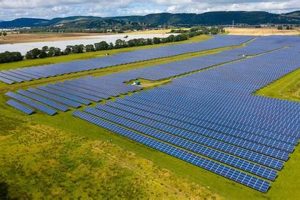
The Department of Energy (DOE) plays a critical role in powering the nation through its focus on energy independence, security, and technological innovation. This involves a diverse portfolio including research and development into sustainable energy sources, management of the nation’s nuclear infrastructure, and ensuring the resilience of the energy grid against both natural disasters and cyber threats. For example, the agency invests in scientific advancements related to biofuels, solar energy, and energy storage technologies, while also maintaining the safety and security of the nuclear stockpile.
A secure and reliable energy supply is essential for economic prosperity and national security. The agency’s work contributes to mitigating the effects of climate change, fostering economic growth through innovation in the energy sector, and protecting critical infrastructure from disruption. Historically, the departments focus has shifted in response to national and global priorities, evolving from its origins in post-World War II nuclear development to encompass a wider spectrum of energy challenges, including the current emphasis on sustainable energy transitions.
The following sections will delve further into specific areas of the departments responsibilities, examining current projects and future directions in greater detail. Topics explored will include advancements in renewable energy technologies, the modernization of the nuclear security enterprise, and strategies for enhancing the resilience of the national energy infrastructure.
Tips for Energy Efficiency and Security
Implementing energy-saving practices and supporting advancements in energy technologies contribute to both individual and national energy security. The following tips offer practical steps to reduce energy consumption and promote a more sustainable energy future.
Tip 1: Invest in Energy-Efficient Appliances: Choosing appliances with high Energy Star ratings can significantly reduce electricity consumption over time. Look for refrigerators, washing machines, and dishwashers that offer optimal performance with minimal energy usage.
Tip 2: Optimize Home Insulation: Proper insulation reduces heat loss during winter and heat gain during summer, leading to lower energy bills and reduced reliance on heating and cooling systems. Consider insulating attics, walls, and floors for maximum effectiveness.
Tip 3: Utilize Smart Home Technologies: Smart thermostats and lighting systems allow for automated control of energy usage, optimizing energy consumption based on occupancy and time of day. These technologies can contribute to substantial energy savings without compromising comfort.
Tip 4: Support Renewable Energy Initiatives: Consider supporting community solar projects or exploring rooftop solar installations to reduce reliance on traditional fossil fuels. Investing in renewable energy sources contributes to a cleaner and more sustainable energy future.
Tip 5: Advocate for Energy-Efficient Policies: Engaging with local and national representatives to support policies that promote energy efficiency and investment in renewable energy infrastructure can drive systemic change and accelerate the transition to a more sustainable energy future.
Tip 6: Practice Responsible Energy Consumption: Simple actions like turning off lights when leaving a room, unplugging electronic devices when not in use, and using energy-efficient lighting can cumulatively reduce energy consumption and lower electricity bills.
Tip 7: Stay Informed about Energy Developments: Keeping abreast of advancements in energy technologies and government initiatives allows for informed decision-making regarding energy consumption and investments in energy-efficient solutions. This knowledge empowers individuals to contribute to a more secure and sustainable energy future.
By adopting these practices, individuals can contribute to a more sustainable energy future while also reducing energy costs. These actions collectively support national energy security goals by lessening reliance on foreign energy sources and promoting the development and adoption of cleaner energy technologies.
The concluding section summarizes the key benefits of supporting a robust and innovative energy sector, highlighting the crucial role of research and development in ensuring long-term energy security and sustainability.
1. Energy Security

Energy security is a critical component of national security and economic stability. The Department of Energy (DOE) plays a vital role in ensuring the nation’s energy security through a multi-faceted approach encompassing research, development, and policy implementation. This approach addresses both short-term and long-term energy needs while considering environmental and economic impacts.
- Reliable Energy Sources:
Access to dependable energy sources is fundamental to energy security. The DOE supports the development and diversification of energy sources, including renewables like solar and wind, advanced nuclear technologies, and enhanced fossil fuel extraction techniques. This diversification reduces reliance on single sources and mitigates risks associated with supply disruptions. For example, investments in domestic energy production reduce dependence on foreign oil, enhancing energy independence.
- Resilient Energy Infrastructure:
A robust and resilient energy infrastructure is essential for withstanding natural disasters, cyberattacks, and other threats. The DOE invests in modernizing the nation’s energy grid, enhancing its cybersecurity defenses, and promoting the development of microgrids. These efforts ensure the continued delivery of energy even under adverse conditions, protecting critical services and infrastructure. Strengthening the grid through advanced technologies improves its ability to withstand and recover from disruptions.
- Technological Innovation:
Technological advancements are key to achieving long-term energy security. The DOE funds research and development in energy efficiency, renewable energy technologies, energy storage solutions, and advanced nuclear reactors. These innovations improve energy production and consumption, reducing reliance on finite resources and mitigating environmental impacts. Developing more efficient solar panels or advanced battery storage technologies contributes to a more sustainable energy future.
- Strategic Partnerships:
International collaboration is essential for addressing global energy challenges. The DOE works with international partners to promote energy security, share best practices, and develop collaborative research initiatives. These partnerships foster global energy stability and contribute to a more secure energy landscape for all. Collaborating on research into fusion energy or sharing cybersecurity best practices strengthens global energy security.
These interconnected facets of energy security demonstrate the DOE’s comprehensive approach to ensuring a stable and resilient energy future. By fostering innovation, modernizing infrastructure, and diversifying energy sources, the DOE strengthens national security, promotes economic growth, and contributes to a more sustainable energy landscape. Continued investment in these areas is crucial for maintaining a secure and prosperous future.
2. Technological Innovation

Technological innovation is the cornerstone of the Department of Energy’s (DOE) mission to ensure a secure, sustainable, and prosperous energy future. Advancements in energy technologies are essential for addressing challenges related to energy independence, climate change, and economic competitiveness. The DOE invests in a broad spectrum of research and development activities, fostering innovation across multiple energy sectors.
- Advanced Energy Storage:
Developing advanced energy storage technologies is crucial for integrating intermittent renewable energy sources like solar and wind power into the grid. Innovations in battery technology, pumped hydro storage, and thermal storage are enabling more efficient and reliable energy storage solutions. For instance, research into solid-state batteries promises higher energy density and improved safety compared to conventional lithium-ion batteries. These advancements are essential for a grid increasingly reliant on renewable energy.
- Next-Generation Nuclear Power:
The DOE supports research and development of next-generation nuclear reactor designs, including small modular reactors (SMRs) and advanced reactor concepts. These technologies offer enhanced safety features, improved efficiency, and reduced waste generation compared to traditional nuclear power plants. SMRs, for example, offer the potential for flexible deployment and reduced capital costs, expanding access to clean nuclear energy. Such innovations are critical for ensuring a reliable and carbon-free energy supply.
- Artificial Intelligence for Energy Systems:
Artificial intelligence (AI) and machine learning are playing an increasingly important role in optimizing energy systems. AI algorithms can improve grid management, predict energy demand, and enhance the efficiency of renewable energy generation. For example, AI can optimize the operation of wind farms by predicting wind patterns and adjusting turbine blade angles for maximum energy capture. These applications of AI are crucial for enhancing the reliability and efficiency of the energy sector.
- Carbon Capture, Utilization, and Storage (CCUS):
CCUS technologies are essential for mitigating the environmental impact of fossil fuels. These technologies capture carbon dioxide emissions from power plants and industrial facilities, preventing their release into the atmosphere. The captured carbon can then be utilized for various industrial processes or stored underground. Advancements in CCUS are crucial for reducing greenhouse gas emissions and mitigating climate change while enabling continued use of fossil fuels during the energy transition.
These technological innovations are pivotal for achieving the DOE’s mission of ensuring a secure and sustainable energy future. By investing in research and development across these and other areas, the DOE is driving advancements that will shape the energy landscape for decades to come. Continued support for technological innovation is essential for meeting future energy demands, mitigating climate change, and strengthening national energy security.
3. Infrastructure Modernization

Modernizing energy infrastructure is crucial for the Department of Energy’s (DOE) mission to ensure a reliable, secure, and efficient energy system. This modernization encompasses upgrades to the electric grid, pipelines, storage facilities, and other critical infrastructure components. These improvements are essential for integrating renewable energy sources, enhancing grid resilience, and supporting a transition to a cleaner energy future. Investment in infrastructure modernization is a key aspect of the DOE’s efforts to “fuel” the nation’s energy needs sustainably and securely.
- Grid Modernization:
The electric grid, the backbone of the nation’s energy system, requires significant modernization to accommodate the increasing penetration of renewable energy sources and distributed energy resources. Upgrading transmission lines, incorporating smart grid technologies, and enhancing grid cybersecurity are critical aspects of this modernization effort. For example, advanced sensors and control systems enable real-time monitoring and management of grid operations, improving efficiency and reliability. Grid modernization is essential for supporting the reliable integration of renewable energy and ensuring a stable energy supply, directly contributing to the DOE’s objective of fueling a sustainable energy future.
- Pipeline Infrastructure:
Modernizing pipeline infrastructure is crucial for safely and efficiently transporting oil and natural gas. This includes upgrading existing pipelines, implementing advanced leak detection technologies, and enhancing pipeline cybersecurity measures. For instance, using advanced materials and construction techniques can improve pipeline integrity and reduce the risk of leaks and spills. Modernizing pipeline infrastructure safeguards energy delivery and contributes to the overall reliability of the energy system, supporting the DOE’s goal of fueling the nation with secure and dependable energy resources.
- Energy Storage Infrastructure:
Expanding and modernizing energy storage infrastructure is vital for supporting the growth of intermittent renewable energy sources like solar and wind power. Investing in diverse energy storage technologies, such as pumped hydro storage, battery storage, and thermal storage, enhances grid flexibility and reliability. Large-scale battery storage facilities, for example, can store excess renewable energy generated during peak production periods and release it when demand is high. This capability enables greater utilization of renewable energy and contributes to the DOE’s aim of fueling a cleaner energy future.
- Cybersecurity Infrastructure:
Strengthening the cybersecurity of energy infrastructure is paramount in today’s interconnected world. Protecting critical energy infrastructure from cyberattacks is crucial for maintaining energy security and preventing disruptions to energy supply. The DOE invests in advanced cybersecurity technologies and practices to enhance the resilience of energy infrastructure against cyber threats. Implementing robust cybersecurity measures safeguards the energy system and supports the DOE’s overarching goal of fueling the nation with reliable and secure energy resources.
These facets of infrastructure modernization are interconnected and essential for achieving the DOE’s mission of “fueling” a secure, sustainable, and prosperous energy future. By investing in these upgrades, the DOE enhances the reliability, resilience, and efficiency of the nation’s energy system, paving the way for greater integration of renewable energy sources and a cleaner energy future. Continued investment in infrastructure modernization is critical for meeting future energy demands and ensuring long-term energy security.
4. Sustainable Energy
Sustainable energy represents a crucial component of the Department of Energy’s (DOE) mission. The connection between sustainable energy and the DOE’s role in “fueling” the nation lies in the pursuit of energy sources that meet present needs without compromising the ability of future generations to meet their own energy requirements. This necessitates a shift away from reliance on finite fossil fuels and towards renewable and sustainable alternatives. The DOE’s investments in research, development, and deployment of sustainable energy technologies directly address this critical need. For example, the DOE’s SunShot Initiative has dramatically reduced the cost of solar energy, making it a more competitive and accessible energy source. Similarly, investments in wind energy research and development have led to significant improvements in turbine efficiency and a rapid expansion of wind power capacity. These initiatives are tangible examples of how the DOE is “fueling” the nation through sustainable energy advancements.
The importance of sustainable energy as a component of the DOE’s mission extends beyond simply diversifying energy sources. Sustainable energy technologies offer significant environmental benefits, reducing greenhouse gas emissions and mitigating the impacts of climate change. Furthermore, investments in sustainable energy create economic opportunities, fostering innovation and driving job growth in the clean energy sector. The development and deployment of advanced biofuels, for example, create new markets for agricultural products and stimulate rural economies. The transition to a sustainable energy future, therefore, offers a pathway to both environmental protection and economic prosperity. The practical significance of this understanding lies in the recognition that supporting sustainable energy initiatives is not just an environmental imperative, but also a strategic investment in the nation’s long-term economic well-being and energy security.
In conclusion, the DOE’s focus on sustainable energy is inextricably linked to its core mission of “fueling” the nation. By investing in and promoting sustainable energy technologies, the DOE is not only diversifying energy sources but also addressing critical environmental and economic challenges. The transition to a sustainable energy future requires continued investment in research, development, and deployment of innovative technologies. Overcoming challenges related to energy storage, grid integration, and cost competitiveness will be essential for realizing the full potential of sustainable energy and ensuring a secure, sustainable, and prosperous energy future for all. The DOE’s leadership in this arena is crucial for driving this transition forward.
5. National Security

National security is inextricably linked to energy security. The Department of Energy (DOE) plays a critical role in safeguarding national security by ensuring a reliable, resilient, and sustainable energy supply. A nation’s ability to access and utilize energy resources effectively directly impacts its economic stability, defense capabilities, and overall security posture. The DOE’s focus on “fueling” the nation, therefore, has profound implications for national security. Disruptions to energy supply chains, whether caused by natural disasters, geopolitical instability, or cyberattacks, can have cascading effects on critical infrastructure, economic activity, and national defense. The DOE’s efforts to diversify energy sources, modernize energy infrastructure, and enhance cybersecurity are essential for mitigating these risks and safeguarding national security.
- Energy Independence:
Reducing reliance on foreign energy sources is a key aspect of national security. The DOE’s investments in domestic energy production, including renewable energy technologies, advanced nuclear power, and responsible fossil fuel development, enhance energy independence and reduce vulnerability to external disruptions. For example, increasing domestic production of critical minerals used in clean energy technologies reduces reliance on foreign supply chains, strengthening national security. This focus on energy independence reduces the nation’s susceptibility to geopolitical pressures and strengthens its ability to act autonomously on the global stage.
- Critical Infrastructure Protection:
The energy sector is part of the nation’s critical infrastructure. Protecting energy infrastructure from both physical and cyber threats is essential for maintaining national security. The DOE works to enhance the cybersecurity of the energy grid, pipelines, and other critical assets, safeguarding them from cyberattacks and ensuring the continuous delivery of energy. For instance, investing in advanced grid technologies that enhance resilience against cyberattacks protects critical services and national defense capabilities. This protection is crucial for ensuring the uninterrupted operation of essential services, including hospitals, military installations, and communication networks.
- Defense Capabilities:
Modern military operations are heavily reliant on a secure and reliable energy supply. The DOE supports the development of advanced energy technologies for military applications, ensuring that the armed forces have access to the energy resources they need to fulfill their missions. Developing portable and efficient energy sources for battlefield operations, for example, enhances military readiness and operational effectiveness. This support is critical for maintaining military readiness, projecting power, and responding effectively to national security threats.
- Global Energy Security:
Energy security is a global challenge. The DOE collaborates with international partners to promote energy security and stability around the world. Sharing best practices, conducting joint research and development, and assisting other nations in developing their own secure and sustainable energy resources contributes to global stability and reduces the risk of international conflict. For example, working with allies to develop secure and diversified energy supply chains strengthens international partnerships and promotes global security. This international collaboration fosters a more stable and secure global environment, benefiting both national and international security interests.
These facets of national security are interconnected and underscore the vital role the DOE plays in “fueling” not only the nation’s energy needs but also its security apparatus. By ensuring a reliable, resilient, and sustainable energy supply, the DOE strengthens national defense, protects critical infrastructure, and promotes global stability. Continued investment in energy security is an investment in national security, ensuring the nation’s ability to thrive in an increasingly complex and interconnected world.
Frequently Asked Questions about the Department of Energy
This section addresses common inquiries regarding the Department of Energy’s role in ensuring the nation’s energy security and promoting a sustainable energy future. Clear and concise answers are provided to foster a deeper understanding of the agency’s mission and impact.
Question 1: How does the Department of Energy contribute to national security?
The Department of Energy strengthens national security by ensuring a reliable and resilient energy supply, reducing reliance on foreign energy sources, protecting critical energy infrastructure from cyberattacks and other threats, and supporting the development of energy technologies for military applications. A secure energy sector is essential for economic stability, defense capabilities, and overall national security.
Question 2: What role does the Department of Energy play in promoting sustainable energy?
The agency invests in research, development, and deployment of renewable energy technologies, energy efficiency measures, and advanced energy storage solutions. These efforts contribute to a cleaner energy future, reduce greenhouse gas emissions, and mitigate the impacts of climate change. Promoting sustainable energy is crucial for long-term energy security and environmental sustainability.
Question 3: How does the Department of Energy support technological innovation in the energy sector?
The Department of Energy funds research and development in areas such as advanced nuclear reactors, energy storage technologies, artificial intelligence for energy systems, and carbon capture, utilization, and storage. These investments drive innovation, improve energy efficiency, and create new economic opportunities in the clean energy sector.
Question 4: What is the Department of Energy’s role in modernizing energy infrastructure?
The agency works to modernize the electric grid, pipeline infrastructure, and energy storage facilities. These efforts enhance grid resilience, improve energy delivery efficiency, and support the integration of renewable energy sources. Modernizing energy infrastructure is crucial for ensuring a reliable and sustainable energy future.
Question 5: How does the Department of Energy engage with international partners on energy issues?
The Department of Energy collaborates with international partners to promote global energy security, share best practices, and develop collaborative research initiatives. These partnerships foster international cooperation on energy challenges, contributing to a more stable and secure global energy landscape.
Question 6: How can individuals contribute to the Department of Energy’s mission?
Individuals can support the Department of Energy’s mission by adopting energy-efficient practices at home and in the workplace, advocating for policies that promote sustainable energy and energy innovation, and staying informed about advancements in energy technologies.
Understanding the Department of Energy’s multifaceted role is crucial for appreciating the agency’s contributions to national security, economic prosperity, and environmental sustainability. Continued engagement and support are essential for achieving a secure and sustainable energy future.
The subsequent section provides further resources and contact information for those seeking additional information or wishing to engage more deeply with the Department of Energy’s mission and initiatives.
Powering the Nation
This exploration has highlighted the multifaceted role of the Department of Energy in securing the nation’s energy future. From fundamental research and development to the modernization of critical infrastructure, the agency’s impact resonates across all sectors of society. The pursuit of energy independence, the advancement of sustainable energy technologies, and the protection of national security interests are central to its mission. The agency’s commitment to technological innovation, exemplified by investments in next-generation nuclear power, advanced energy storage, and artificial intelligence, underscores its dedication to meeting future energy demands. Moreover, its focus on modernizing the energy grid and strengthening cybersecurity defenses highlights the importance of a resilient and secure energy infrastructure.
The Department of Energy’s work is not merely about keeping the lights on; it is about powering progress, innovation, and security. Continued investment in its mission is an investment in the nation’s future, ensuring economic prosperity, environmental sustainability, and a secure energy landscape for generations to come. The challenges are significant, but the potential rewardsa cleaner, more secure, and prosperous futuremake the Department of Energy’s mission not just vital, but essential.