An economic system based on the production and consumption of energy derived from sources that naturally replenish themselves is fundamental to a sustainable future. Examples include solar, wind, hydro, geothermal, and biomass energy. These resources offer an alternative to finite fossil fuels, mitigating the environmental impact of energy production and consumption.
A shift toward such a system offers numerous advantages. It enhances energy security by reducing reliance on imported fuels, stimulates technological innovation, and creates new economic opportunities in manufacturing, installation, and maintenance of sustainable energy infrastructure. Historically, economies have been heavily dependent on fossil fuels. However, growing awareness of climate change and the depletion of these resources has spurred significant investment and development in sustainable alternatives, marking a crucial turning point in the global energy landscape.
The following sections will delve into the specific technologies driving this transition, analyze the economic and policy landscapes that support its growth, and explore the challenges and opportunities that lie ahead in achieving a fully sustainable energy future.
Tips for Supporting a Sustainable Energy Transition
Transitioning to an economy powered by sustainable resources requires a multifaceted approach involving individual actions, policy changes, and technological advancements. The following tips offer practical guidance for contributing to this crucial shift.
Tip 1: Invest in Energy-Efficient Appliances: Choosing appliances with high energy efficiency ratings can significantly reduce energy consumption in homes and businesses. Look for labels like Energy Star to identify products that meet stringent efficiency standards.
Tip 2: Support Sustainable Businesses: Patronizing companies committed to sustainability practices encourages further development and adoption of environmentally responsible products and services. Look for certifications like B Corp or LEED.
Tip 3: Advocate for Policy Changes: Engaging with local and national representatives to advocate for policies that incentivize sustainable energy development and discourage reliance on fossil fuels is crucial for creating systemic change. Support initiatives like carbon pricing and renewable portfolio standards.
Tip 4: Reduce, Reuse, and Recycle: Minimizing waste and maximizing the lifespan of products through reduction, reuse, and recycling helps conserve resources and reduce the energy required for manufacturing new goods.
Tip 5: Explore Community Solar and Wind Projects: Participating in community-owned renewable energy projects allows individuals to benefit from clean energy even if they cannot install solar panels or wind turbines on their own property.
Tip 6: Consider Electric Vehicles: Shifting from gasoline-powered vehicles to electric vehicles (EVs) or hybrids reduces reliance on fossil fuels in transportation and contributes to cleaner air quality.
Tip 7: Educate and Engage: Sharing information about the benefits of sustainable energy and encouraging others to adopt sustainable practices helps build broader public support for the transition.
By implementing these tips, individuals and communities can contribute to a more sustainable energy future. These collective actions, combined with supportive policies and technological advancements, will be essential for achieving a global transition to clean energy sources.
The concluding section will summarize the key arguments presented and offer a forward-looking perspective on the future of sustainable energy.
1. Sustainable Resources
Sustainable resources form the foundation of a renewable economy. Their availability and effective utilization are critical for powering a system that minimizes environmental impact while meeting energy demands. Understanding the diverse nature of these resources and their respective roles is crucial for developing a robust and resilient energy infrastructure.
- Solar Energy
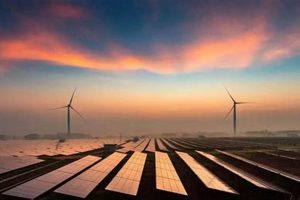
Harnessing the sun’s energy through photovoltaic cells or concentrated solar power offers a virtually limitless source of clean electricity. Large-scale solar farms, rooftop installations, and solar water heaters are examples of how solar energy is integrated into the renewable economy. The decreasing cost of solar technology and its increasing efficiency make it a cornerstone of the global energy transition.
- Wind Energy
Wind turbines convert the kinetic energy of wind into electricity. Onshore and offshore wind farms contribute significantly to the renewable energy mix. Factors such as wind speed, turbine technology, and land availability influence the viability and effectiveness of wind energy projects. Continued technological advancements are driving down costs and increasing the capacity of wind power generation.
- Hydropower
Utilizing the flow of water to generate electricity, hydropower offers a well-established renewable energy source. Dams, pumped storage hydro, and run-of-river systems are different approaches to harnessing water’s potential. While hydropower offers a reliable source of energy, considerations for environmental impact, such as habitat alteration and water flow changes, are essential for responsible development.
- Geothermal Energy
Tapping into the Earth’s internal heat provides a consistent source of energy for electricity generation and direct heating applications. Geothermal power plants and ground-source heat pumps are examples of geothermal energy utilization. The availability of geothermal resources varies geographically, but advancements in exploration and extraction techniques are expanding its potential.
These diverse sustainable resources, each with unique characteristics and applications, offer a pathway to a future powered by clean energy. Their integrated utilization, coupled with ongoing research and development, is essential for establishing a robust and resilient renewable economy capable of meeting global energy demands while mitigating environmental impact.
2. Technological Innovation

Technological innovation is the driving force behind the viability and growth of a renewable economy. Advancements in materials science, energy storage, smart grids, and energy efficiency are essential for overcoming the challenges associated with transitioning from fossil fuels to sustainable energy sources. This progress directly impacts the cost-competitiveness, reliability, and scalability of renewable energy technologies. For instance, improvements in battery technology are crucial for addressing the intermittency of solar and wind power, enabling more effective energy storage and grid integration. Similarly, advancements in smart grid technologies optimize energy distribution, reducing waste and enhancing grid stability. The development of more efficient solar panels and wind turbines further lowers the cost of renewable energy, making it increasingly competitive with traditional energy sources.
The practical significance of these technological advancements is evident in the rapid growth of the renewable energy sector. Examples include the increasing affordability and accessibility of rooftop solar installations, the emergence of large-scale offshore wind farms, and the development of advanced biofuels. These innovations not only reduce reliance on fossil fuels but also create new economic opportunities in manufacturing, installation, and maintenance of renewable energy technologies. Furthermore, technological innovation fosters greater energy independence and security by diversifying energy sources and reducing reliance on imported fossil fuels. Addressing challenges such as the intermittency of renewable energy sources and developing cost-effective energy storage solutions remains crucial for continued growth and widespread adoption.
Continued investment in research and development is crucial for accelerating the transition to a fully realized renewable economy. Overcoming technological hurdles, such as improving energy storage capacity and developing more efficient energy conversion technologies, will further enhance the reliability and affordability of renewable energy. This ongoing innovation will not only drive economic growth and create jobs but also contribute significantly to mitigating climate change and ensuring a sustainable energy future.
3. Economic Growth

Economic growth and a renewable economy are intrinsically linked, exhibiting a reciprocal relationship where one fuels the other. Investment in renewable energy technologies, infrastructure development, and related industries stimulates economic activity, creating jobs and generating revenue. Conversely, a robust economy provides the resources and stability necessary for sustained investment in renewable energy research, development, and deployment. This synergistic relationship creates a positive feedback loop, driving both economic prosperity and a transition to a sustainable energy future. For example, the growth of the solar and wind industries has led to significant job creation in manufacturing, installation, and maintenance, demonstrating the economic benefits of transitioning to renewable energy sources. Similarly, government incentives and policies that support renewable energy investments can stimulate economic activity and attract private sector capital.
The economic benefits of a renewable economy extend beyond direct job creation. Reduced reliance on imported fossil fuels improves a nation’s trade balance and energy security. Moreover, the decentralized nature of many renewable energy technologies, such as rooftop solar, empowers individuals and communities to become energy producers, fostering local economic development and resilience. Investing in renewable energy infrastructure also generates positive externalities, such as improved air quality and reduced healthcare costs associated with pollution from fossil fuels. These benefits contribute to overall societal well-being and create a more sustainable and equitable economic system. For example, the development of local microgrids powered by renewable energy sources can enhance community resilience in the face of natural disasters and power outages.
Realizing the full economic potential of a renewable economy requires a comprehensive approach that includes supportive policies, targeted investments, and international cooperation. Policies that incentivize renewable energy adoption, such as carbon pricing mechanisms and renewable portfolio standards, create a level playing field and encourage private sector investment. Investing in research and development of next-generation renewable energy technologies, such as advanced energy storage solutions and smart grids, is crucial for continued innovation and cost reductions. International collaboration facilitates knowledge sharing, technology transfer, and coordinated efforts to address the global challenge of climate change. Successfully navigating the transition to a renewable economy presents significant economic opportunities for nations, communities, and individuals while simultaneously contributing to a more sustainable and prosperous future.
4. Climate Change Mitigation

Climate change mitigation is inextricably linked to the development and implementation of a renewable economy. The burning of fossil fuels for energy production is a primary driver of greenhouse gas emissions, the leading cause of anthropogenic climate change. Transitioning to a renewable energy system based on sources like solar, wind, hydro, and geothermal power significantly reduces these emissions, offering a crucial pathway for mitigating the impacts of climate change. This transition requires a fundamental shift away from carbon-intensive energy sources towards cleaner alternatives. For example, replacing coal-fired power plants with solar or wind farms directly reduces carbon dioxide emissions, mitigating the contribution to global warming. The practical significance of this connection is underscored by international agreements like the Paris Agreement, which aims to limit global warming by significantly reducing greenhouse gas emissions. A renewable economy is not merely a component of climate change mitigation; it is a fundamental prerequisite for achieving meaningful and sustainable climate action.
The efficacy of a renewable economy in mitigating climate change depends on several factors, including the speed and scale of its implementation, the development and deployment of efficient energy storage technologies, and the implementation of complementary policies that promote energy efficiency and sustainable land use practices. For instance, rapid deployment of renewable energy infrastructure, coupled with advancements in battery technology to address intermittency issues, can accelerate the decarbonization of the energy sector. Furthermore, policies that incentivize energy efficiency in buildings and transportation can amplify the impact of renewable energy deployment by reducing overall energy demand. The integration of sustainable land management practices, such as afforestation and reforestation, can enhance carbon sequestration, further contributing to climate change mitigation. Successful climate mitigation strategies necessitate a holistic approach that considers the interconnectedness of various sectors and leverages the synergistic potential of different mitigation measures.
Transitioning to a renewable economy is not merely an environmental imperative; it is also an economic and social necessity. While the initial investments in renewable energy infrastructure can be substantial, the long-term benefits outweigh the costs. A renewable economy creates new job opportunities, enhances energy security, reduces air pollution, and improves public health. Furthermore, it fosters innovation and technological advancements, driving economic growth and competitiveness. The challenges associated with climate change are significant, but they also present opportunities for transformative change. By embracing a renewable economy, societies can mitigate the risks of climate change while simultaneously building a more sustainable, resilient, and prosperous future. Addressing climate change requires global cooperation, sustained investment, and a commitment to long-term sustainable development.
5. Energy Security
Energy security, the uninterrupted availability of energy sources at an affordable price, is intrinsically linked to the development of a renewable economy. Traditional energy security concerns often revolve around the geopolitical vulnerabilities associated with fossil fuel dependence. A renewable economy, based on domestically sourced and geographically diverse resources, offers a pathway to enhanced energy independence and resilience. This shift reduces reliance on volatile global energy markets and mitigates the risks associated with supply disruptions, price fluctuations, and geopolitical instability. The transition to a renewable economy fundamentally redefines energy security, shifting the focus from securing finite resources to harnessing readily available and sustainable energy sources.
- Resource Availability
Unlike fossil fuels, renewable resources are virtually inexhaustible. Solar, wind, hydro, and geothermal energy are not subject to the same supply constraints as finite resources. This inherent abundance enhances energy security by reducing dependence on imports and mitigating the risks of resource depletion. For example, a nation with significant solar resources can generate its own electricity, reducing its reliance on imported fossil fuels and enhancing its energy independence.
- Supply Chain Resilience
Renewable energy technologies often involve shorter and more localized supply chains compared to fossil fuels. This reduces vulnerability to global supply chain disruptions, such as those caused by geopolitical instability or natural disasters. For instance, manufacturing solar panels or wind turbines domestically creates local jobs and reduces reliance on international supply chains, enhancing energy security. Furthermore, distributed generation models, like rooftop solar, further enhance resilience by decentralizing energy production and reducing reliance on centralized power plants.
- Price Stability
While the initial investment in renewable energy infrastructure can be significant, the operational costs are generally lower than those of fossil fuel-based power plants. Renewable energy sources are not subject to the same price volatility as fossil fuels, which are influenced by global market dynamics and geopolitical events. This price stability contributes to long-term energy security by providing predictable energy costs for consumers and businesses. For example, once a solar or wind farm is operational, the fuel is free, providing price stability compared to fossil fuel-based power plants.
- Geopolitical Stability
A renewable economy reduces dependence on energy imports, which can be a source of geopolitical vulnerability. Countries that rely heavily on imported fossil fuels can be subject to political pressure or supply disruptions. A transition to renewable energy sources enhances energy independence and reduces the leverage of energy-exporting nations, contributing to greater geopolitical stability. For instance, a country that generates its electricity from domestic renewable resources is less vulnerable to geopolitical events that can disrupt fossil fuel supplies.
These interconnected facets of energy security highlight the crucial role of a renewable economy in ensuring a stable, resilient, and sustainable energy future. By diversifying energy sources, reducing reliance on imports, and mitigating the risks associated with volatile global markets, a renewable economy enhances national energy security and promotes global stability. This transition represents not only an environmental imperative but also a strategic investment in long-term economic prosperity and national security. Furthermore, the development and deployment of renewable energy technologies create new economic opportunities, stimulate innovation, and contribute to a more sustainable and equitable energy system.
6. Job Creation
A significant correlation exists between job creation and the transition to a renewable economy. Expanding renewable energy sectors, including solar, wind, hydropower, and geothermal, necessitates a workforce across various skill levels, from manufacturing and installation to maintenance and research. This demand inherently generates employment opportunities, contributing to economic growth and societal well-being. The renewable energy sector’s labor intensity surpasses that of traditional fossil fuel industries, creating more jobs per unit of energy generated. For example, the installation of solar panels requires significantly more labor than the operation of a coal-fired power plant. Furthermore, the decentralized nature of many renewable energy technologies, such as rooftop solar, creates localized job opportunities, benefiting communities directly. Understanding this connection is crucial for policymakers, investors, and stakeholders seeking to maximize the socio-economic benefits of the energy transition.
The types of jobs created within a renewable economy are diverse, encompassing manufacturing, installation, maintenance, research and development, project management, and sales and marketing. Manufacturing jobs involve the production of components for renewable energy technologies, such as solar panels, wind turbine blades, and batteries. Installation jobs focus on deploying these technologies, while maintenance jobs ensure their continued operation and efficiency. Research and development roles drive innovation and improve the performance and cost-effectiveness of renewable energy technologies. Project management positions oversee the development and execution of renewable energy projects, coordinating various stakeholders and ensuring timely completion. Sales and marketing roles promote and distribute renewable energy products and services, driving market adoption. This diversity of roles creates opportunities for individuals with varying skill sets and educational backgrounds, contributing to a more inclusive and equitable workforce.
Investing in a renewable economy is not merely an environmental strategy; it is also an investment in human capital and economic development. The job creation potential of the renewable energy sector offers a pathway to sustainable economic growth, reduced unemployment, and enhanced societal well-being. Moreover, the transition to a renewable economy fosters innovation, technological advancements, and new industries, further driving economic diversification and resilience. Addressing the challenges associated with this transition, such as workforce training and development, requires strategic planning and investment. However, the long-term benefits of a renewable economy, including a robust and diverse job market, outweigh the initial costs, contributing to a more sustainable and prosperous future for all.
7. Infrastructure Development

Infrastructure development is a critical component of a successful transition to a renewable economy. It encompasses the physical structures, systems, and networks necessary to support the generation, transmission, distribution, and utilization of renewable energy. Adequate infrastructure is essential for integrating renewable energy sources into existing grids, ensuring reliable power supply, and maximizing the benefits of a sustainable energy system. Without robust infrastructure, the growth and effectiveness of a renewable economy are significantly constrained. Investment in infrastructure modernization and expansion is, therefore, a prerequisite for a successful and sustainable energy transition. This includes not only the physical infrastructure but also the regulatory frameworks and market mechanisms that facilitate its development and operation.
- Grid Modernization
Modernizing existing power grids is crucial for accommodating the unique characteristics of renewable energy sources. Traditional grids, designed for centralized power generation from fossil fuel plants, are often ill-equipped to handle the intermittent nature of solar and wind power. Grid modernization involves upgrading transmission lines, incorporating smart grid technologies, and enhancing grid flexibility to manage fluctuations in renewable energy generation. For example, advanced grid management systems can optimize energy flow, balancing supply and demand and ensuring grid stability even with intermittent renewable sources. This modernization is essential for maximizing the integration of renewable energy and minimizing curtailment, which occurs when renewable energy generation exceeds grid capacity.
- Transmission Expansion
Expanding transmission infrastructure is necessary to transport renewable energy from generation sites, which are often located in remote areas with abundant resources, to population centers where the energy is consumed. Building new transmission lines and upgrading existing ones enables efficient and reliable delivery of renewable energy across wider geographic areas. For instance, connecting large-scale solar farms in deserts to urban areas requires significant investment in transmission infrastructure. This expansion not only facilitates the integration of renewable energy but also enhances grid resilience and reliability by diversifying energy sources and reducing reliance on centralized power plants.
- Energy Storage
Energy storage technologies play a vital role in addressing the intermittency of renewable energy sources. Batteries, pumped hydro storage, and other storage solutions enable the capture and storage of excess renewable energy generated during periods of high production, such as sunny or windy days. This stored energy can then be released during periods of low production or high demand, ensuring a consistent and reliable power supply. For example, battery storage systems can store excess solar energy generated during the day and release it during the evening peak demand hours, reducing reliance on fossil fuel-based peaker plants. Developing and deploying cost-effective and efficient energy storage solutions is critical for maximizing the utilization of renewable energy and ensuring grid stability.
- Distributed Generation
Distributed generation, which involves generating electricity closer to the point of consumption, is a key aspect of a renewable energy infrastructure. Rooftop solar panels, small-scale wind turbines, and community solar projects are examples of distributed generation. This approach reduces transmission losses, enhances grid resilience, and empowers individuals and communities to become energy producers. For instance, rooftop solar installations reduce the need for extensive transmission infrastructure and provide backup power during grid outages. Promoting and facilitating distributed generation through supportive policies and incentives is essential for maximizing the benefits of a renewable economy.
These interconnected infrastructure components are essential for the successful transition to a renewable economy. Investing in grid modernization, transmission expansion, energy storage, and distributed generation creates a foundation for a reliable, resilient, and sustainable energy system. This infrastructure development not only facilitates the integration of renewable energy sources but also stimulates economic growth, creates jobs, and enhances energy security. A comprehensive and strategic approach to infrastructure development is, therefore, crucial for realizing the full potential of a renewable economy and achieving a sustainable energy future.
Frequently Asked Questions about a Renewable Energy-Based Economy
This section addresses common inquiries regarding the transition to and operation of an economy powered primarily by renewable energy sources. Clear and concise answers are provided to foster understanding and address potential concerns.
Question 1: How does an economy based on renewable energy sources impact energy reliability?
Renewable energy sources, such as solar and wind, are inherently intermittent. However, grid management strategies, including diversification of renewable resources, energy storage solutions, and grid interconnections, mitigate intermittency and ensure reliable power supply. Advancements in forecasting technologies further enhance grid stability by predicting fluctuations in renewable energy generation.
Question 2: What is the economic impact of transitioning to an economy powered by renewable energy?
Transitioning to a renewable energy-based economy typically generates economic growth through job creation in manufacturing, installation, maintenance, and research. It also stimulates innovation, attracts investment, and reduces reliance on imported fuels, improving trade balances. Furthermore, reduced air pollution leads to lower healthcare costs and improved public health.
Question 3: How does an economy based on renewable energy sources address national energy security concerns?
Renewable energy resources are domestically sourced and geographically diverse, reducing reliance on imported fuels and enhancing energy independence. This diversification mitigates risks associated with geopolitical instability, supply disruptions, and price volatility in global energy markets. Domestic control over energy resources strengthens national energy security.
Question 4: What infrastructure developments are necessary to support an economy based on renewable energy?
Grid modernization, including smart grid technologies and enhanced transmission infrastructure, is essential for integrating renewable energy sources. Investments in energy storage solutions, such as batteries and pumped hydro, address intermittency challenges. Distributed generation, like rooftop solar, enhances grid resilience and reduces transmission losses.
Question 5: How does reliance on renewable energy sources impact climate change?
Renewable energy sources produce minimal greenhouse gas emissions compared to fossil fuels. Transitioning to a renewable energy-based economy significantly reduces carbon emissions, mitigating the impacts of climate change and contributing to a more sustainable environment. This shift aligns with global efforts to limit global warming and achieve climate neutrality.
Question 6: What are the environmental impacts of renewable energy technologies?
While renewable energy technologies generally have a lower environmental impact than fossil fuels, some environmental considerations exist. These can include land use requirements for solar and wind farms, habitat impacts from hydropower projects, and material sourcing for manufacturing components. Life-cycle assessments and careful planning minimize these impacts, ensuring sustainable development.
Understanding the multifaceted nature of a renewable energy-based economy is crucial for informed decision-making and effective policy implementation. The transition to a sustainable energy future requires a comprehensive approach that considers economic, environmental, and social factors.
The next section explores specific case studies of successful transitions to renewable energy-based economies, offering practical examples and insights.
Conclusion
Exploration of a system powered by sustainable resources reveals its multifaceted nature, encompassing technological innovation, economic growth, climate change mitigation, enhanced energy security, job creation, and necessary infrastructure development. The transition represents not merely a shift in energy sources, but a fundamental restructuring of economic systems, energy policies, and societal priorities. Successfully navigating this transition requires a comprehensive understanding of the interconnected challenges and opportunities presented by a renewable energy landscape.
The imperative for a global transition to a sustainable energy future is undeniable. A renewable energy-based economy offers a pathway to mitigate climate change, enhance energy security, stimulate economic growth, and create a more sustainable and equitable future. The challenges inherent in this transformation require collaborative efforts, innovative solutions, and sustained commitment from governments, industries, and individuals. Embracing the potential of a renewable economy is not merely a choice, but a necessary step towards ensuring a habitable and prosperous future for generations to come.