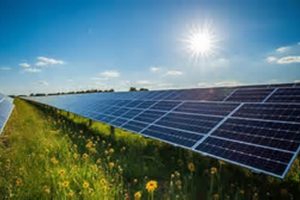
Clean energy sources, such as solar, wind, hydro, geothermal, and biomass, offer numerous advantages over traditional fossil fuels. These alternatives produce power without emitting greenhouse gases, a significant contributor to climate change. For instance, a solar panel converts sunlight directly into electricity, leaving no harmful byproducts.
The increasing adoption of these technologies presents significant opportunities for environmental protection, economic growth, and energy security. Historically, reliance on finite fossil fuels has led to geopolitical instability and price volatility. Clean energy offers a path towards greater energy independence and stable pricing, while simultaneously mitigating the detrimental effects of pollution on public health and ecosystems. The transition to sustainable energy systems is crucial for a healthy planet and a sustainable future.
The following sections will delve into the specific advantages of various clean energy technologies, exploring their applications, potential, and contribution to a more sustainable energy landscape. Furthermore, the economic implications of this transition, including job creation and investment opportunities, will be examined.
Tips for Transitioning to Cleaner Energy Sources
Shifting towards sustainable energy practices offers numerous advantages. The following tips provide guidance for individuals, businesses, and communities seeking to embrace cleaner energy solutions.
Tip 1: Conduct an Energy Audit: Evaluating current energy consumption patterns is crucial. An energy audit can identify areas for improvement and potential energy savings, informing decisions about the most effective clean energy investments.
Tip 2: Explore Renewable Energy Options: Research available renewable energy technologies suitable for specific needs and locations. Factors such as geographic location, available space, and energy demands influence the suitability of different technologies like solar, wind, or geothermal.
Tip 3: Invest in Energy-Efficient Appliances: Replacing outdated appliances with energy-efficient models significantly reduces energy consumption and lowers utility bills. Look for appliances with high energy-efficiency ratings.
Tip 4: Improve Building Insulation: Proper insulation minimizes energy loss from heating and cooling systems. This simple measure can substantially reduce energy waste and improve overall building efficiency.
Tip 5: Support Sustainable Transportation: Consider using public transportation, cycling, walking, or electric vehicles. Reducing reliance on fossil fuel-powered vehicles contributes significantly to lowering carbon emissions.
Tip 6: Advocate for Policy Changes: Supporting policies that promote clean energy development and adoption is essential for accelerating the transition to a sustainable energy future. Engage with local and national governments to advocate for renewable energy initiatives.
Tip 7: Educate and Engage Your Community: Sharing information about the benefits of clean energy and sustainable practices encourages wider adoption and fosters a collective effort towards a cleaner environment.
Adopting these strategies not only reduces environmental impact but also contributes to long-term cost savings and enhanced energy security. These individual and collective actions are crucial for paving the way toward a more sustainable future.
By understanding the advantages of clean energy and implementing practical strategies, a significant contribution can be made towards a cleaner, more sustainable, and energy-secure future. The subsequent concluding section will summarize the key takeaways and reinforce the importance of embracing clean energy solutions.
1. Environmental Protection

Environmental protection is a core benefit derived from the transition to clean energy. Shifting away from fossil fuels significantly reduces the environmental impact associated with energy production and consumption, offering a pathway towards a healthier and more sustainable planet. This involves mitigating various forms of pollution and preserving natural resources.
- Reduced Air Pollution:
Clean energy sources produce minimal to no air pollutants, unlike fossil fuels that release harmful substances like sulfur dioxide, nitrogen oxides, and particulate matter. These pollutants contribute to respiratory illnesses, acid rain, and smog. The adoption of clean energy, such as solar and wind power, significantly improves air quality, leading to demonstrable public health benefits and ecosystem recovery.
- Greenhouse Gas Mitigation:
A primary driver behind climate change is the emission of greenhouse gases from the burning of fossil fuels. Clean energy sources offer a solution by producing energy without these emissions. This mitigation is crucial for stabilizing the climate, preventing further global warming, and minimizing the associated risks of extreme weather events, sea-level rise, and disruptions to ecological systems.
- Water Conservation:
While some clean energy technologies, such as hydropower, require water resources, many, including solar and wind, have minimal water footprints compared to conventional power generation. Fossil fuel extraction and processing often consume substantial amounts of water, and thermal power plants require large volumes for cooling. Clean energy deployment can contribute to water conservation, particularly in water-stressed regions.
- Ecosystem Preservation:
Fossil fuel extraction activities, such as mining and drilling, can disrupt and damage sensitive ecosystems. Clean energy sources minimize such disruptions. By reducing pollution and land degradation, clean energy helps preserve biodiversity, protect habitats, and maintain the overall health of ecosystems.
These environmental benefits are integral to the broader advantages of clean energy. The transition to clean energy systems supports a healthier planet, mitigates the risks of climate change, and safeguards natural resources for future generations. By prioritizing clean energy, societies can pursue a more sustainable and environmentally responsible path towards energy production and consumption.
2. Economic Growth

Clean energy technologies offer significant potential for stimulating economic growth. The transition to cleaner energy systems creates new industries, generates employment opportunities, attracts investments, and fosters innovation. This shift reduces reliance on volatile fossil fuel markets, leading to greater price stability and enhanced energy security, which, in turn, supports broader economic stability.
The renewable energy sector is a substantial source of job creation. Manufacturing, installation, maintenance, and research related to solar, wind, and other clean energy technologies require a skilled workforce. Furthermore, investments in clean energy infrastructure stimulate economic activity and create indirect employment opportunities in related sectors. For instance, the growth of the electric vehicle industry drives demand for battery production and charging infrastructure, generating further economic benefits. The declining costs of renewable energy technologies make them increasingly competitive with fossil fuels, attracting private investment and fostering market growth. This competition drives innovation and further cost reductions, creating a positive feedback loop that accelerates the transition to a clean energy economy. Countries like Denmark and Germany, with significant investments in renewable energy, have demonstrated the potential for substantial economic growth driven by clean energy industries.
A diversified energy portfolio that incorporates clean energy sources enhances energy independence and reduces vulnerability to price fluctuations in global fossil fuel markets. This stability fosters a more predictable business environment, encouraging investment and long-term economic planning. Reduced reliance on fossil fuel imports also improves a nation’s trade balance and strengthens its currency. Ultimately, the transition to clean energy offers a pathway towards sustainable economic growth, decoupled from the environmental and economic costs associated with fossil fuel dependence. While challenges remain in terms of infrastructure development and workforce training, the economic benefits of clean energy are increasingly evident and represent a significant driver of the global shift towards a sustainable energy future.
3. Energy Security

Energy security is intrinsically linked to the benefits of clean energy. It represents the ability of a nation or region to reliably access affordable and sustainable energy sources to meet its needs. Overreliance on imported fossil fuels creates vulnerabilities to geopolitical instability, price volatility, and supply disruptions. Clean energy sources, being predominantly domestic and inexhaustible, offer a pathway to greater energy independence and resilience.
Consider the example of a nation heavily dependent on imported oil. Political instability in an oil-producing region could lead to supply disruptions, price spikes, and economic hardship. However, by investing in domestic clean energy resources, such as wind or solar power, that nation can reduce its dependence on foreign energy sources and mitigate these risks. This diversification of energy sources enhances energy security and strengthens national resilience to external shocks. Furthermore, the distributed nature of many clean energy technologies, such as rooftop solar panels, increases resilience to large-scale grid failures. Localized power generation can maintain essential services during emergencies, further enhancing energy security at the community level.
The transition to clean energy is not merely an environmental imperative but a strategic necessity for enhancing energy security. While challenges remain in terms of infrastructure development and grid integration, the long-term benefits of reduced reliance on volatile global energy markets are undeniable. By investing in clean energy technologies, nations can enhance their energy independence, improve economic stability, and build a more secure energy future. This pursuit of energy security through clean energy adoption is crucial for sustainable development and national resilience in an increasingly interconnected world.
4. Resource Availability

Resource availability is a critical factor in evaluating the long-term viability and sustainability of energy systems. Unlike fossil fuels, which are finite and geographically concentrated, clean energy resources are virtually inexhaustible and widely distributed. This inherent characteristic of clean energy technologies contributes significantly to their overall benefits and strengthens their position as a cornerstone of a sustainable energy future.
- Solar Energy:
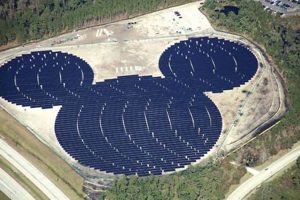
Solar energy, derived from sunlight, is abundantly available across the globe. While solar irradiance varies geographically and seasonally, technological advancements continue to improve the efficiency of solar panels, making solar power a viable option in a wide range of locations. Examples include large-scale solar farms in desert regions and rooftop solar installations in urban areas. The widespread availability of sunlight ensures a consistent and reliable energy source, reducing reliance on finite resources.
- Wind Energy:
Wind energy harnesses the kinetic energy of wind using turbines. Coastal regions, open plains, and mountainous areas often possess favorable wind resources. Offshore wind farms, for instance, capitalize on stronger and more consistent winds over the ocean. Like solar energy, wind energy is a renewable resource, ensuring a continuous supply of energy without depleting natural resources.
- Hydropower:
Hydropower utilizes the potential energy of water stored at elevation. Dams and reservoirs facilitate the generation of electricity from flowing water. While hydropower offers a reliable and established clean energy source, its availability is geographically constrained to regions with suitable water resources. Additionally, environmental considerations related to dam construction and water management are crucial factors in hydropower development.
- Geothermal Energy:
Geothermal energy taps into the Earth’s internal heat. Geothermal power plants utilize steam or hot water from underground reservoirs to generate electricity. While geothermal resources are not uniformly distributed, they offer a consistent and reliable energy source in regions with geothermal activity. Iceland, for example, extensively utilizes geothermal energy for electricity generation and heating.
The diverse and abundant nature of clean energy resources enhances energy security and reduces reliance on finite fossil fuels. This inherent advantage of clean energy technologies strengthens their role in building a sustainable energy future. The transition to clean energy, driven by the availability of these resources, offers a pathway towards greater energy independence, reduced environmental impact, and a more resilient energy infrastructure. While the geographic distribution and specific characteristics of each resource require careful consideration, the overall abundance of renewable resources positions clean energy as a cornerstone of a sustainable and secure energy landscape.
5. Technological Innovation
Technological innovation plays a crucial role in realizing the benefits of clean energy. Advancements in materials science, manufacturing processes, and grid integration technologies are essential for improving the efficiency, affordability, and reliability of clean energy systems. These innovations drive cost reductions, enhance performance, and expand the range of applications for clean energy technologies, accelerating the global transition towards a sustainable energy future.
- Improved Energy Storage:
Efficient and cost-effective energy storage solutions are critical for addressing the intermittency of renewable energy sources like solar and wind. Advances in battery technology, pumped hydro storage, and other storage methods are enhancing grid stability and enabling greater integration of renewable energy. For example, the development of advanced lithium-ion batteries with higher energy density and longer lifespans is facilitating the wider adoption of electric vehicles and grid-scale energy storage systems.
- Smart Grid Technologies:
Smart grids leverage digital technologies to optimize electricity distribution and consumption. These intelligent networks enhance grid stability, improve energy efficiency, and facilitate the integration of distributed renewable energy resources. Real-time monitoring and control systems enable dynamic pricing, demand response programs, and improved grid management, maximizing the utilization of clean energy and minimizing transmission losses. Examples include smart meters that provide consumers with real-time energy usage data and grid management software that optimizes energy flow based on supply and demand.
- Advanced Materials for Renewable Energy:
The development of new materials with enhanced properties is crucial for improving the performance and durability of clean energy technologies. For instance, advancements in photovoltaic materials are increasing the efficiency of solar panels while reducing manufacturing costs. Similarly, the development of lightweight and high-strength composites is improving the performance and cost-effectiveness of wind turbine blades. These material advancements contribute to the overall efficiency and competitiveness of clean energy technologies.
- Artificial Intelligence and Machine Learning:
Artificial intelligence (AI) and machine learning (ML) are playing an increasingly important role in optimizing clean energy systems. AI algorithms can predict energy demand, optimize energy storage dispatch, and improve the efficiency of renewable energy generation. For example, ML algorithms can analyze weather patterns to forecast solar and wind power output, enabling grid operators to optimize energy management strategies and ensure grid stability. These intelligent systems enhance the overall performance and reliability of clean energy infrastructure.
These technological advancements are key drivers of the ongoing clean energy revolution. They contribute to cost reductions, performance improvements, and increased deployment of clean energy technologies, accelerating the global transition to a more sustainable, reliable, and affordable energy future. Continued investment in research and development is essential for unlocking the full potential of clean energy and realizing its multifaceted benefits for both the environment and the economy.
6. Public Health Improvement
Public health improvement is a significant benefit linked to the adoption of clean energy. Transitioning away from fossil fuels directly addresses a major source of air and water pollution, leading to demonstrable improvements in public health outcomes and a reduction in the societal burden of pollution-related illnesses. This connection hinges on the reduction of harmful emissions and the subsequent positive impacts on respiratory and cardiovascular health, among other benefits.
Combustion of fossil fuels releases pollutants such as particulate matter, nitrogen oxides, and sulfur dioxide, contributing significantly to respiratory illnesses like asthma and bronchitis, as well as cardiovascular diseases. These pollutants also exacerbate existing health conditions and increase mortality rates, particularly among vulnerable populations like children and the elderly. Studies have consistently demonstrated a correlation between air pollution levels and adverse health effects. For instance, research has shown a decrease in respiratory hospitalizations and emergency room visits following the implementation of policies promoting clean energy and reducing air pollution in cities like London and Los Angeles. Shifting to clean energy sources like solar and wind power significantly reduces these harmful emissions, leading to cleaner air and improved respiratory health. The decreased reliance on fossil fuels also mitigates the release of heavy metals and other toxins into water sources, protecting drinking water quality and reducing the risk of waterborne illnesses. These improvements in air and water quality translate to tangible public health benefits, including reduced healthcare costs, increased worker productivity, and an overall improvement in quality of life.
The transition to clean energy represents a crucial step towards creating healthier communities and mitigating the adverse health impacts associated with fossil fuel pollution. While challenges remain in ensuring equitable access to clean energy and addressing the health impacts of legacy pollution, the public health benefits of clean energy adoption are undeniable. These improvements in public health underscore the importance of clean energy as a critical component of sustainable development and a healthier future for all. Further research and policy initiatives focused on integrating public health considerations into energy planning can maximize these benefits and contribute to a more sustainable and equitable future.
Frequently Asked Questions about Clean Energy Benefits
This section addresses common inquiries regarding the advantages of transitioning to clean energy systems. Understanding these aspects is crucial for informed decision-making and fostering broader adoption of sustainable energy solutions.
Question 1: How does clean energy contribute to economic growth?
Clean energy stimulates economic growth by creating jobs in manufacturing, installation, maintenance, and research within the renewable energy sector. It also attracts investments, fosters innovation, and enhances energy independence, leading to greater economic stability.
Question 2: What is the impact of clean energy on energy security?
Clean energy enhances energy security by reducing reliance on imported fossil fuels, mitigating vulnerabilities to geopolitical instability and price volatility. Domestically sourced renewable energy provides greater control over energy production and strengthens national energy independence.
Question 3: How does clean energy improve public health?
Clean energy reduces air and water pollution associated with fossil fuel combustion, resulting in improved respiratory and cardiovascular health. This, in turn, leads to lower healthcare costs and a higher quality of life.
Question 4: What role does technological innovation play in clean energy development?
Technological advancements are crucial for improving the efficiency, affordability, and reliability of clean energy systems. Innovations in areas like energy storage, smart grids, and advanced materials drive cost reductions and accelerate the adoption of clean energy technologies.
Question 5: How does the availability of clean energy resources compare to fossil fuels?
Unlike finite fossil fuels, clean energy resources like solar, wind, and hydro are virtually inexhaustible and geographically distributed. This ensures long-term energy availability and reduces dependence on geographically concentrated resources.
Question 6: What are the environmental benefits of transitioning to clean energy?
Clean energy mitigates greenhouse gas emissions, reduces air and water pollution, and minimizes ecosystem disruption associated with fossil fuel extraction. This contributes to a healthier environment, protects biodiversity, and mitigates the risks of climate change.
Addressing these common questions provides a clearer understanding of the comprehensive benefits associated with clean energy adoption. These advantages collectively contribute to a more sustainable, secure, and prosperous future.
The following section offers a conclusion, summarizing the key takeaways and reinforcing the importance of embracing clean energy for a sustainable future.
Conclusion
The exploration of the benefits of clean energy reveals a compelling case for its widespread adoption. From mitigating climate change and improving public health to enhancing energy security and stimulating economic growth, the advantages are multifaceted and far-reaching. Clean energy technologies offer a pathway towards a more sustainable and prosperous future, decoupled from the environmental and economic costs associated with fossil fuel dependence. The abundance and diversity of clean energy resources, coupled with continuous technological innovation, position clean energy as a cornerstone of a resilient and secure energy landscape.
The transition to a clean energy future requires concerted efforts from governments, industries, and individuals. Policy frameworks that incentivize clean energy development and adoption, coupled with sustained investments in research and innovation, are crucial for accelerating this transition. Embracing clean energy is not merely a technological choice but a societal imperative, essential for safeguarding the planet and ensuring a healthy, prosperous future for generations to come. The time for decisive action is now, to fully realize the transformative potential of clean energy and build a truly sustainable world.