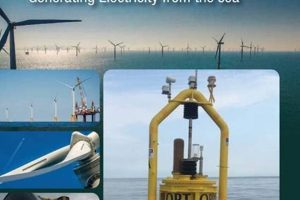
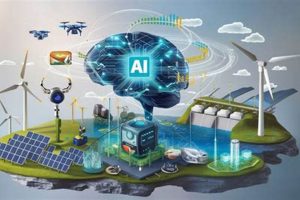
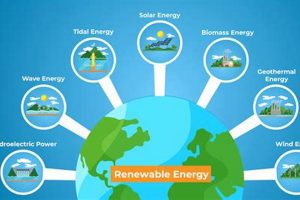
The process of researching, designing, and implementing technologies that harness naturally replenishing resources like sunlight, wind, water, and geothermal heat for power generation is essential for a sustainable future. For example, constructing a solar farm or implementing a tidal energy system transforms naturally occurring energy into usable electricity.
This pursuit of sustainable power offers numerous advantages, including reduced reliance on finite fossil fuels, mitigation of greenhouse gas emissions, and enhanced energy security. Historically, energy production relied heavily on polluting, non-renewable resources. The shift towards sustainable practices presents an opportunity to address climate change and create a more resilient energy infrastructure. Moreover, it fosters innovation and economic growth within the burgeoning clean energy sector.
This article will further explore key aspects of sustainable power generation, including technological advancements, economic considerations, policy implications, and environmental impacts. It will also examine the challenges and opportunities associated with widespread adoption of these vital technologies.
Tips for Advancing Sustainable Power Generation
Strategic planning and informed decision-making are crucial for successful implementation of sustainable energy solutions. The following tips provide guidance for navigating the complexities of this critical field.
Tip 1: Conduct Thorough Resource Assessments: Accurate evaluation of available resources, such as wind speed, solar irradiance, or geothermal potential, is fundamental for optimizing project design and maximizing energy output. Geospatial analysis and on-site measurements are essential for this process.
Tip 2: Embrace Technological Advancements: Continuous innovation in materials science, energy storage, and power electronics drives efficiency improvements and cost reductions. Staying abreast of the latest developments is vital for competitiveness.
Tip 3: Foster Community Engagement: Public acceptance and support are critical for project success. Transparent communication, addressing community concerns, and fostering local partnerships build trust and facilitate smooth implementation.
Tip 4: Implement Supportive Policies: Government incentives, streamlined permitting processes, and carbon pricing mechanisms can stimulate investment and accelerate the transition to sustainable energy systems.
Tip 5: Prioritize Grid Modernization: Integrating intermittent renewable sources requires robust and adaptable grid infrastructure. Investments in smart grids, energy storage solutions, and grid management technologies are essential for reliability and stability.
Tip 6: Consider Environmental Impacts: Minimizing the environmental footprint of projects through careful site selection, habitat preservation, and mitigation strategies is paramount for sustainable development.
Tip 7: Diversify Energy Portfolios: Combining different renewable energy sources enhances resilience, reduces reliance on any single technology, and optimizes energy output based on resource availability.
By adhering to these principles, stakeholders can contribute to the growth of a robust and sustainable energy sector, maximizing the benefits for both the environment and the economy.
This foundational knowledge paves the way for a deeper exploration of the specific technologies, policies, and economic considerations driving the transition to a cleaner energy future. The following sections will delve into these topics in greater detail.
1. Resource Availability

Resource availability forms the bedrock of renewable energy development. The type, scale, and feasibility of renewable energy projects are intrinsically linked to the geographical presence and abundance of resources such as solar irradiance, wind speeds, geothermal activity, and water flow. Regions with high solar irradiance are naturally suited for large-scale solar farms, while consistently strong winds favor wind turbine installations. Geothermal power plants require access to geologically active areas with sufficient heat flow. Similarly, hydropower projects depend on reliable water sources. The assessment of resource availability, therefore, becomes a crucial first step in planning and implementing any renewable energy project. For example, the Sahara Desert’s vast solar potential makes it an attractive location for concentrated solar power projects, while coastal regions with strong tidal currents offer opportunities for tidal energy generation.
Careful consideration of resource availability extends beyond mere presence to encompass factors such as intermittency and variability. Solar and wind power, for instance, are inherently intermittent, requiring energy storage solutions or grid management strategies to ensure a stable power supply. Resource assessment must account for these fluctuations to accurately predict energy output and design appropriate supporting infrastructure. Hydropower projects, while generally more consistent, can be affected by seasonal variations in rainfall. A comprehensive understanding of these patterns allows for optimized project design and minimizes potential disruptions. In practical terms, this means integrating forecasting models and advanced control systems to manage intermittency and ensure reliable power delivery.
Accurate and detailed resource assessments are paramount for successful renewable energy development. They inform investment decisions, optimize project design, and minimize risks. Advanced mapping technologies, meteorological data analysis, and geological surveys provide the necessary information for informed decision-making. This understanding of resource availability guides the selection of appropriate technologies, determines project feasibility, and ultimately shapes the transition to a sustainable energy future. Failure to adequately assess resource availability can lead to project delays, cost overruns, and underperformance, highlighting the critical nature of this initial step.
2. Technological Advancements

Technological advancements play a crucial role in the development of renewable energy, driving cost reductions, efficiency improvements, and expanding the feasibility of various technologies. Advancements in photovoltaic cell technology, for instance, have led to significant increases in solar panel efficiency and a dramatic decrease in the cost of solar energy. Similarly, improvements in wind turbine design, including larger rotor diameters and more efficient generators, have boosted energy capture and reduced the cost of wind power. These advancements make renewable energy sources increasingly competitive with traditional fossil fuels.
Further examples of impactful technological advancements include the development of advanced energy storage systems, such as lithium-ion batteries and pumped hydro storage, which address the intermittency challenges associated with solar and wind power. Smart grid technologies, incorporating advanced sensors, data analytics, and automation, optimize grid management and facilitate the integration of distributed renewable energy resources. Furthermore, advancements in materials science, such as the development of lightweight and durable composites for wind turbine blades and more efficient solar cell materials, contribute to performance improvements and cost reductions. These ongoing innovations continually enhance the viability and effectiveness of renewable energy solutions.
The practical significance of these technological advancements is profound. They drive down the cost of renewable energy, making it more accessible to consumers and businesses. Increased efficiency translates to greater energy output from existing resources. Advanced energy storage and smart grid technologies enable a more reliable and stable power supply from intermittent renewable sources. These advancements collectively accelerate the transition towards a sustainable energy future, reducing reliance on fossil fuels, mitigating climate change, and enhancing energy security. Continued investment in research and development is essential to further unlock the potential of renewable energy and address the remaining technical challenges.
3. Economic Viability

Economic viability is a cornerstone of successful renewable energy development. The long-term sustainability of any renewable energy project hinges on its ability to compete with conventional energy sources and deliver a return on investment. Factors influencing economic viability include capital costs, operating and maintenance expenses, energy yield, financing mechanisms, and prevailing market prices for electricity. Favorable government policies, such as tax incentives and feed-in tariffs, can significantly enhance the economic attractiveness of renewable energy projects. For example, the declining cost of solar photovoltaic panels has made solar energy increasingly competitive with fossil fuels in many regions, driving substantial growth in the solar industry. Similarly, government subsidies and tax credits can make wind energy projects economically viable in areas with sufficient wind resources.
Analyzing the economic viability of renewable energy projects requires a comprehensive assessment of both costs and benefits. The initial capital costs of renewable energy installations can be substantial, encompassing equipment, land acquisition, permitting, and construction. However, operating and maintenance costs are typically lower than those of conventional power plants. Predicting long-term energy yield is crucial for estimating revenue streams and assessing project profitability. Factors like resource availability, technological efficiency, and project lifespan influence energy yield projections. Furthermore, access to financing and favorable interest rates play a vital role in determining the overall economic feasibility of renewable energy projects. For instance, innovative financing models, such as power purchase agreements (PPAs), can reduce upfront costs and facilitate project development.
Understanding the economic viability of renewable energy projects is crucial for investors, policymakers, and project developers. Sound economic analysis informs investment decisions, guides policy formulation, and ensures the long-term sustainability of renewable energy initiatives. By carefully considering factors such as costs, revenues, and market dynamics, stakeholders can make informed decisions that contribute to the growth of a robust and sustainable energy sector. The practical significance of this understanding lies in its ability to drive investment, accelerate the deployment of renewable energy technologies, and ultimately contribute to a cleaner and more secure energy future. Challenges such as grid integration costs and the intermittency of some renewable resources must also be factored into economic assessments to ensure accurate and comprehensive evaluations.
4. Environmental Impact
Environmental impact is a critical consideration in developing renewable energy, representing a complex interplay of benefits and potential drawbacks. While renewable energy sources offer a pathway to decarbonizing the energy sector and mitigating climate change, their implementation can still have environmental consequences that require careful assessment and mitigation strategies. Understanding these impacts is crucial for ensuring sustainable development and maximizing the environmental benefits of renewable energy technologies.
- Habitat Disruption and Land Use
Renewable energy projects, particularly large-scale solar and wind farms, can alter land use patterns and potentially disrupt wildlife habitats. Solar farms require significant land areas, potentially impacting ecosystems and agricultural land. Wind turbines, while having a smaller footprint, can pose risks to birds and bats through collisions. Careful site selection, environmental impact assessments, and mitigation measures, such as habitat restoration and wildlife corridors, are essential for minimizing these impacts. For example, siting solar farms on brownfields or already disturbed land can minimize habitat disruption. Similarly, careful placement of wind turbines and implementing radar-based shutdown systems can reduce bird and bat fatalities.
- Water Usage
Certain renewable energy technologies, such as hydropower and concentrated solar power, require substantial amounts of water for operation. Hydropower dams can alter river flows, impacting aquatic ecosystems and water availability downstream. Concentrated solar power plants utilize water for cooling, which can be a concern in water-stressed regions. Minimizing water usage through efficient technologies and careful water management practices is crucial for mitigating these impacts. For example, dry cooling systems can reduce water consumption in concentrated solar power plants, while optimizing dam operations can minimize disruptions to river ecosystems.
- Manufacturing and Material Sourcing
The manufacturing of renewable energy technologies, such as solar panels and wind turbines, requires raw materials and manufacturing processes that can have environmental impacts. Mining for materials like rare earth minerals, used in some wind turbine components, can cause land degradation and water pollution. The production of solar panels involves the use of chemicals and energy-intensive processes. Life-cycle assessments and sustainable manufacturing practices are crucial for minimizing the environmental footprint of renewable energy technologies. For instance, recycling and reusing materials from decommissioned wind turbines and solar panels can reduce the need for new mining activities.
- Waste Management
Decommissioned renewable energy equipment, such as solar panels and wind turbine blades, generates waste that requires proper management. Recycling and repurposing strategies are essential for minimizing landfill disposal and recovering valuable materials. Developing environmentally sound disposal and recycling methods is crucial for ensuring the long-term sustainability of the renewable energy sector. For example, research into recyclable wind turbine blade materials and efficient solar panel recycling processes is crucial for minimizing waste and recovering valuable resources.
Addressing these environmental impacts effectively is crucial for realizing the full potential of renewable energy. By integrating environmental considerations into project planning, design, and implementation, the transition to a sustainable energy future can be achieved while minimizing negative environmental consequences. This holistic approach ensures that the benefits of renewable energy are maximized while safeguarding ecological integrity. Furthermore, ongoing research and innovation in areas such as sustainable materials, efficient recycling processes, and environmentally sensitive siting practices will further enhance the environmental performance of renewable energy technologies.
5. Policy and Regulation

Policy and regulation play a pivotal role in shaping the development and deployment of renewable energy technologies. Supportive policies and regulations can create an enabling environment for investment, innovation, and market growth, while poorly designed policies can hinder progress and create barriers to adoption. Understanding the interplay between policy and regulation and renewable energy development is crucial for effective policymaking and achieving a sustainable energy transition.
- Incentives and Subsidies
Financial incentives, such as tax credits, rebates, and feed-in tariffs, can significantly influence the economic viability of renewable energy projects. These incentives can reduce upfront costs, increase return on investment, and stimulate market demand for renewable energy technologies. For example, the Investment Tax Credit (ITC) in the United States has played a significant role in driving growth in the solar industry. Similarly, feed-in tariffs, which guarantee a fixed price for renewable energy fed into the grid, have proven effective in promoting renewable energy deployment in several European countries. The effectiveness of these incentives depends on their design, implementation, and long-term stability.
- Renewable Portfolio Standards (RPS)
Renewable Portfolio Standards (RPS) mandate that a certain percentage of electricity generation comes from renewable sources. These policies create a market for renewable energy by requiring utilities and electricity suppliers to procure a specified amount of renewable energy. RPS policies have been instrumental in driving renewable energy growth in many states and countries. For instance, California’s RPS requires 60% of electricity to come from renewable sources by 2030. The stringency of RPS targets and the mechanisms for compliance significantly influence their effectiveness.
- Permitting and Approval Processes
Streamlined and efficient permitting and approval processes are essential for facilitating the timely development of renewable energy projects. Complex and lengthy permitting procedures can delay projects, increase costs, and create uncertainty for investors. Clear regulations, standardized procedures, and designated permitting timelines can help accelerate project development and reduce administrative burdens. For example, designating specific zones for renewable energy development can simplify the permitting process and minimize environmental review timelines. Effective coordination among different government agencies involved in the permitting process is also crucial for efficient project approval.
- Carbon Pricing Mechanisms
Carbon pricing mechanisms, such as carbon taxes or cap-and-trade systems, internalize the environmental cost of carbon emissions. By putting a price on carbon pollution, these policies incentivize the shift towards cleaner energy sources, including renewables. Carbon pricing can create a level playing field for renewable energy by accounting for the negative externalities associated with fossil fuels. For example, the European Union Emissions Trading System (EU ETS) is a cap-and-trade program that has contributed to emissions reductions in the power sector. The effectiveness of carbon pricing depends on the price level, coverage, and how revenues are utilized.
These policy and regulatory mechanisms are interconnected and influence various aspects of renewable energy development, from project financing and market demand to environmental impacts and social acceptance. Well-designed policies can create a virtuous cycle, driving innovation, reducing costs, and accelerating the transition to a sustainable energy future. Conversely, ineffective or inconsistent policies can create barriers to adoption and hinder the growth of the renewable energy sector. Policymakers must consider the long-term implications of their decisions and strive to create a stable and predictable policy environment that fosters investment, innovation, and market growth in the renewable energy sector. Analyzing the successes and failures of different policy approaches in various jurisdictions can provide valuable insights for policymakers seeking to accelerate the global transition to renewable energy.
6. Social Acceptance

Social acceptance plays a crucial role in the successful development of renewable energy projects. Community support, or lack thereof, can significantly influence the feasibility, timeline, and overall success of renewable energy initiatives. Understanding public perceptions, addressing concerns, and fostering positive relationships with local communities are essential for navigating the social and political landscape of renewable energy development.
- Community Engagement and Participation
Early and meaningful community engagement is crucial for building trust and fostering support for renewable energy projects. Open communication, transparent information sharing, and opportunities for public input can address community concerns, build consensus, and facilitate project acceptance. For example, holding public forums, conducting surveys, and establishing community advisory boards can provide valuable insights into local perspectives and address potential conflicts. Engaging local communities in the planning process can also foster a sense of ownership and increase support for renewable energy initiatives.
- Visual Impacts and Landscape Aesthetics
The visual impact of renewable energy installations, such as wind turbines and solar farms, can be a source of public concern. Some communities may perceive these installations as aesthetically displeasing or disruptive to scenic views. Addressing visual impact concerns through careful site selection, landscaping, and design considerations can mitigate potential opposition and enhance project acceptance. For example, integrating renewable energy installations into existing infrastructure or utilizing natural screening can minimize visual impacts and enhance aesthetic integration.
- Economic Impacts and Benefits
Highlighting the economic benefits of renewable energy projects, such as job creation, local investment, and increased tax revenues, can foster positive public perception and support. Demonstrating the economic advantages of renewable energy can outweigh potential concerns and create local buy-in. For example, showcasing the number of jobs created during construction and operation, or highlighting the economic benefits of local supply chain development, can strengthen community support for renewable energy projects.
- Addressing Misinformation and Promoting Education
Misinformation and a lack of understanding about renewable energy technologies can fuel public opposition. Providing accurate and accessible information about the benefits and potential impacts of renewable energy can address misconceptions and foster informed decision-making. Educational campaigns, community workshops, and online resources can play a crucial role in promoting public awareness and understanding. For example, collaborating with local schools and community organizations to develop educational programs can enhance public knowledge and dispel myths about renewable energy.
These facets of social acceptance are interconnected and influence the overall success of renewable energy development. Addressing community concerns, fostering public engagement, and promoting education are crucial for building public support and facilitating the transition to a sustainable energy future. By integrating social considerations into project planning and implementation, the renewable energy sector can build stronger relationships with local communities, enhance project acceptance, and accelerate the deployment of clean energy technologies. Ignoring social acceptance can lead to project delays, increased costs, and even project cancellations, underscoring the importance of incorporating social considerations into renewable energy development strategies. Furthermore, fostering social acceptance can create a positive feedback loop, where successful projects build public confidence and pave the way for future renewable energy development.
7. Grid Integration

Grid integration represents a critical aspect of developing renewable energy, encompassing the technical, economic, and regulatory challenges associated with incorporating variable renewable energy sources, such as solar and wind power, into existing electricity grids. Seamless grid integration is essential for ensuring a reliable, stable, and affordable power supply as renewable energy penetration increases. Effectively addressing grid integration challenges is paramount for realizing the full potential of renewable energy and achieving a sustainable energy transition.
- Intermittency and Variability Management
The intermittent and variable nature of solar and wind power presents a significant challenge for grid operators. Fluctuations in solar irradiance and wind speeds can lead to unpredictable changes in power output, requiring sophisticated forecasting, grid management, and energy storage solutions to maintain grid stability. For example, grid operators must balance supply and demand in real-time, utilizing advanced forecasting tools to predict renewable energy generation and adjusting conventional power plant output accordingly. Energy storage systems, such as batteries and pumped hydro, can play a crucial role in smoothing out fluctuations and ensuring a consistent power supply. Demand-side management programs, which incentivize consumers to shift their energy usage to periods of high renewable energy generation, can also help balance supply and demand and reduce the need for costly grid upgrades.
- Grid Infrastructure Upgrades and Modernization
Integrating large amounts of renewable energy often requires upgrading and modernizing existing grid infrastructure. This may involve strengthening transmission lines, installing advanced grid management technologies, and enhancing grid flexibility to accommodate the variable nature of renewable energy sources. For instance, upgrading transmission lines can facilitate the transport of renewable energy from remote generation sites to population centers. Smart grid technologies, such as advanced sensors and real-time monitoring systems, can enhance grid visibility and enable more efficient management of distributed renewable energy resources. Investments in grid modernization are crucial for ensuring the reliable and efficient integration of increasing amounts of renewable energy.
- Grid Stability and Reliability
Maintaining grid stability and reliability is paramount as renewable energy penetration increases. Grid operators must ensure that the grid can withstand fluctuations in renewable energy output and maintain a consistent frequency and voltage. This requires sophisticated control systems, advanced forecasting capabilities, and adequate reserve capacity to compensate for intermittency. For example, frequency regulation services, which rapidly adjust power output to maintain grid frequency, become increasingly important as more variable renewable energy sources are integrated. Investing in grid-scale energy storage and developing robust grid management strategies are crucial for ensuring grid stability and preventing blackouts.
- Regulatory Frameworks and Market Design
Supportive regulatory frameworks and market designs are essential for facilitating the efficient integration of renewable energy into the grid. Policies that incentivize grid modernization, promote energy storage deployment, and ensure fair competition between renewable and conventional energy sources are crucial for enabling a smooth transition to a cleaner energy system. For example, implementing time-of-use pricing, which reflects the varying cost of electricity generation throughout the day, can incentivize consumers to shift their energy usage to periods of high renewable energy generation, reducing grid stress and improving the economic viability of renewable energy projects. Regulatory frameworks that streamline interconnection processes and provide clear rules for grid access can also facilitate the integration of distributed renewable energy resources.
These facets of grid integration are interconnected and influence the overall success of renewable energy development. Effectively addressing these challenges is crucial for unlocking the full potential of renewable energy and achieving a sustainable energy transition. By investing in grid modernization, developing innovative grid management strategies, and implementing supportive policies, the renewable energy sector can ensure the reliable, stable, and affordable integration of increasing amounts of renewable energy into the electricity grid. Failure to address grid integration challenges can lead to grid instability, increased costs, and reduced public confidence in renewable energy, highlighting the crucial importance of grid integration in the broader context of developing renewable energy.
Frequently Asked Questions about Renewable Energy Development
This section addresses common inquiries regarding the development of renewable energy technologies, aiming to provide clear and concise information for a broader understanding of this crucial field.
Question 1: What are the primary barriers to wider adoption of renewable energy sources?
Several factors influence the pace of renewable energy adoption. These include upfront capital costs, intermittency of certain resources (like solar and wind), grid infrastructure limitations, and existing regulatory frameworks. Furthermore, public perception and acceptance, as well as the availability of skilled labor for installation and maintenance, play a significant role.
Question 2: How does renewable energy development contribute to job creation?
The renewable energy sector is a significant source of job creation, encompassing manufacturing, installation, maintenance, and research. Growth in renewable energy deployment generates demand for skilled labor across various disciplines, stimulating economic activity and creating employment opportunities in both rural and urban areas.
Question 3: What role does energy storage play in the future of renewable energy?
Energy storage technologies are crucial for addressing the intermittency challenges associated with renewable sources like solar and wind. Advanced storage solutions, such as batteries and pumped hydro, enable a more reliable and consistent power supply from these variable resources, enhancing grid stability and facilitating greater renewable energy penetration.
Question 4: How do governments incentivize renewable energy development?
Governments employ various policy mechanisms to encourage renewable energy development. These include financial incentives like tax credits and subsidies, renewable portfolio standards (RPS) mandating a certain percentage of renewable energy generation, streamlined permitting processes, and carbon pricing mechanisms to internalize the cost of fossil fuel emissions.
Question 5: What are the environmental benefits of transitioning to renewable energy?
Transitioning to renewable energy offers numerous environmental advantages, including reduced greenhouse gas emissions, mitigating climate change, improved air quality, reduced water pollution compared to traditional fossil fuel-based power generation, and decreased reliance on finite resources.
Question 6: How does renewable energy development contribute to energy independence and security?
Renewable energy resources are often domestically available, reducing reliance on imported fossil fuels and enhancing energy independence. Diversifying energy sources through renewable energy development strengthens energy security by reducing vulnerability to geopolitical instability and volatile fuel prices.
Understanding these key aspects of renewable energy development is essential for informed decision-making and effective policy formulation. Continued innovation, supportive policies, and public awareness are crucial for accelerating the transition to a sustainable energy future.
The following section will delve deeper into specific renewable energy technologies and explore their unique characteristics, benefits, and challenges.
Conclusion
Exploration of the multifaceted process of developing renewable energy technologies reveals its crucial role in addressing global energy challenges. From resource assessment and technological advancements to economic viability and grid integration, each aspect presents both opportunities and complexities. The environmental benefits, policy implications, and social acceptance dimensions underscore the need for a holistic and integrated approach. Careful consideration of these interconnected elements is paramount for successful implementation and widespread adoption of sustainable energy solutions.
The transition to a sustainable energy future requires sustained commitment, ongoing innovation, and collaborative efforts across all sectors. Developing renewable energy represents not merely a technological endeavor but a fundamental shift towards a more resilient, equitable, and environmentally responsible energy landscape. The choices made today will shape the energy landscape of tomorrow, underscoring the urgency and significance of continued investment and strategic planning in the development of renewable energy technologies.