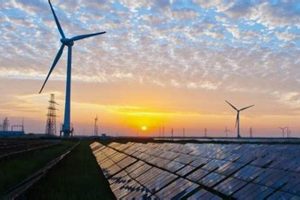
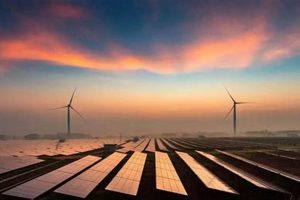
The Republic of Armenia is actively pursuing the development of sustainable power generation through various sources including solar, wind, hydro, and geothermal. The country’s mountainous terrain and substantial sunlight exposure offer significant potential for harnessing these resources. For example, several solar photovoltaic (PV) plants are already operational or under development, contributing to the national grid. Hydropower has historically been a significant contributor to Armenia’s electricity generation, and efforts are underway to modernize existing facilities and explore new small-scale hydroelectric projects.
Promoting sustainable power sources offers numerous advantages for the nation. Reduced reliance on imported fossil fuels enhances energy security and strengthens the national economy. Developing this sector also creates new employment opportunities in construction, operation, and maintenance. Moreover, transitioning to cleaner energy sources helps mitigate climate change by reducing greenhouse gas emissions and promoting environmental sustainability. This transition aligns with global efforts to combat climate change and positions Armenia as a responsible steward of the environment.
Further exploration of specific resource utilization, government policies and incentives, international collaborations, and future prospects will provide a comprehensive understanding of this evolving sector. Examining challenges, such as grid integration and infrastructure development, along with strategies for overcoming them, will also offer valuable insights.
Tips for Supporting Sustainable Power Development in Armenia
The transition to sustainable power generation requires a multifaceted approach involving government policies, private sector investments, and public awareness. The following tips provide guidance for supporting this important transition in Armenia.
Tip 1: Promote Energy Efficiency: Reducing energy consumption through building retrofits, efficient appliances, and responsible energy use practices minimizes demand and maximizes the impact of renewable energy sources.
Tip 2: Support Local Initiatives: Investing in community-owned solar or wind projects empowers local communities and fosters a sense of ownership in the transition.
Tip 3: Advocate for Policy Changes: Supporting policies that incentivize renewable energy development, such as feed-in tariffs or tax credits, accelerates growth in the sector.
Tip 4: Encourage Research and Development: Investing in research and development of advanced renewable energy technologies, including energy storage solutions, can enhance efficiency and reduce costs.
Tip 5: Educate and Raise Awareness: Public awareness campaigns highlighting the benefits of sustainable power generation can foster public support and encourage adoption.
Tip 6: Foster International Collaboration: Partnering with international organizations and other countries with expertise in renewable energy can facilitate knowledge transfer and best practice implementation.
Tip 7: Invest in Grid Modernization: Upgrading the electricity grid to accommodate intermittent renewable energy sources ensures efficient integration and distribution.
By implementing these strategies, Armenia can accelerate its transition to a sustainable energy future, enhancing energy security, economic development, and environmental sustainability.
These collaborative efforts contribute significantly to a greener future and a more resilient energy landscape within Armenia. Further exploration of these topics will provide a more in-depth understanding of the sector’s complexities and opportunities.
1. Solar Potential

Armenia’s significant solar potential plays a crucial role in the nation’s renewable energy strategy. The country’s geographic location and high number of sunny days per year provide favorable conditions for harnessing solar energy. This potential translates into an opportunity to significantly reduce reliance on fossil fuel imports and enhance energy independence. Utilizing solar energy also contributes to reducing greenhouse gas emissions, aligning with national and international climate change mitigation goals. For example, the construction of large-scale solar photovoltaic (PV) plants, such as the Masrik-1 Solar Park, demonstrates the practical implementation of this potential and its contribution to the national energy mix.
Exploiting this solar potential requires strategic planning and investment in infrastructure development, including grid modernization and energy storage solutions. Technical expertise in solar PV system design, installation, and maintenance is also essential for maximizing energy generation efficiency. Furthermore, developing clear regulatory frameworks and incentive programs can attract private sector investment and accelerate the growth of the solar energy sector. Assessing the environmental impact of solar installations and implementing mitigation measures ensures sustainable development.
Realizing Armenia’s solar potential is essential for diversifying the energy mix and promoting a sustainable energy future. Overcoming challenges related to financing, grid integration, and technical expertise will unlock significant economic and environmental benefits. Continued investment in solar energy infrastructure and supportive policies will position Armenia as a leader in regional renewable energy development.
2. Wind power development

Wind power development represents a key component of Armenia’s renewable energy strategy, complementing other sustainable sources like solar and hydro. The country’s mountainous terrain and prevailing wind patterns offer promising prospects for harnessing wind energy. Developing this resource contributes to energy independence, economic growth, and environmental sustainability. Careful site selection, technological advancements, and grid integration are crucial for maximizing wind power’s contribution to Armenia’s energy mix.
- Resource Assessment and Site Selection
Accurate assessment of wind resources is fundamental. Identifying locations with optimal wind speeds and minimal environmental impact is critical for project viability. Geographic Information System (GIS) tools and meteorological data analysis inform site selection decisions. For example, areas in the Lori and Shirak provinces have been identified as having high wind energy potential. Careful consideration of ecological factors, land use, and community impact ensures sustainable development.
- Technology Selection and Implementation
Choosing appropriate wind turbine technology is essential for maximizing energy output and minimizing costs. Factors such as turbine size, capacity, and adaptability to local conditions influence project efficiency. Advanced technologies, including variable-speed turbines and improved blade designs, enhance energy capture. Proper installation and maintenance protocols are crucial for long-term operational success. International collaborations and knowledge transfer facilitate the implementation of best practices.
- Grid Integration and Infrastructure Development
Integrating wind power into the existing electricity grid requires careful planning and investment in transmission infrastructure. Upgrading grid capacity and implementing smart grid technologies ensure efficient energy distribution and minimize transmission losses. Addressing the intermittent nature of wind power through energy storage solutions, such as pumped hydro or battery storage, enhances grid stability and reliability. Coordination between wind farm developers and grid operators is essential for seamless integration.
- Policy and Regulatory Framework
Supportive government policies and a clear regulatory framework are crucial for attracting investment and fostering growth in the wind energy sector. Feed-in tariffs, tax incentives, and streamlined permitting processes encourage private sector participation. Clear guidelines for environmental impact assessments and community engagement ensure sustainable development. International partnerships and best practice adoption support the development of a robust regulatory framework.
These interconnected facets are critical for successfully integrating wind power into Armenia’s renewable energy landscape. Strategic planning, technological advancements, and supportive policies will pave the way for a more sustainable and secure energy future, reducing reliance on fossil fuels and contributing to national climate goals. The continued growth of wind power contributes significantly to Armenia’s overall progress in the renewable energy sector.
3. Hydropower Modernization

Hydropower represents a significant portion of Armenia’s existing electricity generation capacity. Modernizing these facilities plays a crucial role in the nation’s transition to a more sustainable energy future. Improving the efficiency and sustainability of existing hydropower plants is essential for maximizing the potential of this renewable resource while minimizing environmental impact. This modernization process involves several key facets, each contributing to a more robust and sustainable hydropower sector within Armenia’s overall renewable energy strategy.
- Rehabilitation and Upgrade of Existing Infrastructure
Aging hydropower plants often suffer from decreased efficiency and increased maintenance costs. Rehabilitation efforts focus on upgrading turbines, generators, and control systems to improve performance and extend operational lifespan. Modernizing these components increases energy output while reducing water consumption per unit of electricity generated. For example, the modernization of the Sevan-Hrazdan Cascade aims to improve the efficiency and reliability of several hydropower plants along the Hrazdan River.
- Environmental Impact Mitigation
Hydropower projects, while renewable, can have environmental consequences, impacting river ecosystems and aquatic life. Modernization efforts often incorporate measures to mitigate these impacts, such as fish passages, improved water flow management, and sediment control. These measures ensure the sustainable operation of hydropower plants while protecting surrounding ecosystems. For instance, incorporating fish ladders into dam structures allows for the migration of fish populations, minimizing disruption to their natural lifecycle.
- Integration with other Renewable Sources
Modernized hydropower plants can play a crucial role in balancing the intermittency of other renewable energy sources like solar and wind. Hydropower’s ability to quickly adjust output makes it an ideal complement to these variable resources, ensuring grid stability and reliability. Pumped hydro storage systems, where water is pumped uphill during periods of excess renewable energy generation and released to generate electricity during peak demand, further enhance grid flexibility.
- Enhancing Operational Efficiency and Safety
Implementing advanced control systems and digitalization technologies improves the operational efficiency and safety of hydropower plants. Real-time monitoring and data analysis optimize energy generation and predict potential maintenance needs. Automated control systems enhance grid stability and response to fluctuations in energy demand. Improved safety protocols and training programs minimize operational risks and ensure worker safety.
Modernizing Armenia’s hydropower infrastructure is integral to the nation’s broader renewable energy goals. By enhancing efficiency, mitigating environmental impact, and integrating with other renewable sources, modernized hydropower plants contribute significantly to a more sustainable and secure energy future for Armenia. These efforts not only optimize existing resources but also pave the way for a more resilient and diversified energy mix, reducing dependence on fossil fuels and supporting national climate objectives.
4. Geothermal Exploration

Geothermal exploration represents a promising avenue for diversifying Armenia’s renewable energy portfolio. While currently underutilized, the country’s geological characteristics indicate significant potential for harnessing geothermal energy for electricity generation and direct heating applications. Investigating and developing this resource aligns with Armenia’s commitment to sustainable energy and reducing reliance on fossil fuel imports. A comprehensive exploration strategy, coupled with appropriate policy and investment frameworks, is crucial for unlocking the potential of geothermal energy and integrating it into the national energy mix.
- Resource Assessment and Mapping
A thorough assessment of geothermal resources is the foundation for development. Geological surveys, geophysical measurements, and geochemical analyses help identify potential geothermal reservoirs and characterize their temperature, depth, and fluid composition. Creating detailed geothermal maps guides exploration efforts and informs decisions about resource development. For example, studies have identified areas in Syunik and Vayots Dzor provinces with promising geothermal potential. Accurate resource assessment minimizes exploration risks and maximizes the efficiency of future development projects.
- Exploration Drilling and Well Testing
Exploration drilling confirms the presence and characteristics of geothermal reservoirs. Well testing determines the flow rate, temperature, and chemical composition of geothermal fluids, providing crucial data for power plant design and feasibility studies. Analyzing the collected data allows for accurate estimations of energy generation potential and informs decisions regarding the economic viability of projects. Careful well management and environmental monitoring during drilling and testing minimize potential impacts on surrounding ecosystems.
- Technological Advancements and Applications
Advances in geothermal technologies, such as Enhanced Geothermal Systems (EGS), expand the range of exploitable geothermal resources. EGS techniques allow for extracting heat from hot dry rock formations, increasing the geographic reach of geothermal energy. Beyond electricity generation, geothermal resources can be utilized for direct heating applications in agriculture, industry, and residential buildings. Exploring these diverse applications maximizes the utilization of geothermal energy and contributes to overall energy efficiency.
- Policy and Investment Framework
A supportive policy and regulatory framework is crucial for attracting investment in geothermal exploration and development. Clear permitting processes, environmental regulations, and fiscal incentives encourage private sector participation and accelerate project implementation. Government support for research and development initiatives fosters innovation and technological advancements in the geothermal sector. International collaborations and knowledge sharing facilitate best practice implementation and accelerate the growth of Armenia’s geothermal industry.
Developing Armenia’s geothermal resources offers a significant opportunity to diversify the national energy mix, enhance energy security, and reduce greenhouse gas emissions. Strategic investment in exploration, technological advancements, and a supportive policy framework will unlock the full potential of this sustainable energy source. Successfully integrating geothermal energy into Armenia’s renewable energy portfolio contributes to a more resilient, independent, and environmentally sustainable energy future.
5. Policy and investment

Effective policy and strategic investment are crucial drivers for the growth and success of Armenia’s renewable energy sector. Supportive government policies create an enabling environment for private sector participation, attracting both domestic and foreign investment. These policies can include feed-in tariffs, tax incentives, streamlined permitting processes, and renewable portfolio standards (RPS). For example, Armenia’s commitment to achieving a 20% share of renewable energy in its electricity mix by 2020 necessitated the implementation of attractive feed-in tariffs to incentivize investments in solar and wind projects. The ongoing development of the renewable energy sector demonstrates the efficacy of such policy mechanisms in stimulating market growth and technological advancements. Targeted investments in grid modernization and energy storage infrastructure are also essential for integrating intermittent renewable sources and ensuring grid stability. Funding research and development activities further drives innovation and cost reductions within the sector.
The Armenian government’s commitment to attracting foreign direct investment (FDI) is evidenced by partnerships with international financial institutions like the World Bank and the European Bank for Reconstruction and Development (EBRD), supporting the development of large-scale renewable energy projects. These collaborations not only provide financial resources but also facilitate technology transfer and capacity building within the local industry. For example, the EBRD’s financing of the ArmPower wind farm project highlights the importance of international partnerships in scaling up renewable energy deployment. Furthermore, targeted investment in education and training programs equips the local workforce with the skills needed to operate and maintain renewable energy installations, fostering sustainable job creation within the green economy. These strategic investments, coupled with stable and transparent regulatory frameworks, contribute significantly to the long-term viability and success of Armenia’s renewable energy transition.
Sustained policy support and strategic investment are essential for achieving Armenia’s renewable energy targets and maximizing the associated economic and environmental benefits. Addressing challenges such as grid constraints, regulatory uncertainties, and access to financing will be crucial for unlocking the full potential of the sector. The continuous development and implementation of coherent policies, coupled with targeted investment in infrastructure and human capital, will solidify Armenia’s position as a regional leader in renewable energy development and contribute to a more sustainable and secure energy future.
Frequently Asked Questions about Renewable Energy in Armenia
This section addresses common inquiries regarding the development and utilization of renewable energy resources within Armenia.
Question 1: What is the current contribution of renewable energy to Armenia’s overall energy mix?
While hydropower historically dominated Armenia’s renewable energy landscape, recent efforts have focused on diversifying the mix through solar and wind power development. The exact contribution fluctuates but is steadily increasing as new projects come online.
Question 2: What are the primary challenges hindering the growth of renewable energy in Armenia?
Key challenges include grid modernization needs to accommodate intermittent renewable sources, attracting sufficient investment for large-scale projects, and ensuring consistent policy support and regulatory frameworks.
Question 3: What are the key government policies and incentives promoting renewable energy development?
The Armenian government has implemented feed-in tariffs for renewable energy projects, offering guaranteed prices for electricity generated from renewable sources. Other incentives include tax breaks and streamlined permitting processes to encourage private sector investment.
Question 4: What is the potential for geothermal energy development in Armenia?
Armenia possesses significant geothermal potential due to its geological characteristics. While still in early stages of exploration, geothermal energy presents a promising opportunity for both electricity generation and direct heating applications.
Question 5: How does renewable energy development contribute to Armenia’s energy security?
By diversifying energy sources and reducing reliance on imported fossil fuels, renewable energy enhances Armenia’s energy independence and resilience to external market fluctuations.
Question 6: What is the role of international collaborations in advancing Armenia’s renewable energy sector?
Partnerships with international organizations and other countries provide access to financing, technical expertise, and best practices, accelerating the development and deployment of renewable energy technologies.
Transitioning to renewable energy sources offers significant benefits for Armenia’s environment, economy, and energy security. Continued efforts in resource development, technological innovation, and policy support are essential for realizing the full potential of this vital sector.
For further information, explore detailed reports and analyses on Armenia’s renewable energy landscape from reputable sources such as the International Energy Agency (IEA) and the World Bank.
Armenia Renewable Energy
Armenia’s pursuit of renewable energy diversification represents a strategic imperative for national development. Exploration of solar, wind, hydro, and geothermal resources demonstrates significant potential for reducing reliance on imported fossil fuels, enhancing energy security, and mitigating environmental impact. Strategic policy implementation, coupled with targeted investments in infrastructure and technology, has facilitated progress in harnessing these resources. Overcoming challenges related to grid integration, financing, and technical expertise remains crucial for maximizing the sector’s contribution to national energy goals.
Continued commitment to renewable energy development offers a pathway toward a more sustainable and prosperous future for Armenia. Embracing innovation, fostering international collaborations, and prioritizing environmental stewardship will be essential for realizing the full potential of this vital sector and ensuring a secure, clean, and resilient energy landscape for generations to come.