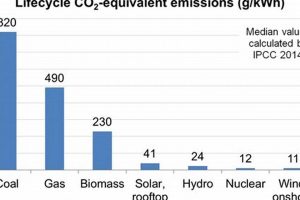
Battery-powered vehicles and sustainable power sources offer a compelling alternative to traditional combustion engines and fossil fuels. These technologies represent a significant shift in transportation and energy production, utilizing electricity stored in rechargeable batteries for propulsion and harnessing naturally replenishing resources like solar, wind, hydro, and geothermal energy for power generation. For instance, solar panels can power homes and businesses, and that same clean energy can be used to charge an electric vehicle.
The transition to sustainable transportation and energy systems holds substantial promise for mitigating climate change by reducing greenhouse gas emissions. Furthermore, these technologies offer the potential for increased energy independence, reduced reliance on volatile global fuel markets, and improved air quality, leading to significant public health benefits. The development and adoption of these technologies have accelerated dramatically in recent years, driven by technological advancements, policy incentives, and growing public awareness of environmental concerns. This shift builds upon decades of research and development, with early electric vehicles dating back to the 19th century and the utilization of renewable energy sources predating the industrial revolution.
This article will further explore the key aspects of sustainable transportation and power generation, delving into the specific technologies, their current state of development, challenges faced, and future prospects. Topics covered will include battery technology, charging infrastructure, renewable energy generation methods, grid integration, and the economic and societal impacts of this transformative shift.
Tips for Transitioning to Sustainable Transportation and Energy
The following tips offer guidance for individuals and communities seeking to adopt more sustainable transportation and energy practices.
Tip 1: Explore available incentives. Governmental and private entities often offer rebates, tax credits, and other financial incentives for purchasing electric vehicles and installing renewable energy systems. Researching these programs can significantly reduce the initial investment costs.
Tip 2: Evaluate home energy consumption. Understanding current energy usage patterns is crucial for determining the appropriate size and type of renewable energy system. Conducting a home energy audit can identify areas for improvement and maximize efficiency gains.
Tip 3: Consider electric vehicle range and charging infrastructure. Electric vehicle range varies depending on the model and battery size. Assess daily driving needs and ensure adequate charging infrastructure availability at home, work, or along frequently traveled routes.
Tip 4: Research different renewable energy options. Various renewable energy technologies exist, each with its own advantages and disadvantages. Factors such as geographic location, available space, and energy needs will influence the optimal choice.
Tip 5: Consult with qualified professionals. Seeking expert advice from reputable installers and contractors is essential for ensuring proper system design, installation, and maintenance for both electric vehicle charging equipment and renewable energy systems.
Tip 6: Advocate for supportive policies. Supporting policies that promote sustainable transportation and energy development can accelerate the transition to a cleaner energy future. Engaging with local and national representatives can help drive positive change.
Tip 7: Stay informed about technological advancements. The fields of sustainable transportation and energy are constantly evolving. Staying abreast of the latest developments in battery technology, charging infrastructure, and renewable energy generation can inform future decisions.
By adopting these strategies, individuals and communities can contribute to a more sustainable future, while potentially realizing economic and environmental benefits.
The transition to sustainable transportation and energy represents a significant opportunity for societal advancement. The following conclusion will summarize the key arguments and offer a perspective on the future of these technologies.
1. Reduced Emissions

Reduced emissions represent a central benefit of transitioning to electric vehicles powered by renewable energy. Conventional internal combustion engine vehicles rely on the burning of fossil fuels, a process that releases significant quantities of greenhouse gases, including carbon dioxide, into the atmosphere. These emissions contribute to climate change and air pollution, posing risks to both environmental and human health. Electric vehicles, in contrast, produce zero tailpipe emissions, eliminating the direct release of pollutants during operation. When charged with electricity generated from renewable sources like solar or wind power, the overall carbon footprint of electric vehicles is significantly reduced, furthering the environmental benefits. This reduction in emissions is crucial for mitigating the effects of climate change and improving air quality, particularly in urban areas. For example, a city with a high adoption rate of electric vehicles powered by renewable energy can experience a measurable decrease in air pollution levels.
The connection between reduced emissions and the adoption of electric vehicles coupled with renewable energy extends beyond the tailpipe. The lifecycle emissions of electric vehicles, including those associated with battery production and vehicle manufacturing, are becoming increasingly competitive with conventional vehicles as manufacturing processes become more efficient and renewable energy sources are integrated into supply chains. Furthermore, advancements in battery technology, such as the development of solid-state batteries, promise to further reduce the environmental impact of electric vehicle production. The shift to electric vehicles powered by renewable energy aligns with global efforts to decarbonize transportation systems and achieve ambitious emissions reduction targets. For instance, many countries and regions have implemented policies and incentives to encourage the adoption of electric vehicles and renewable energy as part of broader strategies to combat climate change.
Realizing the full potential of reduced emissions through electric vehicles requires a comprehensive approach encompassing both vehicle technology and energy generation. Continued investment in renewable energy infrastructure is essential to ensure that the electricity used to power electric vehicles comes from clean sources. Moreover, strategies to manage the increased electricity demand from widespread electric vehicle adoption, such as smart charging technologies and grid integration solutions, are critical for maximizing the environmental benefits. The transition to electric vehicles powered by renewable energy represents a significant step towards a more sustainable transportation future, with reduced emissions playing a pivotal role in achieving broader environmental and public health goals. While challenges remain, the continued advancement and adoption of these technologies offer a promising pathway to a cleaner, healthier, and more sustainable world.
2. Sustainable Transportation
Sustainable transportation systems minimize environmental impact while meeting societal needs for mobility. Electric cars and renewable energy are central to achieving this goal, offering a pathway to decarbonize the transportation sector and reduce reliance on finite fossil fuels. This section explores the multifaceted relationship between sustainable transportation and the adoption of electric vehicles powered by renewable energy sources.
- Reduced Reliance on Fossil Fuels
Electric vehicles, unlike their internal combustion engine counterparts, do not directly consume fossil fuels. This inherent advantage significantly reduces dependence on oil, a finite resource with volatile price fluctuations and geopolitical implications. Transitioning to electric vehicles contributes to energy security and diversification, lessening the vulnerability of transportation systems to global fuel market disruptions. For example, countries with high electric vehicle adoption rates are less susceptible to oil price shocks. Furthermore, utilizing renewable energy sources to charge electric vehicles further decouples transportation from fossil fuel dependence, fostering a more sustainable and resilient energy landscape.
- Improved Air Quality
Electric vehicles produce zero tailpipe emissions, directly addressing a major source of urban air pollution. Conventional vehicles release pollutants such as nitrogen oxides and particulate matter, which contribute to respiratory illnesses and other health problems. The adoption of electric vehicles, particularly in densely populated areas, can lead to significant improvements in air quality, resulting in demonstrable public health benefits. For instance, studies have shown a correlation between increased electric vehicle adoption and decreased levels of respiratory illnesses in urban populations. The use of renewable energy to power these vehicles further amplifies the positive impact on air quality by reducing emissions associated with electricity generation.
- Mitigation of Climate Change
Transportation is a significant contributor to greenhouse gas emissions. Electric vehicles powered by renewable energy offer a viable solution for decarbonizing this sector. By eliminating tailpipe emissions and utilizing clean electricity sources, the overall carbon footprint of transportation is substantially reduced. This mitigation of greenhouse gas emissions is crucial for addressing climate change and achieving global emissions reduction targets. The shift to electric mobility, coupled with investments in renewable energy infrastructure, represents a vital step towards creating a more sustainable and climate-resilient transportation system. For example, lifecycle analyses demonstrate that electric vehicles powered by renewable energy have significantly lower greenhouse gas emissions compared to conventional vehicles.
- Economic Opportunities
The transition to sustainable transportation fueled by electric vehicles and renewable energy presents significant economic opportunities. The growth of the electric vehicle industry creates new jobs in manufacturing, research and development, and infrastructure development. Furthermore, the expansion of renewable energy generation and distribution networks stimulates economic activity in related sectors. This economic growth can be further enhanced by policies that incentivize the adoption of electric vehicles and renewable energy, creating a positive feedback loop for sustainable development. For example, government incentives for electric vehicle purchases and renewable energy installations can stimulate market growth and drive down costs, making these technologies more accessible to consumers.
These facets of sustainable transportation demonstrate the interconnectedness of electric vehicles and renewable energy. The transition to electric mobility powered by clean energy sources represents a fundamental shift towards a more sustainable, resilient, and environmentally responsible transportation system. While challenges remain in terms of infrastructure development and technological advancements, the ongoing progress in these areas, coupled with supportive policies and growing public awareness, paves the way for a future where sustainable transportation plays a central role in achieving broader societal and environmental goals.
3. Clean Energy Generation

Clean energy generation is inextricably linked to the viability and sustainability of electric vehicles. While electric cars themselves produce zero tailpipe emissions, their overall environmental impact depends heavily on the source of the electricity used to charge them. If that electricity is generated from fossil fuels, the benefits of electric mobility are significantly diminished. Therefore, the transition to electric vehicles must be coupled with a parallel shift towards clean energy generation from renewable sources such as solar, wind, hydro, and geothermal power. This synergistic approach maximizes the environmental benefits, reduces greenhouse gas emissions throughout the entire energy lifecycle, and minimizes reliance on finite fossil fuel resources. For example, an electric vehicle charged with solar power represents a truly sustainable transportation solution, minimizing both air pollution and carbon emissions.
The increasing demand for electricity driven by widespread electric vehicle adoption necessitates a substantial expansion of clean energy generation capacity. This presents both challenges and opportunities. Grid infrastructure must be modernized and strengthened to accommodate the increased load and ensure reliable power distribution. Furthermore, energy storage solutions, such as batteries and pumped hydro storage, become increasingly crucial for managing the intermittency of some renewable energy sources like solar and wind power. However, this increased demand also creates a powerful economic driver for the renewable energy sector, stimulating innovation, investment, and job creation. For instance, the development of large-scale solar and wind farms generates employment opportunities in rural communities and contributes to regional economic development. The practical significance of this understanding is that policies promoting electric vehicles must be complemented by equally robust policies supporting the development and deployment of renewable energy technologies.
In conclusion, clean energy generation is not merely a supplementary component of electric vehicle adoption; it is a fundamental prerequisite for achieving truly sustainable transportation. The environmental benefits of electric vehicles are fully realized only when they are powered by clean electricity. Addressing the challenges associated with scaling up renewable energy generation and modernizing grid infrastructure is essential for realizing the full potential of electric mobility and creating a truly sustainable transportation future. This requires a coordinated and integrated approach involving policymakers, industry stakeholders, and consumers alike. The transition to a cleaner transportation future hinges on the successful integration of electric vehicles with a robust and expanding clean energy generation infrastructure.
4. Energy Independence

Energy independence represents a critical aspect of national and regional security, economic stability, and environmental sustainability. The reliance on imported fossil fuels creates vulnerabilities to price volatility, supply disruptions, and geopolitical instability. Electric cars and renewable energy offer a pathway to reduce this dependence, fostering greater energy autonomy and resilience. This section explores the multifaceted connection between energy independence and the adoption of electric vehicles powered by renewable energy sources.
- Reduced Reliance on Foreign Energy Sources
Electric vehicles, by their nature, reduce reliance on imported oil used in conventional gasoline-powered vehicles. This shift towards domestically generated electricity for transportation lessens vulnerability to global energy market fluctuations and geopolitical events. When coupled with renewable energy generation, the potential for energy independence is amplified, as domestic renewable resources can be leveraged to power the transportation sector. For example, a nation with substantial solar and wind resources can generate a significant portion of its transportation energy domestically, reducing reliance on imported oil and enhancing energy security.
- Decentralized Energy Production
Renewable energy sources, such as solar and wind power, enable decentralized energy production. This distributed generation model contrasts with the centralized nature of fossil fuel production and distribution, which often relies on a limited number of large-scale power plants and extensive transmission networks. Decentralized generation enhances energy security by reducing vulnerability to single points of failure and disruptions. For instance, rooftop solar panels on homes and businesses can generate electricity locally, providing resilience during grid outages and reducing reliance on centralized power sources. This distributed generation model aligns seamlessly with electric vehicle charging, further enhancing energy independence at the local and regional levels.
- Economic Benefits and Job Creation
Investing in domestic renewable energy infrastructure and electric vehicle manufacturing creates economic opportunities and generates jobs within the country. This economic growth further enhances energy independence by reducing reliance on foreign energy industries and supply chains. The development of renewable energy technologies and electric vehicle manufacturing capabilities fosters innovation and technological leadership, positioning a nation for economic competitiveness in the global clean energy market. For example, government incentives and investments in renewable energy projects can stimulate private sector investment, create jobs in manufacturing and installation, and bolster domestic supply chains for electric vehicle components.
- Enhanced Grid Resilience and Stability
Integrating electric vehicles into the power grid, especially when managed intelligently, can enhance grid resilience and stability. Electric vehicle batteries can serve as distributed energy storage resources, supporting grid stability by providing ancillary services such as frequency regulation and peak shaving. This integration, known as vehicle-to-grid (V2G) technology, can further enhance energy independence by enabling electric vehicles to supply power back to the grid during periods of high demand or supply disruptions. For instance, during peak electricity demand, electric vehicles can discharge stored energy back to the grid, reducing the need for additional power generation from centralized sources, thereby enhancing grid stability and reducing reliance on potentially imported energy.
The pursuit of energy independence through electric vehicles and renewable energy represents a strategic investment in national security, economic prosperity, and environmental sustainability. By reducing reliance on foreign energy sources, fostering decentralized energy production, creating economic opportunities, and enhancing grid resilience, these technologies offer a pathway towards a more secure, sustainable, and prosperous energy future. The interconnectedness of these benefits underscores the importance of a holistic approach to energy policy, recognizing the synergistic potential of electric vehicles and renewable energy in achieving true energy independence.
5. Technological Innovation

Technological innovation is the driving force behind the advancement and adoption of electric cars and renewable energy. Continuous improvements in battery technology, charging infrastructure, power electronics, and renewable energy generation methods are essential for overcoming the challenges and realizing the full potential of these technologies. This section explores key facets of technological innovation within the context of electric cars and renewable energy.
- Battery Technology Advancements
Battery technology is a critical area of innovation for electric vehicles. Advancements in battery chemistry, design, and manufacturing processes directly impact vehicle range, performance, lifespan, and cost. For example, the development of solid-state batteries promises significantly higher energy density, faster charging times, and improved safety compared to current lithium-ion batteries. These advancements are crucial for addressing range anxiety, reducing charging times, and making electric vehicles more competitive with conventional gasoline-powered cars. Furthermore, research into alternative battery chemistries, such as lithium-sulfur and sodium-ion batteries, explores promising avenues for achieving even higher energy densities and lower costs.
- Charging Infrastructure Development
The widespread adoption of electric vehicles necessitates a robust and accessible charging infrastructure. Technological innovation plays a vital role in developing efficient and convenient charging solutions. For example, the development of fast-charging technologies significantly reduces charging times, making long-distance travel with electric vehicles more practical. Furthermore, advancements in smart charging technologies enable optimized charging schedules based on grid conditions and electricity prices, minimizing strain on the power grid and reducing charging costs. The expansion of wireless charging technologies offers further convenience and simplifies the charging process. Innovations in charging infrastructure are essential for supporting the growing number of electric vehicles on the road and ensuring a seamless transition to electric mobility.
- Renewable Energy Generation Efficiency
Technological advancements in renewable energy generation technologies are crucial for increasing efficiency, reducing costs, and maximizing the environmental benefits. For example, improvements in solar cell materials and manufacturing processes have led to significant increases in solar panel efficiency, reducing the land area required for solar farms and lowering the cost of solar energy. Similarly, advancements in wind turbine design and control systems have increased energy capture efficiency and improved the reliability of wind power generation. Furthermore, research into next-generation renewable energy technologies, such as wave energy converters and advanced geothermal systems, explores promising avenues for diversifying renewable energy sources and expanding access to clean energy.
- Grid Integration and Management
The increasing penetration of renewable energy sources and the growing adoption of electric vehicles pose challenges for grid management and stability. Technological innovation plays a crucial role in developing smart grid technologies that enable efficient integration of renewable energy and electric vehicle charging. For example, advanced grid management systems can optimize energy distribution, balance supply and demand, and manage the intermittency of renewable energy sources. Furthermore, vehicle-to-grid (V2G) technologies enable electric vehicles to act as distributed energy storage resources, supporting grid stability and providing ancillary services. These innovations in grid integration and management are essential for ensuring a reliable and efficient power grid capable of supporting the transition to a cleaner and more sustainable energy future.
These interconnected technological advancements are crucial for accelerating the transition to a sustainable transportation and energy future. Continued investment in research and development, coupled with supportive policies and market incentives, is essential for driving innovation and overcoming the challenges associated with widespread adoption of electric vehicles and renewable energy. The ongoing progress in these areas offers a promising pathway towards a cleaner, more efficient, and more sustainable world.
6. Infrastructure Development

Infrastructure development plays a crucial role in the successful integration of electric cars and renewable energy into existing energy and transportation systems. The transition away from fossil fuels requires substantial investments in new infrastructure to support the unique demands of these technologies. This includes not only the physical infrastructure but also the regulatory and market frameworks that govern their operation. For example, widespread adoption of electric vehicles necessitates a significant expansion of charging infrastructure, including public charging stations, residential charging installations, and workplace charging facilities. The availability of convenient and accessible charging options is a key factor influencing consumer adoption of electric vehicles. Similarly, the integration of renewable energy sources into the power grid requires substantial upgrades to transmission and distribution networks to accommodate the intermittent nature of solar and wind power. This might involve investments in smart grid technologies, energy storage solutions, and grid modernization initiatives.
Furthermore, the shift to electric vehicles and renewable energy creates interdependencies between different infrastructure systems. For instance, the increasing demand for electricity from electric vehicle charging necessitates a corresponding increase in renewable energy generation capacity. This requires careful coordination between electricity grid operators, renewable energy developers, and charging infrastructure providers to ensure a balanced and reliable energy system. Moreover, the location and distribution of charging infrastructure must consider factors such as grid capacity, renewable energy availability, and consumer demand patterns. Strategic planning and investment in interconnected infrastructure systems are essential for maximizing the benefits of both electric vehicles and renewable energy. Practical examples of this interconnectedness include the development of “smart charging” technologies that optimize charging schedules based on grid conditions and renewable energy availability, or the integration of electric vehicle batteries into the grid as distributed energy storage resources.
In conclusion, infrastructure development is not merely a supporting element but a fundamental prerequisite for the successful transition to electric vehicles and renewable energy. Adequate and strategically planned infrastructure is essential for ensuring the reliability, accessibility, and affordability of these technologies. The interconnected nature of transportation and energy infrastructure requires a holistic and coordinated approach to planning and investment. Addressing the infrastructure challenges associated with electric vehicles and renewable energy is crucial for unlocking their full potential and achieving a sustainable energy future. Failure to invest in adequate infrastructure can hinder the adoption of these technologies, limit their environmental benefits, and create new vulnerabilities in the energy system. Therefore, prioritizing infrastructure development is a critical component of any comprehensive strategy for transitioning to a cleaner and more sustainable energy future.
7. Economic Growth
Economic growth and the transition to electric cars and renewable energy are intrinsically linked. The shift away from fossil fuels and towards sustainable transportation and energy systems presents significant opportunities for economic expansion, job creation, and the development of new industries. This transition not only addresses environmental concerns but also serves as a catalyst for economic activity and innovation. Understanding the multifaceted relationship between economic growth and the adoption of electric cars and renewable energy is crucial for policymakers, businesses, and investors alike.
- Job Creation
The expanding electric vehicle and renewable energy industries create numerous job opportunities across various sectors. Manufacturing electric vehicles, installing solar panels, developing battery technologies, and constructing charging infrastructure all require a skilled workforce. This job creation stimulates local economies, reduces unemployment, and provides opportunities for workforce development and training. For example, the construction of a new electric vehicle battery factory can create thousands of manufacturing jobs, while the growth of the solar energy industry leads to increased demand for installers and technicians. These new employment opportunities contribute to economic growth and provide economic benefits to communities.
- Investment and Innovation
The transition to electric cars and renewable energy attracts significant investment in research, development, and deployment of new technologies. This investment fuels innovation, leading to more efficient and cost-effective solutions in areas such as battery technology, charging infrastructure, and renewable energy generation. For instance, private companies invest billions in developing next-generation battery technologies, while government funding supports research into smart grid technologies and energy storage solutions. This investment fosters a dynamic and competitive market, driving down costs and accelerating the adoption of sustainable technologies, which ultimately contributes to economic growth.
- New Industries and Markets
The shift to electric cars and renewable energy creates entirely new industries and markets, fostering economic diversification and growth. The development of charging infrastructure, battery recycling, and smart grid technologies represents emerging sectors with significant growth potential. For example, the increasing demand for electric vehicle charging stations creates a new market for charging infrastructure providers, while the development of battery recycling technologies creates opportunities for businesses specializing in resource recovery and sustainable materials management. These emerging industries contribute to economic growth by generating new revenue streams and creating diversified economic opportunities.
- Reduced Energy Costs
Renewable energy sources, such as solar and wind power, offer the potential for reduced energy costs over the long term. Once the initial investment in renewable energy infrastructure is recouped, the ongoing operational costs are significantly lower than those associated with fossil fuel-based power generation. This reduction in energy costs benefits both consumers and businesses, freeing up capital for other investments and stimulating economic activity. For example, households with rooftop solar panels can significantly reduce their electricity bills, while businesses powered by renewable energy can lower their operating costs and improve their bottom line. These cost savings contribute to economic growth by increasing disposable income and improving business competitiveness.
In conclusion, the transition to electric cars and renewable energy is not merely an environmental imperative but also a powerful engine for economic growth. The creation of new jobs, the stimulation of investment and innovation, the development of new industries, and the potential for reduced energy costs all contribute to a more robust and sustainable economy. This interconnectedness between economic growth and the adoption of sustainable technologies underscores the importance of a holistic approach to policymaking, recognizing the synergistic potential of economic development and environmental sustainability. By fostering a supportive policy environment and encouraging private sector investment, governments can unlock the full economic potential of electric cars and renewable energy, creating a more prosperous and sustainable future for all.
Frequently Asked Questions
This section addresses common inquiries regarding the transition to electric vehicles powered by renewable energy sources. Clear and concise answers are provided to facilitate informed decision-making and promote broader understanding.
Question 1: What is the environmental impact of electric vehicle battery production?
Battery production requires raw materials and manufacturing processes that have environmental impacts. However, lifecycle assessments demonstrate that electric vehicles, even considering battery production, generally have a lower carbon footprint than gasoline-powered cars, especially when charged using renewable energy. Furthermore, battery recycling initiatives and advancements in battery technology aim to minimize environmental impact further.
Question 2: Are electric vehicles truly “zero-emission” vehicles?
Electric vehicles produce zero tailpipe emissions, meaning they do not directly release pollutants into the atmosphere during operation. However, the overall emissions associated with electric vehicles depend on the source of the electricity used to charge them. When charged with renewable energy, electric vehicles offer a significantly lower carbon footprint compared to conventional vehicles.
Question 3: How does the range of electric vehicles compare to gasoline-powered cars?
The range of electric vehicles varies depending on the model and battery size. While some electric vehicles offer ranges comparable to gasoline-powered cars, others have shorter ranges. However, ongoing advancements in battery technology are continuously increasing electric vehicle range. Furthermore, the expanding network of charging stations mitigates range anxiety for many drivers.
Question 4: What are the primary challenges associated with renewable energy integration into the power grid?
Integrating renewable energy sources, such as solar and wind power, into the existing power grid presents challenges due to their intermittent nature. Grid management systems must be adapted to accommodate fluctuating power generation and ensure grid stability. Energy storage solutions and smart grid technologies are essential for addressing these challenges and maximizing the benefits of renewable energy.
Question 5: What are the economic benefits of transitioning to renewable energy?
Transitioning to renewable energy offers various economic benefits, including job creation in the renewable energy sector, reduced reliance on imported fossil fuels, and the potential for lower energy costs over the long term. Furthermore, investments in renewable energy technologies stimulate innovation and contribute to a more diversified and resilient energy economy.
Question 6: How can individuals contribute to the transition to sustainable transportation and energy?
Individuals can contribute to the transition by considering electric vehicles for their next car purchase, exploring renewable energy options for their homes, supporting policies that promote sustainable energy development, and adopting energy-efficient practices in their daily lives.
Understanding these key aspects of electric cars and renewable energy empowers individuals and communities to make informed decisions and contribute to a more sustainable future. The transition to sustainable transportation and energy requires a multifaceted approach, involving technological advancements, infrastructure development, policy support, and individual actions.
The following section will explore specific case studies of successful transitions to sustainable transportation and energy systems, offering practical examples and valuable insights.
Conclusion
This exploration has highlighted the multifaceted nature of electric cars and renewable energy, examining their interconnectedness and potential for transformative change. From mitigating climate change and improving air quality to fostering economic growth and enhancing energy independence, the benefits of transitioning to sustainable transportation and energy systems are substantial. The analysis encompassed technological advancements in battery technology, charging infrastructure, and renewable energy generation, as well as the crucial role of infrastructure development, policy support, and individual actions in facilitating this transition. Addressing the challenges associated with renewable energy integration, grid management, and consumer adoption remains crucial for realizing the full potential of these technologies. The discussion underscored the importance of a holistic and integrated approach, recognizing the synergistic relationship between electric cars and renewable energy in achieving a sustainable future.
The transition to electric cars powered by renewable energy represents not merely a technological shift but a fundamental societal transformation. It requires a collective commitment to innovation, investment, and policy action. The future of transportation and energy hinges on embracing these technologies and accelerating their adoption. The potential for a cleaner, more sustainable, and more prosperous future powered by electric cars and renewable energy is within reach, demanding concerted efforts from governments, industries, and individuals alike to realize this transformative vision.